.png)
Press freedom concerns grow as threats to journalists rise in Indonesia
JournalismPakistan.com | Published: 19 January 2026 | JP Asia Desk
Join our WhatsApp channel
The Jakarta Post documents 89 incidents in 2025 of physical attacks, digital harassment, censorship and forced removals targeting journalists and newsrooms across Indonesia. Press groups warn these tactics heighten threats and encourage self-censorship.Summary
JAKARTA — A new report has raised fresh concerns about the safety and independence of journalists in Indonesia, after dozens of incidents involving violence, intimidation, and online attacks were documented over the past year. The findings add to a growing body of evidence that press freedom in Southeast Asia’s largest democracy is facing sustained pressure.
According to a January 19 report published by The Jakarta Post, at least 89 cases of violence, digital harassment, censorship, and forced content removal targeting journalists were recorded across Indonesia in 2025. The incidents affected reporters, editors, and media organizations working on issues ranging from politics and corruption to social movements and local governance.
Rising intimidation and newsroom pressure
Press freedom organizations cited in the report said the pattern reflects an increasingly hostile environment for independent journalism. They pointed to physical attacks on reporters in the field, coordinated online harassment campaigns, and pressure on newsrooms to alter or withdraw published content as key indicators of shrinking space for critical reporting.
The report noted that many of the recorded incidents involved digital attacks, including doxxing and threats delivered through social media platforms. Such tactics, press groups said, not only endanger individual journalists but also contribute to self-censorship within newsrooms concerned about staff safety and legal exposure.
Legal and institutional factors
Press advocates also linked the rise in reported cases to broader legal and institutional trends. They argued that the expanded use of laws governing defamation, electronic information, and public order has increased the vulnerability of journalists to legal action. While authorities maintain that such laws are applied to uphold public interest and security, media groups contend they are frequently used to deter investigative reporting.
The report further cited what it described as the normalization of official interventions in editorial processes, including requests from authorities to remove or modify content. According to press groups, these practices undermine newsroom autonomy and blur the line between regulation and censorship.
Regional implications for press freedom
Media analysts quoted by The Jakarta Post warned that the situation in Indonesia has implications beyond its borders. As one of the region’s most influential democracies, Indonesia has long been viewed as a bellwether for press freedom in Southeast Asia. Persistent threats to journalists, they said, risk weakening public access to independent information and accountability reporting.
The report emphasized that while Indonesia continues to host a diverse and active media landscape, the accumulation of threats documented in 2025 points to systemic challenges rather than isolated incidents. Press groups called for stronger protections for journalists, clearer safeguards against misuse of laws, and renewed commitment to freedom of expression.
ATTRIBUTION: Based on publicly available reporting by The Jakarta Post and assessments from Indonesian and international press freedom organizations.
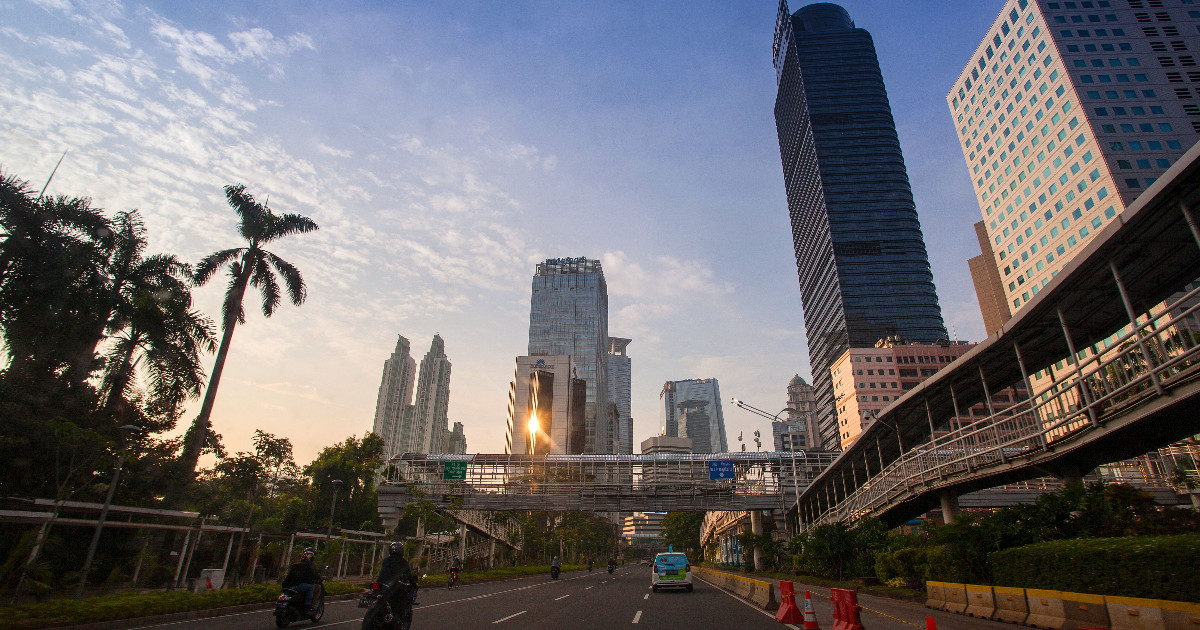
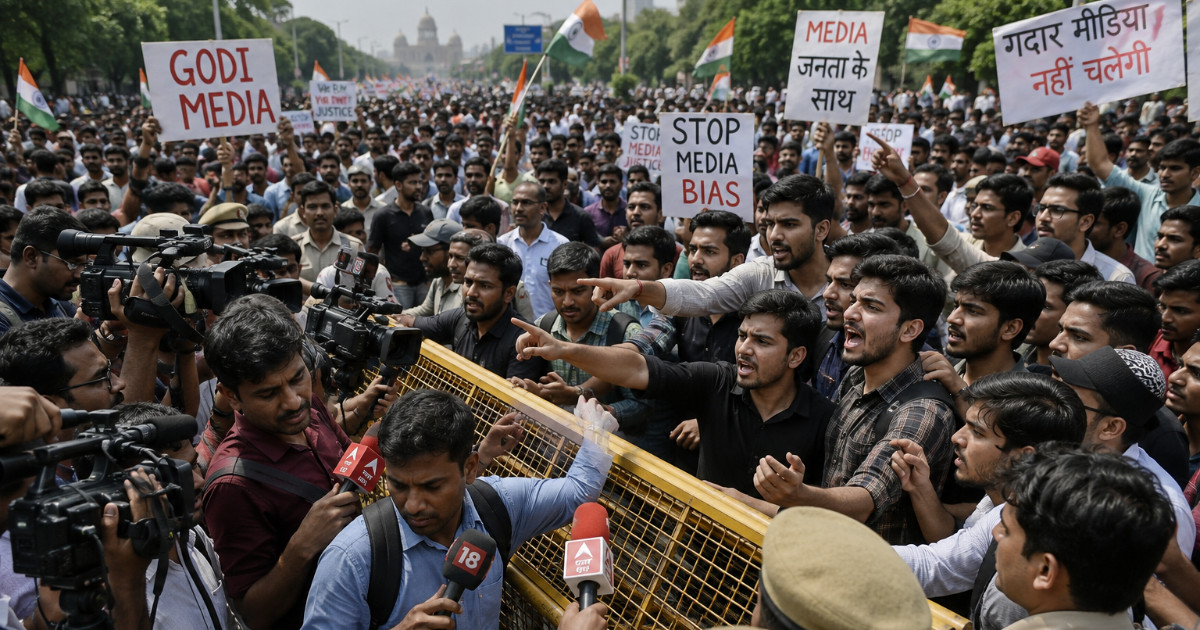
PHOTO: AI-generated; for illustrative purposes only
Key Points
- At least 89 incidents of violence, digital harassment, censorship, and forced removals were recorded in 2025.
- Targets included reporters, editors, and media organizations across political, corruption, and local governance beats.
- Digital attacks such as doxxing and coordinated online threats were common.
- Incidents prompted newsroom pressure, self-censorship, and concerns over journalists' safety.
- Press groups link rising attacks to legal and institutional constraints on independent reporting.
Relevant Topics
Ask AI: Understand this story your way
AI EnabledDig deeper, ask anything — get instant context, background, and clarity.
Disclaimer: This feature is powered by AI and is intended to help readers explore and understand news stories more easily. While we strive for accuracy, AI-generated responses may occasionally be incomplete or reflect limitations in the underlying model. This feature does not represent the editorial views of JournalismPakistan. For our full, verified reporting, please refer to the original article.