
How editors decide what not to publish on quiet news days
JournalismPakistan.com | Published: 18 January 2026 | JP Special Report
Join our WhatsApp channel
On slow news days editors must decide not only what to publish but what to withhold, applying news values like timeliness, impact and prominence. Ethical, legal and audience relevance guide withholding material that would not serve the public interest.Summary
ISLAMABAD — On quiet news days, editors face a unique challenge in deciding not just what to publish but what to withhold. Newsrooms receive a constant flow of information, and editors must apply professional judgement to determine whether material genuinely merits publication or should be set aside. This process of selection and omission is rooted in long-standing journalism principles that focus on relevance, accuracy, and public interest.
In times with limited breaking developments, the criteria for newsworthiness become especially important. Editors weigh each potential story against established news values like timeliness, impact, prominence, and relevance to the audience. Content that fails to meet these benchmarks often remains unpublished, not because it lacks interest, but because it does not sufficiently inform or serve the public.
Editorial judgment and standards
Editorial judgement also involves ethical and legal considerations. Content that could cause undue harm to individuals, violate privacy standards, or compromise verifiable accuracy is often withheld. These decisions reflect a newsroom’s commitment to professional standards such as those articulated in widely recognized codes of media ethics.
Another key factor is audience relevance. On quiet days when major events are scarce, editors may choose not to run stories that lack broader significance or fail to connect with their readers’ informational needs. The threshold for what qualifies as newsworthy can vary across publications, but the underlying aim is consistent: to prioritize information that meaningfully contributes to public understanding.
Gatekeeping and public interest
The process by which editors filter and select information for publication is often described as gatekeeping. This framework recognizes that editors, whether consciously or unconsciously, act as mediators between the flow of information and the public sphere. Decisions about omission are part of this role and are informed by the mission of the newsroom to balance what is newsworthy against the risk of crowding out truly important developments.
Even when there is a desire to publish more content, practical constraints such as limited space, tight deadlines, and the need to prioritize accuracy lead editors to omit stories that do not meet their editorial criteria. On quiet days, this balancing act becomes more visible as newsrooms opt for features, analysis, or explanatory pieces that provide depth rather than low-impact filler.
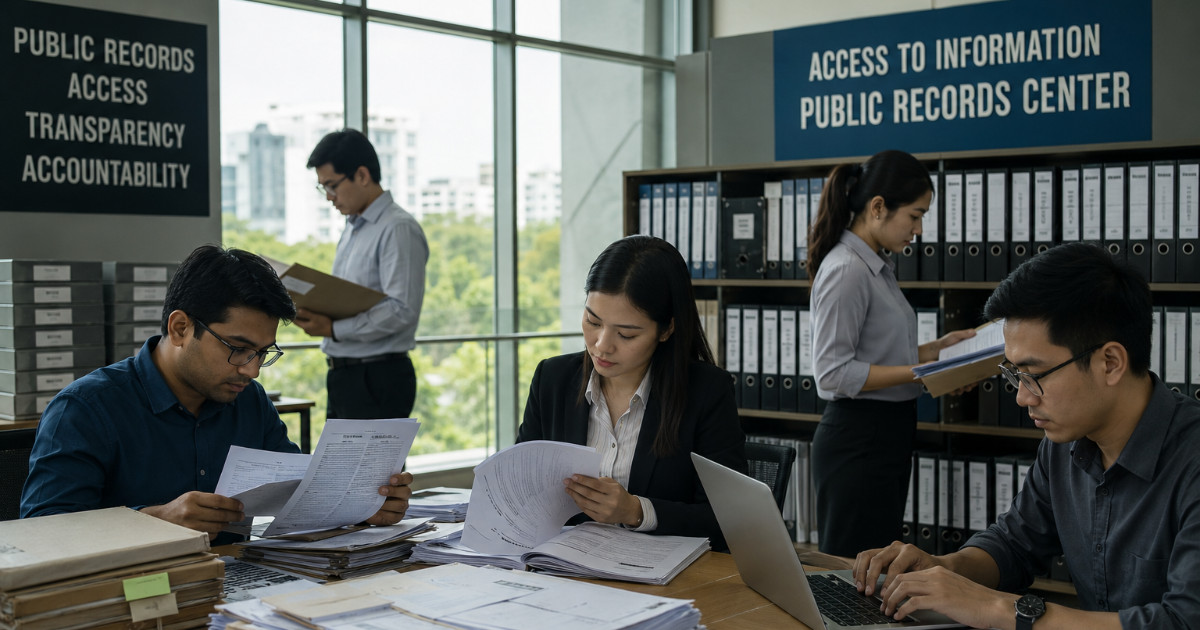
PHOTO: AI-generated; for illustrative purposes only
Key Points
- Apply news values such as timeliness, impact, prominence and relevance
- Withhold material that lacks sufficient newsworthiness
- Avoid publishing items that pose legal, ethical or privacy risks
- Prioritize audience relevance on quiet days
- Uphold accuracy and public interest in editorial decisions
Relevant Topics
Ask AI: Understand this story your way
AI EnabledDig deeper, ask anything — get instant context, background, and clarity.
Disclaimer: This feature is powered by AI and is intended to help readers explore and understand news stories more easily. While we strive for accuracy, AI-generated responses may occasionally be incomplete or reflect limitations in the underlying model. This feature does not represent the editorial views of JournalismPakistan. For our full, verified reporting, please refer to the original article.