
Electronic media get flak for ignoring Mohmand mosque attack
JournalismPakistan.com | Published: 17 September 2016
Join our WhatsApp channel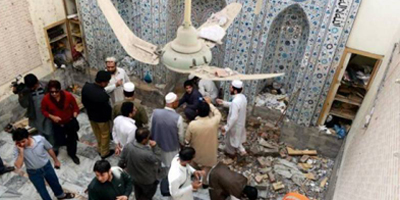
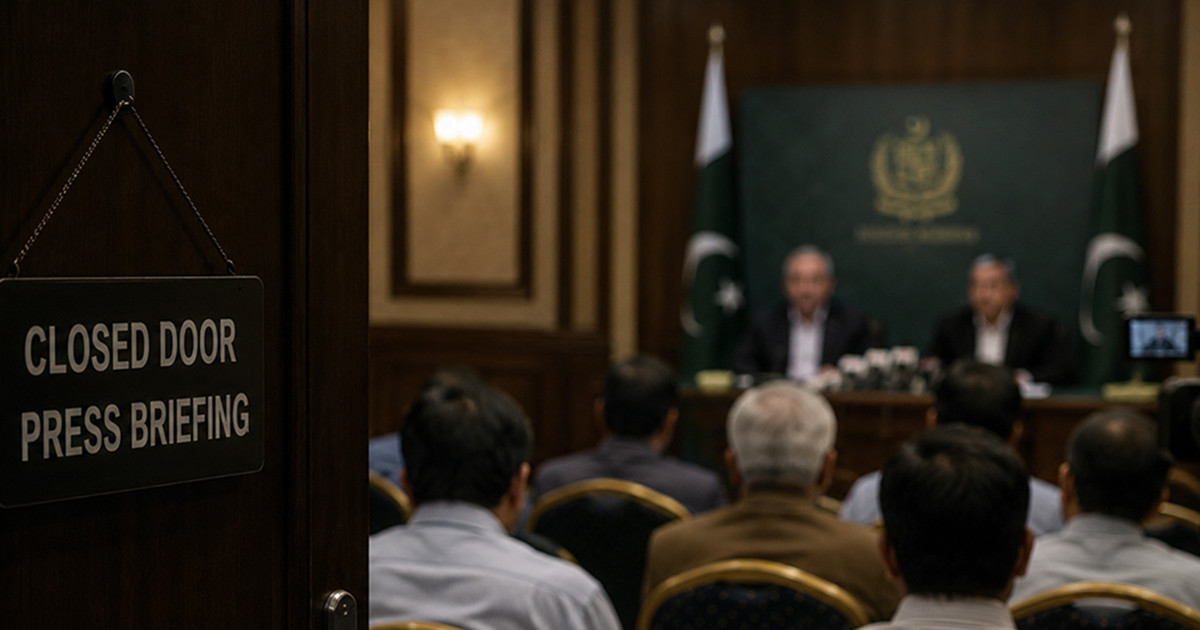
A terrorist attack on a mosque in Mohmand has drawn criticism towards electronic media for its minimal coverage. Rights activists argue that such incidents are routinely overlooked, especially in regions like Fata.Summary
ISLAMABAD - Rights activists have expressed their dismay and disappointment over the electronic media turning a blind eye to the terrorist attack on a mosque in the Mohmand tribal agency. A number of people took to their Twitter handles to condemn the incident and criticize the lackadaisical approach of the federal and provincial administrations.
According to Dawn, one of the tweets read, "Fata is bleeding and news channels are happy to glue themselves to Khwaja Izhar and Rao Anwar...and they call themselves beacon of information." This was a tweet by a lawyer who criticized mainstream media for blacking out Friday's attack in Mohmand, and instead running tickers about the arrest of MQM's leader of opposition in Sindh Assembly Khwaja Izharul Hassan.
Most critics said that the news of at least 30 persons in the terrorist attack should have occupied prime slots in the news channels on Friday. Only two private Pashto television channels gave regular updates and details of the terrorist attack on the Mohmand mosque.
Dawn quoted Bushra Gohar, a rights activist-turned politician, as saying, "Firstly, Pakhtuns don't have a channel of their own to highlight issues of this region. Secondly, Punjab-centric media is controlled and right winged.
They never discuss serious issues like that of conflict in Fata and displacement." Gohar maintained that mainstream electronic media almost always failed to give any coverage to the issues of Fata, Khyber Pakhtunkhwa and Balochistan. Not running any ticker on the blast in the Mohmand Agency seemed to suggest that mainstream electronic media is guilty of selective reporting.
Ijaz Mohmand, a senior lawyer, was quoted, as saying, "all those analysts and security analysts pseudo-intellectuals seem to have no words when it comes to situation of Fata and never speak on the issues that are taking toll on the lives of people in tribal areas." Professor Khadim Hussain , a writer and analyst, tweeted when 22 persons were hit in a mosque during Friday prayers in Mohmand Agency, their screams were yet to reach or be heard by Pakistan's media houses.
He further suggested that areas like Fata are used by Pakistan's rulers for strategic purposes, but by and large were black holes of dehumanisation. These criticisms surfaced even as the authorities imposed a curfew across the Mohmand Agency's Anbar tehsil following Friday's suicide attack on Saturday. After imposing the curfew, security forces launched a search operation in the area.
The political administration also announced a compensation of Rs.300,000 for families of each of the dead and Rs. 100,000 for each of the injured. A suicide bomber targeted the mosque in Mohmand's Pai Khan village during Friday prayers, leaving at least 30 worshipers dead and wounding 30 others. Several children were also among those killed or wounded in the deadly attack.
Jamaatul Ahrar, an offshoot of the banned Tehreek-i-Taliban Pakistan, claimed responsibility for the bombing and said the target were members of pro-government tribal lashkars. According to data from the South Asia Terrorism Portal, 457 civilians and 182 members of the security forces were killed in Pakistan from January 1 to September 11, putting 2016 on course for fewer casualties than 2015. - ANI
Key Points
- At least 30 worshipers dead in the Mohmand mosque attack.
- Electronic media criticized for neglecting coverage of Fata issues.
- Rights activists demand more attention to tribal areas in media.
- Authorities imposed a curfew and initiated a search operation post-attack.
- Jamaatul Ahrar claimed responsibility for the bombing.
Relevant Topics
Ask AI: Understand this story your way
AI EnabledDig deeper, ask anything — get instant context, background, and clarity.
Disclaimer: This feature is powered by AI and is intended to help readers explore and understand news stories more easily. While we strive for accuracy, AI-generated responses may occasionally be incomplete or reflect limitations in the underlying model. This feature does not represent the editorial views of JournalismPakistan. For our full, verified reporting, please refer to the original article.