
Iran imposes nationwide internet blackout amid protests
JournalismPakistan.com | Published: 9 January 2026 | JP Middle East Desk
Join our WhatsApp channel
On Jan. 8 Iran experienced a major internet disruption, with NetBlocks reporting a sharp drop in national connectivity consistent with centralized restrictions. The outage limited social media, messaging services and news sites, hindering reporting.Summary
TEHRAN — Iran experienced a widespread disruption to internet access on January 8 as protests linked to economic hardship spread across multiple cities, according to NetBlocks, an independent internet monitoring organization. The outage affected Tehran and several other regions, sharply reducing connectivity at a time of heightened public demonstrations and political sensitivity.
The disruption limited access to social media platforms, messaging services, and news websites, making it difficult for residents to communicate with one another and with audiences outside the country. NetBlocks said its real-time network data showed a significant drop in national connectivity consistent with centralized restrictions rather than technical failure.
Impact on journalism and information flow
For journalists, both inside Iran and among the diaspora, the blackout complicated efforts to confirm events on the ground and publish timely reporting. Reporters were forced to rely on intermittent phone calls, delayed eyewitness accounts, and previously downloaded material, slowing verification and increasing the risk of misinformation circulating without context.
Media rights organizations have long documented the Iranian authorities’ use of internet controls during periods of unrest. Temporary shutdowns, throttling, and platform blocks have been repeatedly employed to limit the spread of protest footage and to disrupt coordination among demonstrators, according to public reports by digital rights monitors.
Context of protests and state controls
The January 8 disruptions came amid renewed protests driven by economic pressures, including inflation and cost-of-living concerns, issues that have fueled recurring demonstrations in recent years. While the government has not publicly detailed the scope or duration of the restrictions, officials have previously defended connectivity limits as necessary for maintaining public order.
Analysts note that internet shutdowns also affect businesses, emergency communications, and ordinary civic life, extending the impact beyond protest activity. The lack of reliable access complicates independent assessment of crowd sizes, security responses, and any resulting arrests or injuries.
Broader implications for press freedom
Press freedom advocates warn that repeated use of nationwide or regional shutdowns undermines transparency and accountability by preventing real-time scrutiny. In the absence of open networks, journalists face greater risks and delays in documenting events, while audiences inside and outside Iran receive a fragmented picture shaped by official statements and limited verified reporting.
ATTRIBUTION: Reporting based on publicly available network data from NetBlocks and analysis from international media freedom organizations.
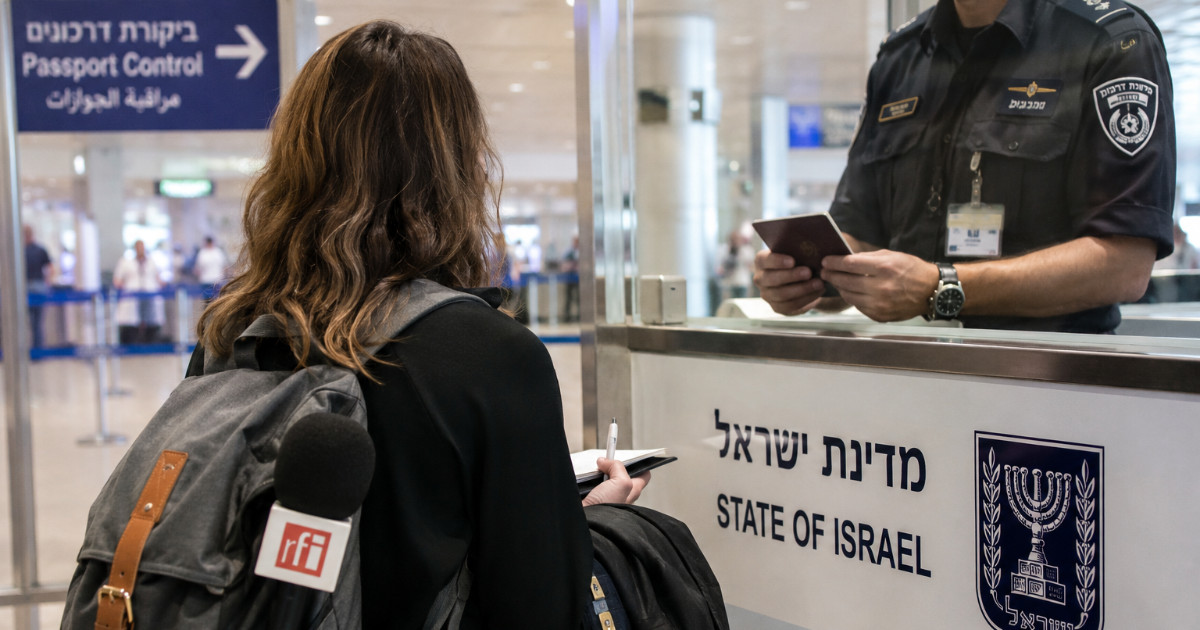
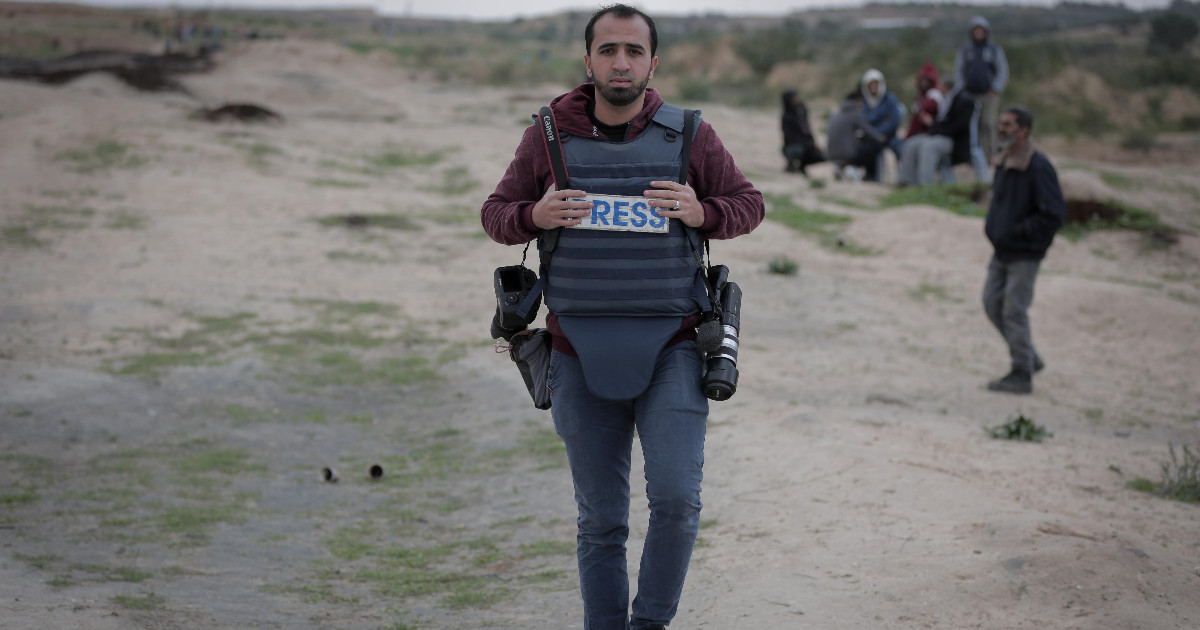
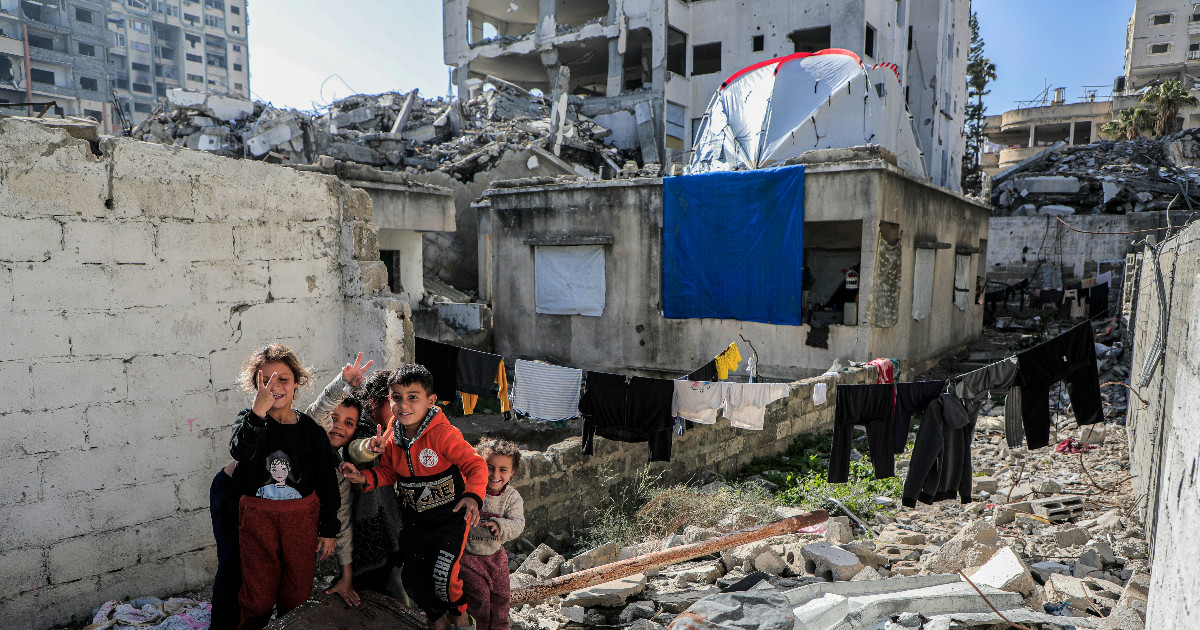
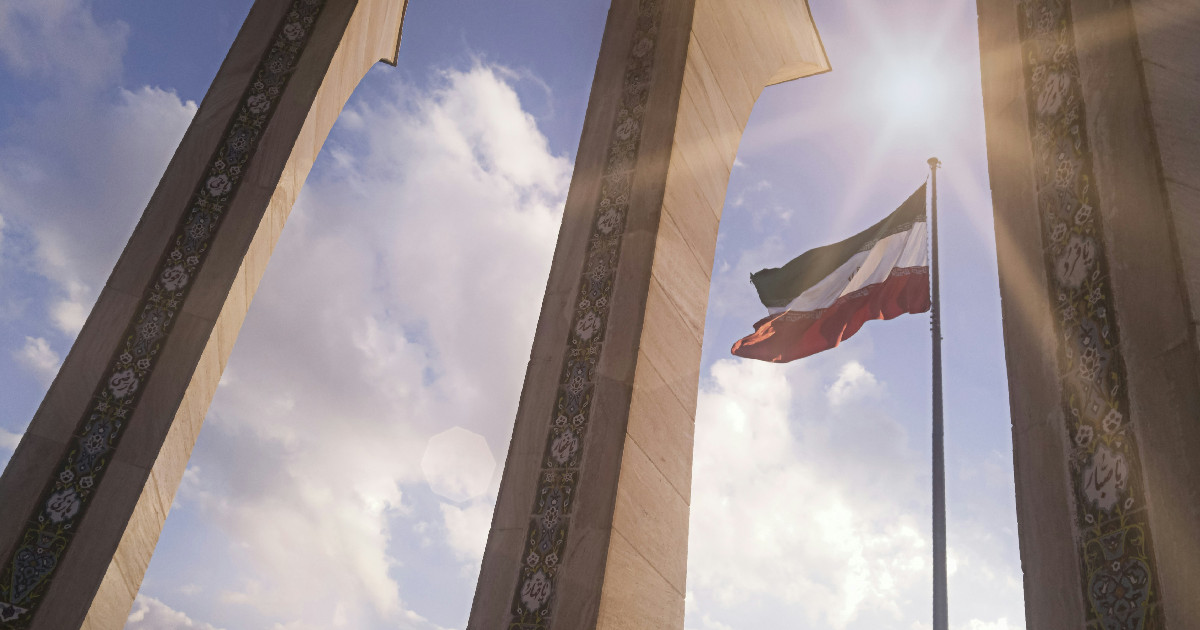
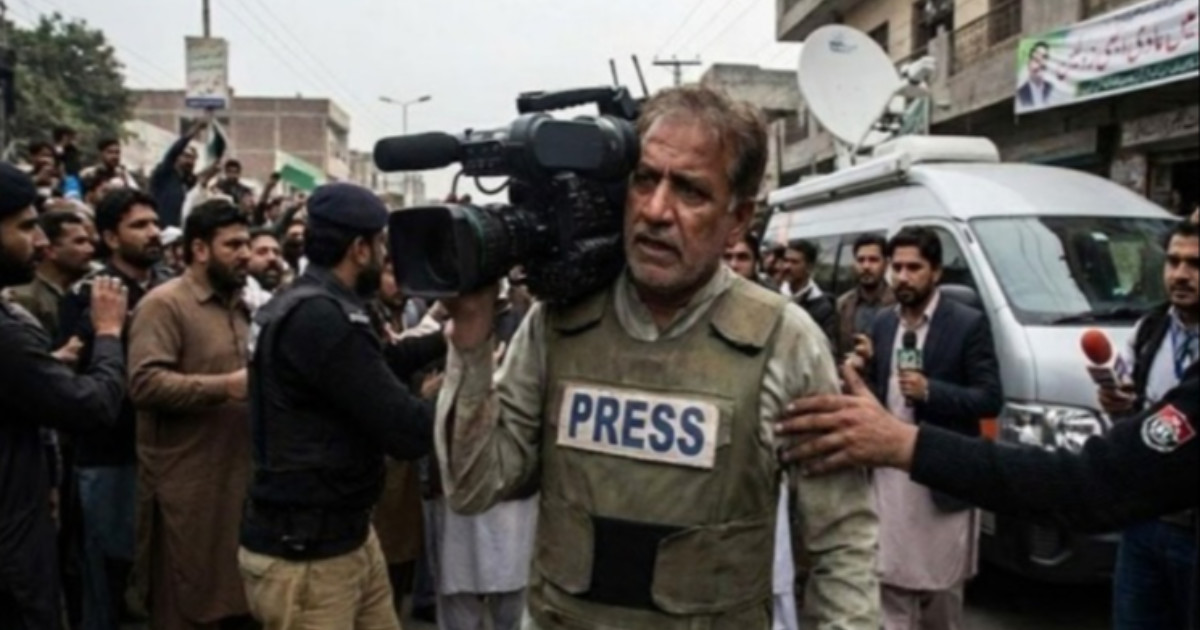
PHOTO: AI-generated; for illustrative purposes only.
Key Points
- Widespread internet disruption on Jan. 8 reduced national connectivity, affecting Tehran and multiple regions.
- NetBlocks data indicated a sharp, centralized drop consistent with deliberate restrictions rather than technical faults.
- Access to social media, messaging services and news websites was limited, impeding communication inside and outside Iran.
- Blackout hindered journalists' ability to verify and report events, increasing reliance on delayed eyewitness accounts and downloads.
- Authorities have repeatedly used shutdowns, throttling and platform blocks during unrest, digital rights groups say.
Relevant Topics
Ask AI: Understand this story your way
AI EnabledDig deeper, ask anything — get instant context, background, and clarity.
Disclaimer: This feature is powered by AI and is intended to help readers explore and understand news stories more easily. While we strive for accuracy, AI-generated responses may occasionally be incomplete or reflect limitations in the underlying model. This feature does not represent the editorial views of JournalismPakistan. For our full, verified reporting, please refer to the original article.