
New York Times lawsuit advances as Pentagon press access faces scrutiny
JournalismPakistan.com | Published: 8 January 2026 | JP Global Monitoring Desk
Join our WhatsApp channel
The New York Times sued the Pentagon over press credential rules, alleging First Amendment violations and asking for a swift ruling without extended discovery. Oral arguments are set for March 6 before Judge Paul Friedman as scrutiny of military press access grows.Summary
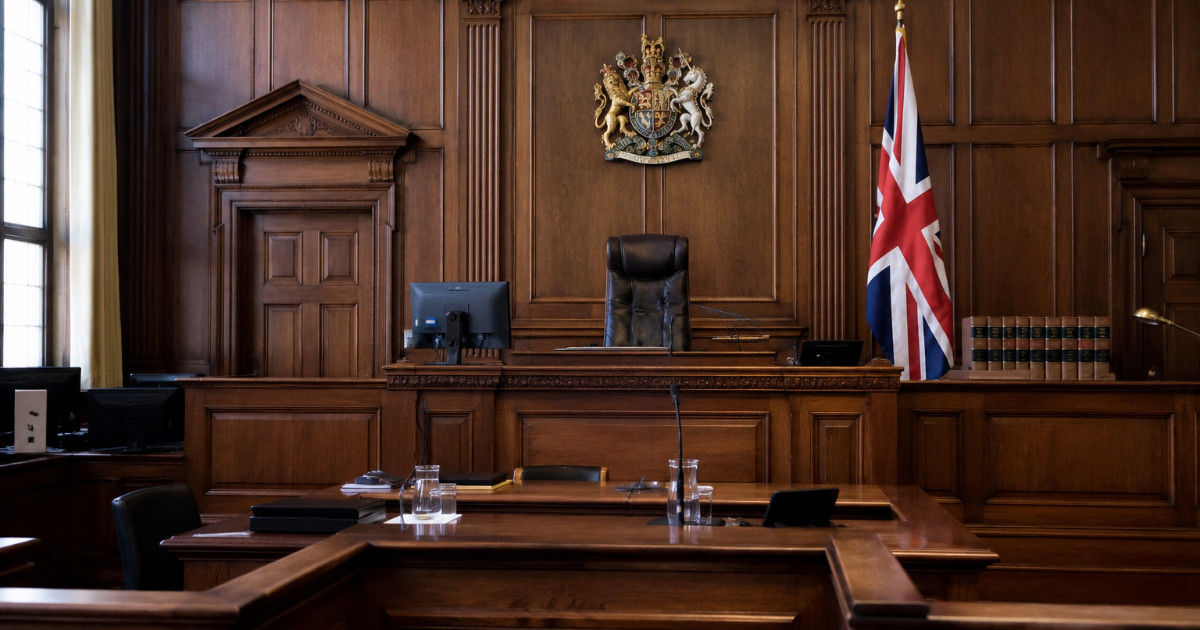
WASHINGTON DC — The legal battle between The New York Times and the Pentagon over controversial press credentialing rules is moving quickly toward a March court hearing amid broader scrutiny of Pentagon press access and media coverage practices. The Times filed its lawsuit in December, alleging that Department of Defense reporting restrictions violate the constitutional rights of journalists, and this week urged a federal court to rule in its favor without a prolonged discovery process. The case is set for oral argumentson March 6 before Judge Paul Friedman in the U.S. District Court.
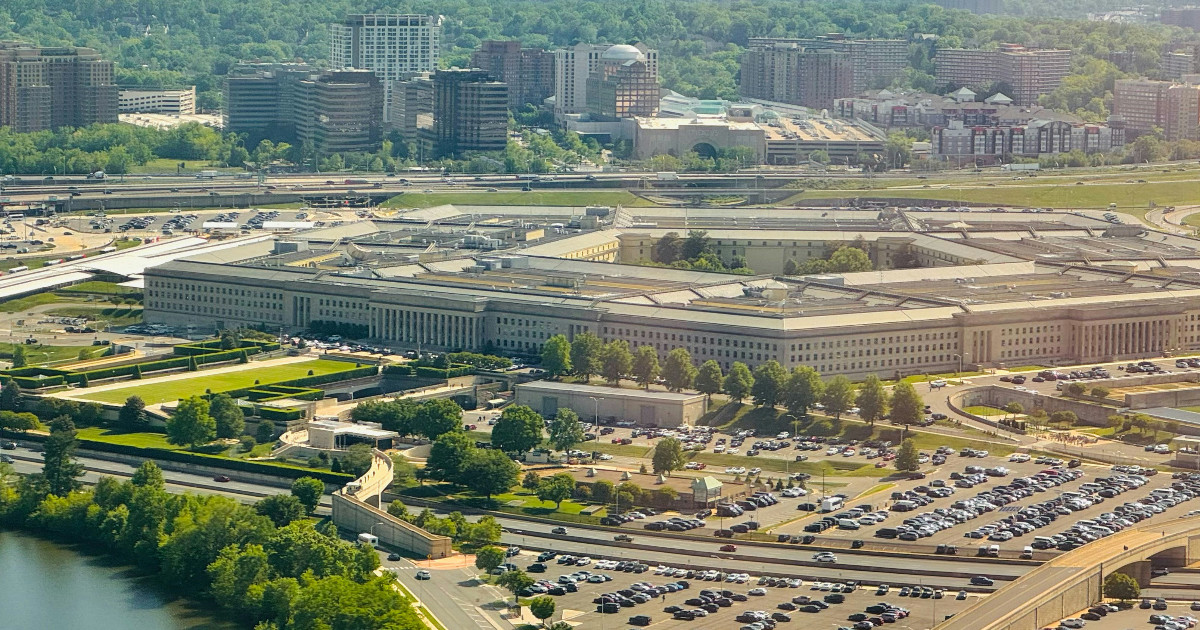
Pentagon press officials have defended the restrictions as necessary to protect operational security, maintaining that accredited reporters can still publish independent reporting even if they cover the Pentagon from outside the building. Mainstream outlets that rejected the new rules in October continue to report on defense matters without credentials inside the Pentagon.
The New York Times pushes lawsuit toward early ruling
In filings this week, The New York Times legal team argued the restrictive policy infringes on the First Amendment by limiting reporters’ ability to seek and report information not approved in advance by the Defense Department. The Times said the constitutional issues are clear and do not require time‑consuming discovery. If successful, the lawsuit could reshape how the Pentagon and other government agencies regulate press access.
New developments in Pentagon press coverage continue to draw critical attention. Coverage of the U.S. military’s recent operation in Venezuela has highlighted gaps in reporting by the new credentialed press corps, many of whom are independent or ideologically driven commentators and influencers rather than traditional journalists. Critics say this shift has led to less investigative coverage and more partisan commentary.
Mainstream outlets continue independent coverage outside the Pentagon
Major mainstream outlets, including CNN, Fox News, The Washington Post, and others, refused to sign the new press rules when they were introduced in October and subsequently lost in‑building credentials. These organisations continue to cover defense news from outside the Pentagon, emphasising their commitment to independent reporting even without on-site access.
The Pentagon’s new press policy drew widespread condemnation from journalists, press freedom groups, and media organisations when first announced, with critics calling it an unprecedented restriction on free press and transparency in reporting on national security matters.
ATTRIBUTION: Reporting for this story was compiled from credible news organizations, including Reuters, The New York Times, The Washington Post, and The Washington Examiner.
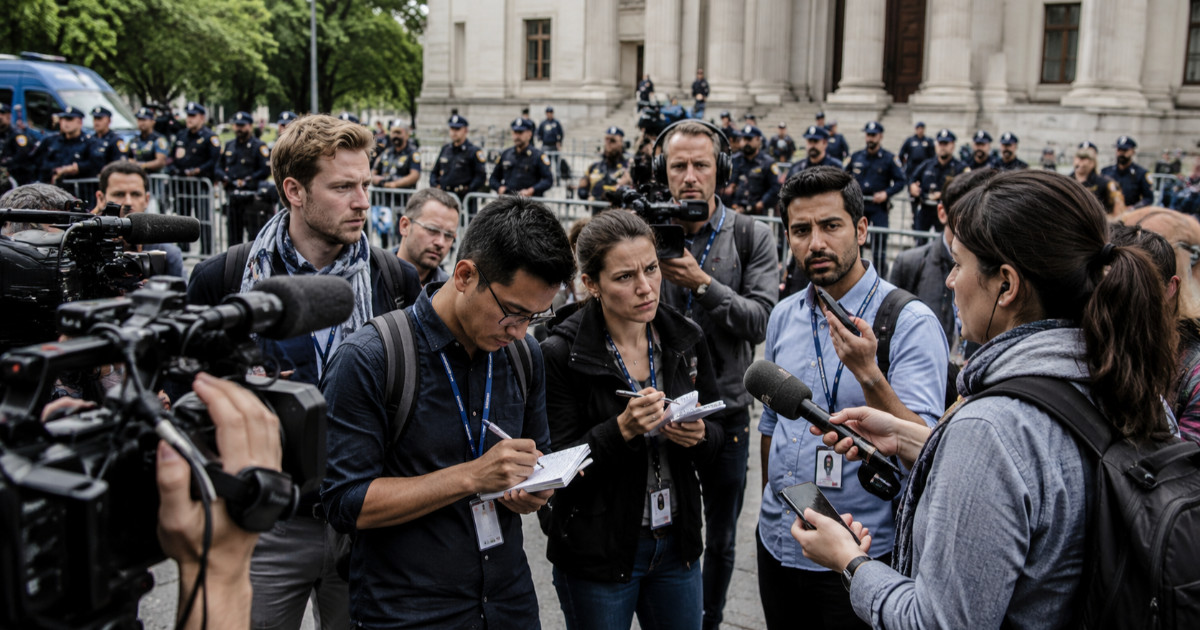
PHOTO: AI‑generated; for illustrative purposes only.
Key Points
- The New York Times filed a December lawsuit claiming Department of Defense credential rules violate the First Amendment.
- The paper urged a prompt ruling and opposed prolonged discovery, saying constitutional issues are clear.
- Oral arguments are scheduled for March 6 before U.S. District Judge Paul Friedman.
- Pentagon officials defend the restrictions as necessary for operational security and allow reporting from outside the building.
- Mainstream outlets continue defense coverage without Pentagon credentials; a ruling could reshape government press access rules.
Ask AI: Understand this story your way
AI EnabledDig deeper, ask anything — get instant context, background, and clarity.
Disclaimer: This feature is powered by AI and is intended to help readers explore and understand news stories more easily. While we strive for accuracy, AI-generated responses may occasionally be incomplete or reflect limitations in the underlying model. This feature does not represent the editorial views of JournalismPakistan. For our full, verified reporting, please refer to the original article.