.png)
Attacks on the Press: Journalists caught between terrorists and governments
JournalismPakistan.com | Published: 27 April 2015
Join our WhatsApp channel
The latest global assessment by the Committee to Protect Journalists highlights the increasing threats faced by journalists. It reveals a perilous landscape where they are targeted by both militant groups and oppressive governments.Summary
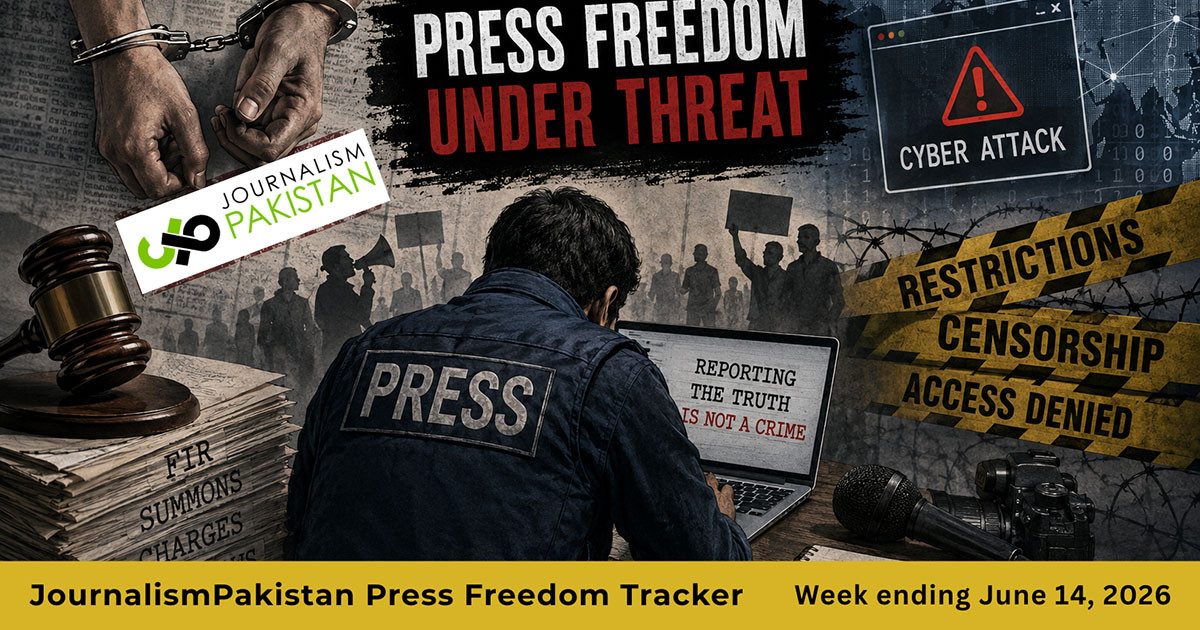
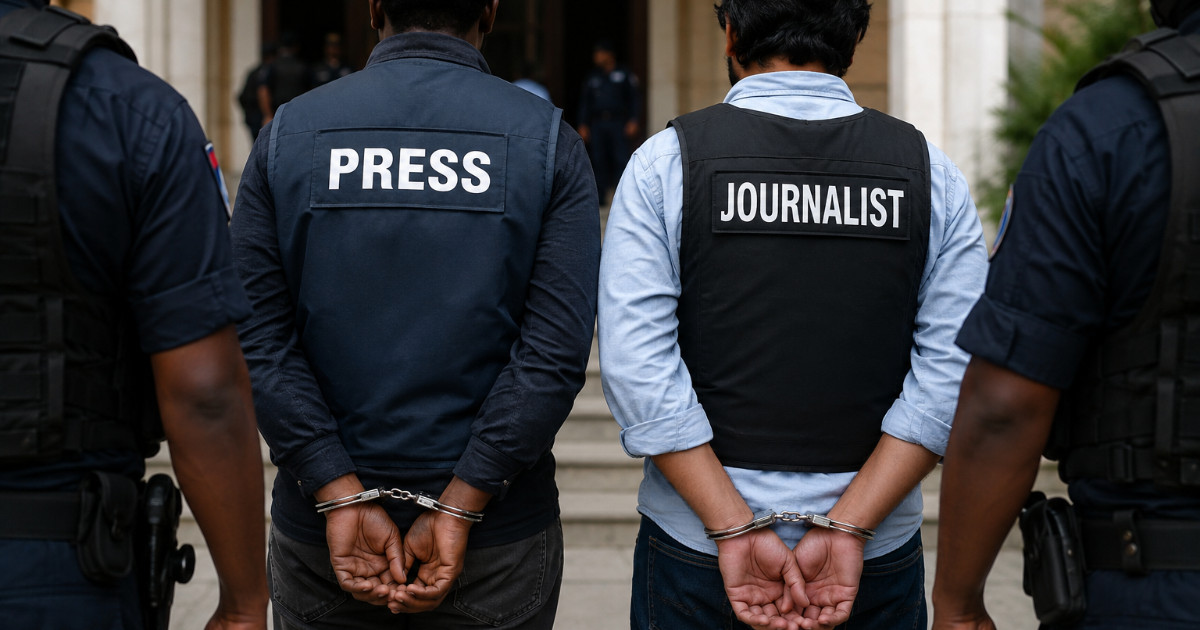
NEW YORK: Terrorist groups and the governments who purport to fight them have made recent years the most dangerous period to be a journalist, the Committee to Protect Journalists found in its annual global assessment of press freedom, Attacks on the Press, released on. Some journalists are kidnapped or killed by militant groups while others are surveiled, censored, or imprisoned by governments seeking to respond to that threat, real or perceived.
Attacks on the Press is a collection of essays by regional experts and CPJ staff that examines the array of challenges journalists face. The 2015 edition features a foreword by CNN chief international correspondent Christiane Amanpour, a member of CPJ's board of directors.
“Journalists are being caught in a terror dynamic, in which they are threatened by non-state actors who target them and governments that restrict civil liberties including press freedom in the name of fighting terror,” said Joel Simon, CPJ’s executive director. “Attacks on the Press surveys this new landscape, providing insights into the myriad threats — from surveillance and self-censorship to violence and imprisonment — that make this the most deadly and dangerous period for journalists in recent history.”
Non-state actors, including criminal organizations and violent political groups, pose a significant threat to journalists as well as a challenge to press freedom advocates and news organizations. In places like Mexico and Paraguay, trafficking organizations are the primary threat. One essay examines how in 2014 journalists became props in propaganda films, reflecting a global trend in the documentation of violence by the perpetrators. Another essay looks at how journalists cope with continuous risks to their well-being.
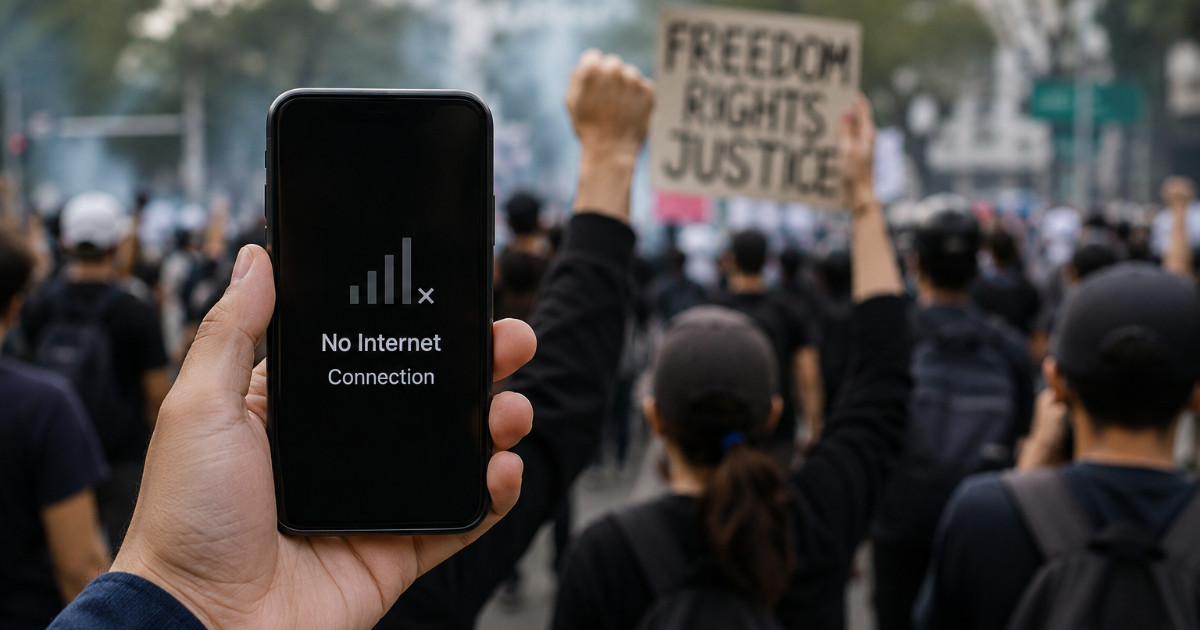
Further essays examine how governments abuse anti-terror and national security laws to silence criticism. Ethiopia, one of the world’s worst jailers of journalists, has charged most of the journalists behind bars with promoting terrorism. Egypt under President Abdel-Fattah el-Sisi uses a similar technique; the country recently sentenced three reporters to life in prison because of alleged connections to the Muslim Brotherhood. In fact, across the Middle East, the Internet is treated as an enemy, as leaders are all too aware of its power in galvanizing anti-government movements.
The combination of threats poses an array of safety concerns for journalists. Conflict in Syria has reshaped the rules for covering conflict, as Janine di Giovanni writes. Many of those covering Syria are in fact covering their first war. Freelancers make up an increasing percentage of journalists killed for their work, leading CPJ and a coalition of press freedom organizations and media outlets to advocate for better global standards for protecting them and the local journalists on whom they rely.
The book is rounded out by essays on the different forms of censorship — wielded by governments and non-state actors — in Hong Kong, India, Libya, Russia, South Africa, Turkey, Ukraine, and West Africa during the Ebola epidemic.
Attacks on the Press was first published in 1986. The 2015 print edition is published by Bloomberg Press, an imprint of Wiley, and is available for purchase.
Key Points
- Journalists face threats from both terrorists and governments.
- The report details increased violence and censorship against journalists.
- Freelancers represent a growing number of journalists killed in conflict.
- Countries like Ethiopia and Egypt impose severe penalties on journalists.
- The 2015 edition of Attacks on the Press includes several essays examining these dangers.
Relevant Topics
Ask AI: Understand this story your way
AI EnabledDig deeper, ask anything — get instant context, background, and clarity.
Disclaimer: This feature is powered by AI and is intended to help readers explore and understand news stories more easily. While we strive for accuracy, AI-generated responses may occasionally be incomplete or reflect limitations in the underlying model. This feature does not represent the editorial views of JournalismPakistan. For our full, verified reporting, please refer to the original article.