
What rights do journalists have when media houses close?
JournalismPakistan.com | Published: 4 November 2026 | JP Special Report
Join our WhatsApp channel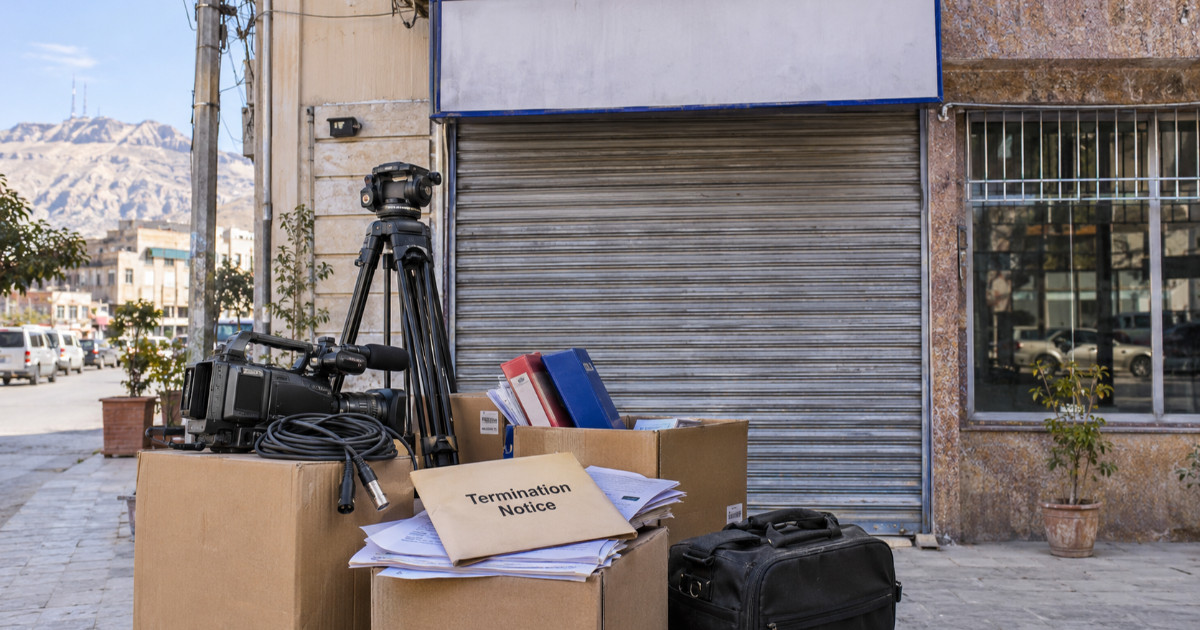
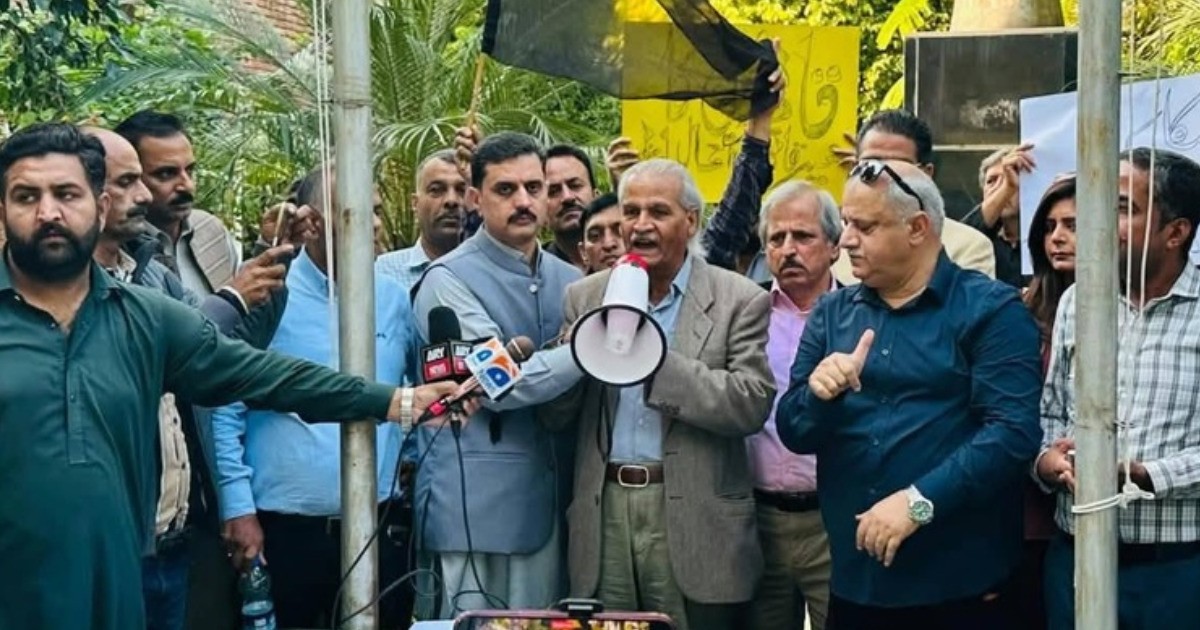
PFUJ protests on Nov 3, 2026 highlighted layoffs, delayed pay and bureau closures; unions claimed nearly ten channels closed bureaus and about 150 journalists lost jobs. Legal protections vary by employment status, media sector and applicable laws.Summary
ISLAMABAD — When a television channel shuts down a bureau, a newspaper reduces its workforce, or a media organization stops paying salaries, what happens to the journalists who depend on those jobs? Pakistan's labor laws provide certain protections against arbitrary dismissal, but the rights available to individual journalists depend on their employment status, the nature of the organization, and the law governing their workplace.
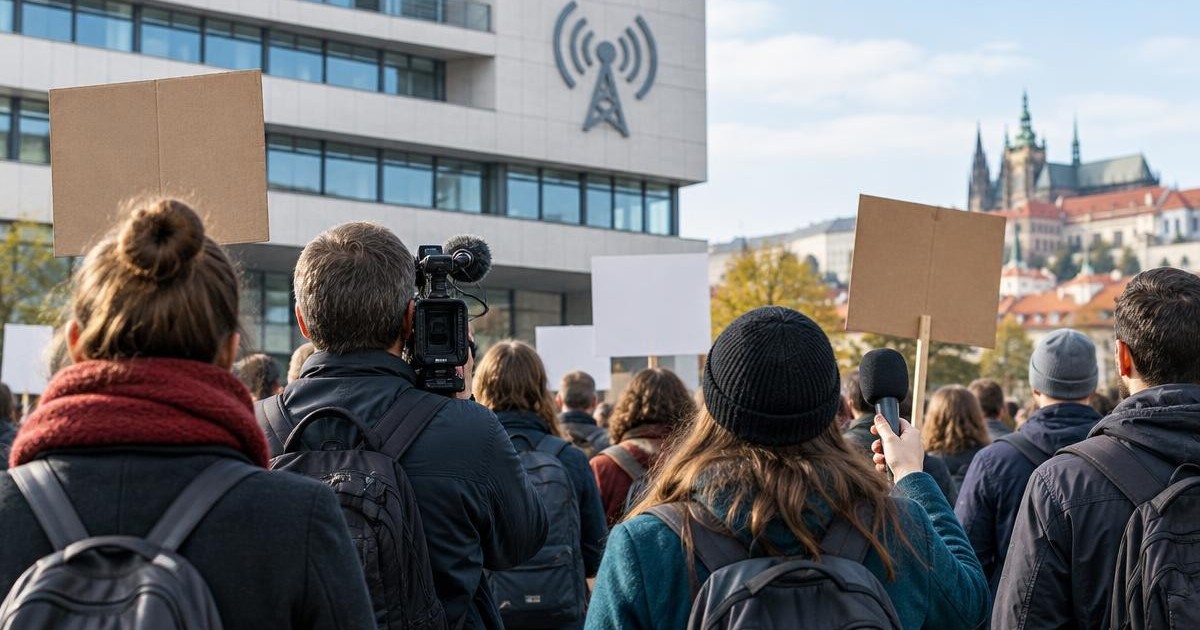
The question has gained urgency following nationwide protests by journalists on November 3, 2026. The Pakistan Federal Union of Journalists (PFUJ) and its affiliated unions protested forced layoffs, delayed salaries and the closure of television bureaus, particularly in Balochistan. As JournalismPakistan reported on November 4, union representatives in Quetta said nearly 10 news channels had closed provincial bureaus, leaving approximately 150 journalists and media workers unemployed. These figures are union claims rather than independently established totals.
What legal protections do journalists have?
Pakistan does not have one employment law that applies identically to every journalist working in newspapers, television, radio, digital media or news agencies.
Employees of qualifying newspaper establishments have specific protections under the Newspaper Employees (Conditions of Service) Act, 1973. The law addresses written employment terms, termination, working hours, leave, provident funds and wage determination.
The position of television journalists, producers, camera operators and other broadcast employees can differ. Depending on their employment arrangements and the applicable legal definitions, they may be covered by general labor legislation, provincial standing orders, employment contracts or other relevant laws.
Following the devolution of labor matters to the provinces, employment protections also vary according to jurisdiction. Sindh, for example, has its own Terms of Employment (Standing Orders) Act, 2015, enacted in 2016. Other jurisdictions have their own applicable legislative frameworks.
This distinction matters because a protection available to an employee of a newspaper establishment cannot automatically be assumed to apply in precisely the same way to a television reporter or a freelance correspondent.
Can a media employer dismiss journalists without notice?
For qualifying newspaper employees, Section 4 of the Newspaper Employees (Conditions of Service) Act, 1973 requires a written notice of termination supported by good cause.
The statutory notice period depends on continuous service:
- One month for employees who have completed at least three months but less than two years.
- Two months for employees with at least two years but less than three years of service.
- Three months for employees with three years or more of service.
Where an appointment order provides a longer notice period, that longer period applies. The law also permits termination through payment of wages instead of the required notice.
Other employment laws may provide different arrangements. Under the general standing-orders framework, qualifying permanent workers are ordinarily entitled to one month's notice or wages in lieu when their employment ends for reasons other than misconduct.
Sindh's standing-orders legislation similarly provides for one month's notice or wages in lieu for qualifying permanent workers. It also requires a written termination order stating the reason for dismissal.
These requirements are not interchangeable. A journalist must first establish which statute applies before determining the notice period and related entitlements.
What happens when a television bureau closes?
Closing a regional bureau does not necessarily mean that the media organization itself has ceased operating.
A television channel may discontinue its Quetta office, for example, while continuing its broadcasts and operations from Karachi, Lahore or Islamabad. The legal consequences depend on whether employees are transferred, retrenched, dismissed or retained under alternative arrangements.
Where applicable, standing-orders legislation governs the employment relationship; procedures relating to retrenchment, termination and closure may become relevant. Some laws also impose additional requirements when an entire establishment closes, or large numbers of workers are dismissed.
However, closing a regional bureau cannot automatically be treated as the legal closure of the entire establishment. Whether statutory closure provisions apply depends on the facts and the relevant jurisdiction.
Media employers may argue that declining advertising revenue, increased operating costs or changes in audience behavior make regional operations financially unsustainable. These can be legitimate business considerations.
But economic difficulties do not, by themselves, eliminate obligations concerning earned wages, required notice, applicable benefits or lawful termination procedures.
The important distinction is between an employer's business decision to discontinue an operation and its legal responsibilities toward affected employees.
Are journalists entitled to unpaid salaries and other benefits?
An employee's right to wages already earned does not ordinarily disappear because the employer is experiencing financial difficulties or closing an office.
Relevant payment-of-wages legislation provides mechanisms for dealing with delayed or unlawfully withheld wages. The applicable law and forum depend on the province, the establishment and the worker's legal status.
Journalists may also have claims involving earned leave, notice pay, gratuity, provident fund contributions or contractual benefits. These entitlements must be assessed individually rather than presumed to apply to every media employee.
For example, Sindh's standing-orders legislation requires qualifying workers' earned wages and other specified dues to be paid within two working days after termination. It also provides for gratuity in specified circumstances, subject to the law's conditions and exceptions.
For newspaper employees covered by the 1973 Act, provident fund provisions and Wage Board decisions are particularly relevant.
A distinction must also be made between unpaid wages and compensation for dismissal. A journalist may be entitled to recover an outstanding salary even where the termination itself was lawful. Conversely, an employee challenging dismissal may have claims beyond outstanding monthly wages.
Can dismissed journalists challenge their employers?
Yes, where the applicable law provides a remedy, and the journalist meets the relevant eligibility requirements.
Depending on the circumstances, the available routes may include labor authorities, labor courts, industrial relations mechanisms or other appropriate legal proceedings.
A journalist may challenge a dismissal on grounds such as failure to follow statutory procedures, nonpayment of required benefits, breach of contract or an allegedly unlawful termination.
However, not every journalist falls within the definition of a worker under every labor statute. Some managerial employees, independent contractors, and freelancers may face different legal procedures or restrictions.
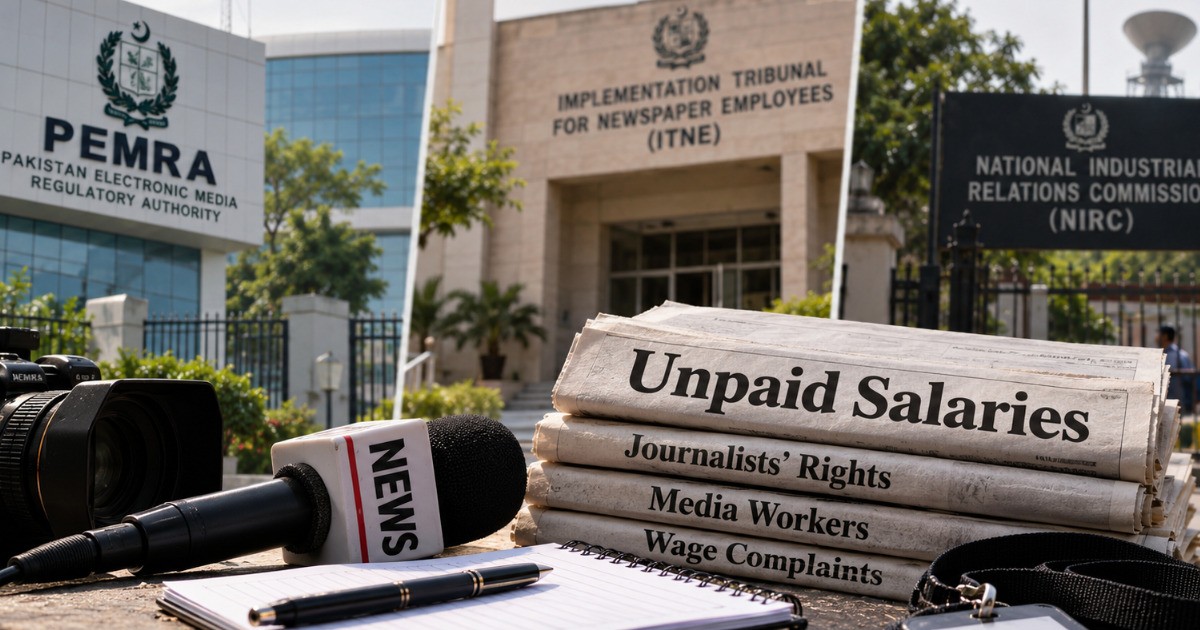
The National Industrial Relations Commission and provincial labor forums perform different functions under their respective laws. Jurisdiction depends on factors that can include the nature of the employer, the workplace, and the applicable industrial relations legislation.
For newspaper employees, a separate institution also exists: the Implementation Tribunal for Newspaper Employees (ITNE).
Established under the Newspaper Employees (Conditions of Service) Act, 1973, the tribunal is responsible for implementing applicable Wage Board Awards. It is not a general-purpose court for every employment dispute involving a journalist, nor does its jurisdiction automatically extend to all television and digital media workers.
The Ministry of Information and Broadcasting's published figures showed 622 cases pending before the tribunal as of January 15, 2026. The figure illustrates the continuing importance of wage enforcement, although it should not be interpreted as a count of journalists dismissed from employment.
What about journalists working without appointment letters?
The absence of a written appointment letter can make it harder to establish the terms of employment, but it does not automatically establish that a journalist has no legal rights.
Depending on the applicable law, the actual working relationship may be important in determining whether an employer-employee relationship exists.
Salary transfers, payment vouchers, staff identification cards, correspondence assigning duties, attendance records and other employment-related material may help establish the nature and duration of service.
For qualifying newspaper employees, Section 3 of the 1973 Act requires employers to provide written orders setting out employment terms at appointment, transfer or promotion.
Nevertheless, journalists working as freelancers, stringers or correspondents paid per assignment may not qualify for the same protections as regular employees.
Their rights may depend more heavily on contractual arrangements and whether the facts establish an employment relationship rather than independent service provision.
This is particularly significant in smaller cities, where some journalists work for national media organizations without permanent employment contracts.
Why do regional bureau closures matter beyond job losses?
The consequences of closing a regional news bureau extend beyond the employees directly affected.
Regional correspondents often provide the first accounts of political developments, local government decisions, public protests, natural disasters, and issues affecting communities far from major media centers.
When a bureau closes, a media organization may continue reporting through occasional assignments or centralized coverage. But the loss of permanent local reporting capacity can reduce the frequency and depth of coverage.
Balochistan illustrates the concern. The province's geography, distances between population centers and difficult reporting conditions already create challenges for journalists.
Reduced newsroom staffing can increase dependence on official statements, remote reporting and information supplied by parties with direct interests in a story.
It does not follow that every bureau closure produces weaker journalism. Organizations may adopt different operational models and maintain reliable local coverage. The important question is whether sufficient reporting capacity remains to verify information independently and represent communities accurately.
How does economic insecurity affect editorial independence?
Editorial independence is commonly discussed in connection with political interference, censorship, and pressure from advertisers. Employment insecurity creates another potential source of influence.
A journalist who fears losing a job, being denied a salary, or being excluded from future assignments may become more reluctant to challenge influential individuals, question management decisions or pursue difficult investigations.
This pressure does not necessarily require an explicit instruction from an editor or employer.
It can operate through self-censorship, where journalists avoid stories they believe could threaten their professional or financial security.
The relationship is not automatic. Job insecurity does not mean that financially vulnerable journalists lack professional integrity, and secure employment alone cannot guarantee independent reporting.
Nevertheless, predictable wages, transparent employment terms and fair dismissal procedures can help reduce the financial pressures that may interfere with editorial judgment.
This makes employment conditions a legitimate subject of press freedom analysis, rather than merely an internal dispute between workers and media owners.
What responsibilities do media owners have?
Media organizations operate in a competitive commercial environment. Owners and management must make decisions about staffing, operating costs, technology, and long-term financial sustainability.
There is no general legal requirement that every privately-owned media outlet maintain a particular regional bureau indefinitely.
However, media employers remain responsible for complying with applicable employment laws and contractual obligations.
These responsibilities can include providing required employment documentation, paying earned wages, observing statutory notice periods, following lawful dismissal procedures, and settling benefits owed to qualifying workers.
Where financial pressures require restructuring, transparent communication can also reduce uncertainty and disputes.
Employee representatives have called for greater scrutiny of organizations that cite financial losses while dismissing workers. The PFUJ raised this issue during the November 3 protests and demanded audits of media houses relying on financial difficulties to justify layoffs.
Those demands should be distinguished from existing legal obligations. A union's call for financial audits does not establish that every media organization undertaking layoffs is legally required to undergo one.
The competing interests are genuine: employers need flexibility to manage financially troubled businesses, while employees are entitled to protections established by law.
What should journalists do when facing dismissal?
Journalists who are told that their employment is ending should first establish the precise terms of their employment and the legal basis for termination.
A written termination order, where required, is important because it records the employer's stated reason and the effective date of dismissal.
Employees should also preserve employment-related records, including appointment letters, contracts, salary statements, bank transfers, unpaid wage calculations and communications concerning their dismissal.
Where a dispute arises, journalists can seek guidance from their union, a qualified labor lawyer or the relevant labor authority to identify the correct forum and any applicable filing deadline.
This should be done promptly. Employment grievances can be subject to procedural requirements and statutory time limits that vary between jurisdictions.
Journalists should also distinguish between negotiations over a settlement and the formal legal steps needed to preserve their claims.
Why this matters
The November 3 protests have brought renewed attention to an often-overlooked dimension of press freedom: the financial security of the people producing journalism. When journalists lose jobs, remain unpaid or work without clear employment protections, the consequences can reach beyond individual newsrooms. Protecting lawful employment rights helps sustain the conditions in which independent, accountable reporting can operate.
Key takeaways
- Journalists' employment rights differ according to the law, their employment status, and the type of media organization.
- Qualifying newspaper employees have specific notice and employment protections under the Newspaper Employees (Conditions of Service) Act, 1973.
- Bureau closures do not automatically extinguish obligations to pay earned salaries or other legally required dues.
- Dismissed journalists may have legal remedies, but eligibility, jurisdiction, and filing deadlines vary.
- Economic insecurity can weaken newsroom independence and reduce sustained reporting from underserved regions.
ATTRIBUTION: Reporting by JournalismPakistan, drawing on its November 4, 2026 coverage of nationwide journalist protests, the Newspaper Employees (Conditions of Service) Act, 1973, provincial employment legislation, Ministry of Information and Broadcasting records, and reporting by Dawn and other news organizations.
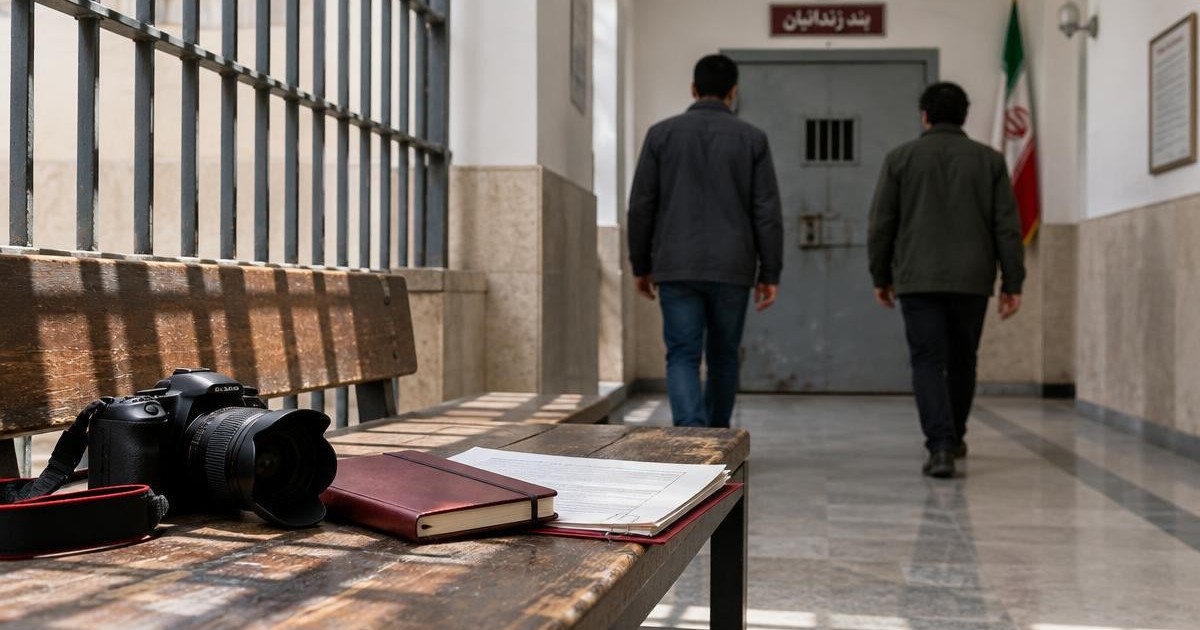
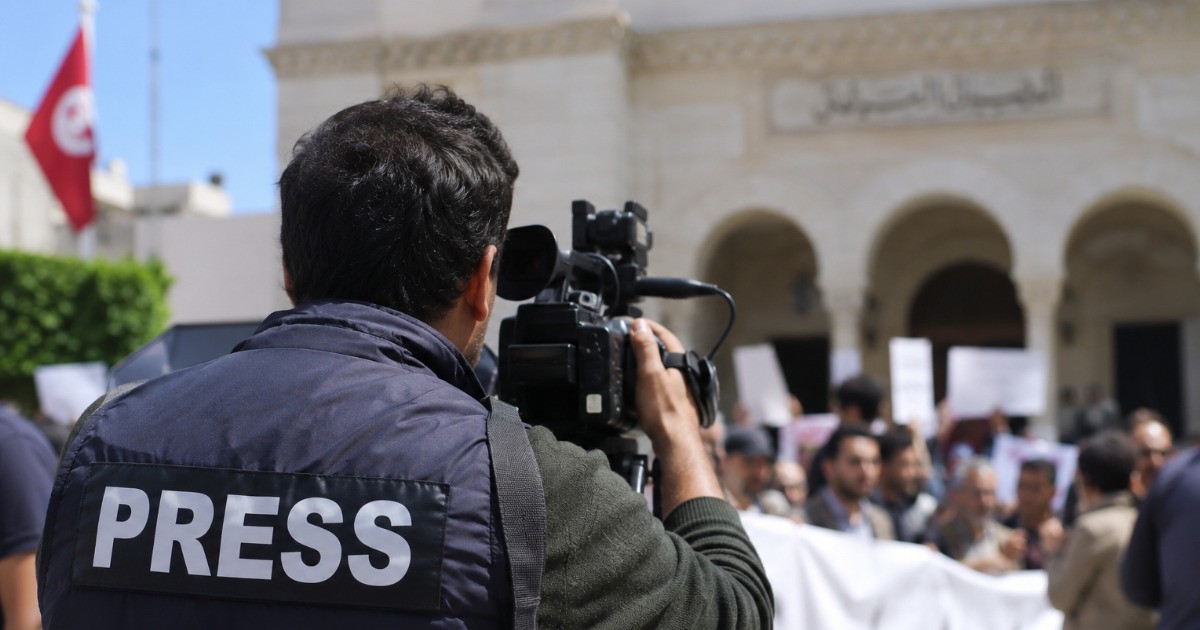
PHOTO: AI-generated; for illustrative purposes only.
Key Points
- Legal protections for journalists in Pakistan differ by employment status and the media sector.
- Newspaper staff may be covered by the Newspaper Employees (Conditions of Service) Act, 1973.
- Broadcast employees, freelancers and agency staff follow different rules depending on contracts and applicable labour law.
- PFUJ-led protests on Nov 3, 2026 highlighted forced layoffs, delayed pay and provincial bureau closures.
- Unions report nearly ten provincial bureaus closed and about 150 journalists affected, with remedies depending on workplace law and contracts.
Key Questions & Answers
What legal protections exist for journalists when media houses close?
Protections depend on employment status and the workplace law; newspaper employees may have specific safeguards under the Newspaper Employees (Conditions of Service) Act, while others rely on general labour laws and contracts.
Does the Newspaper Employees Act cover television staff?
No. The Newspaper Employees (Conditions of Service) Act specifically applies to qualifying newspaper establishments; television and broadcast staff may be governed by different rules or general labour law.
What steps can a laid-off journalist take?
Affected journalists should review their employment contract, seek union assistance, file labour complaints where applicable and pursue statutory remedies such as wage claims or termination disputes under relevant laws.
Do freelancers and contractors have the same rights as salaried staff?
Freelancers and contractors typically have fewer protections and rely primarily on contract terms; their remedies depend on the contract and any applicable commercial or labour regulations.
Relevant Topics
Ask AI: Understand this story your way
AI EnabledDig deeper, ask anything — get instant context, background, and clarity.
Disclaimer: This feature is powered by AI and is intended to help readers explore and understand news stories more easily. While we strive for accuracy, AI-generated responses may occasionally be incomplete or reflect limitations in the underlying model. This feature does not represent the editorial views of JournalismPakistan. For our full, verified reporting, please refer to the original article.