
Iran protest crackdown raises alarms for press freedom
JournalismPakistan.com | Published: 9 January 2026 | JP Middle East Desk
Join our WhatsApp channel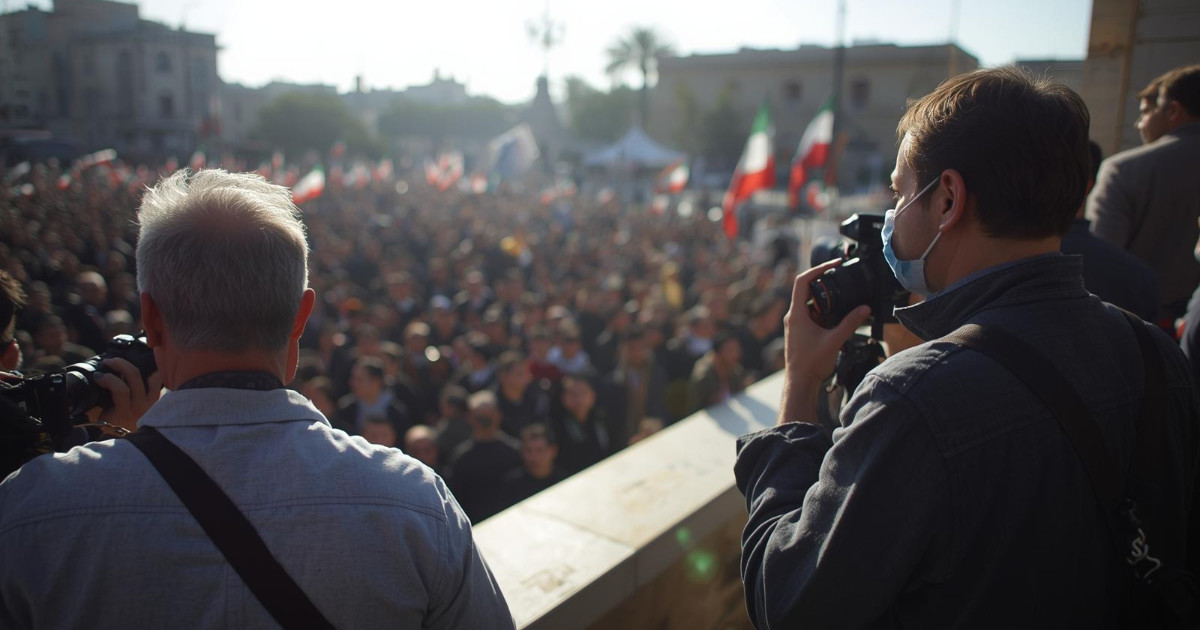
Human rights groups say Iran has stepped up crackdown on protests with arrests, prosecutions and reported use of lethal force. Media analysts say the response brings tighter controls on reporting, internet disruptions and greater pressure on journalists.Summary
TEHRAN — Human rights organizations say Iranian authorities have intensified a crackdown on protests in recent weeks, deploying force to disperse demonstrators and detain participants in multiple cities. The reports describe a security response that includes arrests, prosecutions, and, in some cases, the use of lethal force against civilians.
While the immediate focus of these accounts is the impact on protesters, media analysts note that such crackdowns in Iran have historically been accompanied by heightened pressure on journalists and severe restrictions on information flows. Periods of unrest often coincide with tighter controls on reporting, expanded surveillance, and a narrowing of space for independent coverage.
Pressure on journalists during periods of unrest
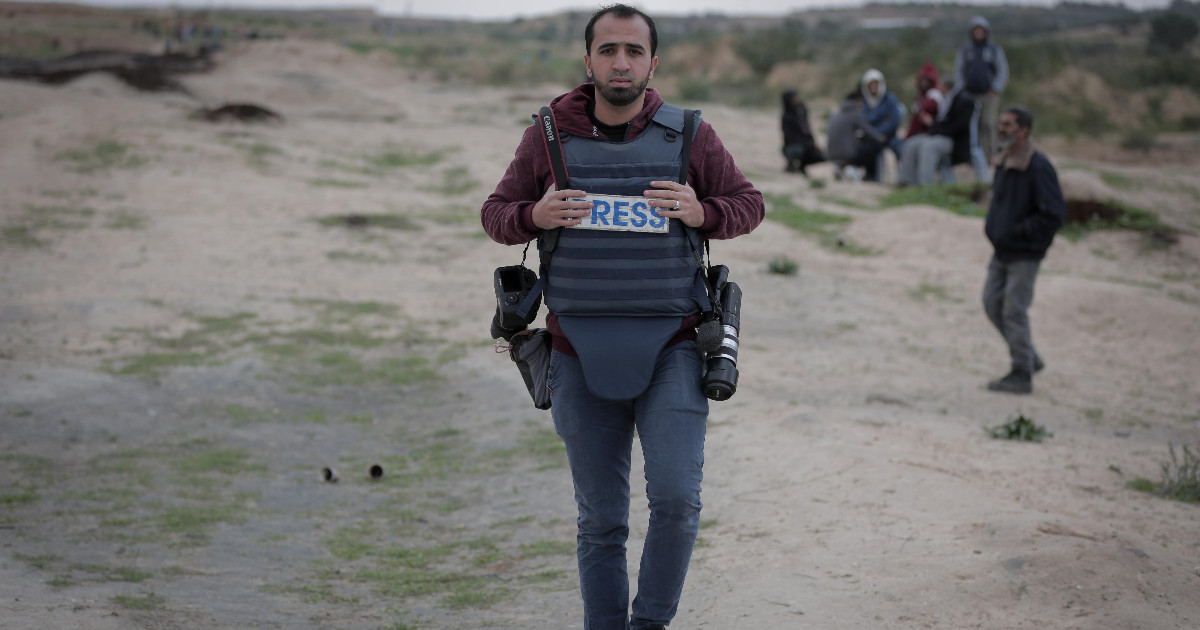
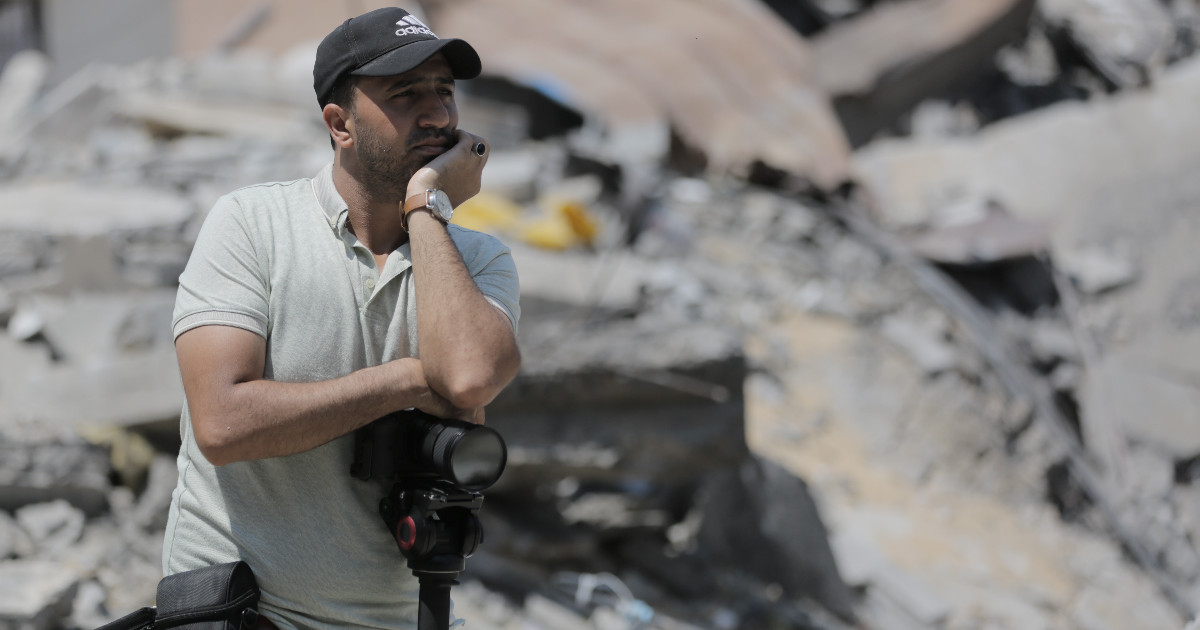
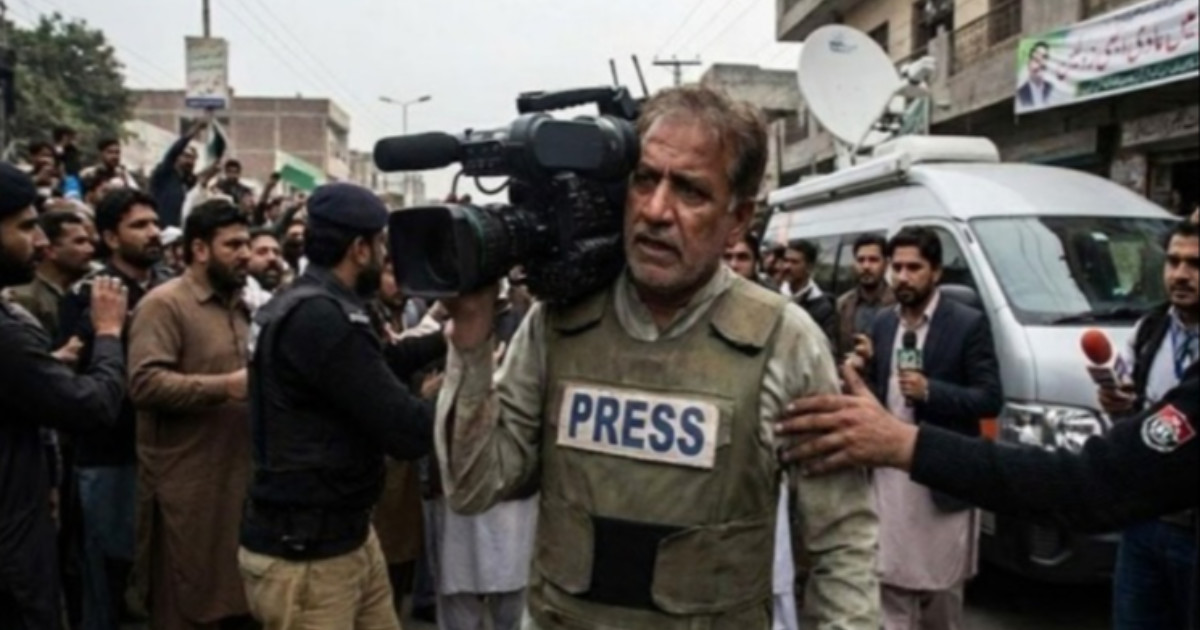
Iranian journalists have long operated under restrictive laws governing national security, public order, and state institutions. During protest waves, reporters and editors face increased risks, including summonses by security agencies, temporary detention, and warnings against publishing material deemed sympathetic to demonstrators. These measures are documented by international press freedom monitors as contributing to widespread self-censorship.
Human rights groups have also reported disruptions to internet access and social media platforms during times of unrest, limiting both public communication and journalists’ ability to verify events on the ground. Such controls make independent reporting more difficult and increase reliance on official statements, reducing transparency for domestic and international audiences.
Information controls and regional implications
The current reports underscore a broader pattern in which information management is treated as a core element of security policy. Analysts say this approach not only affects domestic media but also shapes how events in Iran are understood across the region, as neighboring countries and international outlets struggle to obtain verified, first-hand accounts.
For media professionals, the situation highlights the need to distinguish between confirmed reporting and analysis when covering Iran. Verifying claims, protecting sources, and clearly labeling context or commentary remain essential, particularly when access constraints prevent on-the-ground reporting.
ATTRIBUTION: Based on reports and assessments by Amnesty International, Human Rights Watch, the United Nations, and international press freedom organizations.
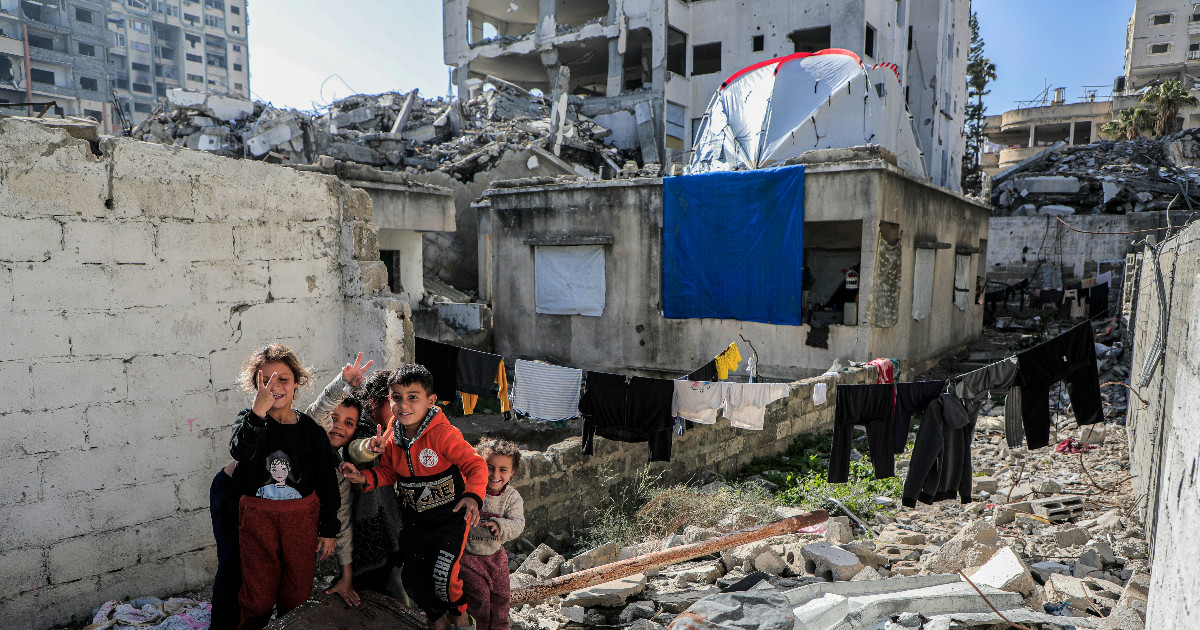
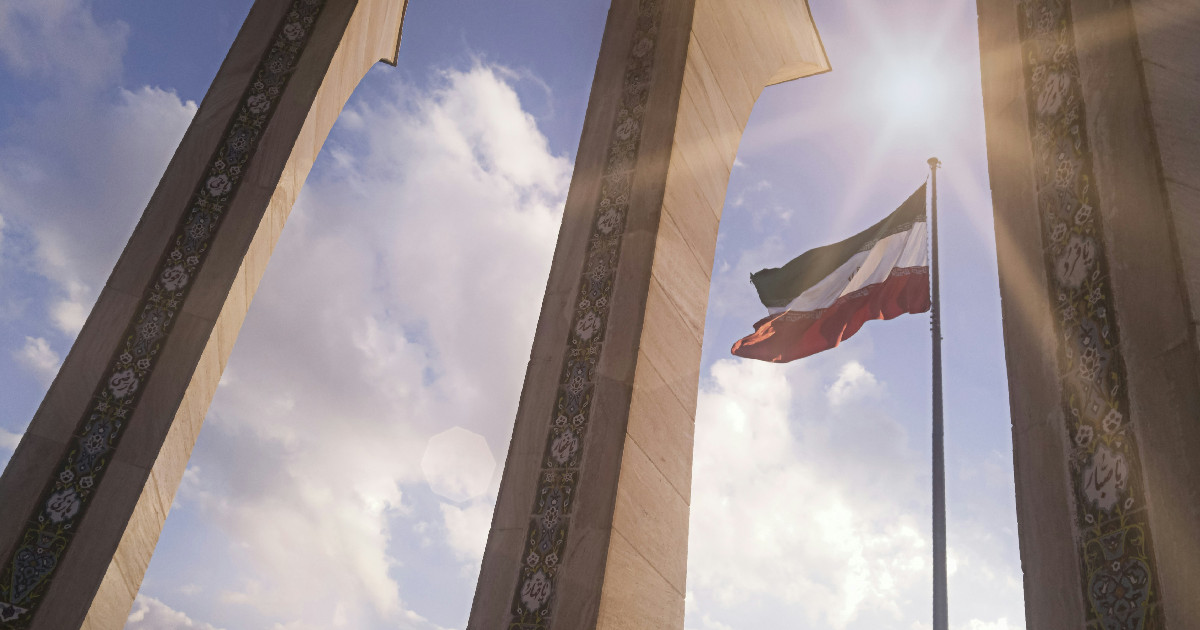
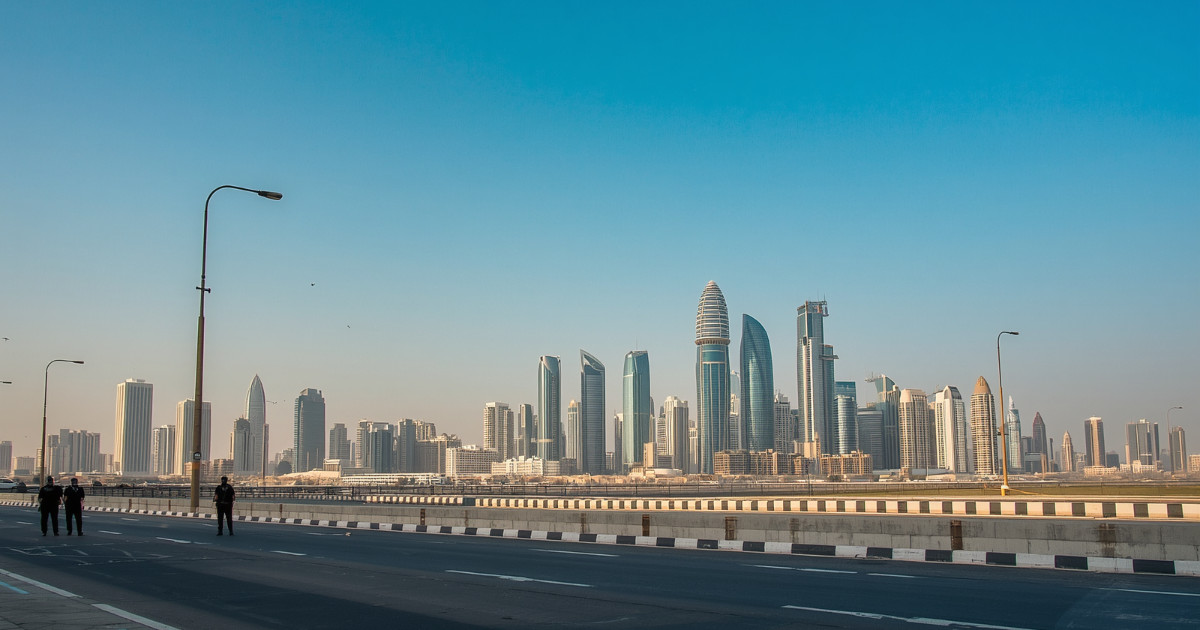
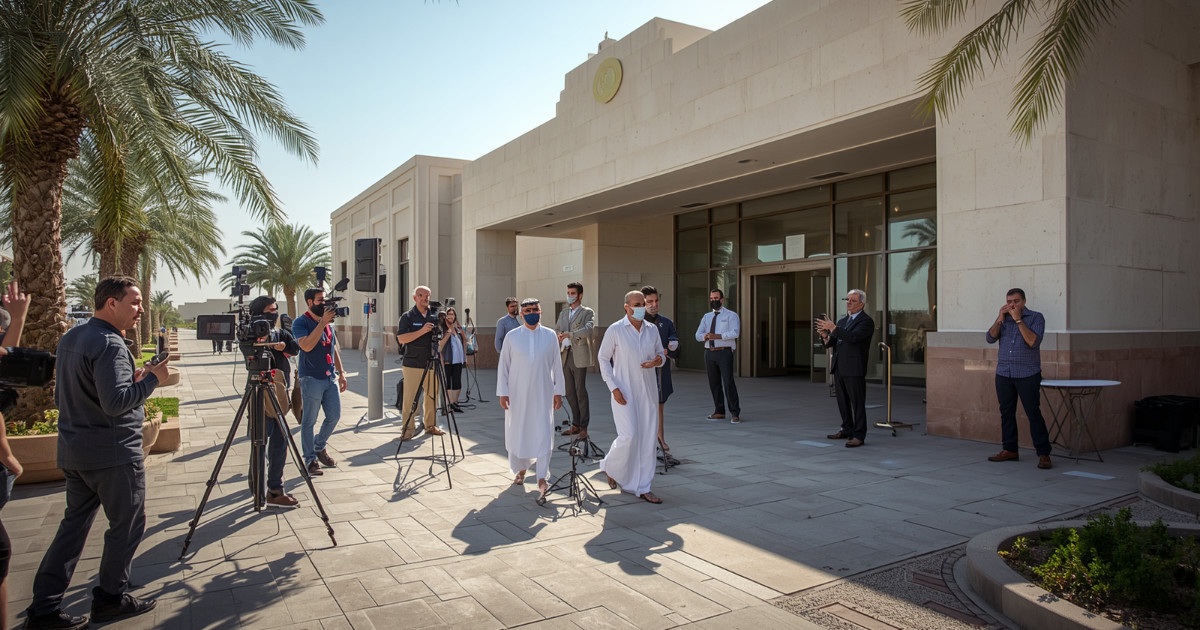
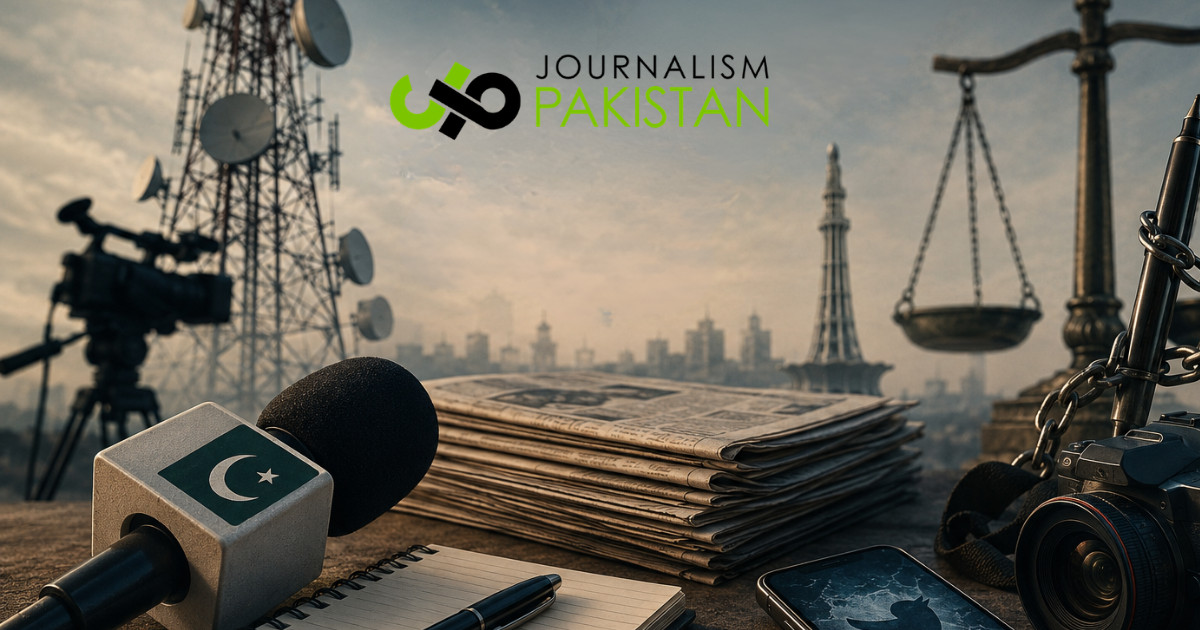
PHOTO: AI-generated; for illustrative purposes only
Key Points
- Authorities have intensified crackdowns on protests, including arrests and prosecutions.
- Reports indicate some use of lethal force against civilians during dispersals.
- Journalists face increased risks: summonses, detention, surveillance and self-censorship.
- Internet and social media disruptions hinder verification and independent reporting.
- Greater reliance on official statements reduces transparency for domestic and international audiences.
Relevant Topics
Ask AI: Understand this story your way
AI EnabledDig deeper, ask anything — get instant context, background, and clarity.
Disclaimer: This feature is powered by AI and is intended to help readers explore and understand news stories more easily. While we strive for accuracy, AI-generated responses may occasionally be incomplete or reflect limitations in the underlying model. This feature does not represent the editorial views of JournalismPakistan. For our full, verified reporting, please refer to the original article.