
Venezuela amnesty bill may free journalists and political prisoners
JournalismPakistan.com | Published: 31 January 2026 | JP Global Monitoring
Join our WhatsApp channel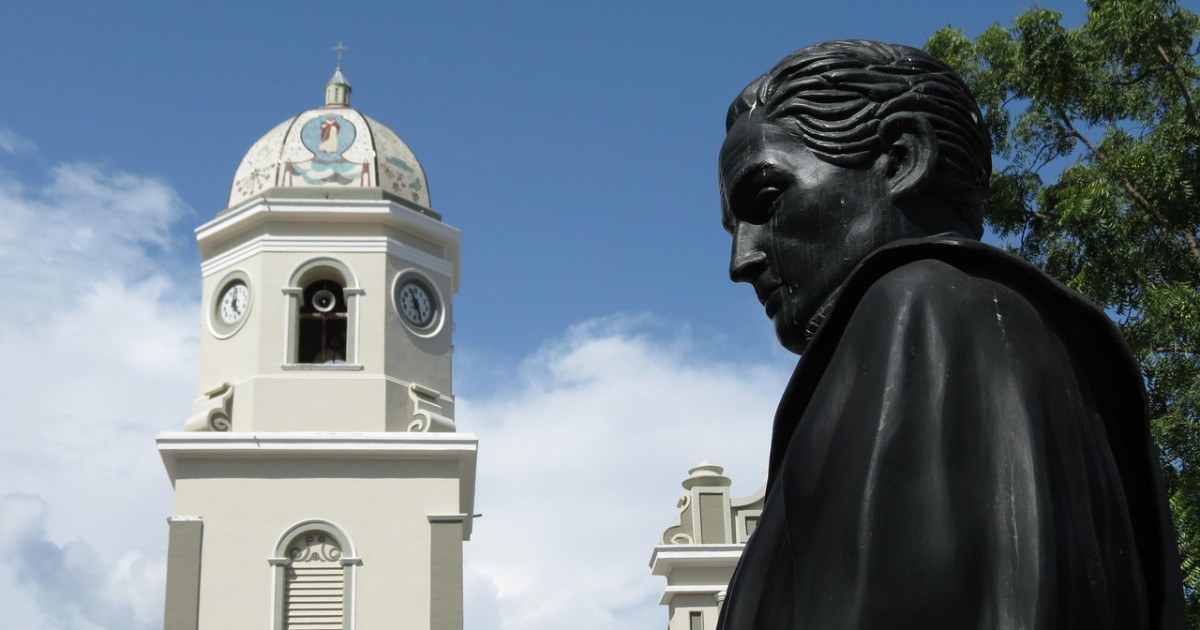
Venezuela's acting president unveiled an amnesty bill covering political offenses since 1999 that could free hundreds, including opposition figures, journalists and activists. The government has not released the full text, prompting transparency concerns.Summary
CARACAS, Venezuela — Venezuela’s acting president Delcy Rodríguez announced a sweeping amnesty bill on January 30 that could lead to the release of hundreds of political prisoners, including opposition leaders, journalists, and human rights activists detained for political reasons. The National Assembly, controlled by Rodríguez’s ruling party, is expected to take up the measure with urgency, but the government has not published the full text of the bill, leaving eligibility criteria unclear.
Details and concerns over the amnesty law
Rodríguez said the proposed law would cover political offences from 1999 to the present, but exclude individuals convicted of murder, drug trafficking, corruption, or human rights violations. The announcement was made alongside plans to close the notorious Helicoide prison in Caracas, a facility long associated with human rights abuses, and to convert it into a community centre.
Relatives of some detainees gathered outside prisons following the announcement, with many expressing hope that their loved ones could soon be freed, though human rights groups have warned that the pace of releases so far has been slow. Foro Penal, a Venezuelan prisoner rights organization, estimates there are still more than 700 political prisoners in detention, even as releases continue incrementally.
International and domestic reactions
Opposition figures and human rights organizations have welcomed the move in principle, but criticized the lack of transparency and the continued detention of many prisoners under ambiguous charges. Some opposition leaders have said the amnesty appears driven by external pressure, particularly from the United States, and have called for more comprehensive judicial reforms to ensure genuine accountability and justice.
WHY THIS MATTERS: This development matters to Pakistani journalists and media organizations because it highlights global trends in political incarceration and the role of legal reforms in protecting press freedom. Coverage of amnesty processes and human rights issues can inform reporting approaches on justice, accountability, and governance in contexts where journalists face legal or political threats. It also underscores the importance of transparent legal criteria and international standards for monitoring the treatment of detained media workers.
ATTRIBUTION: This story is based on reporting from the Associated Press, Reuters, and other verified news organizations.
PHOTO: By Michele Onorato from Pixabay
Key Points
- Acting president Delcy Rodríguez announced an amnesty bill covering political offences from 1999 to the present.
- Bill reportedly excludes those convicted of murder, drug trafficking, corruption or human rights violations.
- The government has not published the full text, leaving eligibility criteria unclear and raising transparency concerns.
- Announcement includes plans to close the Helicoide prison in Caracas and convert it into a community centre.
- Foro Penal estimates more than 700 political prisoners remain; human rights groups say releases have been slow.
Relevant Topics
Ask AI: Understand this story your way
AI EnabledDig deeper, ask anything — get instant context, background, and clarity.
Disclaimer: This feature is powered by AI and is intended to help readers explore and understand news stories more easily. While we strive for accuracy, AI-generated responses may occasionally be incomplete or reflect limitations in the underlying model. This feature does not represent the editorial views of JournalismPakistan. For our full, verified reporting, please refer to the original article.