.png)
African journalist leaders adopt AI and decent work plan
JournalismPakistan.com | Published: 5 November 2026 | JP Global Monitoring
Join our WhatsApp channel
African journalist leaders adopted a continental action plan linking responsible AI with decent work and media freedom at a Federation of African Journalists dialogue in Addis Ababa. The plan is intended to guide advocacy, not impose national rules.Summary
ADDIS ABABA — African journalist leaders have adopted a continental action plan linking responsible use of artificial intelligence with decent work and media freedom, following a Federation of African Journalists dialogue in Ethiopia’s capital.
The plan was agreed at the close of the October 24–25, 2026 meeting, RASE Media reported. Gender Lens Africa reported the development on November 3, saying the initiative brings together concerns about technology, employment and the conditions needed for quality journalism.
AI oversight and newsroom jobs
Participants identified potential uses for AI in research, translation and verification, while warning that automated tools can also produce fabricated material, impersonate trusted sources and spread misleading information quickly. They called for human judgment and editorial oversight when newsrooms use such tools.
Employment was a central part of the discussion. Participants raised concerns that automation and cost-cutting could compound low or delayed salaries, insecure jobs, a lack of written contracts and weak social protection. RASE Media reported that they also considered collective bargaining and digital organizing as ways to strengthen journalists’ voice at work.
Survey points to insecure work
The dialogue drew on a Federation of African Journalists survey of 1,586 journalists in 45 African countries. The International Federation of Journalists reported on October 29 that the African federation launched the survey report in Addis Ababa on October 25, with support from a UNESCO program.
Among respondents, 61% said their journalism income did not meet basic living needs, while 4% said their salaries adequately covered essential costs. The survey also found that 58% reported delayed salaries, 62% worked without written contracts and 71% lacked social protection.
The figures describe the journalists who responded, not a statistically representative measure of every country or journalist on the continent, Gender Lens Africa cautioned. They nevertheless provided a basis for the meeting’s discussion of pay and employment insecurity.
The survey also asked about pressures affecting reporting. According to the international federation, 65% of respondents said they had experienced work-related threats or intimidation in the preceding three years. It reported that 84% said they practiced self-censorship frequently or occasionally, and 69% said threats had led them to avoid certain stories.
Threats and the next stage
Seventy-six percent of respondents said women journalists faced additional risks, including harassment, unequal pay and exclusion from leadership. RASE Media reported that the dialogue also considered violence, legal harassment and digital safety, including harassment targeting women journalists.
FAJ President Omar Faruk Osman linked responsible AI, employment conditions and media freedom, arguing that technology should support journalists and complement human judgment rather than deepen insecurity. Journalist leaders were joined at the meeting by representatives of the African Union Commission, UNESCO, the International Labour Organization and the European Union.
Gender Lens Africa reported that the FAJ and its affiliates intend to advance the plan through their networks and engagement with the African Union, regional economic communities, UN agencies, organized labor and human rights groups. RASE Media described that work as advocacy: adoption of the plan is not itself the introduction of national rules or evidence of changes already made in workplaces.
ATTRIBUTION: Prepared by JournalismPakistan staff, based on Gender Lens Africa’s November 3, 2026 report, the International Federation of Journalists’ October 29, 2026 report and RASE Media.
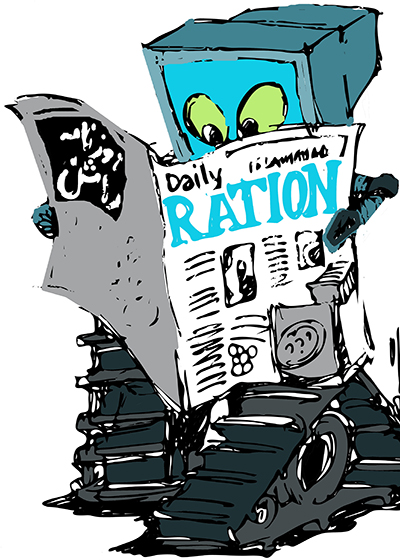
PHOTO: AI-generated; for illustrative purposes only.
Key Points
- African journalist leaders adopted an AI and decent work advocacy plan.
- The FAJ convened the dialogue in Addis Ababa on October 24–25, 2026.
- Participants called for human oversight of automated newsroom tools.
- An FAJ survey found 62% of respondents lacked written contracts.
- FAJ affiliates intend to advance the plan through regional and international engagement.
Key Questions & Answers
What did African journalist leaders adopt in Addis Ababa?
They adopted a continental advocacy plan linking responsible AI, decent work, quality journalism and media freedom.
How did participants say AI should be used in journalism?
They identified uses in research, translation and verification but called for human judgment and editorial oversight.
What did the FAJ survey find about journalists’ contracts?
The FAJ survey found that 62% of its 1,586 respondents worked without written contracts.
Does the action plan establish national rules?
The plan is an advocacy initiative; the reports do not establish that national rules or workplace changes have been implemented.
Relevant Topics
Ask AI: Understand this story your way
AI EnabledDig deeper, ask anything — get instant context, background, and clarity.
Disclaimer: This feature is powered by AI and is intended to help readers explore and understand news stories more easily. While we strive for accuracy, AI-generated responses may occasionally be incomplete or reflect limitations in the underlying model. This feature does not represent the editorial views of JournalismPakistan. For our full, verified reporting, please refer to the original article.