

US appeals court rejects fair use in AI training
JournalismPakistan.com | Published: 30 September 2026 | JP Global Monitoring
Join our WhatsApp channel
The Third Circuit on Sept. 29 upheld a Delaware court's finding that Ross Intelligence infringed Thomson Reuters' copyright by using Westlaw headnotes to train its AI legal research system. The appeals court rejected Ross' fair-use defense in a case described as the first U.S. federal appeals ruling addressing AI-training fair-use claims.Summary
PHILADELPHIA — A U.S. federal appeals court has upheld Thomson Reuters’ copyright victory over Ross Intelligence, rejecting the legal technology company’s argument that using material derived from Westlaw to train an artificial intelligence-powered research system was protected as fair use.
The Philadelphia-based U.S. Court of Appeals for the Third Circuit issued its decision on September 29. Reuters described it as the first ruling by a U.S. federal appeals court to address a fair-use defense involving AI training. The court’s reasoning remained under seal when the decision was reported, limiting the conclusions that can be drawn about the precise scope of the ruling.
First appellate test of AI-training defense
The decision leaves in place a February 2025 ruling by the U.S. District Court for the District of Delaware. U.S. Circuit Judge Stephanos Bibas, sitting as a district judge, found that Ross had infringed protected Westlaw headnotes and rejected its fair-use defense. In May 2025, Bibas allowed an immediate appeal on whether the headnotes and West Key Number System met the legal standard for originality and whether Ross’ use qualified as fair use.
Westlaw’s headnotes are editorial summaries of legal principles and holdings drawn from judicial opinions. The opinions themselves are publicly accessible, but Thomson Reuters claimed copyright protection for the original wording, selection and organization of its editorial material. Court records show that Ross obtained about 25,000 training documents, known as Bulk Memos, from the legal services company LegalEase. Those documents were prepared with reference to Westlaw headnotes and were used to train Ross’ search system.
Why the lower court rejected fair use
U.S. copyright law requires courts to weigh four principal fair-use factors: the purpose and character of the use, the nature of the copyrighted work, the amount and significance of the material used, and the effect of the use on existing or potential markets.
The Delaware court found that the first and fourth factors favored Thomson Reuters. It concluded that Ross’ use was commercial and not transformative because the company used material derived from the headnotes to develop a legal research product that would compete with Westlaw. It also found potential harm to both the legal research market and a prospective licensing market for AI-training data.
The remaining two factors favored Ross. The court acknowledged that the headnotes contained less creativity than conventional literary or artistic works and that Ross did not display Westlaw headnotes to users. Nevertheless, it concluded that the commercial purpose and potential market effect carried greater weight in the overall fair-use analysis.
The case has an important limitation: Ross’ system was not a generative AI model. It used machine learning to identify and return relevant judicial opinions in response to legal questions rather than produce new text. The ruling therefore does not establish that every use of copyrighted material to train generative AI is unlawful, nor does it eliminate fair use as a possible defense in cases involving different technology, outputs or markets.
Implications for publishers and AI developers
Ross closed its legal research platform in 2021, citing the cost of defending the litigation. Reuters reported that representatives for Ross did not immediately respond to requests for comment on the appellate decision. Thomson Reuters welcomed the outcome and said respect for copyright was necessary to protect intellectual property while supporting responsible AI innovation.
The ruling will be closely studied by news organizations, book publishers, creators and technology companies involved in separate disputes over the collection and use of copyrighted content for AI development. Its immediate value as guidance, however, will depend on when the Third Circuit’s reasoning becomes publicly available and how narrowly the court framed its decision.
For publishers and digital platforms in Pakistan and elsewhere in South Asia, the judgment has no direct legal effect. It nevertheless highlights a growing commercial question: whether AI developers may use professionally produced editorial material without permission when that material helps create a competing product. It also strengthens the case for clearly documented licensing arrangements and transparent records of training-data sources.
Because the case reached the Third Circuit through an interlocutory appeal before a final judgment, further proceedings may still be required in the Delaware court. The appellate result confirms Thomson Reuters’ victory on the issues reviewed, but the sealed reasoning and the case’s non-generative technology make broad conclusions about other AI copyright disputes premature.
ATTRIBUTION: Based on Reuters reporting published on September 29, 2026, and publicly available U.S. federal court records dated February 11 and May 23, 2025.
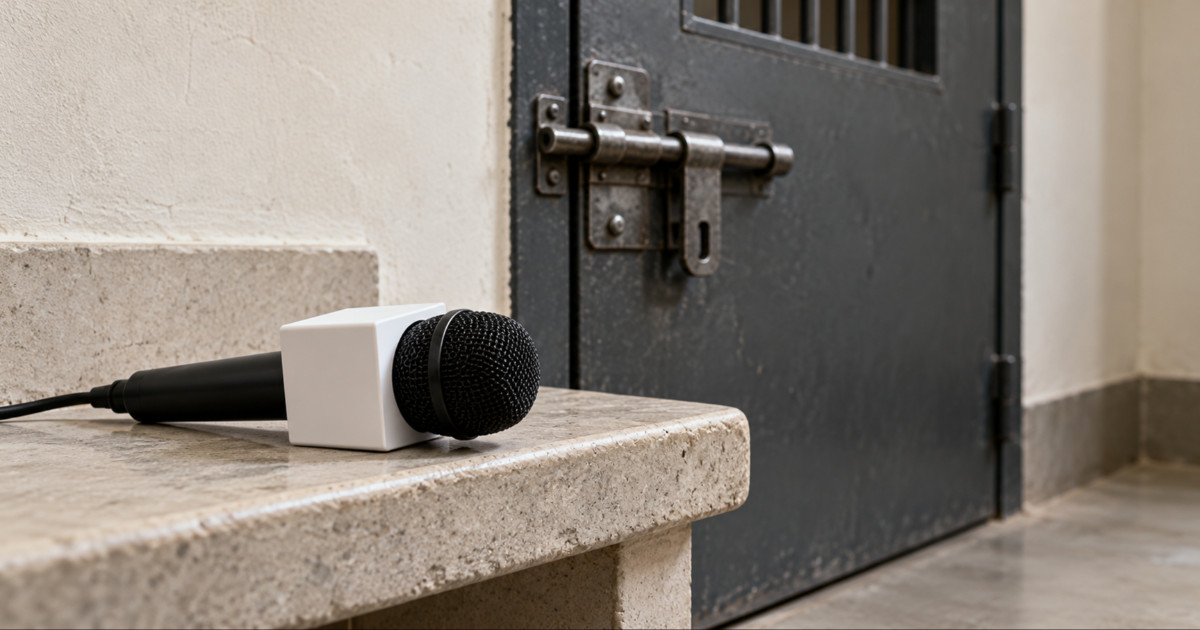
PHOTO: AI-generated; for illustrative purposes only.
Key Points
- The Third Circuit on Sept. 29 upheld a lower court ruling for Thomson Reuters against Ross Intelligence.
- Court found that using Westlaw headnotes to train an AI research system was not protected as fair use.
- The case follows a February Delaware district court decision that Ross had infringed protected headnotes.
- Ross obtained roughly 25,000 training documents known as Bulk Memos from the legal service.
- The appeals court's reasoning remained under seal, limiting clarity on the ruling's precise legal scope.
Key Questions & Answers
What did the appeals court decide?
The Third Circuit upheld a lower court ruling that Ross Intelligence infringed Thomson Reuters' copyright by using Westlaw-derived headnotes to train its AI, and rejected Ross' fair-use defense.
Why is this case significant?
Reuters described it as the first U.S. federal appeals decision to address a fair-use defense involving AI training, potentially affecting how copyrighted material can be used to train AI systems.
What are Westlaw headnotes?
Headnotes are editorial summaries and organization of legal principles and holdings created by Thomson Reuters; the opinions themselves are public, but Reuters claims copyright in the original wording, selection and organization of those headnotes.
What does the ruling mean for AI developers?
Developers may face stricter limits on using proprietary editorial material for training; the sealed opinion limits immediate clarity on allowable uses, so legal caution and review are advisable.
Ask AI: Understand this story your way
AI EnabledDig deeper, ask anything — get instant context, background, and clarity.
Disclaimer: This feature is powered by AI and is intended to help readers explore and understand news stories more easily. While we strive for accuracy, AI-generated responses may occasionally be incomplete or reflect limitations in the underlying model. This feature does not represent the editorial views of JournalismPakistan. For our full, verified reporting, please refer to the original article.