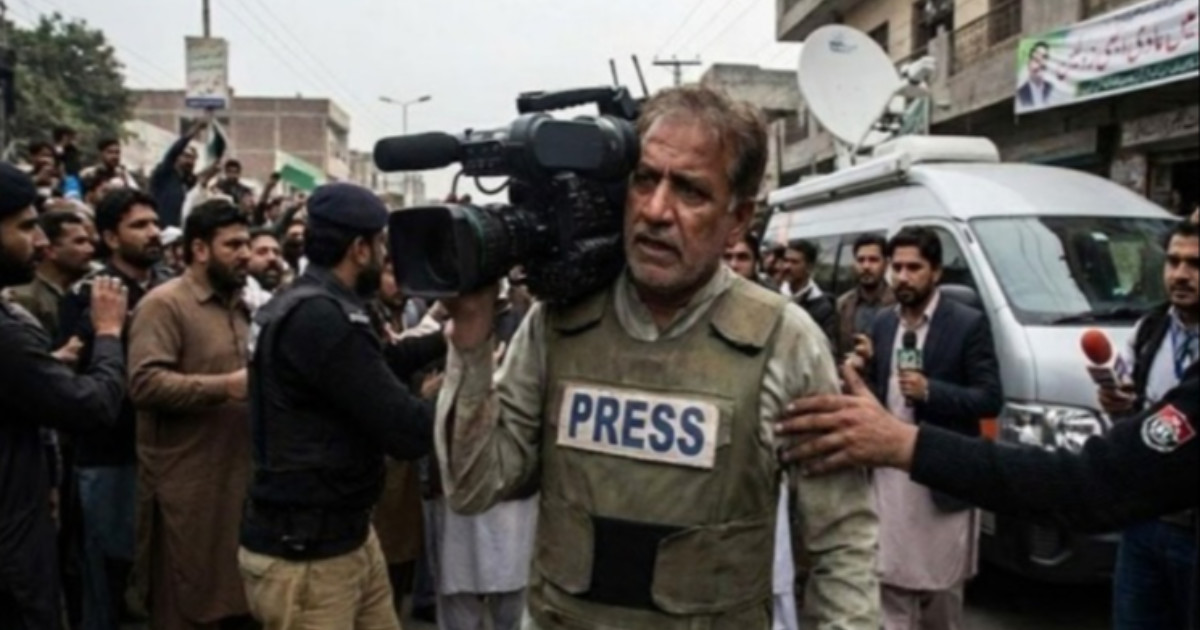

Tunisian court cuts journalist Chatha Belhajj Mubarak sentence
JournalismPakistan.com | Published: 15 January 2026 | JP Global Monitoring Desk
Join our WhatsApp channel
An appeals court in Tunisia reduced journalist Chatha Belhajj Mubarak's sentence from five to two years, making her eligible for release after almost three years in custody; her family says her health deteriorated and is calling for immediate release and care.Summary
TUNIS — A Tunisian appeals court has reduced the prison sentence of journalist Chatha Belhajj Mubarak from five years to two years, a ruling that makes her eligible for release after spending nearly three years in detention in a high-profile conspiracy case.
The decision was welcomed by her family, who said the reduction could pave the way for her release in the coming days, pending administrative procedures. They have repeatedly raised concerns about her physical and psychological condition, saying her health deteriorated significantly during her incarceration.
Sentence reduction and eligibility for release
Belhajj Mubarak was originally sentenced to five years in prison after being convicted in a case that authorities described as involving conspiracy-related charges. Her lawyers and supporters have consistently rejected those accusations, arguing that the case was politically motivated and linked to her work as a journalist.
The appeals court ruling cuts her sentence to two years, a term she has effectively served given the length of her pretrial detention and imprisonment. Under Tunisian law, such a reduction typically renders a detainee eligible for immediate or imminent release, though formal confirmation from prison authorities is required.
Health concerns raised by the family
Family members have said that prolonged detention took a heavy toll on Belhajj Mubarak’s health, citing weight loss and declining overall well-being. They have called for her release on humanitarian grounds and have appealed to authorities to ensure she receives adequate medical care.
Rights groups have also pointed to her case as emblematic of broader concerns over due process and detention conditions for journalists and political detainees in Tunisia, particularly since a wave of arrests under sweeping conspiracy and national security cases.
Press freedom under scrutiny in Tunisia
The ruling comes amid sustained criticism from international and local rights organizations over Tunisia’s press freedom environment. Journalists, media workers, and commentators have increasingly faced prosecution under laws that critics say are used to silence dissent and intimidate independent voices.
While Tunisian authorities maintain that prosecutions are conducted in accordance with the law and are unrelated to journalistic activity, press freedom advocates argue that the pattern of cases has created a climate of fear within the media sector.
Broader implications for media and the rule of law
Observers say the reduction of Belhajj Mubarak’s sentence may offer limited relief to her family and supporters but does not address underlying concerns about judicial independence and freedom of expression. Similar cases remain unresolved, and several journalists continue to face legal pressure or detention.
As Tunisia navigates ongoing political and economic challenges, the treatment of journalists is being closely watched by regional and international observers as an indicator of the country’s commitment to fundamental rights and the rule of law.
ATTRIBUTION: Based on publicly available court decisions, family statements, and reporting and assessments by press freedom and human rights organizations.
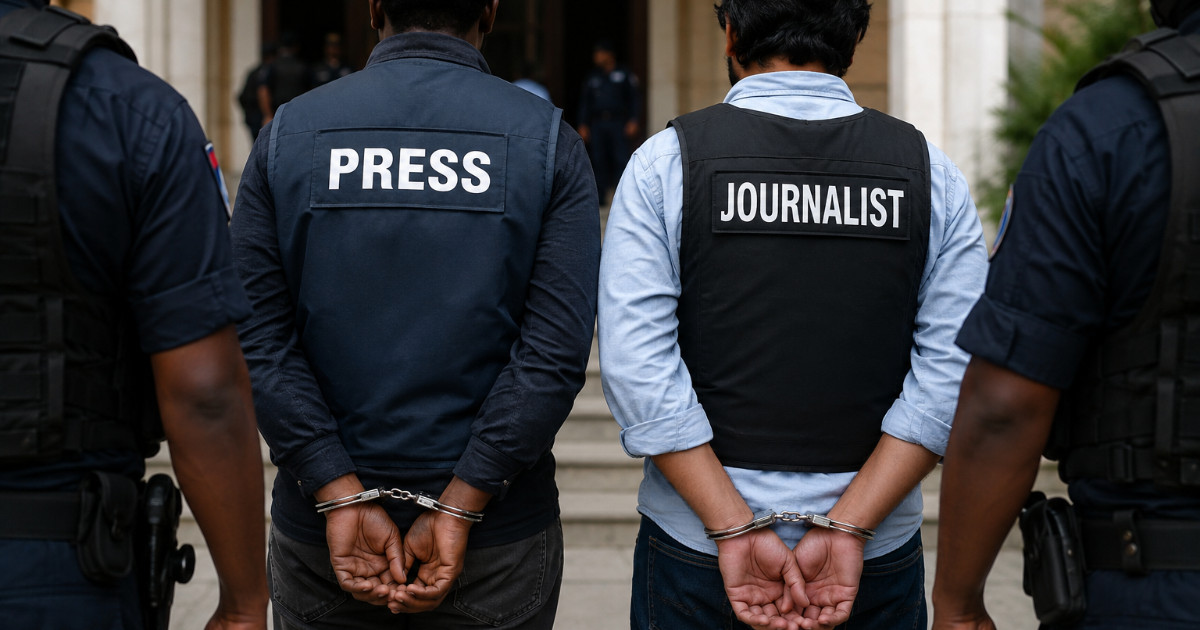
PHOTO: AI-generated; for illustrative purposes only
Key Points
- Appeals court cut sentence from five years to two years.
- Reduction generally makes her eligible for release after nearly three years in detention.
- Family reports significant health deterioration and seeks humanitarian release and care.
- Supporters and lawyers say the conspiracy-related charges were politically motivated.
- Formal release pending administrative confirmation by prison authorities.
Ask AI: Understand this story your way
AI EnabledDig deeper, ask anything — get instant context, background, and clarity.
Disclaimer: This feature is powered by AI and is intended to help readers explore and understand news stories more easily. While we strive for accuracy, AI-generated responses may occasionally be incomplete or reflect limitations in the underlying model. This feature does not represent the editorial views of JournalismPakistan. For our full, verified reporting, please refer to the original article.