.png)
Kenya journalist torture case reaches the Supreme Court
JournalismPakistan.com | Published: 14 January 2026 | JP Global Monitoring Desk
Join our WhatsApp channel
The Supreme Court will review a decade-long case in which a Kenyan journalist alleges unlawful detention and torture by state security agents, after lower courts examined jurisdiction, evidence and officer liability. It tests legal protections for the press.Summary
NAIROBI — A Kenyan journalist’s decade-long legal fight alleging torture by state security agents has reached the Supreme Court, marking a significant moment for press freedom and accountability in the country. The case centers on claims that the journalist was unlawfully detained and subjected to physical abuse while carrying out professional duties, allegations that state agencies have denied in earlier proceedings.
Lower courts have previously examined elements of the claim, including questions of jurisdiction, evidentiary standards, and whether security officers can be held personally liable for alleged abuses committed in the course of official duties. The Supreme Court’s decision to hear the matter places renewed national focus on how Kenya’s legal system addresses alleged rights violations against media workers.
Legal background and path to the top court
The case has moved through multiple judicial levels over roughly ten years, reflecting the complexity and duration often associated with human rights litigation in Kenya. Appeals have addressed whether constitutional protections for freedom of expression and freedom from torture were adequately considered, as well as whether remedies ordered by lower courts met constitutional thresholds.
Human rights advocates note that prolonged litigation itself can discourage journalists from pursuing legal redress, even when domestic law and international conventions prohibit torture and cruel treatment. The Supreme Court review is expected to assess whether existing legal tests sufficiently protect journalists and other civilians from abuse by state actors.
Press freedom and safety concerns
Kenya has a constitutionally protected media environment, yet journalists continue to report physical intimidation, arbitrary arrest, and excessive use of force during sensitive assignments. Press freedom organizations have documented such incidents over the years, particularly during security operations and public order situations.
While the current case concerns an individual journalist, media advocates argue that its implications extend to newsroom safety nationwide. A ruling that clarifies accountability standards could influence how law enforcement agencies engage with reporters and how courts evaluate claims of abuse linked to newsgathering.
Potential implications for accountability
Legal analysts caution that the Supreme Court’s role is not to retry facts but to address points of law with broad constitutional impact. Any guidance issued on state liability, evidentiary burdens, or remedies could shape future human rights cases involving journalists and other professionals.
Observers also note that a clear affirmation of protections against torture would align domestic jurisprudence with Kenya’s obligations under international human rights treaties. Conversely, a narrow ruling could leave unresolved questions about effective remedies for journalists who allege abuse by official actors.
ATTRIBUTION: Reporting based on publicly available Kenyan court filings and judgments, constitutional provisions, and documentation by recognized press freedom and human rights organizations.
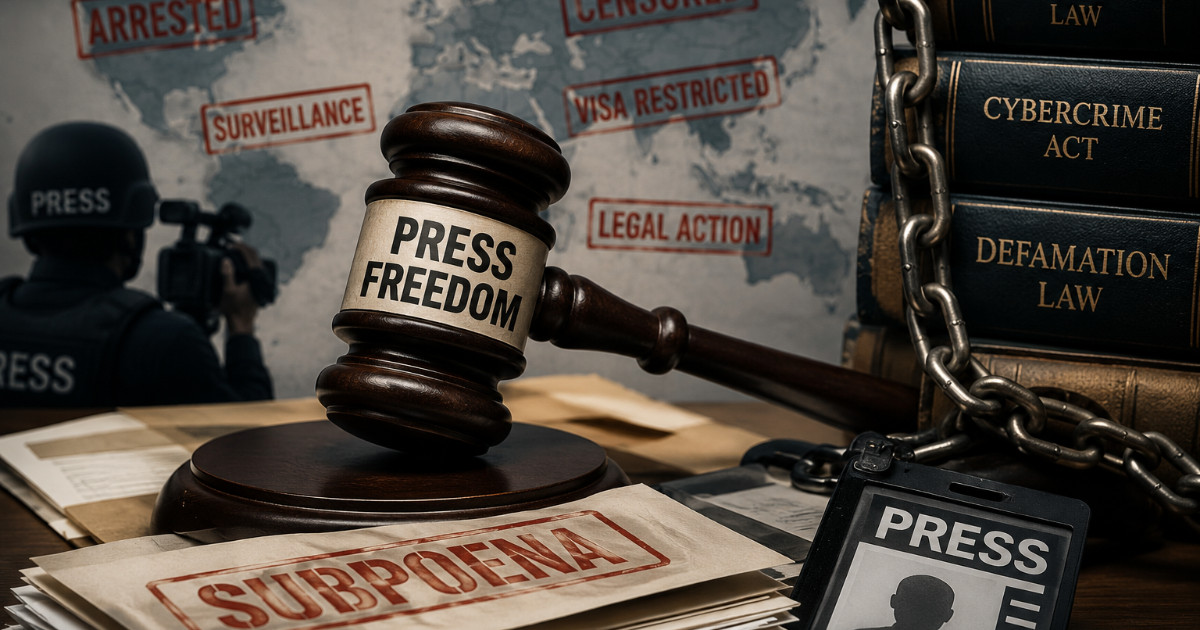
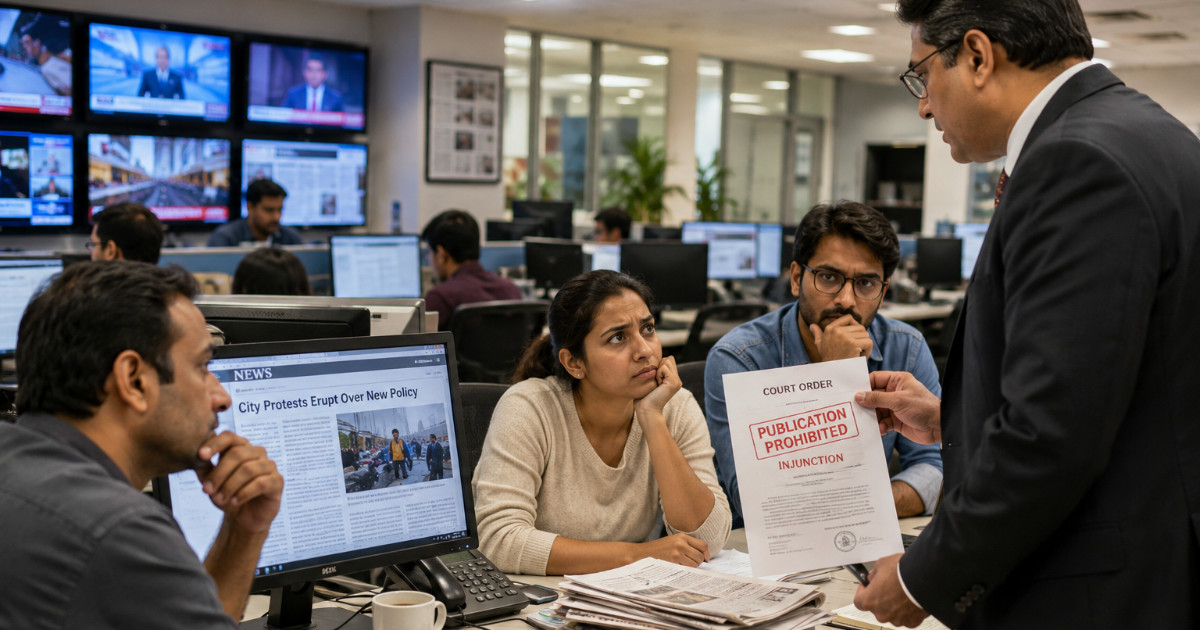
PHOTO: AI-generated; for illustrative purposes only
Key Points
- Case reached the Supreme Court after roughly ten years of appeals.
- Journalist alleges unlawful detention and physical torture by state security agents.
- Lower courts examined jurisdiction, evidentiary standards and officer liability.
- Supreme Court review will assess whether legal tests sufficiently protect press freedom and remedies.
- Human rights advocates warn prolonged litigation can deter journalists from seeking redress.
Relevant Topics
Ask AI: Understand this story your way
AI EnabledDig deeper, ask anything — get instant context, background, and clarity.
Disclaimer: This feature is powered by AI and is intended to help readers explore and understand news stories more easily. While we strive for accuracy, AI-generated responses may occasionally be incomplete or reflect limitations in the underlying model. This feature does not represent the editorial views of JournalismPakistan. For our full, verified reporting, please refer to the original article.