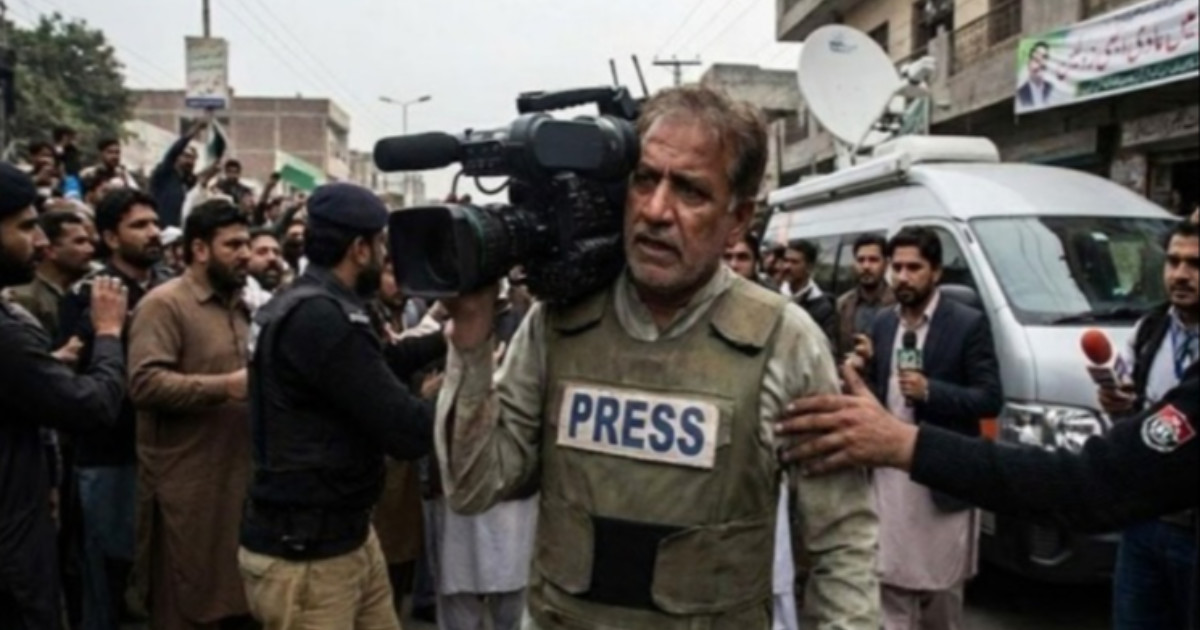
.png)
Canadian photojournalist Amber Bracken testifies in press freedom case
JournalismPakistan.com | Published: 14 January 2026 | JP Global Monitoring Desk
Join our WhatsApp channel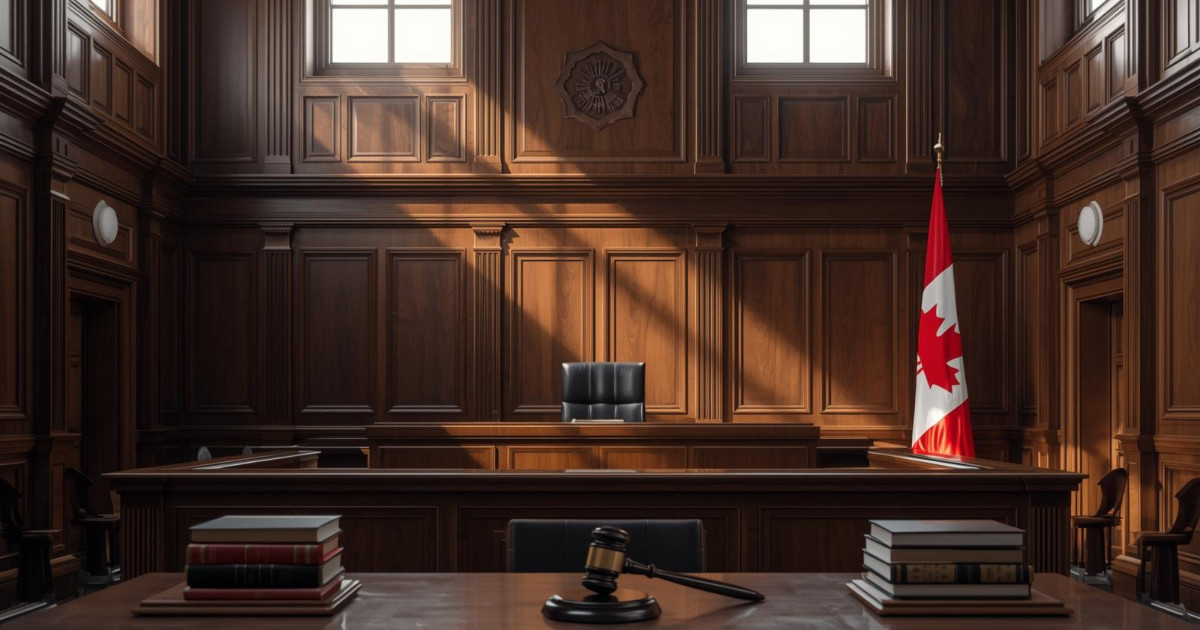
Amber Bracken testified in a trial over her detention while reporting at a protest, saying she was performing journalistic duties. Media groups warn the ruling could set a precedent deterring coverage of demonstrations, police actions and public disputes.Summary
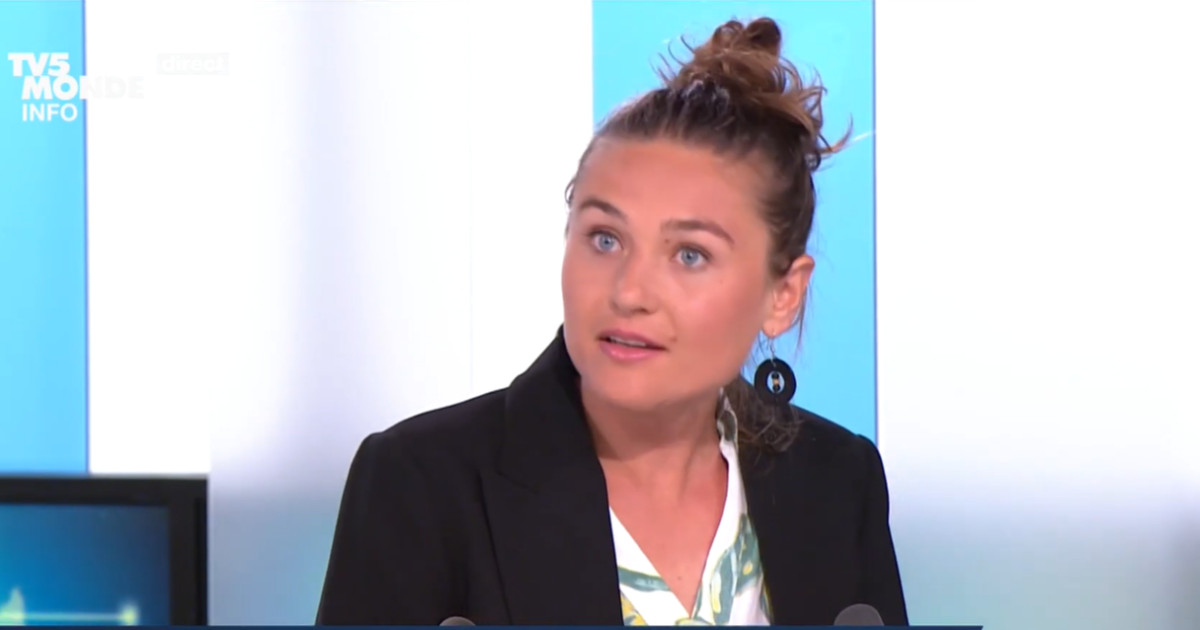
VANCOUVER — Canadian photojournalist Amber Bracken took the stand in a court case that has drawn international attention from media freedom advocates, who say the proceedings could have lasting implications for journalists covering protests and matters of public interest. Bracken, a veteran visual reporter whose work has appeared in major international outlets, is defending her actions while reporting from the field during a high-profile protest operation.
The case centers on whether journalists can be penalized for newsgathering activities while documenting police actions at protest sites. Bracken was performing journalistic duties when she was detained by authorities, a move that rights groups argue risks criminalizing routine reporting and undermining the public’s right to information.
Press freedom concerns raised by the trial
During her testimony, Bracken described her role as an independent journalist and outlined the steps she took to identify herself as media while working at the scene. Her legal defense has emphasized that her presence was solely for reporting purposes and not to participate in or interfere with law enforcement operations.
Media advocacy organizations, including international press freedom monitors, have closely followed the trial, warning that an adverse ruling could set a precedent that affects how journalists operate in protest zones across Canada. They argue that uncertainty around legal protections may discourage reporters from covering demonstrations, policing, and indigenous or environmental disputes.
Broader implications for protest and conflict reporting
Legal experts note that the case raises broader questions about the boundaries between court orders, police enforcement, and constitutionally protected press freedoms. While courts have the authority to enforce restrictions in certain circumstances, journalism groups emphasize that clear exemptions and guidelines are necessary to prevent the arbitrary detention of reporters.
The outcome is being watched beyond Canada, particularly by journalists who regularly report from conflict areas or mass protests, where access is often contested. Advocates say the case underscores the need for explicit recognition of press freedom in operational policing decisions.
ATTRIBUTION: Reporting based on publicly available court proceedings, statements from media rights organizations, and prior reporting by Canadian and international news outlets.
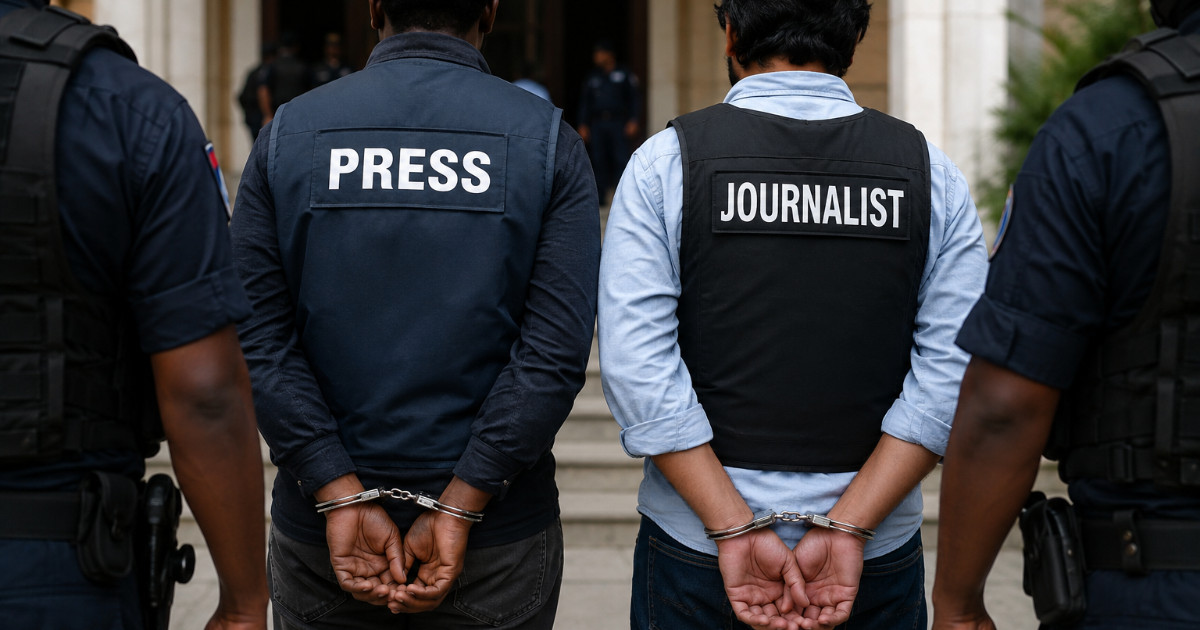
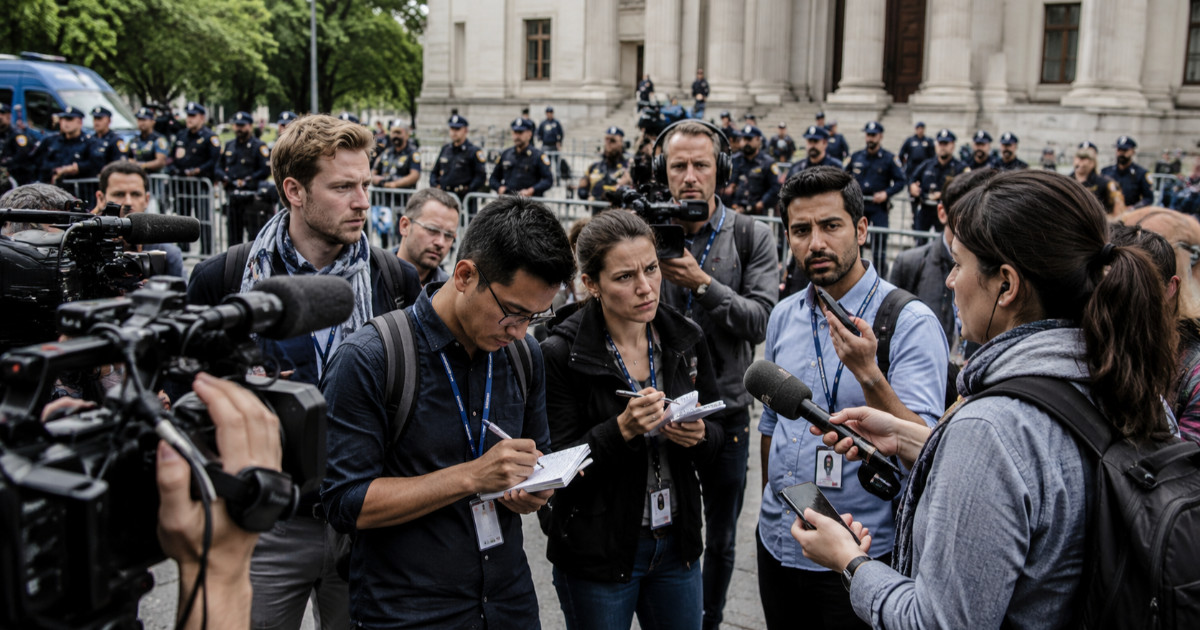
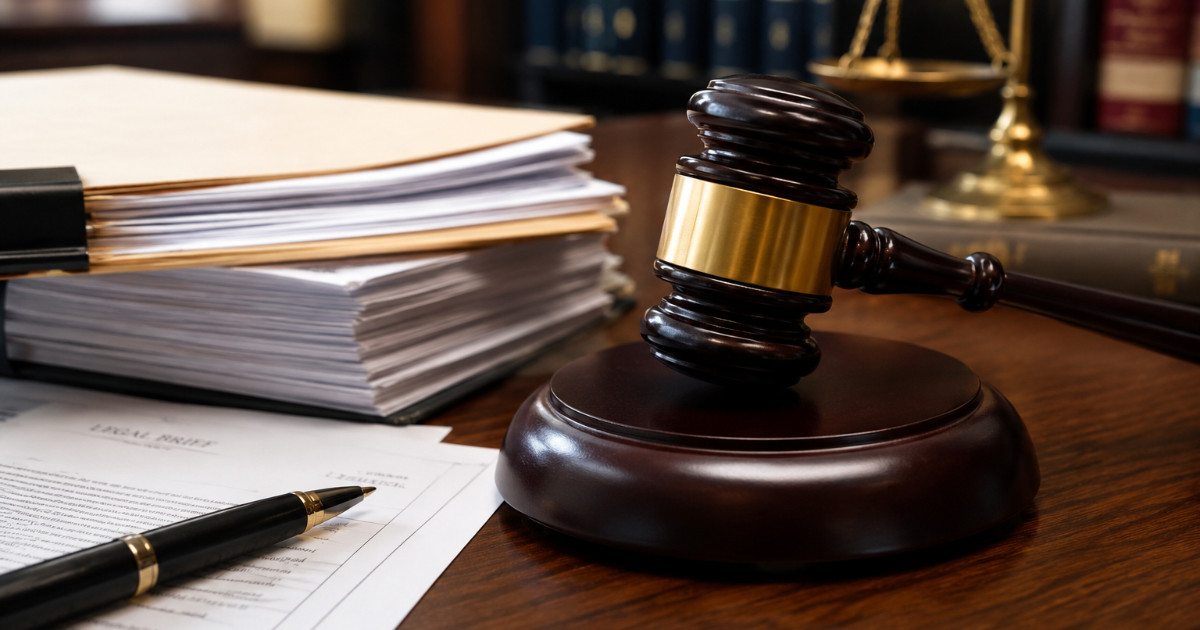
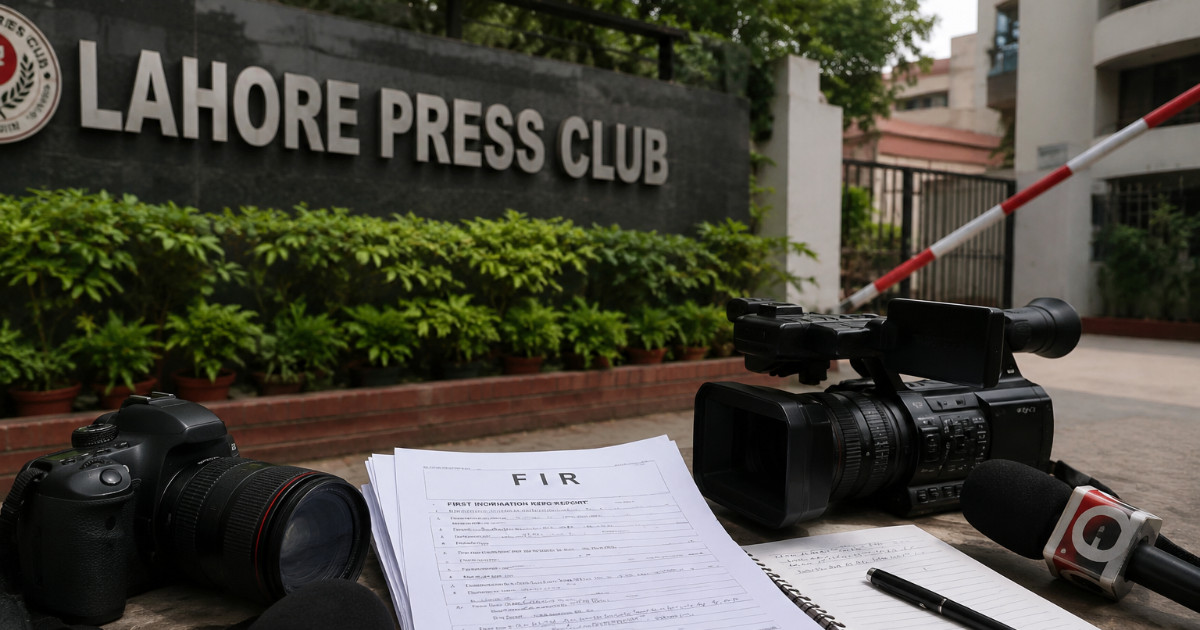
PHOTO: AI-generated; for illustrative purposes only
Key Points
- Amber Bracken testified about her detention while reporting at a protest.
- She said she identified herself as a member of the media and was performing journalistic duties.
- The case questions whether journalists can be penalized for newsgathering at protests.
- Media advocacy groups warn that an adverse ruling could set a restrictive legal precedent.
- The outcome could discourage coverage of demonstrations, policing, and indigenous or environmental disputes.
Relevant Topics
Ask AI: Understand this story your way
AI EnabledDig deeper, ask anything — get instant context, background, and clarity.
Disclaimer: This feature is powered by AI and is intended to help readers explore and understand news stories more easily. While we strive for accuracy, AI-generated responses may occasionally be incomplete or reflect limitations in the underlying model. This feature does not represent the editorial views of JournalismPakistan. For our full, verified reporting, please refer to the original article.