.png)
FBI search of Washington Post reporter's home raises press freedom alarm
JournalismPakistan.com | Published: 14 January 2026 | JP Global Monitoring Desk
Join our WhatsApp channel
Federal agents searched Washington Post reporter Hannah Natanson's home under a warrant in a national security probe into unauthorized Defense Department disclosures. Though not deemed a target, the search has alarmed press freedom advocates and media groups.Summary
WASHINGTON — Federal agents executed a search at the home of Washington Post reporter Hannah Natanson as part of a national security investigation tied to leaked classified information, according to reporting by U.S. media outlets. The search was carried out under a warrant connected to a broader inquiry into unauthorized disclosures involving the U.S. Department of Defense.
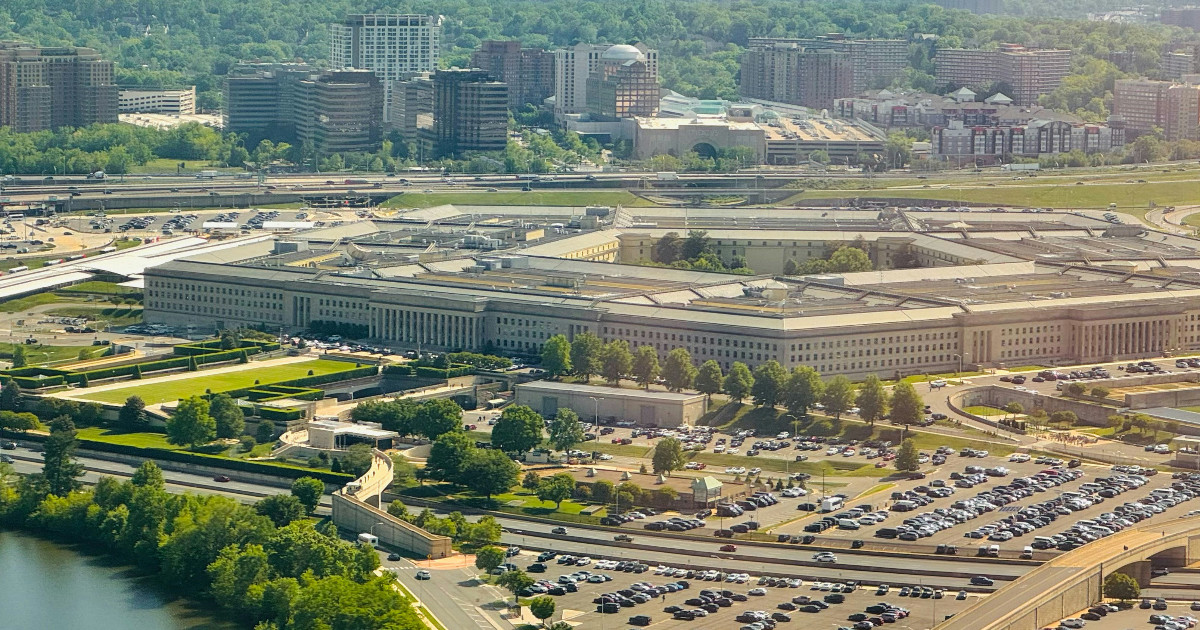
Natanson, who covers the Pentagon for The Washington Post, is not considered a target of the investigation, according to people familiar with the matter cited in published reports. The search nonetheless marks a rare and highly sensitive law enforcement action involving a working journalist and has drawn immediate attention from press freedom advocates and media organizations.
Policy changes lower barriers to seizing journalists’ records
The search was initiated following policy changes within the Department of Justice that allow prosecutors, under certain conditions, to seek journalists’ communications or records in leak investigations. These changes revised earlier safeguards that had largely barred such actions, except in narrowly defined circumstances.
Officials have said the revised rules are intended to balance national security interests with protections for the press, but critics argue that the shift weakens long-standing norms designed to protect confidential sources. Media law experts note that even when reporters are not targets, searches and seizures can undermine source trust and discourage whistleblowers from coming forward.
Press freedom groups warn of chilling effect
Press freedom organizations and journalism advocacy groups said the search risks creating a chilling effect on investigative reporting, particularly on national security and defense issues. They warned that aggressive investigative tactics involving journalists could erode constitutional protections for newsgathering and increase legal exposure for reporters and their employers.
The Washington Post has not publicly detailed the scope of materials sought in the search, and authorities have not disclosed what information, if any, was obtained. The lack of transparency has further fueled concern among journalists who rely on confidential communications to report on matters of public interest.
Long-standing tensions over leaks and accountability
The incident highlights persistent tensions between U.S. law enforcement agencies and news organizations over the handling of classified information. Successive administrations have struggled to reconcile efforts to deter leaks with First Amendment protections and the role of the press in holding government institutions accountable.
Legal analysts say the case could renew debate in Congress and the courts over whether additional statutory protections are needed to shield journalists from investigative actions tied to their reporting. For newsrooms, the episode serves as a reminder of the legal and operational risks associated with covering sensitive national security beats.
ATTRIBUTION: Reporting based on Reuters, The New York Times, and publicly accessible U.S. government records.
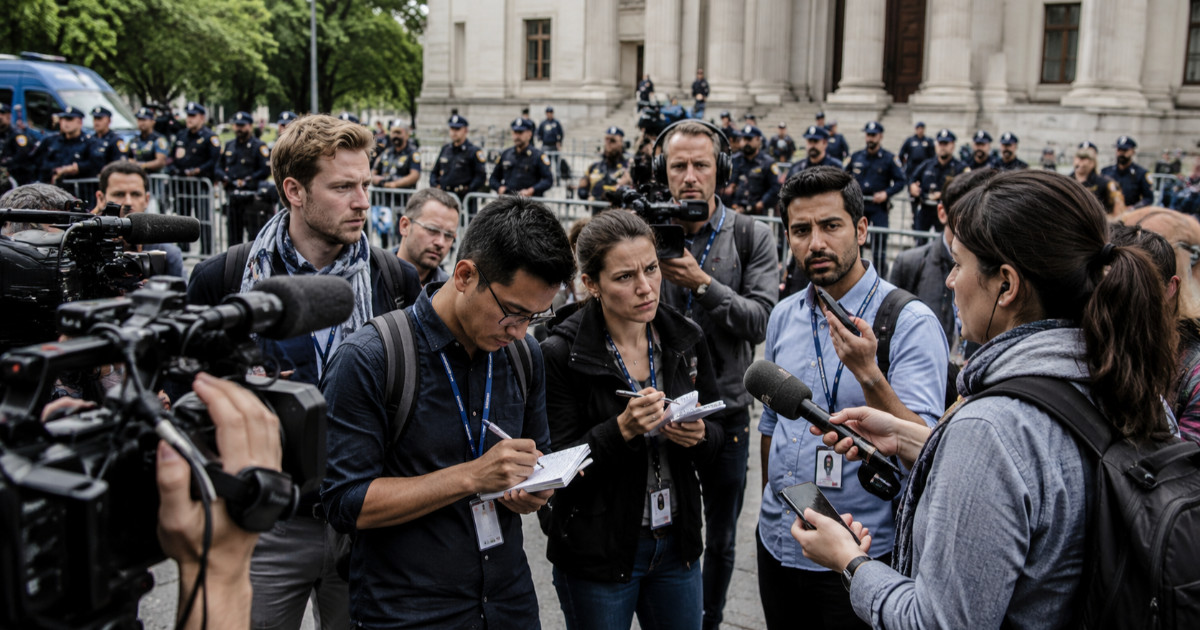
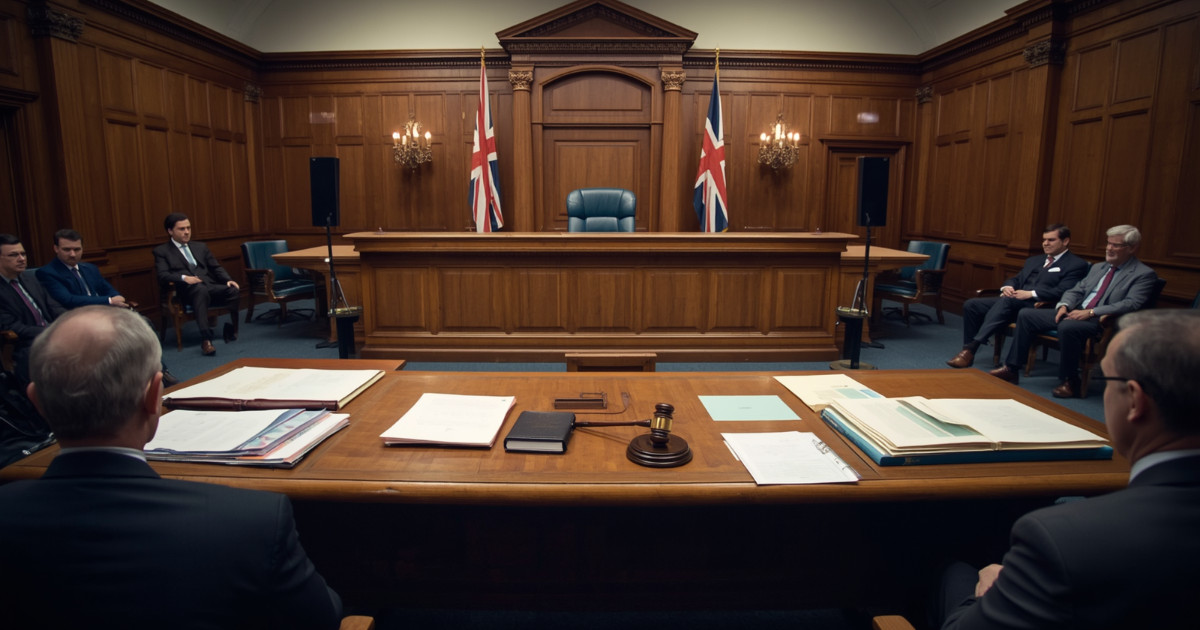
PHOTO: AI-generated; for illustrative purposes only
Key Points
- The FBI executed a search of Washington Post reporter Hannah Natanson's home as part of a national security leak investigation.
- Natanson, who covers the Pentagon, is not reported to be a target of the inquiry.
- Recent DOJ policy changes allow prosecutors in some cases to seek journalists' communications or records in leak probes.
- Press freedom groups and media organizations warn that the search could chill confidential sources and discourage whistleblowers.
- Media law experts say seizures of journalists' records can undermine trust between reporters and sources.
Relevant Topics
Ask AI: Understand this story your way
AI EnabledDig deeper, ask anything — get instant context, background, and clarity.
Disclaimer: This feature is powered by AI and is intended to help readers explore and understand news stories more easily. While we strive for accuracy, AI-generated responses may occasionally be incomplete or reflect limitations in the underlying model. This feature does not represent the editorial views of JournalismPakistan. For our full, verified reporting, please refer to the original article.