
IFJ condemns Iran's internet blackout during protests
JournalismPakistan.com | Published: 13 January 2026 | JP Global Monitoring Desk
Join our WhatsApp channel
The International Federation of Journalists on Jan. 12 condemned Iran's week-long communications blackout amid protests, saying it obstructs reporting and verification, raises misinformation risks and isolates local reporters by cutting editorial support.Summary
BRUSSELS — The International Federation of Journalists on January 12 condemned Iran’s ongoing nationwide communications blackout, describing it as a deliberate tactic that cripples journalistic reporting and isolates local reporters during widespread protests.
In a public statement, the global journalists’ federation said the disruption, which has lasted for more than a week, has prevented reliable newsgathering and verification, effectively silencing independent coverage and limiting the flow of information to domestic and international audiences.
Impact on reporting and verification
The IFJ said the blackout has severely restricted journalists’ ability to confirm events on the ground, contact sources, and safely transmit reporting. According to the organization, the lack of stable internet access has also obstructed fact-checking, increasing the risk of misinformation while simultaneously obscuring potential human rights violations from scrutiny.
The federation warned that prolonged shutdowns place local reporters at heightened risk by cutting them off from editorial support and emergency assistance. It added that such measures undermine basic professional standards of journalism by making independent reporting functionally impossible.
Press freedom concerns and international scrutiny
Framing the blackout as a direct assault on press freedom, the IFJ urged Iranian authorities to restore full internet access immediately. The organization said communications shutdowns violate international norms protecting freedom of expression and the public’s right to information, particularly during periods of public unrest.
While the IFJ did not speculate on the duration of the restrictions, it emphasized that continued limitations would further isolate Iranian journalists and deepen the information gap for the outside world. The federation called on international bodies and press freedom advocates to maintain attention on the situation until access is fully restored.
ATTRIBUTION: Reporting based on a January 12 public statement by the International Federation of Journalists.
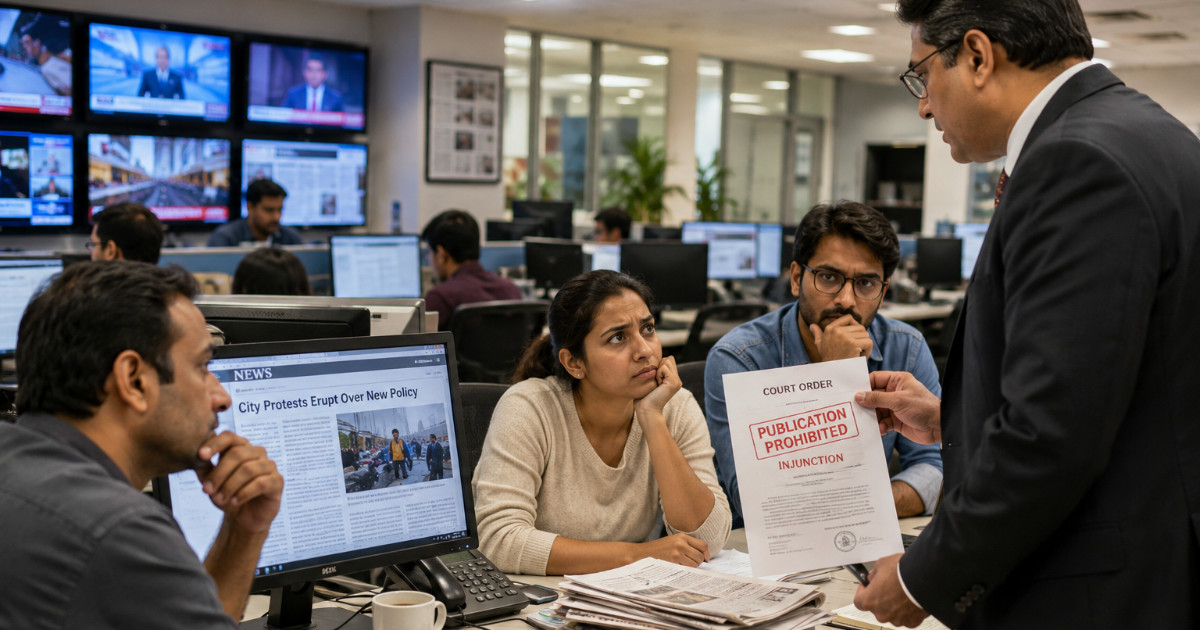
PHOTO: AI-generated; for illustrative purposes only
Key Points
- IFJ condemned Iran's nationwide communications blackout during protests.
- The shutdown has lasted more than a week, preventing reliable newsgathering and verification.
- Loss of stable internet obstructs fact-checking and increases the risk of misinformation.
- Local journalists are isolated, losing editorial and emergency support and facing greater risk.
- IFJ urged authorities to restore full internet access and said shutdowns violate press freedom and expression norms.
Relevant Topics
Ask AI: Understand this story your way
AI EnabledDig deeper, ask anything — get instant context, background, and clarity.
Disclaimer: This feature is powered by AI and is intended to help readers explore and understand news stories more easily. While we strive for accuracy, AI-generated responses may occasionally be incomplete or reflect limitations in the underlying model. This feature does not represent the editorial views of JournalismPakistan. For our full, verified reporting, please refer to the original article.