
Hong Kong court nears sentencing in Jimmy Lai security case
JournalismPakistan.com | Published: 14 January 2026 | JP Asia Desk
Join our WhatsApp channel
A Hong Kong court is nearing sentencing in the national security case against former Apple Daily publisher Jimmy Lai and ex-executives convicted under the 2020 law. Observers say the ruling will affect journalism and press freedoms in the city.Summary
HONG KONG — A Hong Kong court is approaching the sentencing phase in the national security case against former Apple Daily publisher Jimmy Lai and several former senior executives of the now-defunct pro-democracy newspaper, a development closely watched by journalists, media owners, and press freedom advocates.
Lai and his co-defendants were convicted under the Beijing-imposed national security law, which took effect in mid-2020 and criminalizes acts deemed to constitute secession, subversion, terrorism, or collusion with foreign forces. Prosecutors argued that Apple Daily and its leadership used news coverage and opinion content to promote political positions that authorities said endangered national security.
Impact on a once-influential newsroom
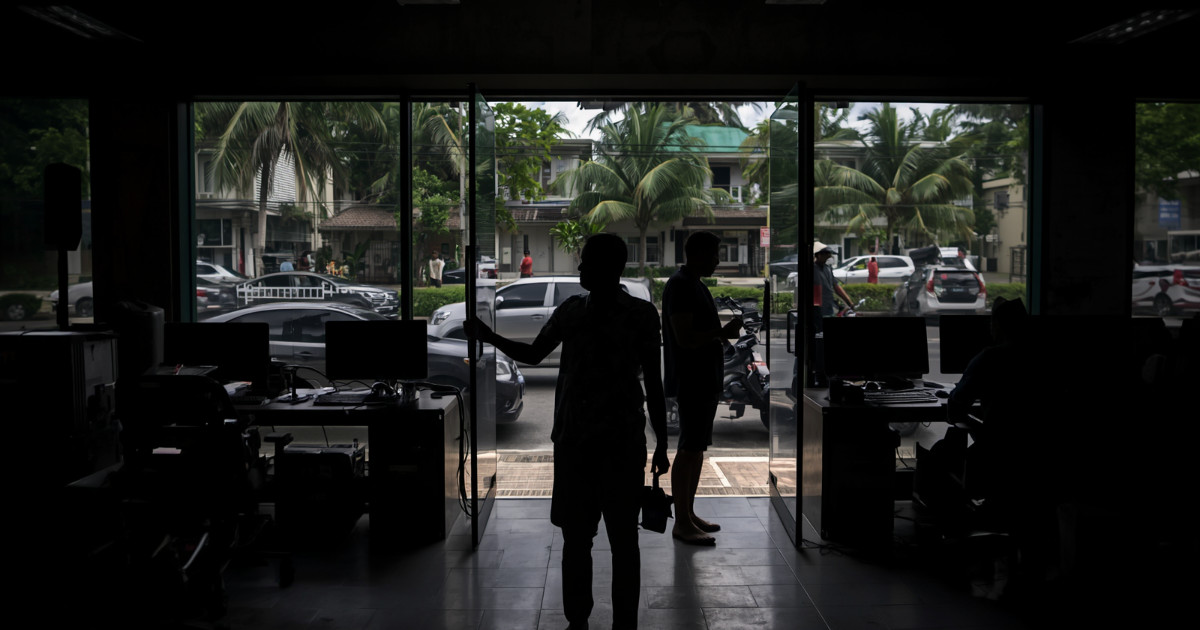
Apple Daily, founded in 1995, was for decades one of Hong Kong’s most widely read and outspoken newspapers, known for its tabloid style and strong criticism of both the local government and Beijing. The paper ceased operations in 2021 following police raids, asset freezes, and arrests of its senior staff under the security law.
The convictions mark one of the most consequential legal actions against a media organization in Hong Kong’s history. Media analysts say the case illustrates how the national security law has reshaped the boundaries of permissible journalism, particularly on issues related to governance, protests, and relations with mainland China.
Legal context and broader implications
Under Hong Kong’s common law system, sentencing in national security cases can carry lengthy prison terms, with judges required to consider national security risks as a primary factor. The law also allows for restrictions on jury trials and imposes tighter limits on bail, features that legal experts say distinguish it sharply from earlier press-related prosecutions in the city.
International press freedom groups and several foreign governments have repeatedly expressed concern about the case, arguing that it sets a precedent that discourages investigative reporting and political commentary. Hong Kong and Chinese authorities maintain that the law targets criminal acts, not legitimate journalism, and say media freedoms remain protected so long as outlets comply with the law.
Chilling effect on local media
Within Hong Kong, the Apple Daily case has already had a visible impact on newsroom practices. Several local outlets have closed or restructured since 2020, while others have adopted more cautious editorial approaches, particularly when covering protests, opposition figures, or national security-related topics.
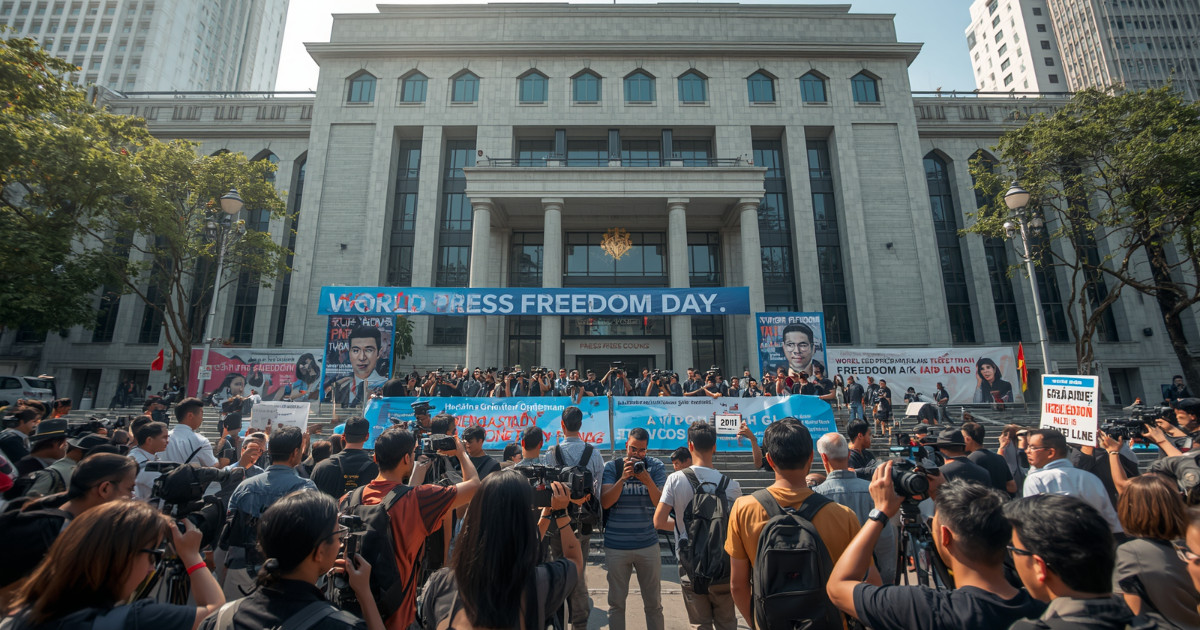
As sentencing approaches, journalists and editors say the outcome will further clarify the legal risks associated with reporting on sensitive political issues. For many in the media sector, the case has become a defining test of how press freedom operates under Hong Kong’s national security framework.
ATTRIBUTION: Reporting based on publicly available Hong Kong High Court judgments and publicly accessible national security law case filings.
PHOTO: AI-generated; for illustrative purposes only
Key Points
- Sentencing is imminent for Jimmy Lai and several former Apple Daily executives convicted under the 2020 national security law.
- Prosecutors argued the newspaper used news and opinion to promote positions deemed to endanger national security.
- Apple Daily, a once-influential pro-democracy paper, ceased operations in 2021 after raids, arrests and asset freezes.
- Media analysts say the case has reshaped the boundaries of permissible journalism on governance, protests and relations with mainland China.
- Under Hong Kong's system, national security convictions can carry lengthy prison terms, making the upcoming sentences consequential.
Relevant Topics
Ask AI: Understand this story your way
AI EnabledDig deeper, ask anything — get instant context, background, and clarity.
Disclaimer: This feature is powered by AI and is intended to help readers explore and understand news stories more easily. While we strive for accuracy, AI-generated responses may occasionally be incomplete or reflect limitations in the underlying model. This feature does not represent the editorial views of JournalismPakistan. For our full, verified reporting, please refer to the original article.