
Tunisia extends state of emergency, raising media concerns
JournalismPakistan.com | Published: 1 February 2026 | JP Global Monitoring
Join our WhatsApp channel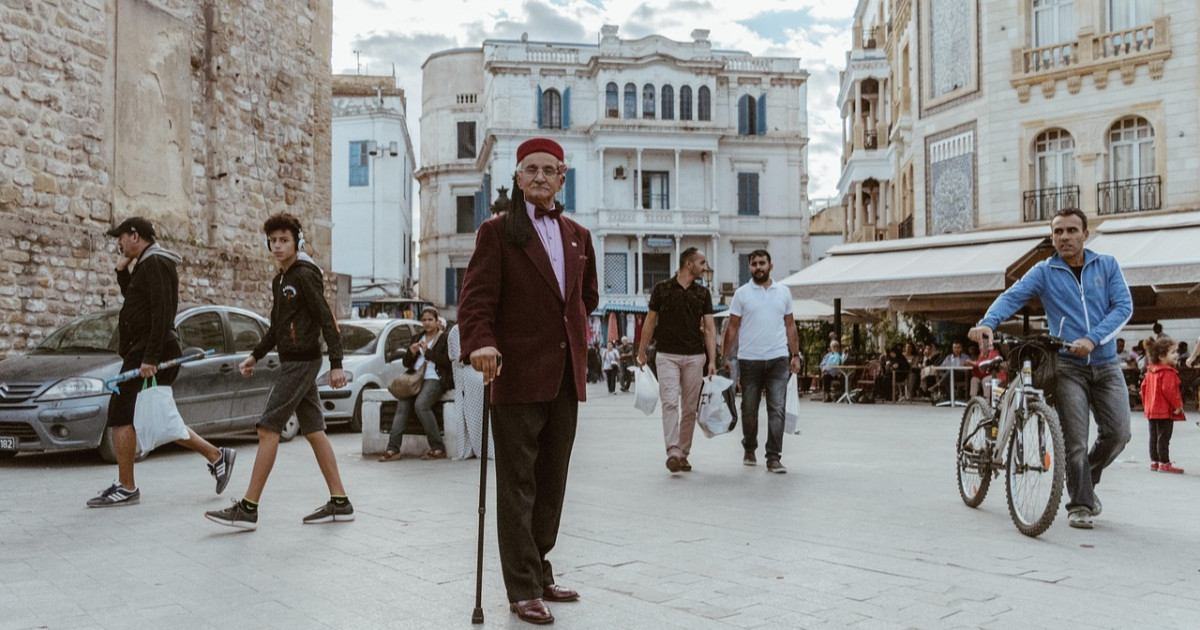
President Kais Saied extended Tunisia's national state of emergency to Dec. 31, 2026, keeping broad powers like curfews, bans on gatherings and increased surveillance. Rights and press groups say the move curtails independent reporting and civic freedoms.Summary
TUNISIA — On January 30, Tunisian President Kais Saied issued a decree extending the national state of emergency through December 31, 2026, granting authorities exceptional powers that include imposing curfews, banning gatherings, and restrictions on the press and public activities without prior judicial approval.
The emergency law, first put in place in late 2015 after deadly terrorist attacks, has been continually renewed for over a decade and is justified by officials as necessary for security and public order. According to the official gazette, this latest extension maintains expanded executive authorities over civil liberties and provides broad powers for home arrests and media monitoring.
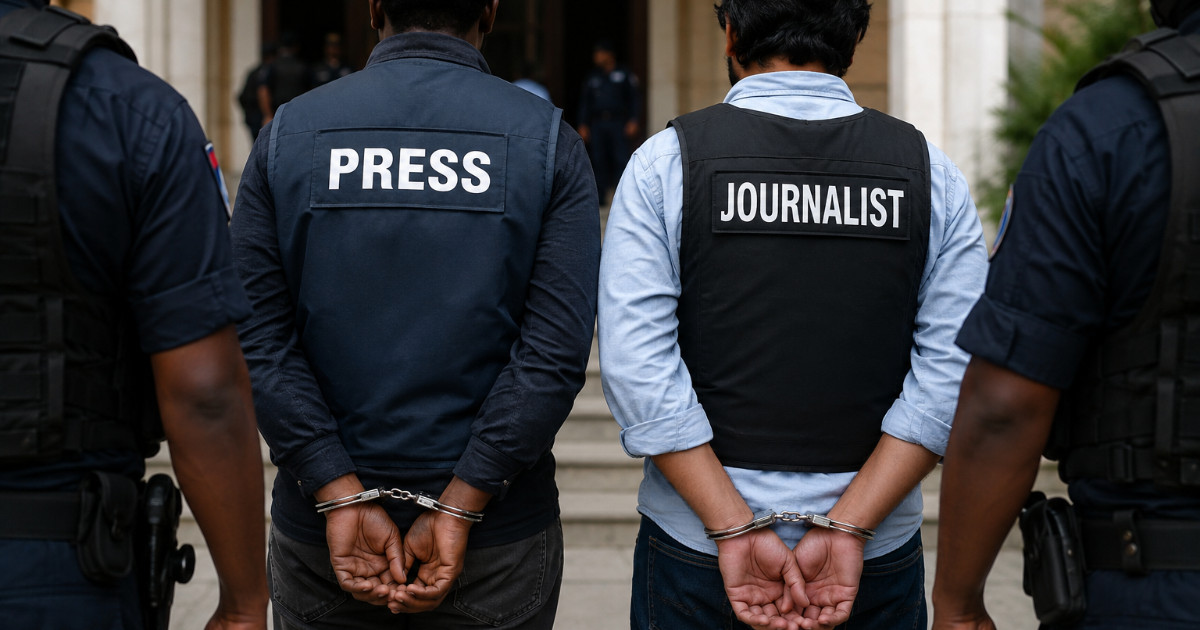
State of emergency renewals have drawn criticism from rights groups and press freedom advocates who say the sweeping powers hinder independent reporting and reduce space for dissent. Media professionals have expressed concern that prolonged emergency measures create an environment where surveillance and censorship escalate, complicating news coverage of protests, political dissent, and governance issues.
Impact on the media freedom environment
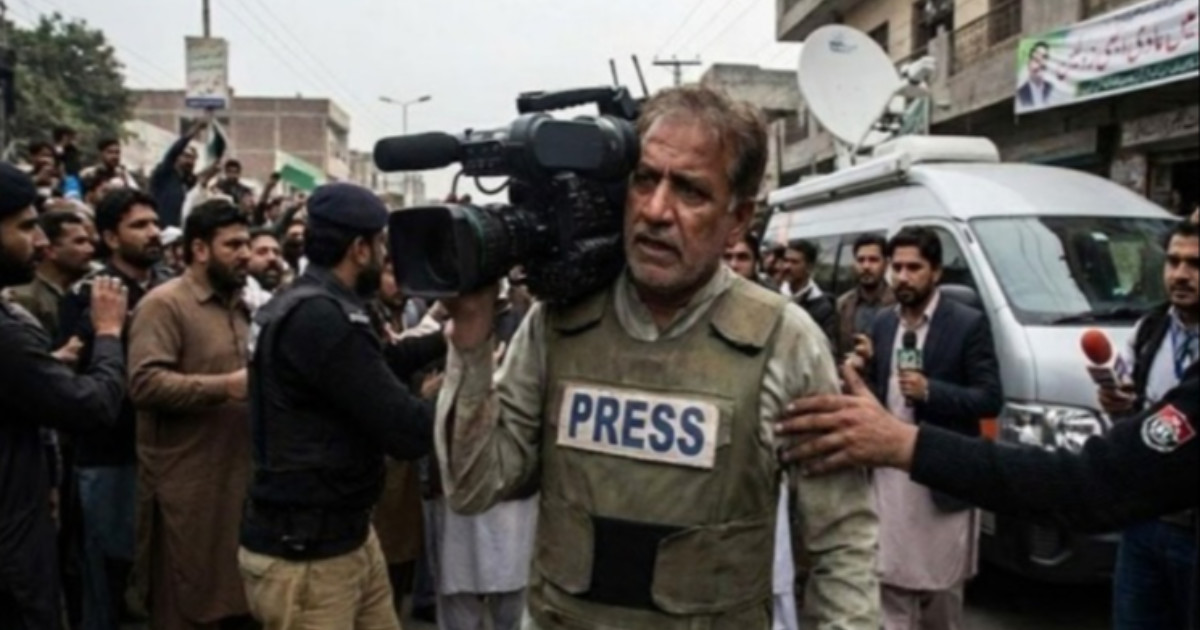
Press freedom groups have documented a restrictive climate in Tunisia, noting barriers to covering public events, protests, and legislative sessions as part of broader constraints on expression. The combination of emergency powers and other legal measures has contributed to a decline in media access to information and heightened legal risks for journalists.
WHY THIS MATTERS: The extended state of emergency in Tunisia highlights the tension between security laws and press freedom, a dynamic that can inform Pakistani journalists about how prolonged exceptional measures can affect newsroom operations, reporting access, and civil society engagement. Trends toward expanded executive powers and tighter media controls underscore the importance of legal safeguards, investigative rigor, and international reporting standards to protect independent journalism in challenging political contexts.
ATTRIBUTION: Reporting is based on verified information from Reuters, Xinhua, and other credible news agencies.
PHOTO: By Mohamed Chermiti from Pixabay
Key Points
- President extended the national state of emergency to Dec. 31, 2026.
- Extension preserves broad executive powers such as curfews, bans on gatherings, home arrests and media monitoring.
- The emergency law has been in place since 2015 and repeatedly renewed.
- Rights and press freedom groups warn the measures curb independent reporting and civic space.
- Journalists report increased surveillance, censorship and barriers to covering protests and legislative sessions.
Relevant Topics
Ask AI: Understand this story your way
AI EnabledDig deeper, ask anything — get instant context, background, and clarity.
Disclaimer: This feature is powered by AI and is intended to help readers explore and understand news stories more easily. While we strive for accuracy, AI-generated responses may occasionally be incomplete or reflect limitations in the underlying model. This feature does not represent the editorial views of JournalismPakistan. For our full, verified reporting, please refer to the original article.