
Asia press clubs adapt as political pressure reshapes spaces
JournalismPakistan.com | Published: 16 January 2026 | JP Asia Desk
Join our WhatsApp channel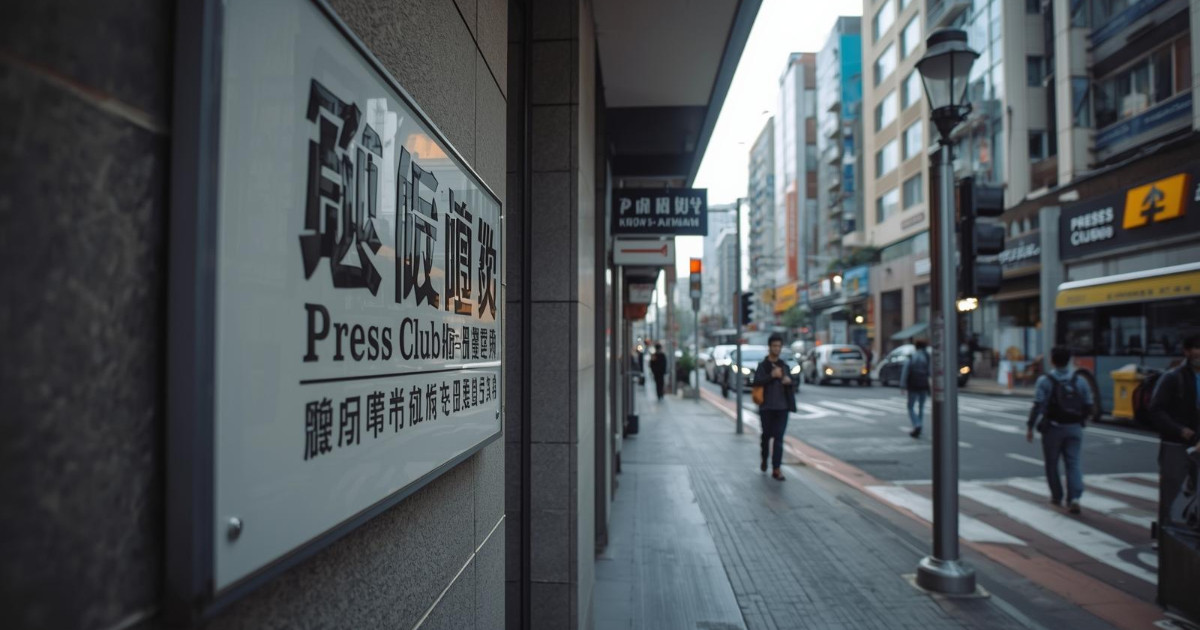
Press clubs across Asia are redefining roles as political pressure, tighter laws and visa uncertainty curb public programming, speaker events and informal gatherings, forcing clubs to adopt safety measures and more cautious, curated activities.Summary
HONG KONG — Foreign correspondents and press club institutions across Asia, long recognized as hubs for professional exchange and the journalistic community, are adjusting their roles as political pressure, regulatory scrutiny, and safety concerns increase in several regional capitals. These shifts are changing how journalists meet, collaborate, and access support in environments where independent reporting has become more constrained.
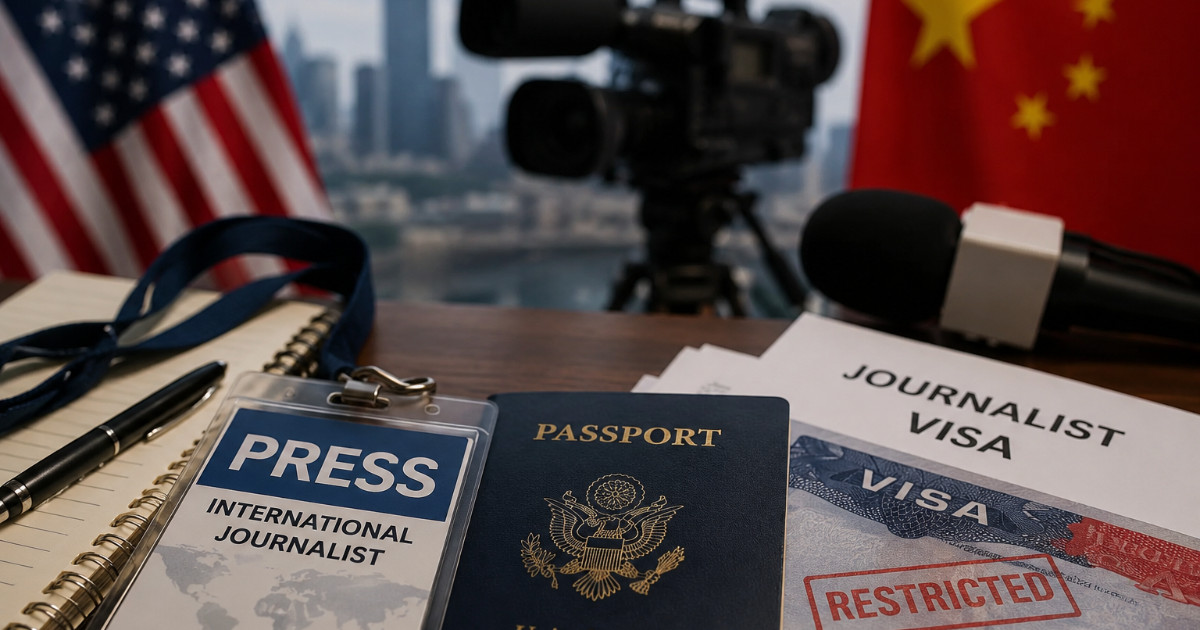
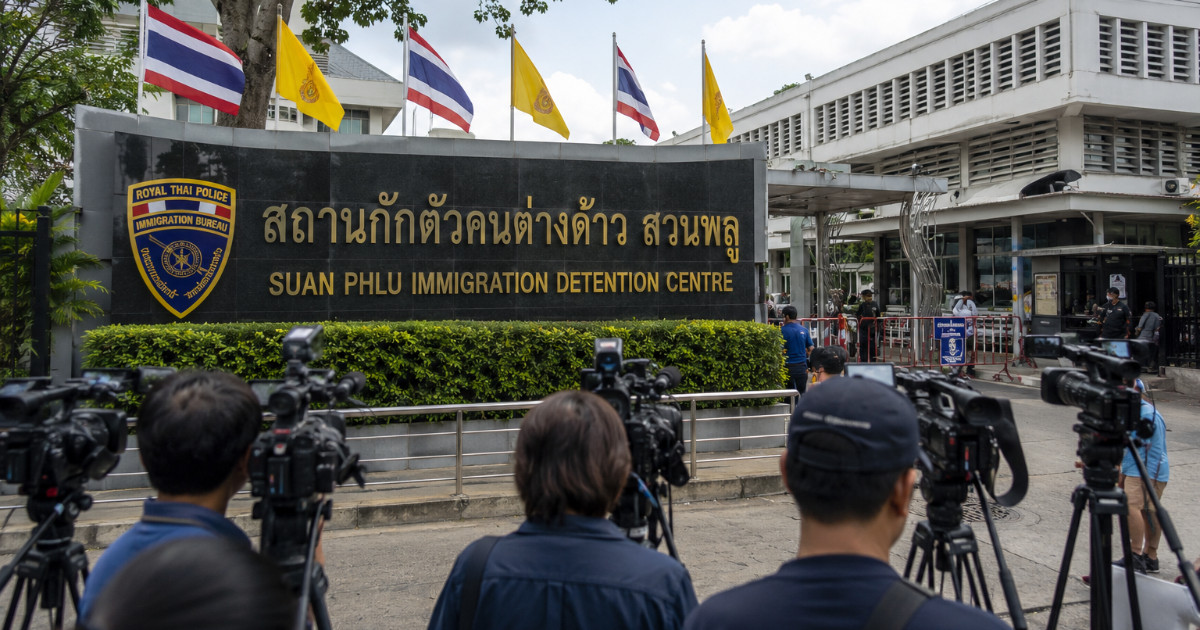
For decades, press clubs in major Asian cities have provided neutral spaces for briefings, off-the-record discussions, and peer networking among local and international reporters. In recent years, however, a combination of tightened laws, visa uncertainty for foreign media, and heightened sensitivity around public events has forced many clubs to reconsider how they operate and what activities they can safely host.
Changing role of press clubs
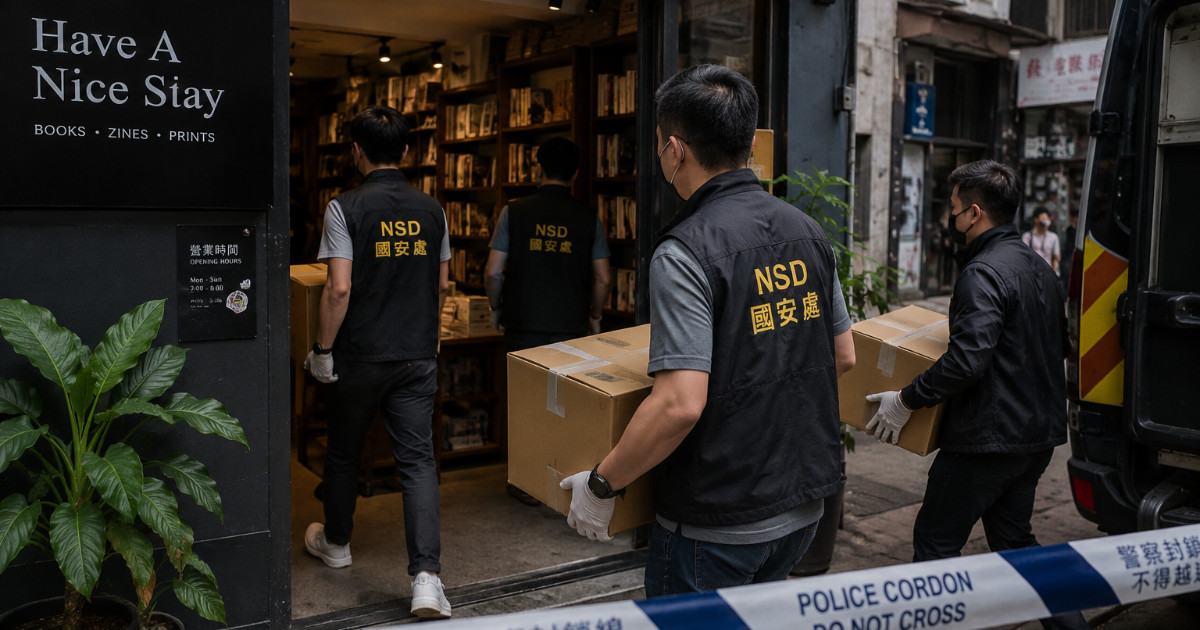
In Hong Kong, once home to one of Asia’s most prominent foreign correspondents’ associations, the operating environment for media organizations has narrowed following sweeping legal and political changes since 2020. While press clubs continue to function, public programming and speaker events have become more carefully curated, reflecting broader caution across the city’s media sector. Similar dynamics have been observed in other parts of the region where governments have expanded oversight of public gatherings or media-related activities.
Beyond formal regulations, safety considerations have also influenced these institutions. Journalists in several Asian countries now face greater risks related to surveillance, harassment, or legal action, prompting press clubs to prioritize closed-door professional support, training, and welfare initiatives over high-profile public forums.
Impact on networking and solidarity
The recalibration of press clubs has implications for networking and professional solidarity, particularly for younger reporters and freelancers who traditionally relied on these spaces to build connections. Reduced opportunities for open debate and informal exchange may weaken cross-border understanding at a time when regional cooperation among journalists is increasingly important for complex investigations and coverage of transnational issues.
At the same time, some clubs are exploring alternative models, including smaller private events, digital forums, and partnerships with academic or legal organizations. These adaptations aim to preserve core functions such as peer support, skills development, and advocacy for press freedom while minimizing exposure to political or legal risk.
Regional context and future outlook
Media analysts note that the pressures facing press clubs mirror wider challenges confronting journalism in parts of Asia, including shrinking space for dissent, economic strain on newsrooms, and evolving state-media relations. While press clubs are not advocacy organizations by mandate, their ability to convene journalists has historically contributed to a more informed and resilient media ecosystem.
Whether these institutions can continue to play that role will depend on how successfully they balance caution with community-building. For many journalists in the region, press clubs remain one of the few shared professional spaces available, making their adaptation a closely watched indicator of the broader health of independent journalism in Asia.
ATTRIBUTION: Based on publicly available reports from international media organizations, press freedom groups, and official statements by press club associations.
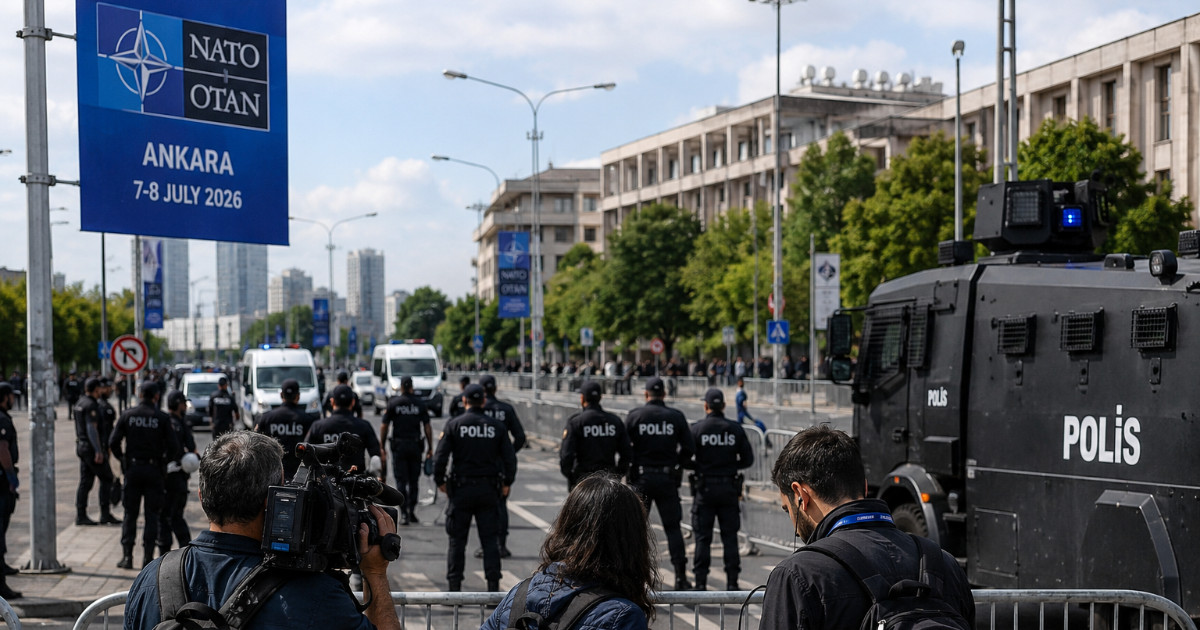
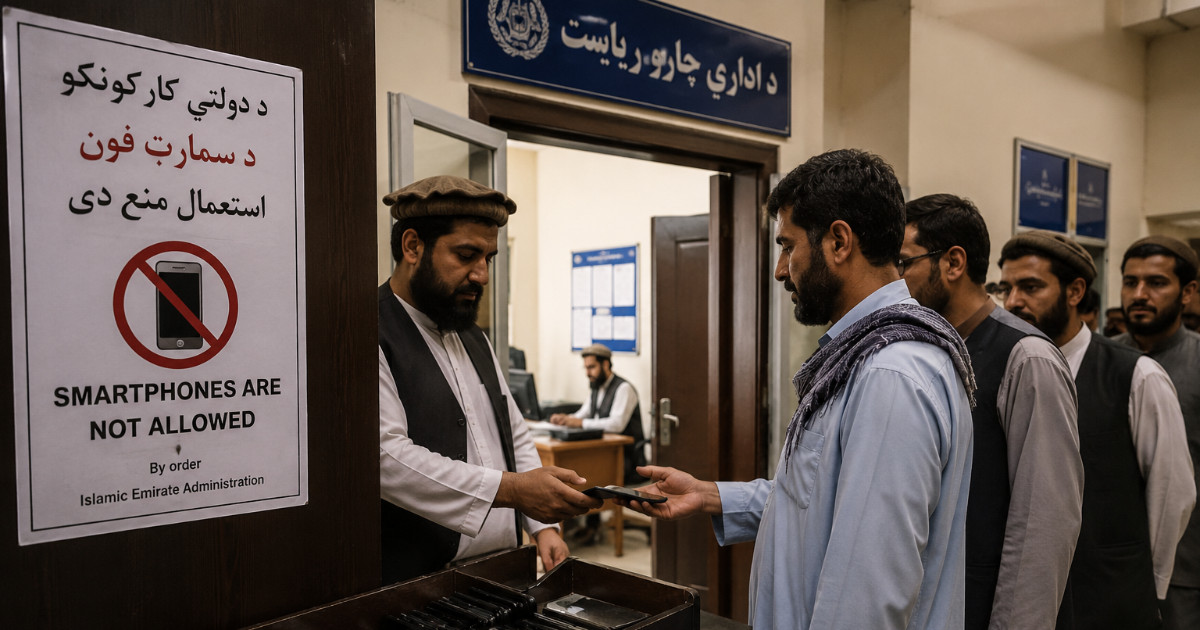
PHOTO: AI-generated; for illustrative purposes only
Key Points
- Press clubs across Asia are adjusting operations and public events in response to political pressure and regulatory scrutiny.
- Hong Kong and other regional capitals have curtailed public programming and speaker events amid tightened laws.
- Safety concerns and visa uncertainty are limiting foreign correspondents' ability to attend briefings and network.
- Clubs are implementing cautious curation, new safety protocols and exploring alternative meeting methods.
- These shifts are reshaping how journalists access peer support, off-the-record discussions and collaborative spaces.
Ask AI: Understand this story your way
AI EnabledDig deeper, ask anything — get instant context, background, and clarity.
Disclaimer: This feature is powered by AI and is intended to help readers explore and understand news stories more easily. While we strive for accuracy, AI-generated responses may occasionally be incomplete or reflect limitations in the underlying model. This feature does not represent the editorial views of JournalismPakistan. For our full, verified reporting, please refer to the original article.