.png)
Report highlights Taliban crackdown on women journalists
JournalismPakistan.com | Published: 15 January 2026 | JP Asia Desk
Join our WhatsApp channel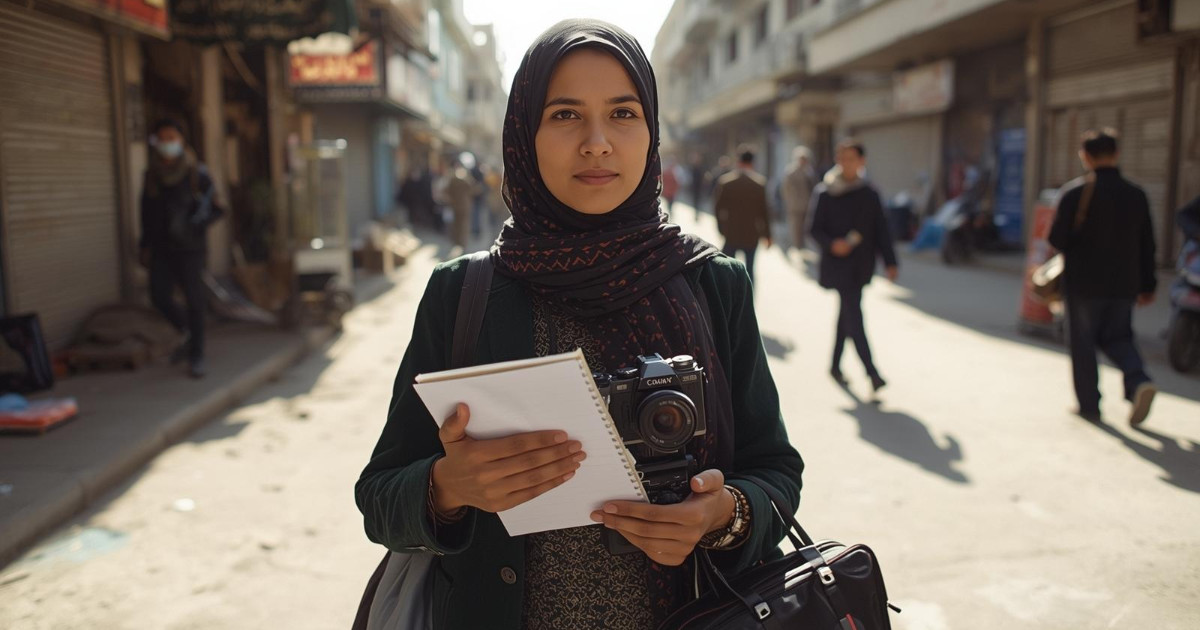
A January report documents how Taliban policies have curtailed Afghan women journalists' work, citing bans, outlet closures and targeted gendered harassment. Experts warn the exclusion weakens reporting on health, education and women's rights.Summary
KABUL — An in-depth report released on January 14 documents the growing suppression and targeting of women journalists in Afghanistan under Taliban rule, detailing how restrictions on work, movement, and expression have sharply narrowed the space for women in the media sector.
The report places recent developments in the context of sweeping measures imposed since August 2021, including bans on women working in most professions, limits on appearing in broadcast media, and the closure of many outlets that previously employed female reporters, producers, and presenters. It describes how these policies have forced many women journalists out of their jobs or into silence.
Gendered risks under authoritarian rule
According to the report, women journalists face risks that are distinct from those experienced by their male counterparts, including gender-based harassment, threats linked to family honor, and punitive enforcement of dress and conduct rules. These pressures have contributed to widespread self-censorship and the effective erasure of women’s perspectives from public discourse.
The analysis notes that restrictions on women’s voices are not incidental but form part of a broader strategy to control information and reshape social norms. Media experts cited in the report argue that the exclusion of women journalists has long-term consequences for news coverage, particularly on issues such as health, education, and women’s rights, which become harder to report accurately without female reporters.
Impact on the media landscape
The report further highlights the collapse of independent journalism as advertising revenue, international funding, and audience trust have declined under restrictive conditions. It observes that outlets attempting to keep women on staff often do so at great personal and legal risk, while others have relocated or ceased operations altogether.
Beyond Afghanistan, the report situates these developments within a global pattern in which women journalists working in conflict or authoritarian settings encounter compounded threats. It calls for stronger international monitoring, targeted protection mechanisms, and sustained support for exiled journalists to preserve professional capacity and institutional memory.
ATTRIBUTION: Based on publicly available reporting and analysis by international press freedom organizations and United Nations monitoring bodies.
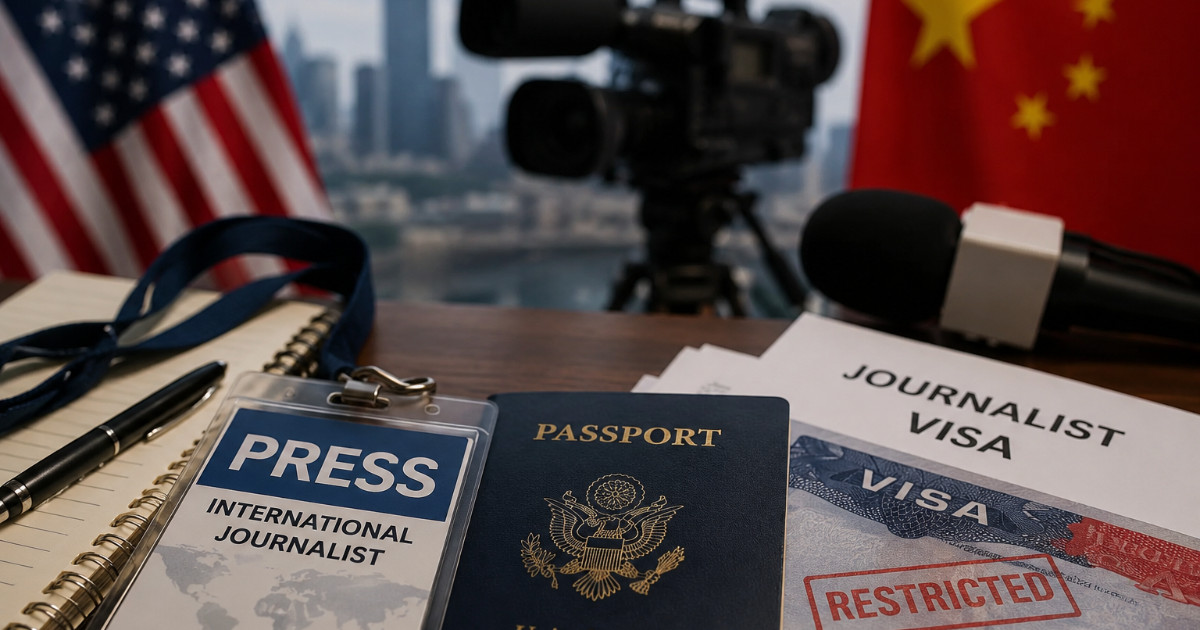
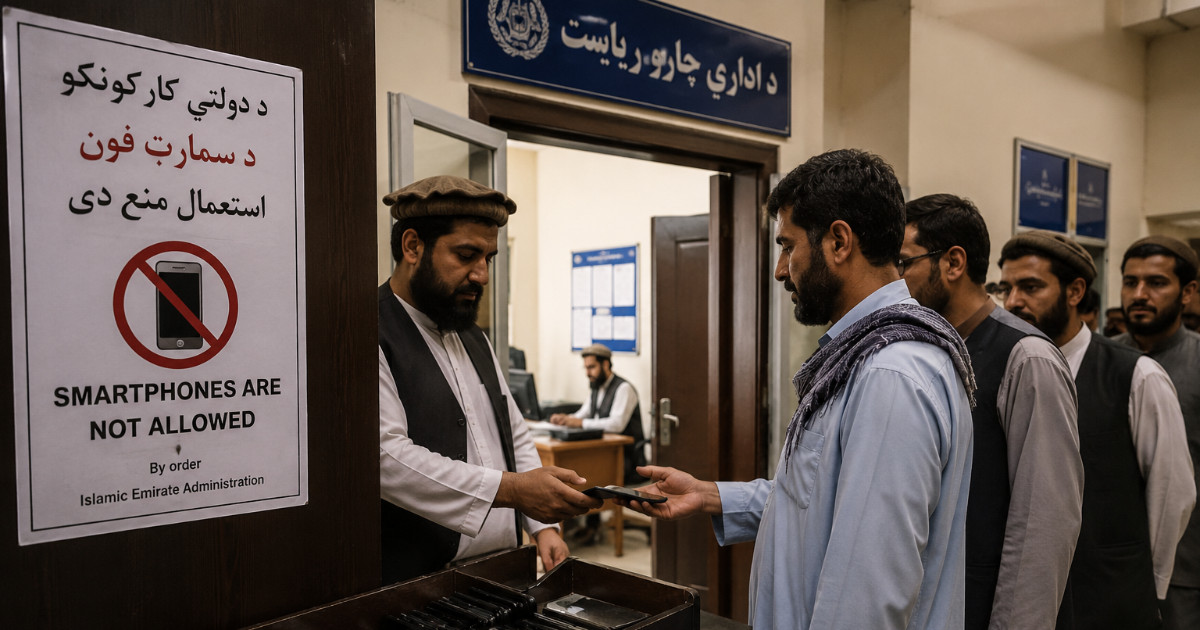
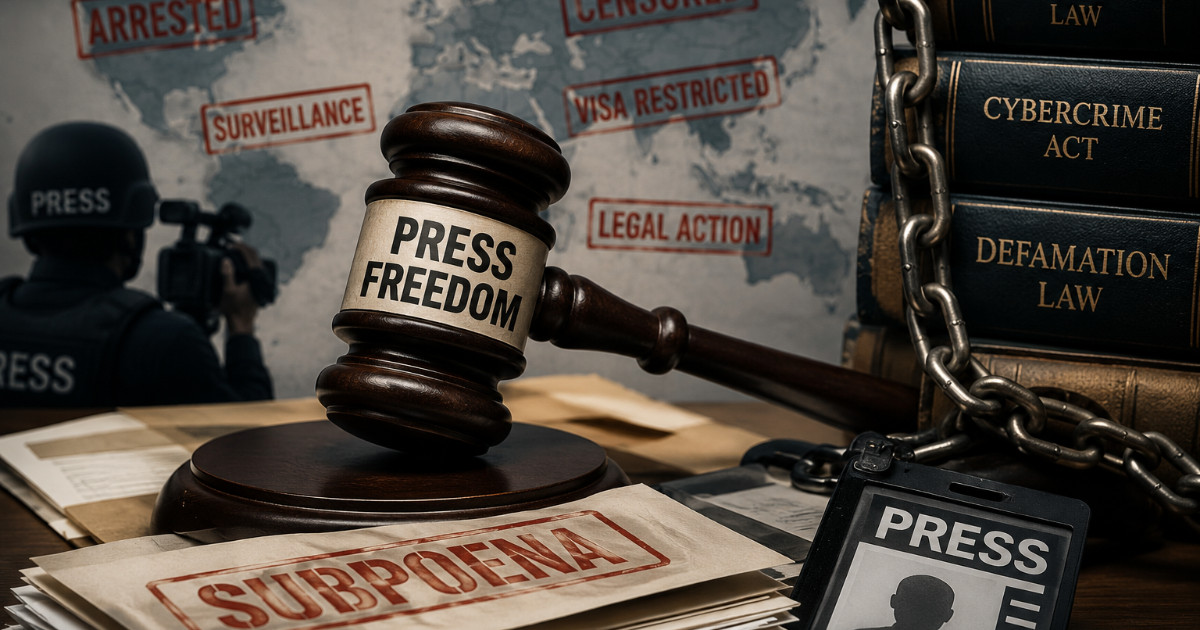
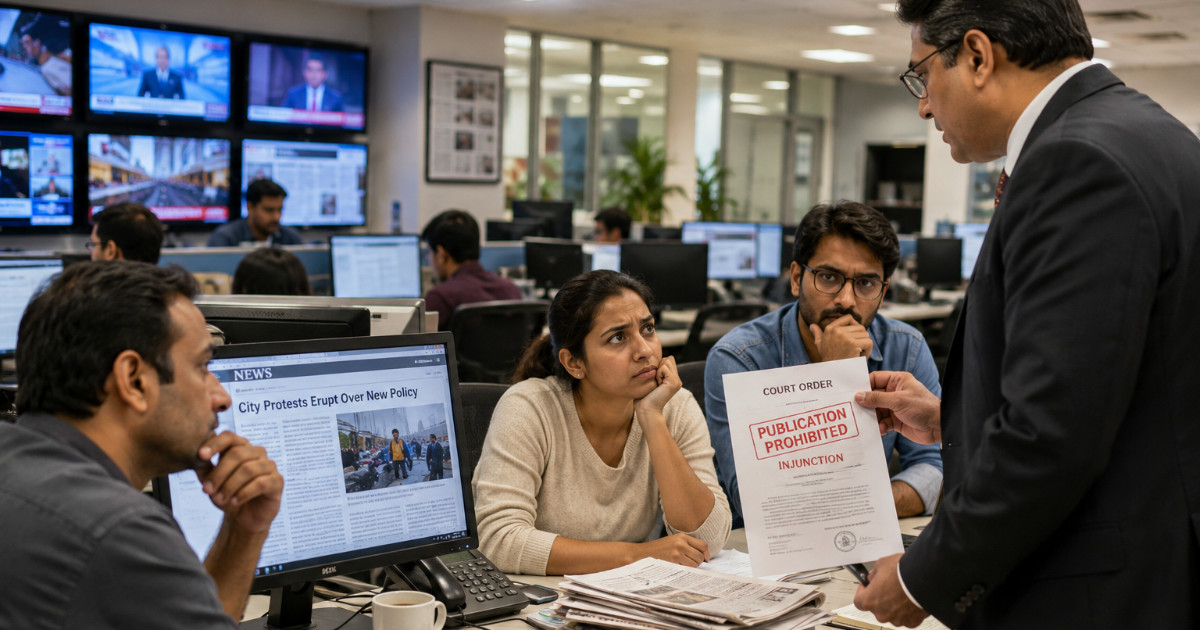
PHOTO: AI-generated; for illustrative purposes only
Key Points
- Report details bans and closures that have forced many women journalists out of the profession.
- Women face distinct gendered risks, including harassment, honor-linked threats and punitive conduct rules.
- Widespread self-censorship has effectively erased women's perspectives from public discourse.
- Excluding women from media narrows coverage of health, education and womens rights.
- Experts view restrictions as part of broader information control with long-term consequences for Afghan media.
Relevant Topics
Ask AI: Understand this story your way
AI EnabledDig deeper, ask anything — get instant context, background, and clarity.
Disclaimer: This feature is powered by AI and is intended to help readers explore and understand news stories more easily. While we strive for accuracy, AI-generated responses may occasionally be incomplete or reflect limitations in the underlying model. This feature does not represent the editorial views of JournalismPakistan. For our full, verified reporting, please refer to the original article.