
Thai court clears Australian writer, ends Malaysia defamation case
JournalismPakistan.com | Published: 16 February 2026 | JP Asia Desk
Join our WhatsApp channel
Thai court dismissed criminal defamation charges against Murray Hunter after Malaysia's Communications and Multimedia Commission withdrew its complaint through mediation. He apologized, retracted articles, regained Substack access and his passport was returned.Summary
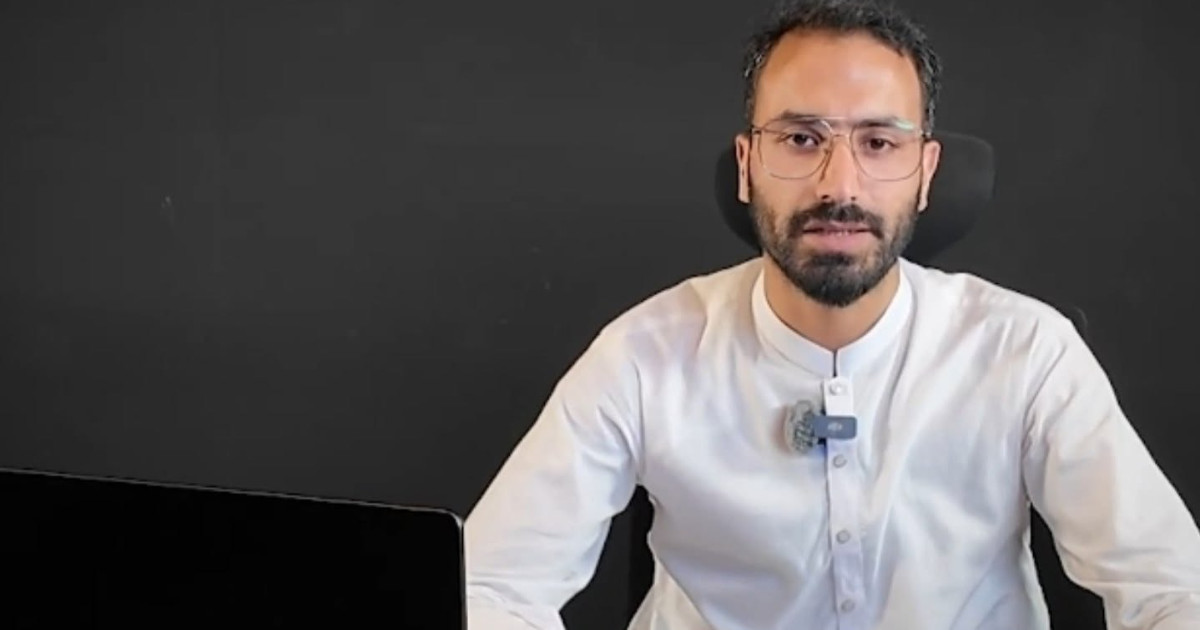
BANGKOK — A Thai court on February 16 formally dismissed criminal defamation charges against Australian writer Murray Hunter after Malaysia’s Communications and Multimedia Commission (MCMC) withdrew its complaint following a mediation agreement, ending a widely criticized transnational legal dispute.
Hunter, whose Substack newsletter had been blocked in Malaysia over critical posts, also regained access to his platform in the country as part of the settlement.
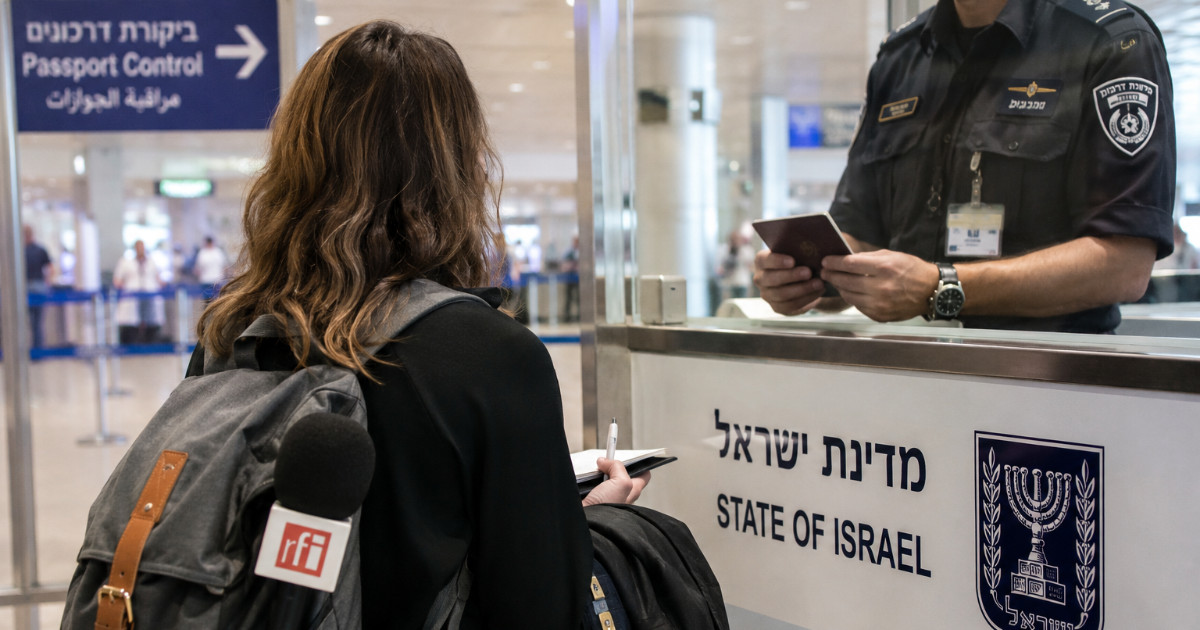
The case drew international scrutiny as a rare instance of cross‑border legal action against media commentary, raising concerns about the use of criminal defamation and strategic lawsuits to suppress dissent. Hunter was arrested in September 2025 at Bangkok’s Suvarnabhumi Airport and charged under Thailand’s criminal defamation law, which carries potential prison terms and fines.
Background on transnational defamation dispute
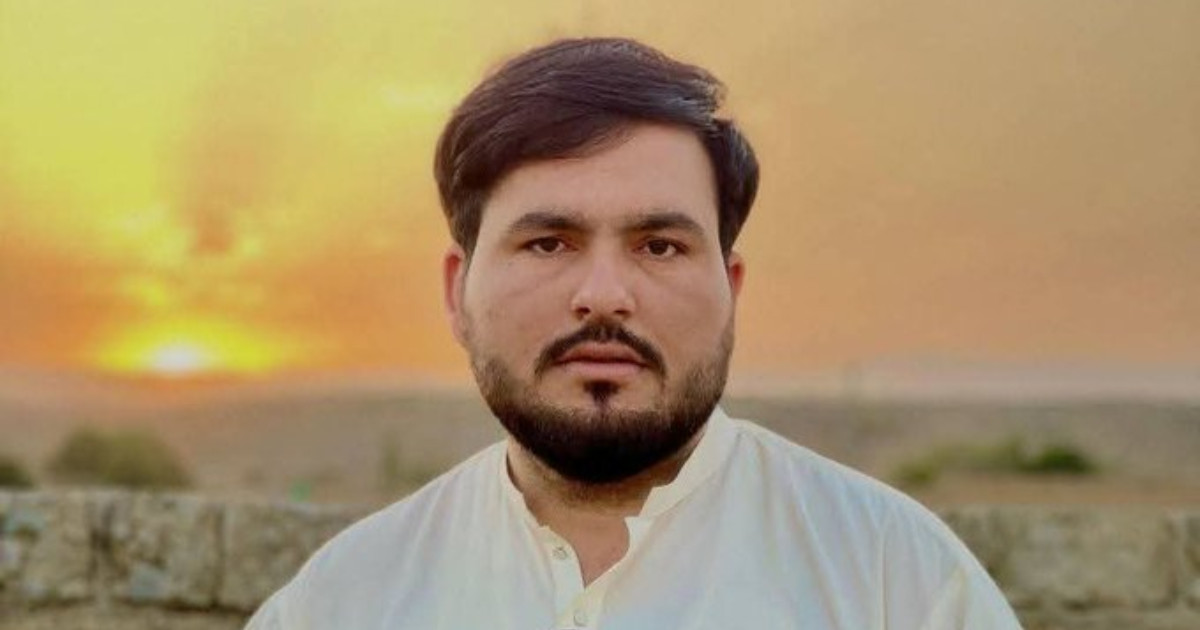
Hunter, an Australian journalist and commentator living in southern Thailand, faced accusations from the Malaysian regulator over articles on his Substack critical of the MCMC’s actions. Rights groups had described the case as a “transnational SLAPP” (strategic lawsuit against public participation) intended to intimidate critics rather than resolve legitimate defamation claims.
Under the mediation agreement, Hunter apologized and retracted several articles deemed problematic, prompting Thai prosecutors to withdraw the charge without any penalties or costs. His passport, seized after his arrest, has been returned, allowing him to travel freely.
Implications for media freedom and cross‑border legal norms
Free speech advocates have stressed that even with the case’s resolution, the precedent of one country’s regulatory body initiating criminal proceedings in another against a journalist’s commentary sets a troubling marker for regional media freedoms. Critics argue that such legal mechanisms could chill critical reporting and embolden governments to pursue dissenting voices internationally.
Hunter has signaled plans to continue his writing and to publish a book reflecting on his experience with transnational SLAPP suits, underscoring ongoing debates over the balance between combating defamation and protecting free expression in digital media.
WHY THIS MATTERS: The resolution of the Murray Hunter case highlights evolving legal challenges at the intersection of digital commentary and cross‑border jurisdictional claims, a trend that Pakistani media professionals should monitor closely. It underscores risks posed by transnational legal actions against journalists and the importance of robust legal safeguards for press freedom in the age of online platforms.
ATTRIBUTION: Reporting based on Associated Press coverage.
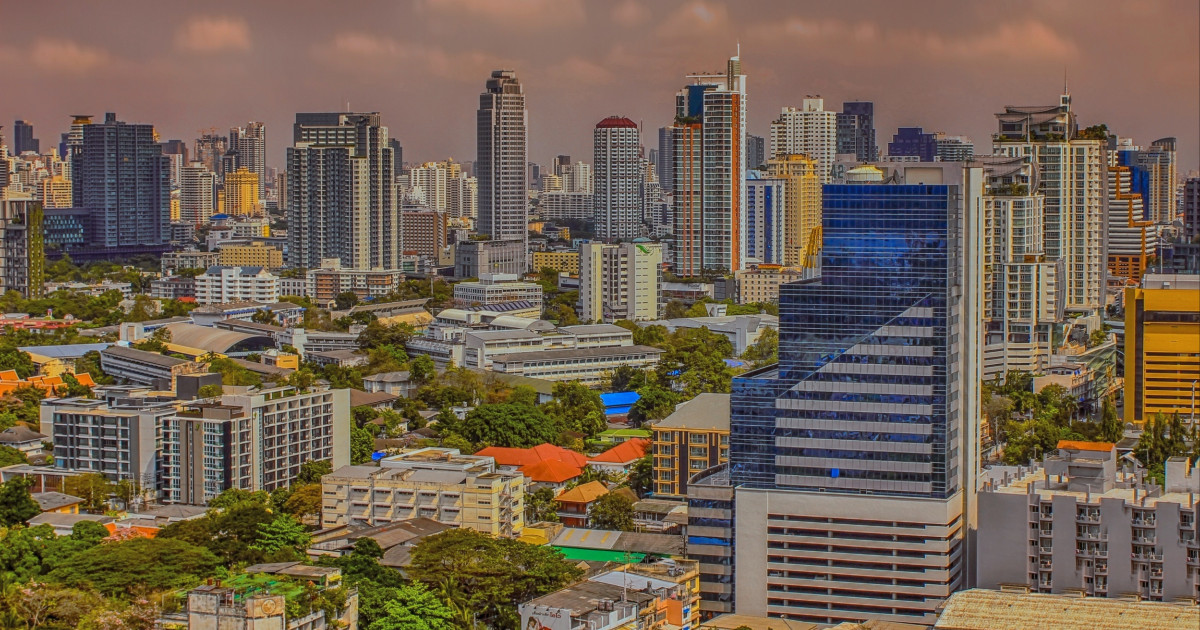
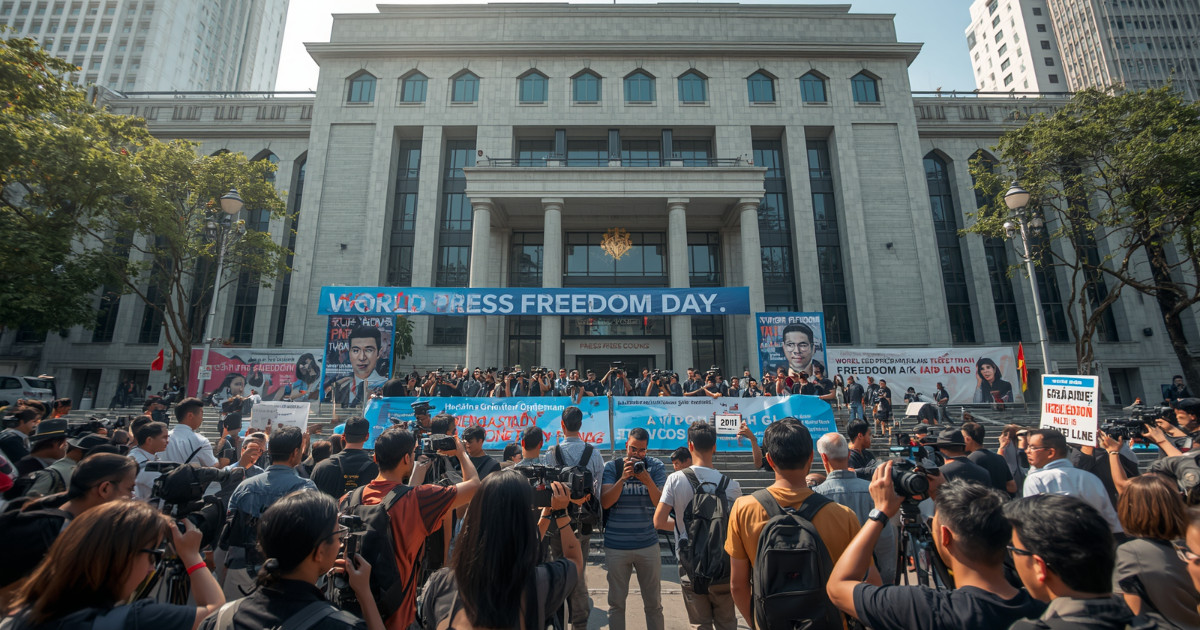
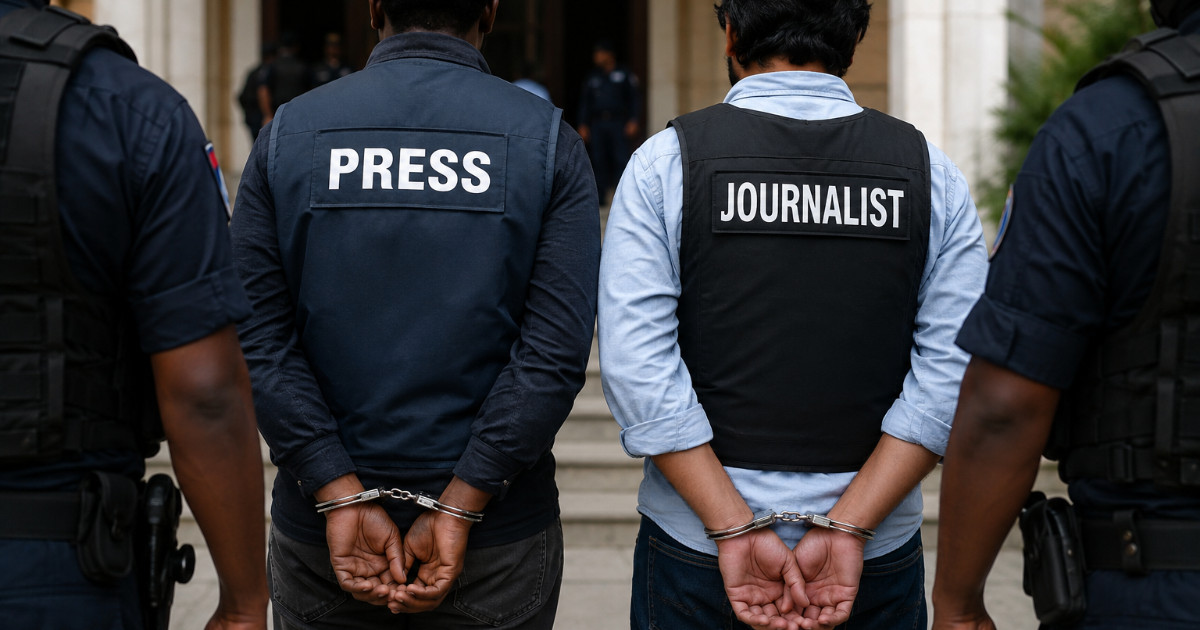
PHOTO: AI‑generated; for illustrative purposes only.
Key Points
- Thai court dismissed criminal defamation charges after Malaysia's regulator withdrew its complaint.
- Mediation required Hunter to apologize and retract several articles deemed problematic.
- Settlement restored Hunter's Substack access in Malaysia, and his passport was returned.
- The case prompted international concern as a cross-border example of alleged SLAPP tactics.
- Hunter was arrested in Bangkok in September 2025 under Thailand's defamation law, but faces no penalties after the settlement.
Relevant Topics
Ask AI: Understand this story your way
AI EnabledDig deeper, ask anything — get instant context, background, and clarity.
Disclaimer: This feature is powered by AI and is intended to help readers explore and understand news stories more easily. While we strive for accuracy, AI-generated responses may occasionally be incomplete or reflect limitations in the underlying model. This feature does not represent the editorial views of JournalismPakistan. For our full, verified reporting, please refer to the original article.