.png)
Iran internet shutdown fears grow amid protests and controls
JournalismPakistan.com | Published: 17 January 2026 | JP Middle East Desk
Join our WhatsApp channel
After nationwide internet disruptions during January protests, activists warn Iran is moving toward long-term disconnection from the global internet via its state-run National Information Network. Journalists faced obstacles to reporting and verification.Summary
TEHRAN — Digital rights activists and press freedom groups are warning that Iran may be moving toward long-term or permanent restrictions on access to the global internet, following severe nationwide disruptions imposed during protests that began in early January.
The shutdowns, which affected mobile data and broadband access across multiple provinces, significantly limited Iranians ability to communicate, access news, and share information with the outside world. Journalists inside the country reported major obstacles in verifying events, contacting sources, and filing stories as connectivity became unreliable or unavailable for extended periods.
Concerns over a controlled national network
Rights groups say the latest disruptions appear consistent with Iran’s long-standing efforts to expand its state-run National Information Network, an internal system designed to function independently from the global internet. Iranian officials have publicly described the network as a way to improve cybersecurity and digital self-sufficiency, but critics argue it enables censorship and surveillance.
Digital rights organizations stress that while the government has not formally announced a permanent disconnection from the global internet, repeated large-scale shutdowns during periods of unrest suggest an increasing reliance on network controls as a security tool. They warn that routine use of such measures could normalize prolonged or indefinite isolation from the open internet for much of the population.
Impact on journalism and information access
Media advocates say the January shutdowns sharply reduced the flow of verified information at a time of heightened public interest and international attention. Independent journalists, including those working for foreign outlets, faced delays or were unable to transmit photos, video, and eyewitness accounts, increasing the risk of misinformation and unverified claims circulating online.
Press freedom groups note that Iran already ranks among the world’s most restrictive environments for journalists, with tight controls on domestic media and frequent legal action against reporters and editors. Internet disruptions, they argue, add a technical barrier that further limits reporting and public scrutiny.
Regional and global implications
Analysts caution that Iran’s use of internet shutdowns is being closely watched by other governments with similar concerns about online dissent. Digital policy researchers say the normalization of national intranets and selective connectivity could provide a model for states seeking to restrict cross-border information flows while maintaining basic online services.
While authorities in Tehran frame connectivity controls as temporary security measures, rights groups maintain that the lack of transparency around shutdown decisions and their duration fuels fears of a more permanent shift. They are urging international organizations to increase monitoring and pressure to protect digital access as a core component of freedom of expression.
ATTRIBUTION: Reporting based on statements and documentation from digital rights organizations, press freedom groups, and publicly available Iranian government policies on internet governance.
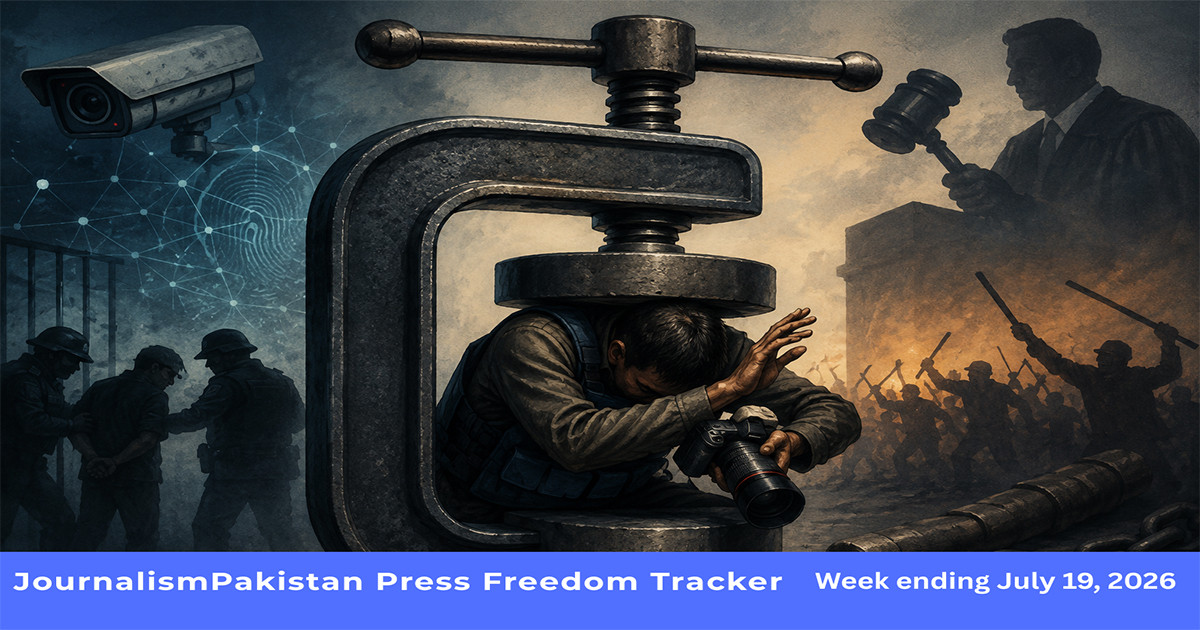
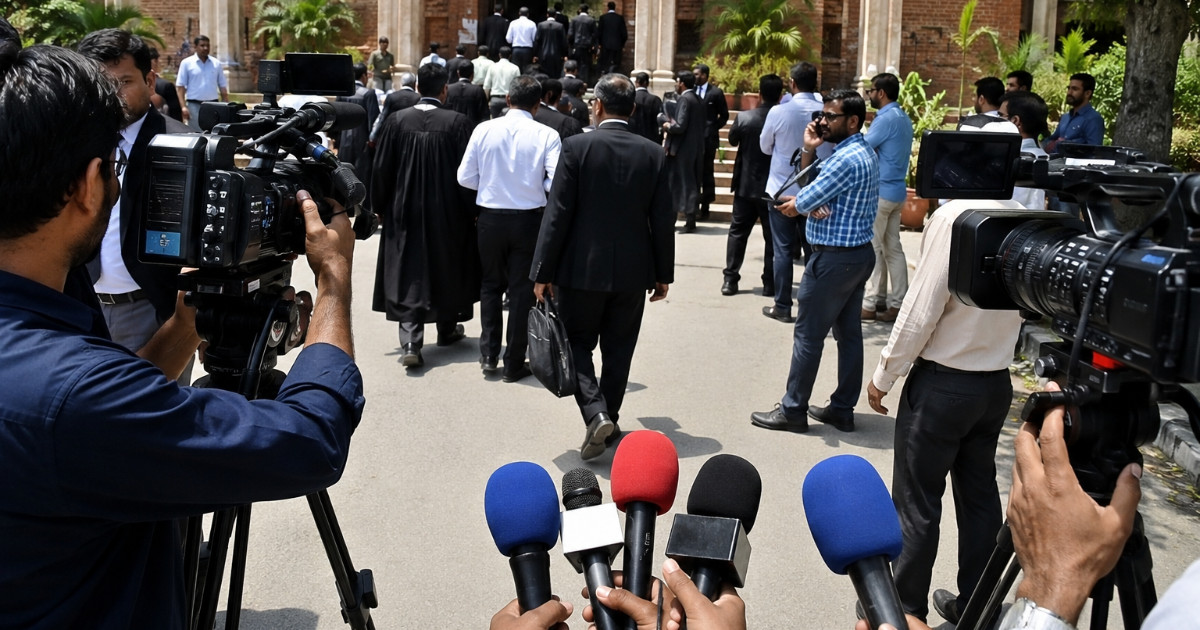
PHOTO: AI-generated; for illustrative purposes only.
Key Points
- Nationwide mobile data and broadband disruptions during January protests severely limited communication and information flow.
- Journalists reported major obstacles in verifying events, contacting sources, and filing stories as connectivity failed.
- Rights groups warn Tehran may increasingly rely on the state-run National Information Network to isolate the country from the global internet.
- Officials frame the network as enhancing cybersecurity and self-sufficiency; critics say it enables censorship and surveillance.
- Repeated large-scale shutdowns risk normalizing prolonged or permanent disconnection from the open internet for many Iranians.
Relevant Topics
Ask AI: Understand this story your way
AI EnabledDig deeper, ask anything — get instant context, background, and clarity.
Disclaimer: This feature is powered by AI and is intended to help readers explore and understand news stories more easily. While we strive for accuracy, AI-generated responses may occasionally be incomplete or reflect limitations in the underlying model. This feature does not represent the editorial views of JournalismPakistan. For our full, verified reporting, please refer to the original article.