
PECA puts routine reporting under legal pressure
JournalismPakistan.com | Published: 24 September 2026 | Areeba Bint-e-Saeed
Join our WhatsApp channel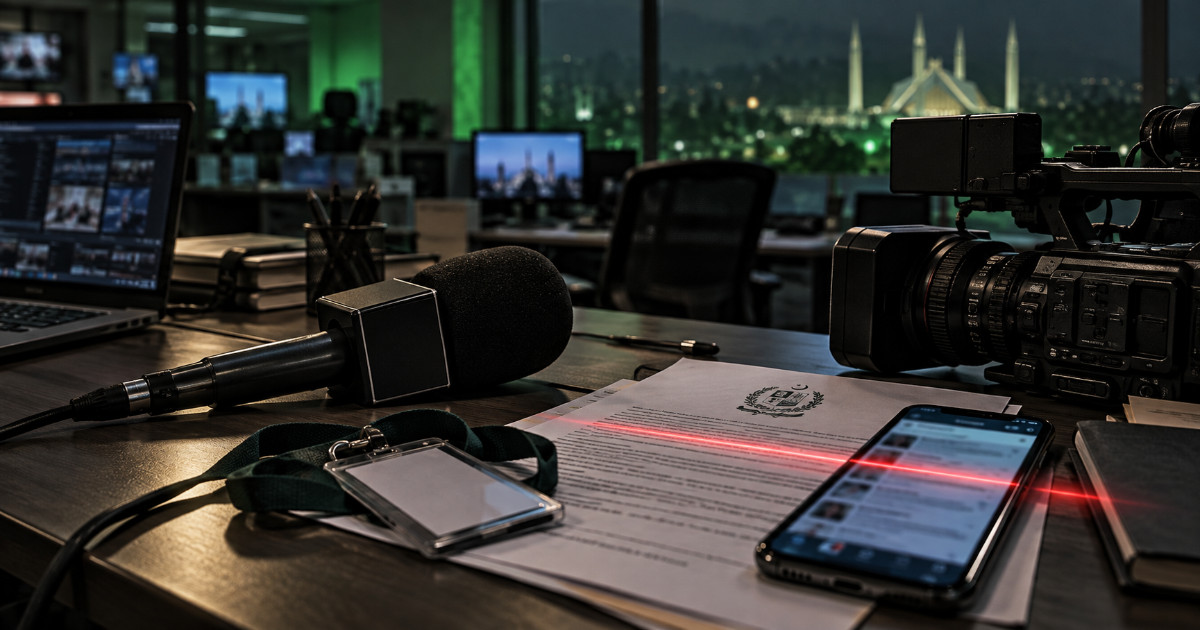
A Lahore Rang TV reporter's routine traffic report prompted a PECA complaint to the National Cyber Crime Investigation Agency, illustrating how complaints and probes under Pakistan's cybercrime law are increasingly used to target routine journalism.Summary
Complaints, inquiries and prosecutions under Pakistan’s cybercrime law are testing the boundary between regulating harmful online content and protecting public-interest journalism.
ISLAMABAD — A routine assignment on traffic violations drew Lahore Rang TV reporter and anchor Muhammad Awais into the orbit of Pakistan’s cybercrime law. On July 16, 2026, a lawyer submitted a complaint to the National Cyber Crime Investigation Agency (NCCIA) over a video recorded near Lahore’s Ring Road and later circulated on social media. This analysis draws on Freedom Network case documentation, official records and comments from High Court lawyer Muhammad Sajjad Mehr.
The complaint named Awais, his cameraman, a traffic warden and two unidentified people. It alleged that the lawyer had been recorded without consent and that the video, captions and thumbnails caused reputational harm. The complainant asked the NCCIA to investigate and register a case under the Prevention of Electronic Crimes Act (PECA) 2016 and other relevant laws.
From field assignment to cybercrime complaint
Awais told Freedom Network that his channel had assigned him to report on traffic violations and that the recording was made during legitimate news coverage. He denied breaching journalistic ethics. The complaint remained under consideration at the time of Freedom Network’s report and did not amount to a finding of guilt or criminal liability.
Yet the movement of a routine field assignment into the cybercrime system illustrates a broader concern. Across Pakistan, journalists are increasingly encountering complaints, inquiries and criminal proceedings over reporting and commentary distributed through digital platforms.
A widening pattern of legal pressure
In March, Qaisar Ejaz Toba Sial, the Khanewal correspondent for Daily Khabrain, Multan, posted a video that appeared to show an intoxicated person driving a police van belonging to City Police Station in Khanewal. After the footage spread online, an FIR was registered against Sial under PECA and he was arrested, according to Freedom Network. Sial maintained that he had documented a matter of public concern and questioned why the handling of the police vehicle had not received the same scrutiny.
In another case, journalist and digital commentator Imran Shafqat was issued an NCCIA notice on July 24 requiring him to appear before the Cyber Crime Reporting Centre in Multan. The notice, issued under Section 160 of the Code of Criminal Procedure, concerned an inquiry into social media content that allegedly targeted government institutions and public figures with false and malicious claims. It required Shafqat to record a statement and produce his original identity card. The notice initiated an investigative process; it was not a determination that he had committed an offense.
The cases form part of a wider trend. In October 2025, Freedom Network reported at least 36 formal legal cases against 30 journalists and media practitioners during the first year of the current federal government—22 under PECA and 14 under the Pakistan Penal Code. In April 2026, Interior Minister Mohsin Naqvi told the National Assembly that 187 cases had been registered under the amended law’s provision on false and fake information. Those figures covered all accused persons, not only journalists. The following month, officials told a Senate subcommittee that 41 cases involved journalists, media workers and social media activists.
What the amended law says
PECA was enacted in 2016 to address offenses committed through information systems. Its Section 20 covers information that a person intentionally and publicly transmits while knowing it to be false and that harms another individual’s reputation or privacy. The offense carries a maximum prison term of three years, a fine of up to Rs1 million, or both.
The 2025 amendments added Section 26A, which applies when someone intentionally disseminates information through an information system while knowing, or having reason to believe, that it is false or fake and likely to cause fear, panic, disorder or unrest among the public. The maximum punishment is three years in prison, a fine of Rs2 million, or both. The amendments also placed PECA investigations with the NCCIA and created a new regulatory structure for social media.
The government says the law is intended to curb deliberate falsehoods, hate speech and content that threatens citizens, public order or national security—not to suppress legitimate criticism. Section 26A does include tests of intent, knowledge and likely harm. The dispute is over how broadly those standards can be interpreted and what happens to journalists while an allegation is being investigated.
Press freedom groups argue that vaguely framed provisions can expose legitimate reporting, commentary and satire to criminal complaints. Even when no conviction follows, responding to notices, securing bail, surrendering devices or facing arrest can consume time and money and create pressure to avoid sensitive subjects.
Constitutional rights and older controls
Pakistan’s Constitution protects freedom of speech and of the press under Article 19, subject to specified “reasonable restrictions.” Article 19A, which guarantees access to information in matters of public importance, was added through the 18th Amendment in 2010—not by the 1956 Constitution, as is sometimes stated.
Legal controls over the media long predate the digital age. The Press and Publications framework introduced under Ayub Khan gave the state extensive power over print media. Private broadcasting expanded after the Pakistan Electronic Media Regulatory Authority was established in 2002, but PEMRA also gave the state broad regulatory authority over electronic media. PECA extended the reach of regulation and criminal enforcement into the online sphere, where reporting, commentary and social media distribution increasingly overlap.
High Court lawyer Muhammad Sajjad Mehr said provisions designed to combat cybercrime, harassment and fraud can become instruments of intimidation when applied too broadly to journalistic work. The threat of inquiries, raids and criminal cases, he argued, can push reporters toward self-censorship before a court has examined the underlying reporting.
Mehr noted that Article 19 itself permits restrictions in areas such as national security, public order and the integrity of Pakistan. But he argued that such restrictions must be lawful, proportionate and subject to due process rather than used to protect the political interests of a government or institution. Laws enacted by Parliament remain subject to judicial review when their application conflicts with fundamental rights, he said.
The process can become the pressure
Pakistan ranked 153rd out of 180 countries in Reporters Without Borders’ 2026 World Press Freedom Index, improving from 158th in 2025 but remaining near the bottom of the table. RSF ranked the country 149th on its legal indicator and said the 2025 PECA amendments had significantly strengthened the law’s restrictive role.
The legal distinction between an allegation and a conviction is essential: a complaint, notice or FIR does not prove wrongdoing. But for journalists, the process can itself have consequences. Repeated exposure to cybercrime inquiries may discourage reporting on public officials, government institutions and other powerful actors, particularly when the boundaries of prohibited online content remain uncertain.
Awais’ case therefore matters beyond one disputed recording. It captures the question at the center of Pakistan’s digital media debate: whether laws meant to address genuine online harm can be enforced without turning public-interest reporting into a legal risk.
ABOUT THE WRITER: Areeba Bint-E-Saeed, is a freelance journalist from Lahore and can be contacted at areebasaeed0608@gmail.com
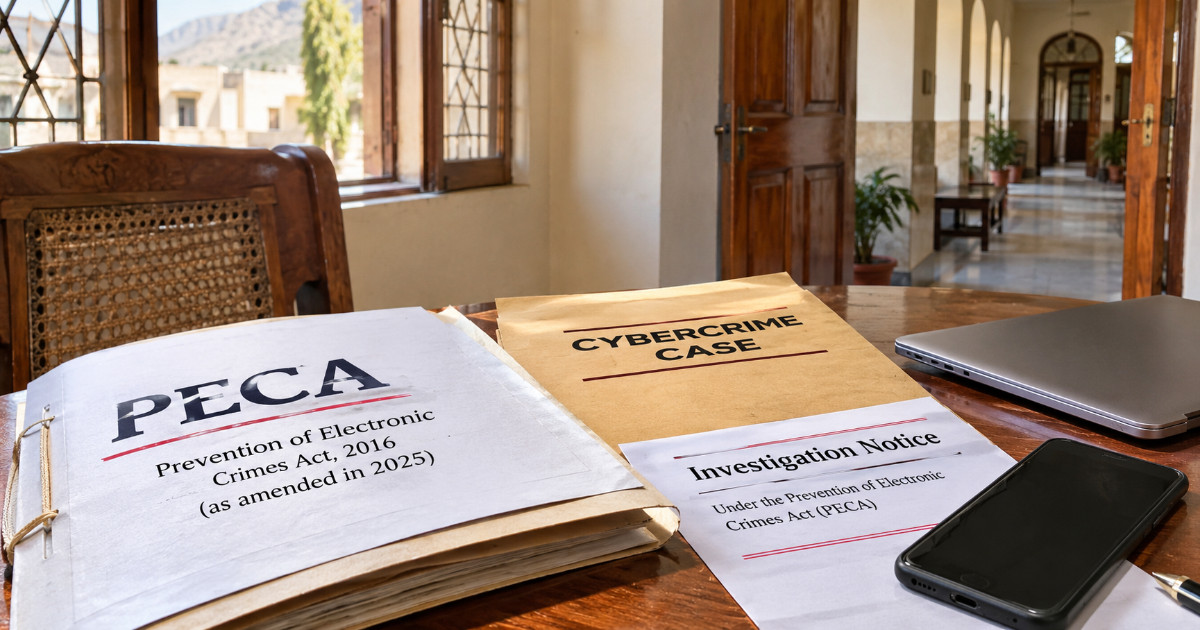
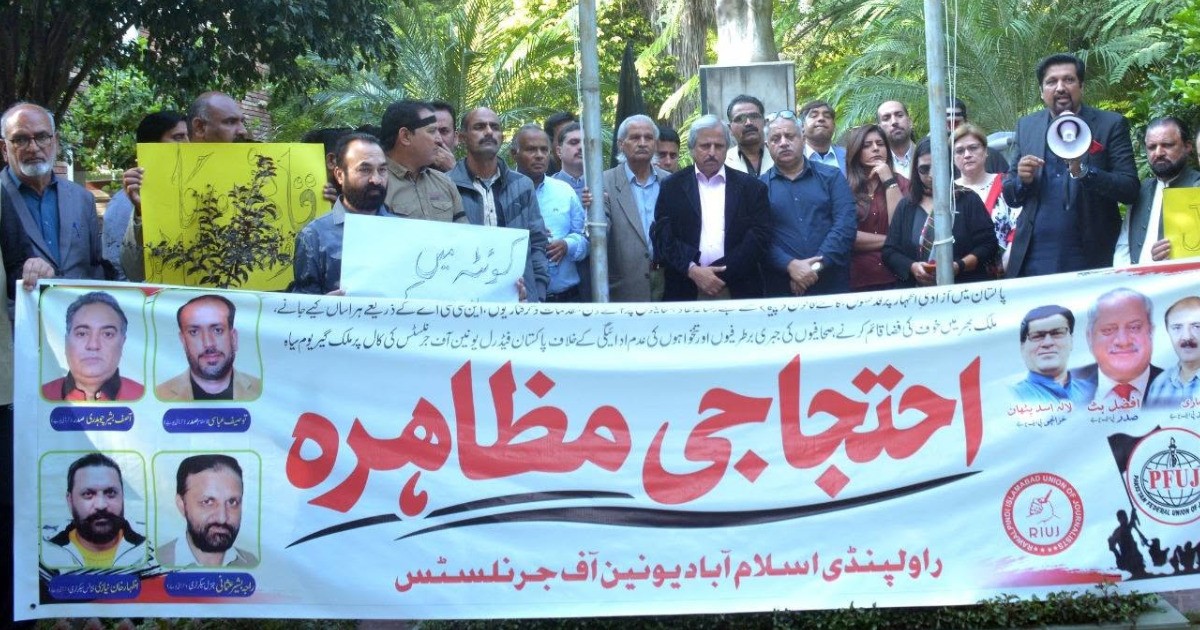
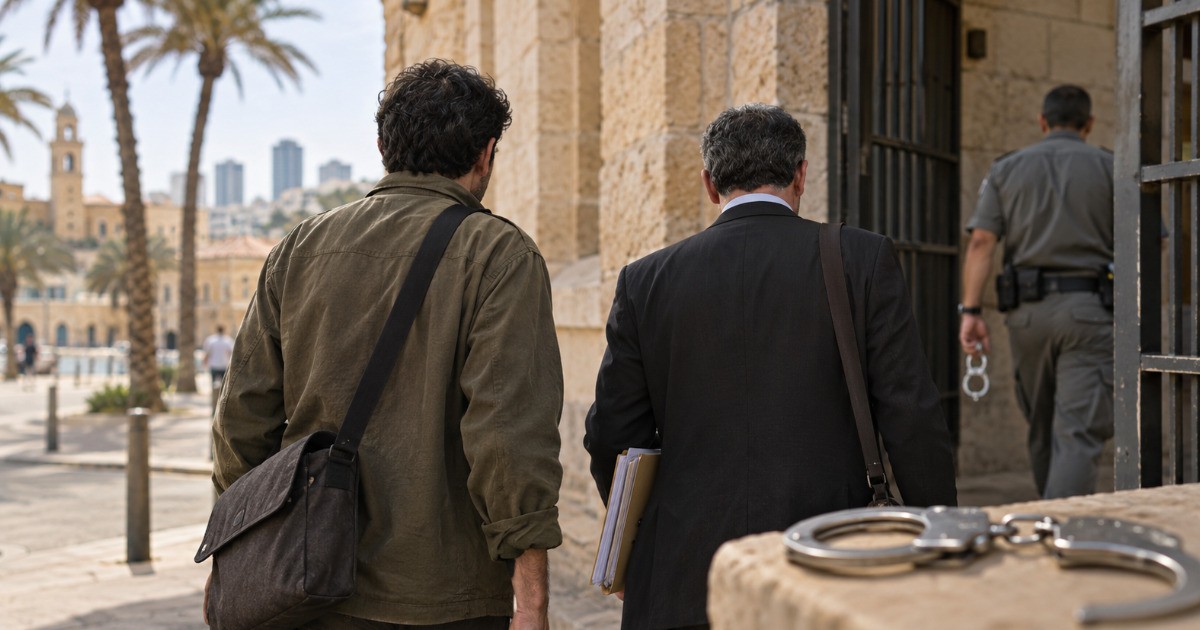
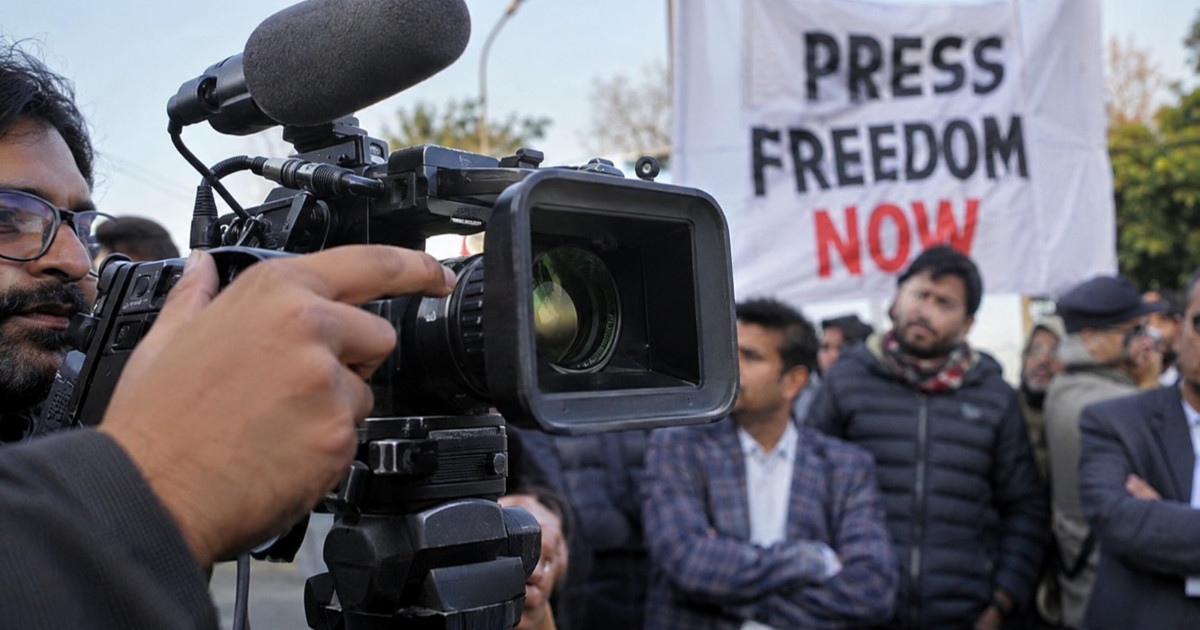
PHOTO: AI-generated; for illustrative purposes only
Key Points
- A Lahore Rang TV reporter was named in a PECA-related complaint after a traffic-reporting field assignment.
- The complaint alleges non-consensual recording and reputational harm, and was submitted to the NCCIA.
- The case remained under consideration and did not constitute a finding of guilt at time of reporting.
- The incident highlights wider concerns about PECA being used against routine and public-interest journalism.
- Documentation by Freedom Network and comments from a High Court lawyer informed the analysis.
Key Questions & Answers
What happened in the Lahore Rang TV case?
A lawyer filed a complaint with the NCCIA alleging a reporter recorded someone without consent, leading to a request to investigate under PECA and other laws.
Does the complaint mean the reporter is guilty?
No; at the time of reporting the complaint was under consideration and did not amount to a legal finding of guilt or liability.
Why are journalists concerned about PECA?
Journalists worry that PECA complaints, inquiries and prosecutions can be used to intimidate or chill routine and public-interest reporting.
What sources informed this analysis?
The report draws on Freedom Network case documentation, official records and comments from High Court lawyer Muhammad Sajjad Mehr.
Relevant Topics
Ask AI: Understand this story your way
AI EnabledDig deeper, ask anything — get instant context, background, and clarity.
Disclaimer: This feature is powered by AI and is intended to help readers explore and understand news stories more easily. While we strive for accuracy, AI-generated responses may occasionally be incomplete or reflect limitations in the underlying model. This feature does not represent the editorial views of JournalismPakistan. For our full, verified reporting, please refer to the original article.