
Salon closure raises questions for Pakistan's digital media
JournalismPakistan.com | Published: 8 November 2026 | JP Staff Report
Join our WhatsApp channel
Salon's closure offers Pakistani digital newsrooms a reason to examine revenue and audience risks, not a ready-made diagnosis. A Pakistani outlet's consultancy experiment shows one possible alternative, though its long-term viability remains unproven.Summary
ISLAMABAD — The closure of Salon, one of America's pioneering digital news and opinion magazines, after 31 years of publication has highlighted the financial pressures facing independent online journalism and raised fresh questions about the sustainability of digital newsrooms in Pakistan.
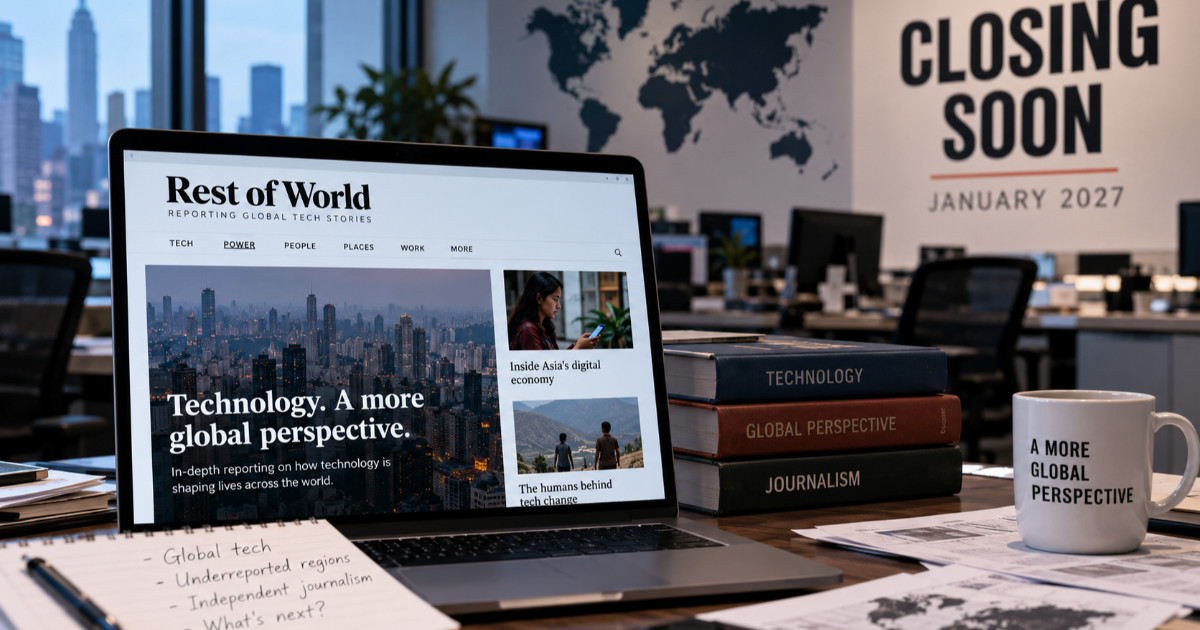
Founded in San Francisco in November 1995, Salon became known for its progressive political commentary, investigative reporting, cultural criticism and coverage of current affairs. On November 5, 2026, the publication announced that it was ceasing publication because its business model was no longer sustainable. Its demise illustrates how even an established digital publication with a recognizable editorial identity can struggle to remain financially viable.
An early digital pioneer closes
Salon emerged when the internet was still developing as a platform for professional journalism. It helped demonstrate that online-only publications could produce original reporting, political analysis, and cultural commentary without relying on traditional print operations. Over three decades, its contributors included prominent American journalists and commentators, while its editorial approach helped shape political debate and online publishing.
In its farewell announcement, Salon acknowledged that the economics of independent digital journalism had changed profoundly. However, it did not provide a detailed financial breakdown or identify advertising losses, artificial intelligence, or declining search traffic as the decisive cause. The Associated Press reported on November 5 that the publication had no immediate plans to remove its extensive digital archives.
The challenge for Pakistani newsrooms
Salon operated in a different economic and media environment from Pakistan's digital publishers, but its closure highlights a shared challenge: producing journalism and financing journalism are two separate responsibilities. A publication may attract readers, develop a strong reputation and maintain a distinctive editorial voice without generating enough dependable income to sustain its operations.
The Institute for Research, Advocacy and Development (IRADA), in its State of Digital Journalism in Pakistan research published in 2023, identified financial sustainability as a major challenge for independent digital journalism startups. The research examined the difficulties of reaching audiences, generating revenue, and developing the commercial skills needed to build viable news organizations.
IRADA highlighted possible revenue sources including advertising, subscriptions, memberships, crowdfunding, paid newsletters, grants and commercial services. However, these options require different organizational capabilities and cannot be treated as universally successful solutions. Advertising depends partly on audience reach, while subscriptions and memberships require readers to recognize sufficient value in financially supporting a publication.
JournalismPakistan examined these difficulties in its March 17, 2026, special report, Why news subscriptions struggle in Pakistan. The report identified limited disposable income, established expectations of free news, dependence on social media platforms and concerns about editorial credibility as obstacles to building reader-funded journalism.
It also emphasized that Pakistani publishers cannot simply reproduce subscription models used by major Western newspapers. Local market conditions, audience preferences, payment systems and the availability of distinctive reporting must shape any attempt to introduce paid content.
A Pakistani example of revenue diversification
One practical example comes from Tribal News Network (TNN), an independent media organization covering the tribal regions of Khyber Pakhtunkhwa.
According to International Media Support's 2025 impact report, TNN developed Career Paths, an education consultancy assisting Pakistani students interested in studying abroad. The venture generated approximately PKR 4 million ($14,000) in annual revenue, providing an additional source of financing for the organization's journalism.
TNN co-founder Tayyeb Afridi told International Media Support that income from the consultancy helped cover senior management salaries during seven months when the organization had no active grants. The outlet had previously depended on grants for approximately 70% of its income.
The experience demonstrates how an independent newsroom can supplement journalism revenue through services outside conventional advertising and subscriptions. However, it does not establish that similar ventures would succeed for every publisher. Developing such activities requires specialist knowledge, investment and safeguards to prevent commercial interests from influencing editorial decisions.
Changing search habits create another risk
Alongside revenue uncertainty, digital publishers face changes in how audiences discover journalism. Search engines, social media platforms and artificial intelligence services increasingly influence whether readers visit news websites directly or encounter information through intermediaries.
A Pew Research Center study published on July 22, 2025, found that Google users clicked conventional search results on 8% of visits when an AI-generated summary appeared, compared with 15% when no such summary was displayed. Links within AI summaries received clicks on only 1% of visits featuring those summaries.
The findings were based on browsing data from 900 American adults and an analysis involving 68,879 unique Google searches. They do not measure the impact of AI summaries on Pakistani publishers or establish that artificial intelligence caused Salon's closure.
Nevertheless, the research highlights a significant business concern. Publishers dependent on search referrals may face financial difficulties if changes in platform behavior reduce visits to their websites. Fewer visits can weaken advertising opportunities, limit audience development, and make it harder to establish direct relationships with readers.
For smaller Pakistani newsrooms, this raises questions about how much control they exercise over the channels through which their journalism reaches audiences.
Lessons from independent journalism in Asia
JournalismPakistan also examined regional funding challenges in its October 27, 2026, special report, How do independent newsrooms in Asia survive financially?
The report reviewed how independent publishers across Asia were experimenting with memberships, subscriptions, individual donations, philanthropic support and alternative commercial activities to reduce dependence on advertising and short-term grants.
Examples included reader-supported publications in Malaysia, India and Hong Kong, alongside nonprofit and grant-supported journalism initiatives elsewhere in the region.
The findings suggested that diversified funding could improve financial resilience, but no single model guaranteed independence or long-term survival. Even organizations with established membership programs continued to face uncertainty over audience contributions and operating costs.
The report also emphasized the importance of transparent funding arrangements and clear separation between editorial decisions and commercial or donor relationships.
That distinction is particularly relevant in Pakistan, where government advertising has historically been an important source of media revenue. The International Federation of Journalists, in its Pakistan Press Freedom Report 2025–26, raised concerns about the use of advertising allocations and financial pressure to influence media organizations.
For independent digital publishers, replacing dependence on one major advertiser with dependence on a single donor or commercial sponsor may simply create a different form of vulnerability.
What Pakistan's digital publishers can learn
Salon’s closure does not demonstrate that independent digital journalism has become commercially impossible. It does, however, underline the risks of operating without a sufficiently resilient financial model.
For Pakistani publishers, the immediate priority is to understand where revenue originates, how much depends on individual sources and whether alternative income could sustain essential reporting during an unexpected financial disruption.
Developing direct audience relationships through newsletters, memberships and specialized journalism may reduce reliance on third-party platforms. Training programs, research services, events and other commercial activities may also provide supplementary income where appropriate.
Equally important are realistic operating budgets, financial reserves, transparent funding arrangements and clear editorial safeguards. Diversification alone offers little protection if additional revenue sources are unstable or undermine public confidence in a newsroom's independence.
Salon helped establish the possibilities of internet-native journalism in 1995. Its decision to stop publishing three decades later is a reminder that technological innovation and editorial achievement do not automatically produce financial sustainability.
For Pakistan's expanding digital journalism sector, the central question is no longer simply how to establish an online newsroom or attract readers. It is how to build an institution capable of financing independent journalism consistently, protecting its editorial mission and surviving changes in the digital economy.
ATTRIBUTION: Analysis by JournalismPakistan staff. Based on Salon's November 5, 2026, announcement, Associated Press reporting, IRADA's research on digital journalism in Pakistan, International Media Support's 2025 impact report, Pew Research Center's July 2025 findings, and the International Federation of Journalists' Pakistan Press Freedom Report 2025–26. Additional context from JournalismPakistan's special reports published March 17 and October 27, 2026.
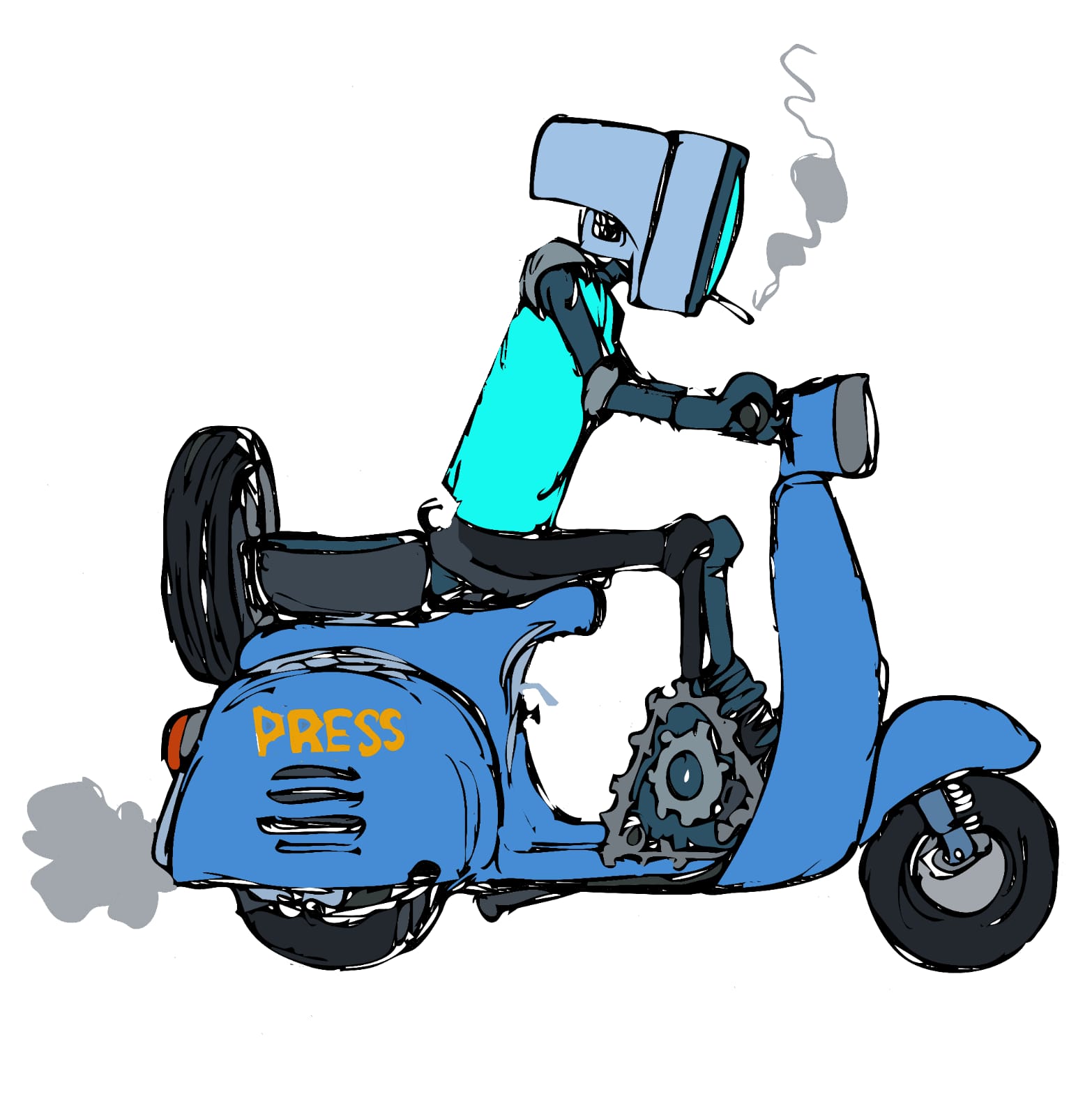
PHOTO: AI-generated; for illustrative purposes only.
Key Points
- Salon said its publishing model was no longer sustainable.
- The publication did not disclose a detailed breakdown of its finances.
- IRADA identifies audience reach and income as challenges for Pakistani outlets.
- IMS says Tribal News Network earned consultancy revenue during 2024.
- Pew’s US search findings do not establish why Salon closed.
Key Questions & Answers
Why did Salon close?
Salon said its publishing model was no longer sustainable, but its farewell did not provide a detailed financial breakdown.
Did AI search summaries cause Salon’s closure?
Salon did not establish that connection; Pew’s US search research is a separate comparison, not evidence of Salon’s losses.
How did Tribal News Network test another source of income?
It developed an education consultancy with International Media Support’s advice, generating about $14,000 in revenue in 2024, IMS reported.
What revenue options can Pakistani digital outlets consider?
An IRADA report discusses advertising, subscriptions, membership, crowdfunding, paid newsletters, services and grants, depending on an outlet’s circumstances.
Relevant Topics
Ask AI: Understand this story your way
AI EnabledDig deeper, ask anything — get instant context, background, and clarity.
Disclaimer: This feature is powered by AI and is intended to help readers explore and understand news stories more easily. While we strive for accuracy, AI-generated responses may occasionally be incomplete or reflect limitations in the underlying model. This feature does not represent the editorial views of JournalismPakistan. For our full, verified reporting, please refer to the original article.