.png)
Mubashar and Meher not the only ones
JournalismPakistan.com | Published: 18 June 2012 | Saadia Khalid
Join our WhatsApp channel
The Dunya TV incident has raised concerns about media integrity in Pakistan, revealing deeper issues of trust and political influence. Similar patterns exist globally.Summary
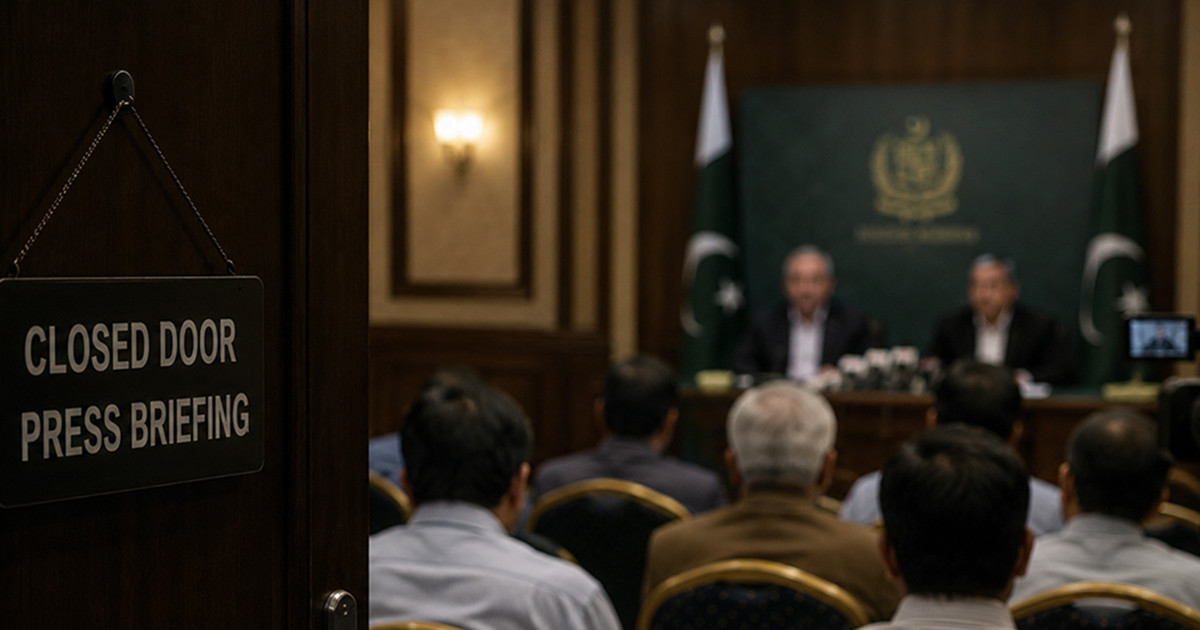
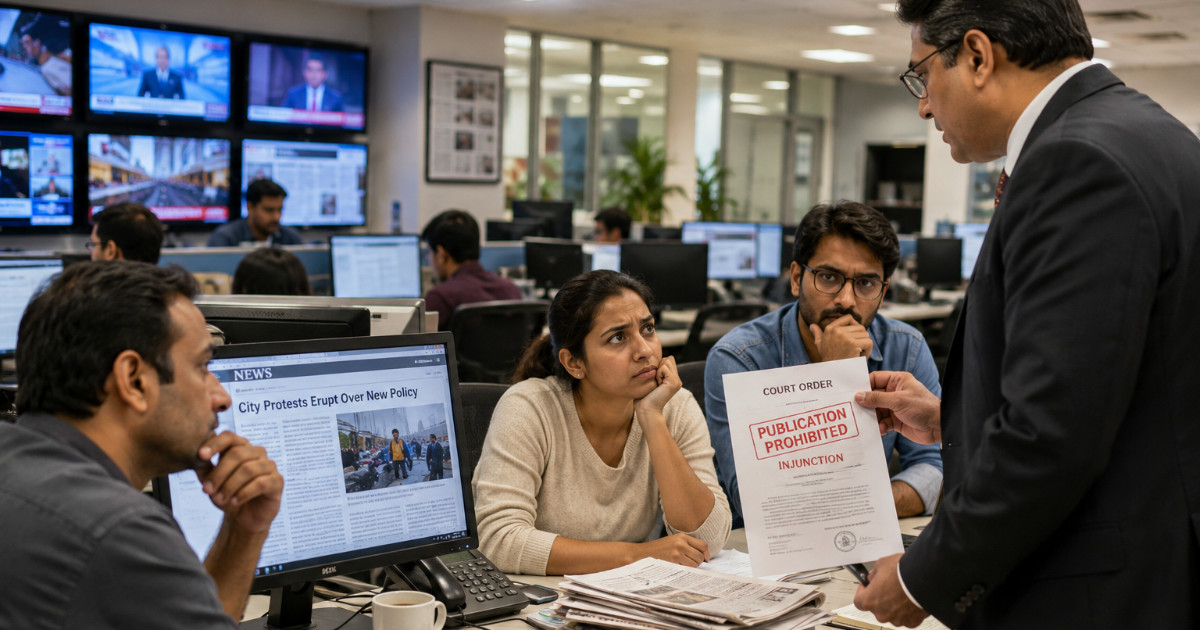
LEEDS: Media houses are agenda-driven and journalists too - in some cases - act as mouthpieces of government and sometimes of security agencies. We have been hearing this for decades. Initially the media houses were associated with mainly two political parties. Then the role of the security agencies became evident. This association grew ‘stronger’ with the arrival of electronic media.
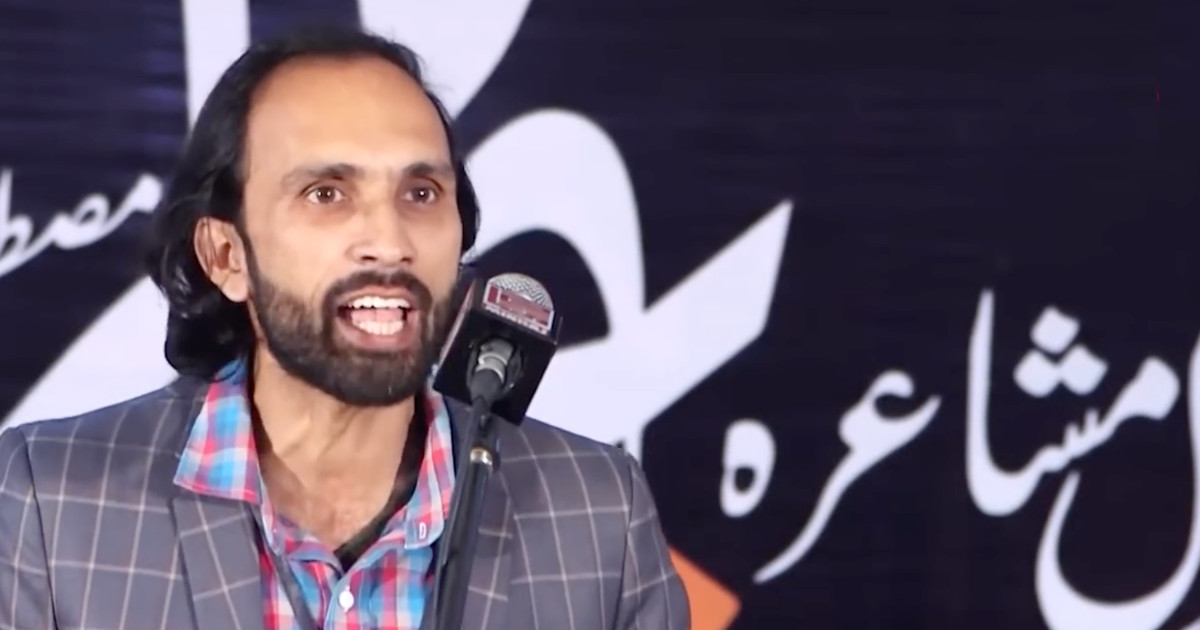
Mubashar Lucqman and Meher Bukhari, the Dunya TV anchors got caught after their off air footage of an interview with property tycoon Malik Riaz went viral. But this does not mean only these two from the entire media industry were doing planted programs or only Dunya TV was driven by some agenda. Obviously there would be many more.
Some would take this incident as a blessing in disguise for making amends while some would try to be more ‘careful’ during off air discussions. Whatever the situation may lead up to, the incident has shattered the trust of people in television anchors and media houses. However, it is not just Pakistan where such things take place. These happen all over the world.
Obviously this is not a justification for what wrong the Dunya anchors did. Take for example the association of press with political parties in the United Kingdom which claims to have a free and fair media.
And this has been revealed during the trial of UK Premier David Cameron who is facing the Leveson Inquiry on charges of being biased in favor of a bid by News International's parent company News Corp to take over BskyB. It has been alleged that Conservatives gave undue favors to News International as a bargain for gaining support in elections.
The trial has brought to the fore various hidden facts about the relationship between the press and politicians as Cameron himself said the inquiry had created a cathartic moment for politicians, journalists and police to reset this relationship. The prime minister's witness statement reveals he had 1,404 meetings with media figures - 26 a month on average - while in opposition between 2005 and 2010.
Once in government, that fell to an average of about 13 a month. According to Cameron, the meetings he held with newspaper editors were an effort to promote the Conservative party and to gain their support. It was revealed in the court that in 2008 he made a trip to the Greek island of Santorini for a dinner with News International boss Rupert Murdoch in order to build relationship with him.
The prime minister admitted he tried to win support from Murdoch's newspapers during at least 10 meetings in the run-up to the election.
Meanwhile a text message sent by Mrs Brooks, the former boss of Rupert Murdoch’s newspaper group, to Cameron in October 2009 was read out to the inquiry in which she said she was "rooting for him", both as "a personal friend" and because "professionally we're in this together".
Cameron, however, admitted in the court the relationship between press and politicians has gone wrong and there is a need to get it on a better footing. The same perhaps needs to be done in Pakistan. The Dunya TV incident is a wakeup call for the growing media industry.
This also shows the subtleness with which such episodes are handled in the West and the crudeness with which journalists and politicians openly accuse each other in Pakistan. In the end the only defense available for everybody involved is: “It’s a conspiracy against me”. (Saadia Khalid works for The News, Islamabad. She is based in England)
Key Points
- Dunya TV anchors caught in a controversial incident affecting public trust.
- Media's historic ties with political parties and security agencies discussed.
- Comparisons drawn with UK press relations during political trials.
- Calls for reform in media practices and transparency in relationships.
- The incident serves as a wake-up call for the media industry.
Relevant Topics
Ask AI: Understand this story your way
AI EnabledDig deeper, ask anything — get instant context, background, and clarity.
Disclaimer: This feature is powered by AI and is intended to help readers explore and understand news stories more easily. While we strive for accuracy, AI-generated responses may occasionally be incomplete or reflect limitations in the underlying model. This feature does not represent the editorial views of JournalismPakistan. For our full, verified reporting, please refer to the original article.