
Media leaders urge tougher protection for journalists
JournalismPakistan.com | Published: 5 February 2016
Join our WhatsApp channel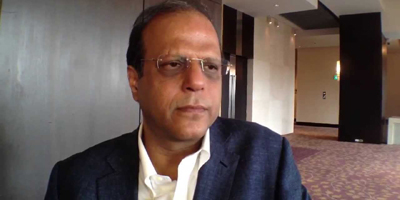
Media executives are urging governments to stop viewing journalists as adversaries and to enhance protections for them. Increasing violence against reporters and the normalization of attacks are major concerns raised at the conference in Paris.Summary
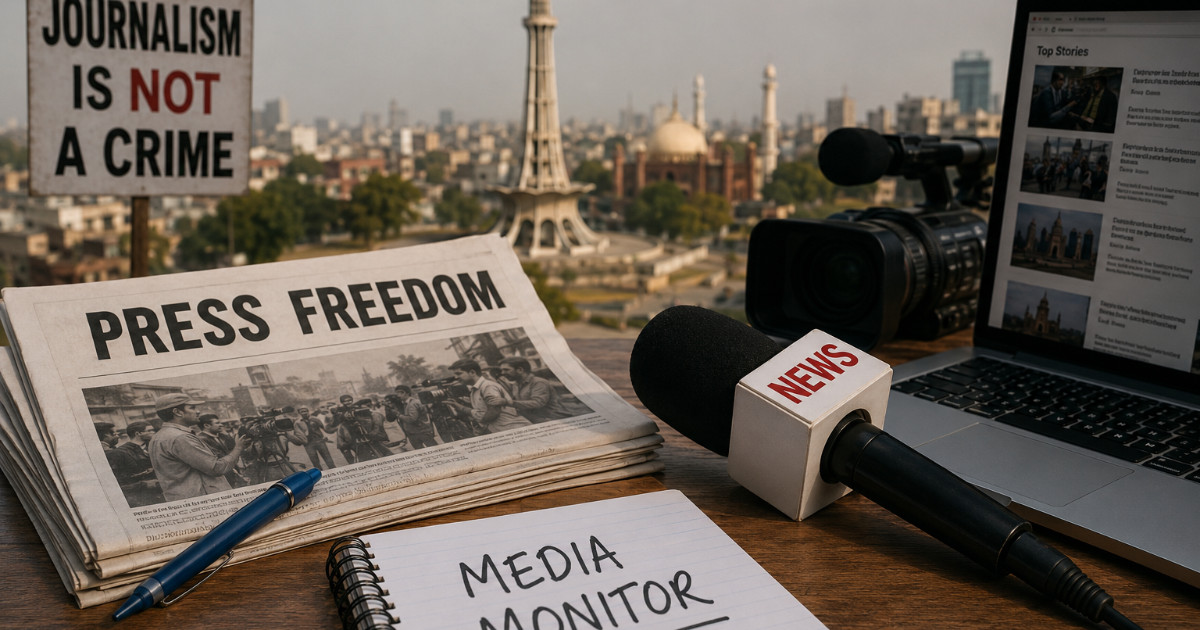
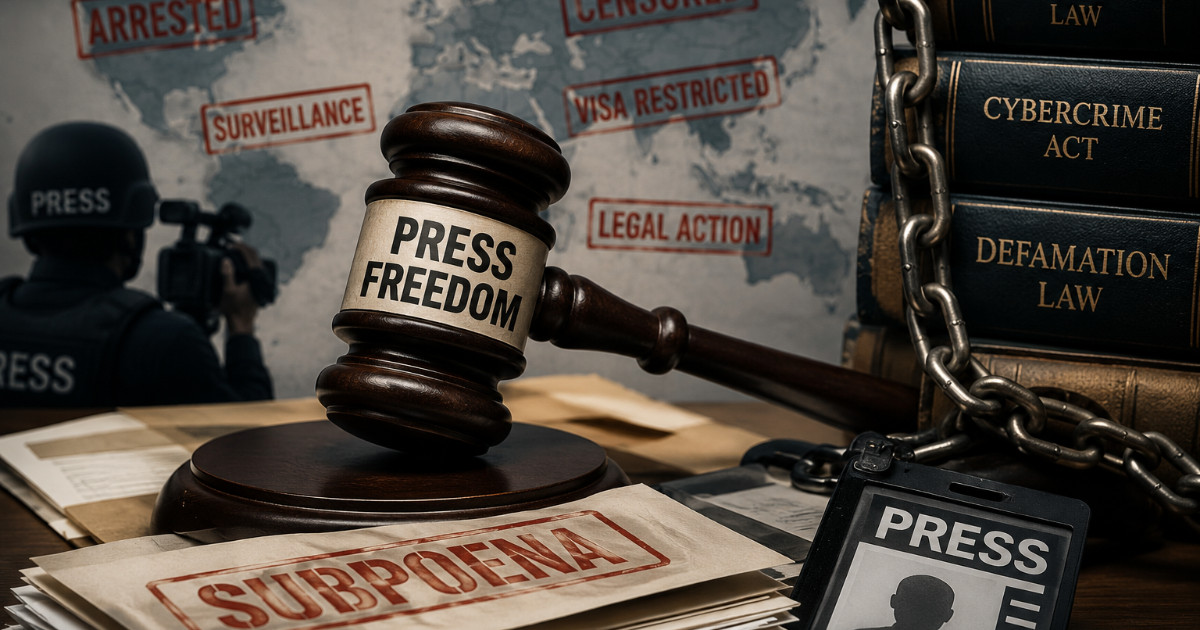
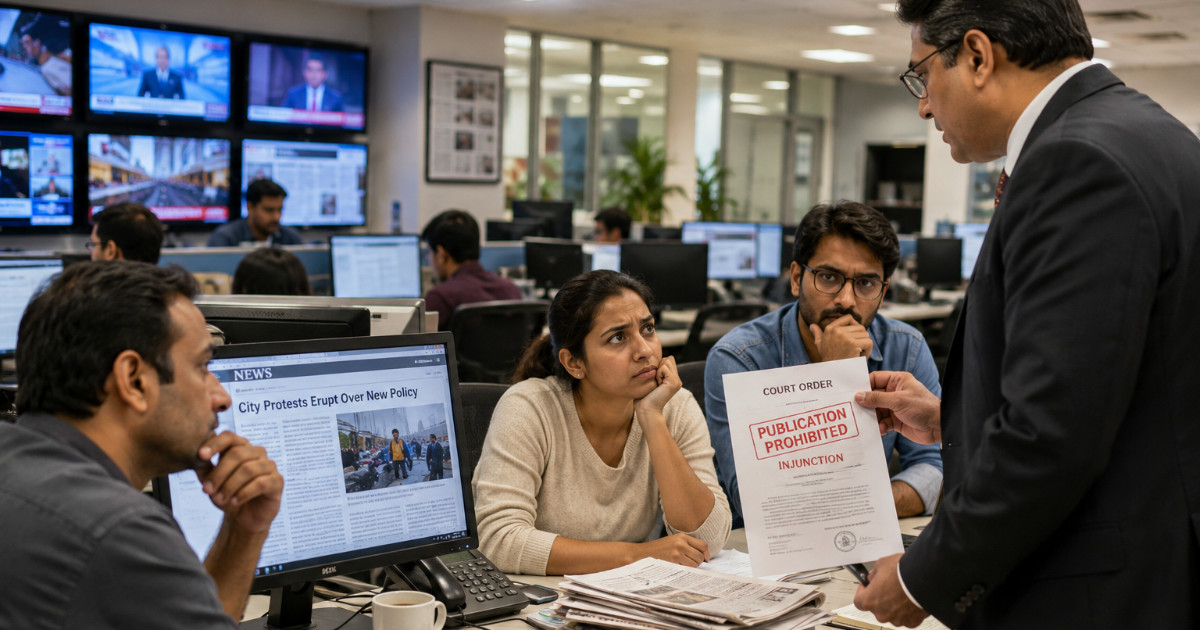
PARIS - World media executives are urging governments to stop looking at journalists as the enemy, and to better protect reporters covering wars, crime and corruption. Describing growing impunity for those who arrest or attack journalists, news leaders meeting Friday in Paris argued for more public outcry and pressure on governments when a reporter is targeted — whether in a war zone or in peacetime.
Freelancers are under extra risk, they warned, especially local reporters in countries where journalists have little recourse against violence or government pressure. "Whether by murder, violence, arrest or intimidation, the crimes taking place against journalists have become far too common.
In fact, they've become normalized," John Daniszewski, vice president of international news at The Associated Press, said at a conference on journalist safety at the headquarters of UNESCO, the U.N. cultural agency. CNN special correspondent Christiane Amanpour urged UNESCO's member governments to uphold freedom of expression.
"It's time for all of our leaders to stop looking at us as the enemy," she said. "Then we can deal with the bad guys." In the last 25 years, at least 2,297 journalists and media staff have been killed, according to a new report from the International Federation of Journalists.
Last year, 112 journalists were killed around the world, and last month seven media workers were killed in a suicide car bomb attack in the Afghan capital, Kabul.
Diane Foley, whose son James was kidnapped in Syria and beheaded by Islamic State militants while working as a freelancer, described feeling alone in fighting for his freedom, and decried the use of freelancers as what she called "cannon fodder." Major news organizations, struggling to cover Syria's civil war safely and trying to keep up with fast evolution in the industry, described new efforts to ensure protection of freelancers.
Among them are projects to share information about security in conflict zones, and to create insurance options for international and local stringers. Daniszewski stressed that what The AP and other media organizations are doing to help freelancers "is not enough." "We need to recommit governments to the importance of free media. Because it's slipping away," he said.
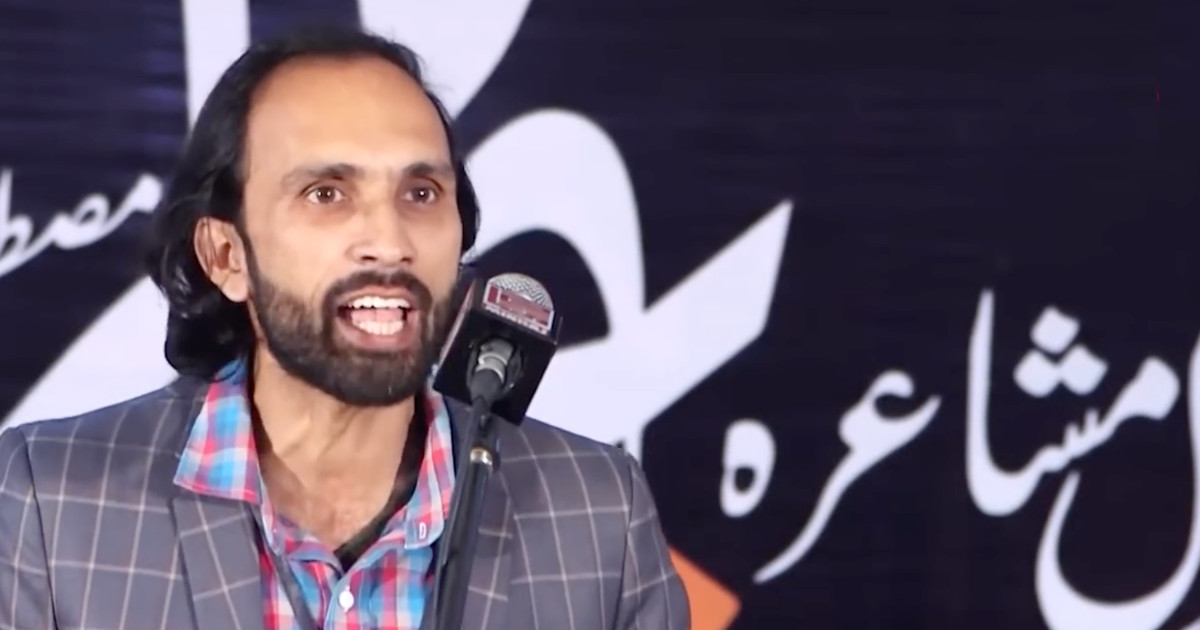
He also urged media organizations to not shy away from reporting on colleagues who are attacked or abused. "Every day, in every part of the world, some journalist somewhere is being harassed, or put in prison, or injured," he said. Zaffar Abbas (pictured), editor of Pakistan's Dawn newspaper, said any attack on a journalist "should be seen as an attack on all of us." - AP
Key Points
- Media leaders demand tougher protections for journalists worldwide.
- Freelancers face heightened risks, especially in conflict zones.
- Over 2,297 journalists and media staff have been killed in the last 25 years.
- A call for public outcry against violence targeting reporters was emphasized.
- Media organizations must continue to report on attacks against their colleagues.
Relevant Topics
Ask AI: Understand this story your way
AI EnabledDig deeper, ask anything — get instant context, background, and clarity.
Disclaimer: This feature is powered by AI and is intended to help readers explore and understand news stories more easily. While we strive for accuracy, AI-generated responses may occasionally be incomplete or reflect limitations in the underlying model. This feature does not represent the editorial views of JournalismPakistan. For our full, verified reporting, please refer to the original article.