.png)
Journalism without witnesses in the age of exile and shutdowns
JournalismPakistan.com | Published: 1 February 2026 | JP Staff Report
Join our WhatsApp channel
As journalists are jailed, forced into exile or cut off by internet restrictions, reporting increasingly relies on secondhand accounts, leaks and remote verification. This reduces transparency, weakens context and raises the risk of misinformation.Summary
ISLAMABAD — Journalism is increasingly being produced without direct witnesses as reporters are pushed into exile, jailed, or cut off from the public through digital restrictions. Across several countries, including Pakistan, these pressures are reshaping who can document national events and whose voices are excluded from the public record.
The combination of physical repression and digital control has altered the basic mechanics of reporting. When journalists cannot safely report on the ground or communicate freely with sources, coverage relies more heavily on secondhand accounts, leaked material, or remote verification, reducing transparency and increasing risks of misinformation.
Exile and imprisonment hollow out local reporting
The imprisonment of journalists and the forced exile of media workers have become persistent features of restrictive media environments. In Pakistan, journalists have faced arrests, prolonged legal cases, and threats that have pushed some reporters to relocate abroad, limiting their ability to access local sources and verify developments in person.
Reporting from exile can preserve a journalist’s safety, but it often weakens proximity to events and communities. Stories may lack immediacy and context, while sources inside the country face heightened risks when communicating with reporters based overseas, particularly under surveillance-heavy conditions.
Digital shutdowns narrow the public record
Internet shutdowns and restrictions on social media platforms further reduce the visibility of events on the ground. Pakistan has experienced repeated mobile internet suspensions during protests, elections, and security operations, disrupting real-time reporting and blocking journalists from publishing or verifying information as events unfold.
Such shutdowns not only silence journalists temporarily, but they also fragment the historical record. When images, videos, and eyewitness accounts cannot be transmitted, critical moments may go undocumented or be reconstructed later through incomplete evidence.
Together, exile, imprisonment, and digital controls shift storytelling power away from independent reporters toward official narratives. Over time, this reshaping of the information ecosystem determines which events are remembered, which abuses are documented, and which voices are missing from national and international conversations.
WHY THIS MATTERS: For Pakistani journalists and media organizations, these trends highlight the growing need for secure reporting tools, cross-border collaborations, and rigorous verification methods when on-the-ground access is restricted. Newsrooms must adapt workflows to protect sources, preserve evidence during shutdowns, and maintain credibility when reporting under constrained conditions.
ATTRIBUTION: Reporting and context based on publicly available documentation from Pakistani press freedom groups, international media watchdogs, and reporting by established news organizations.
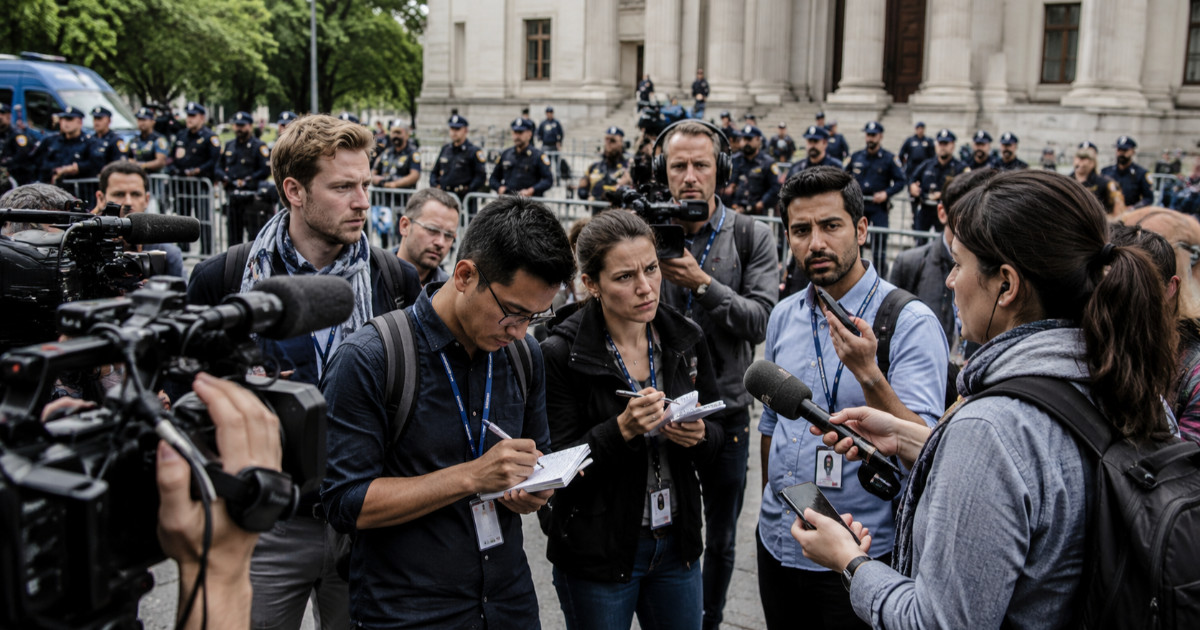
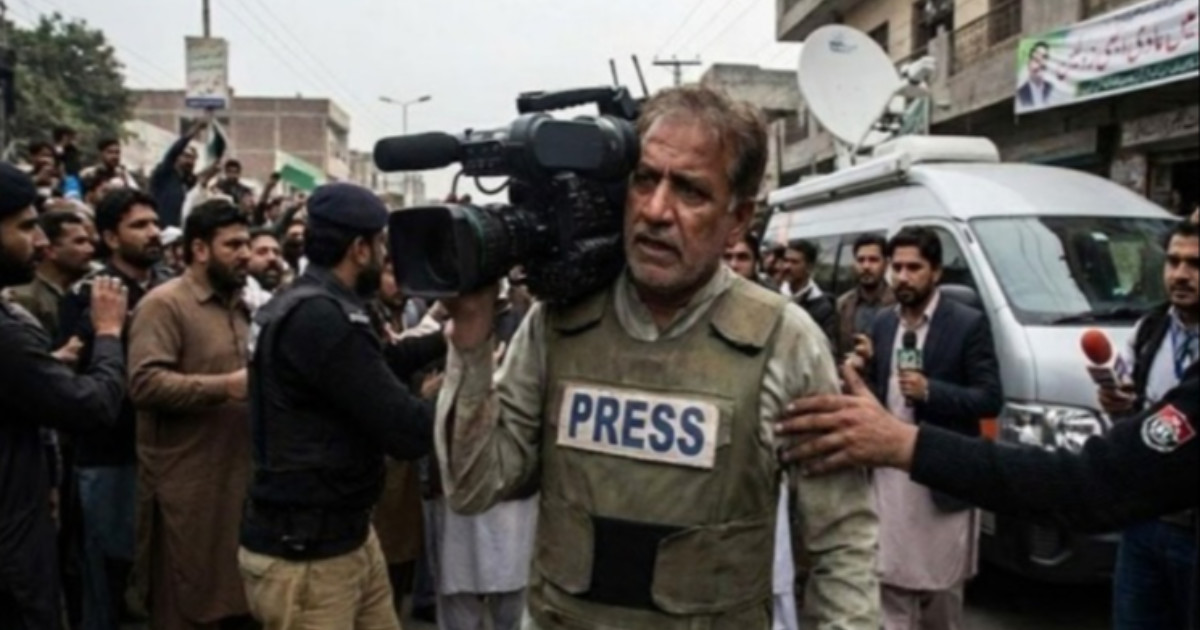
PHOTO: AI-generated; for illustrative purposes only.
Key Points
- Arrests and forced exile shrink the pool of local reporters who can verify events in person.
- Remote reporting and leaked material increasingly substitute for on-the-ground witnesses.
- Internet shutdowns and social media restrictions narrow the public record of events.
- Surveillance and digital controls heighten the risks for sources communicating with exiled journalists.
- The combined pressures increase the potential for misinformation and reduce transparency in coverage.
Relevant Topics
Ask AI: Understand this story your way
AI EnabledDig deeper, ask anything — get instant context, background, and clarity.
Disclaimer: This feature is powered by AI and is intended to help readers explore and understand news stories more easily. While we strive for accuracy, AI-generated responses may occasionally be incomplete or reflect limitations in the underlying model. This feature does not represent the editorial views of JournalismPakistan. For our full, verified reporting, please refer to the original article.