
Iran protests strain journalism amid 2,000 deaths
JournalismPakistan.com | Published: 13 January 2026 | JP Middle East Desk
Join our WhatsApp channel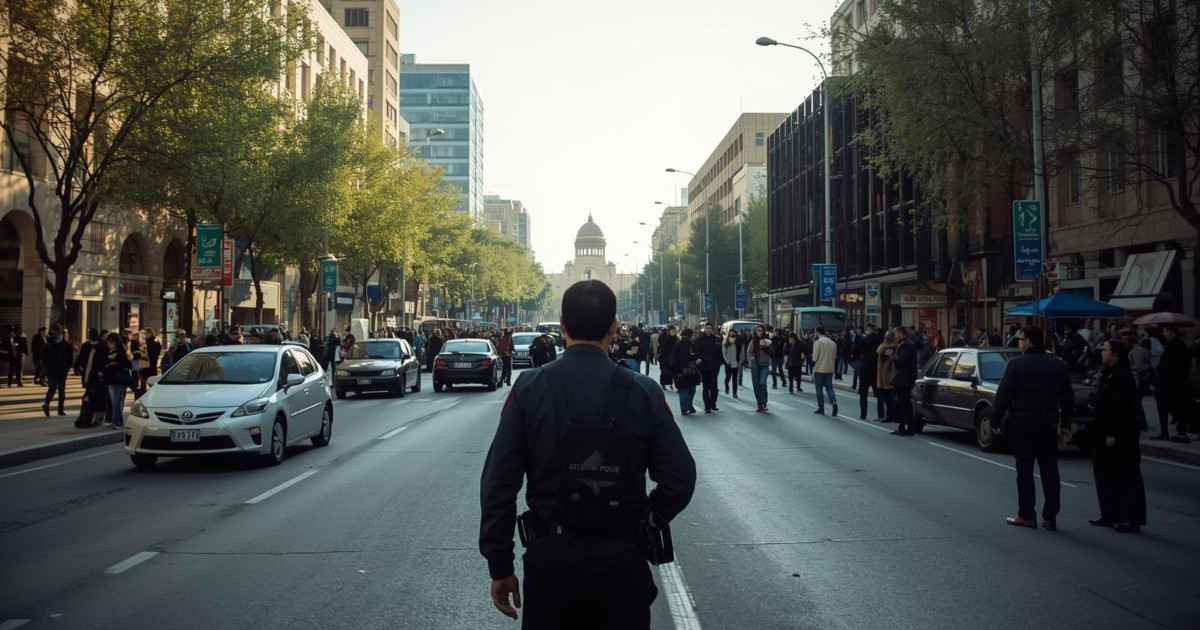
Iranian officials said about 2,000 people have died since late December as anti-government protests swept multiple provinces, a figure hard to verify amid heavy communications restrictions. Internet slowdowns, platform blocks and outages hamper reporting.Summary
TEHRAN — Iranian officials said on January 13 that about 2,000 people had died since anti-government protests began in late December, a claim that underscores the scale of unrest while highlighting the difficulty of independently verifying events inside the country. The demonstrations, triggered by political and economic grievances, have spread across multiple provinces and prompted a sweeping security response.
The government’s crackdown has coincided with extensive restrictions on communications, including mobile internet slowdowns, platform blocks, and periodic nationwide outages. These measures have sharply limited the ability of journalists, civil society groups, and families to share information, complicating efforts to document casualties, detentions, and the scope of the protests.
Reporting under blackout conditions
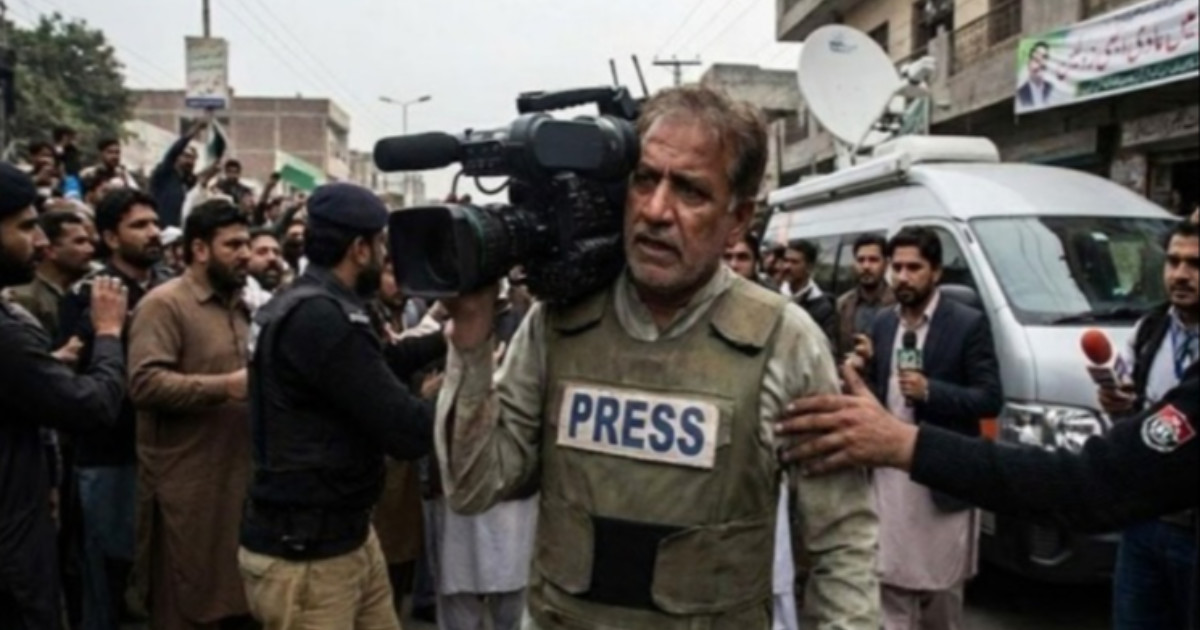
For journalists inside Iran, the communications shutdowns have made routine newsgathering nearly impossible. Reporters face legal and physical risks when attempting to verify information, while editors struggle to confirm videos, images, and eyewitness accounts circulating on encrypted messaging apps or satellite television.
Foreign media organizations have relied heavily on satellite links, open-source verification, and reporting from Iranian journalists working in exile. While these methods provide partial insight, they cannot fully substitute for on-the-ground reporting, leaving significant gaps in understanding how events are unfolding in real time.
Impact on press freedom and public access
Media freedom advocates say the information blackout has compounded long-standing restrictions on the Iranian press. Domestic outlets operate under strict regulations, and during periods of unrest, authorities have historically tightened controls on what can be published, including warnings against reporting casualty figures not issued by official sources.
The current disruptions also affect the public’s access to essential information, from safety updates to basic services. Analysts note that limiting information flow during crises can fuel rumors and misinformation, further eroding trust between the state, the media, and the public.
Regional and international implications
The situation has drawn close attention from neighboring countries and international newsrooms, given Iran’s regional influence and the precedent such crackdowns set for information control during unrest. How Iranian authorities manage media access and connectivity during this period is likely to be closely studied by governments and journalists across the Middle East.
As protests continue, reporters covering Iran face a dual challenge: conveying what is known while clearly stating what cannot be independently verified. Until communications are restored and access improves, comprehensive reporting on conditions inside the country is expected to remain limited.
ATTRIBUTION: Reporting based on official statements from Iranian authorities and analysis by international media freedom organizations.
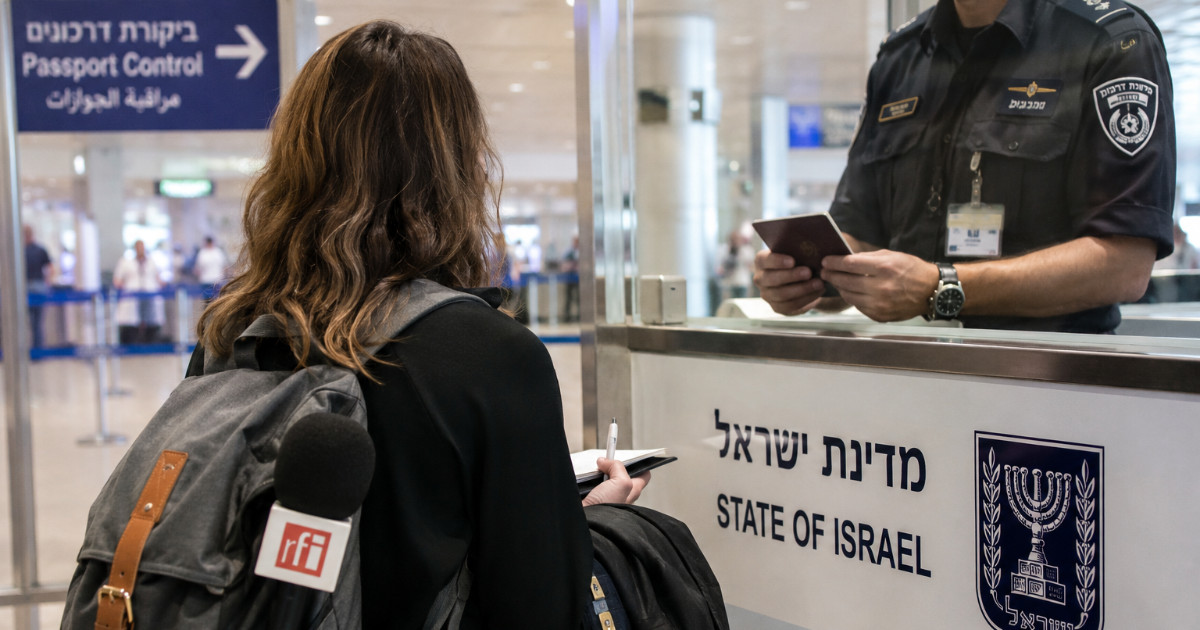
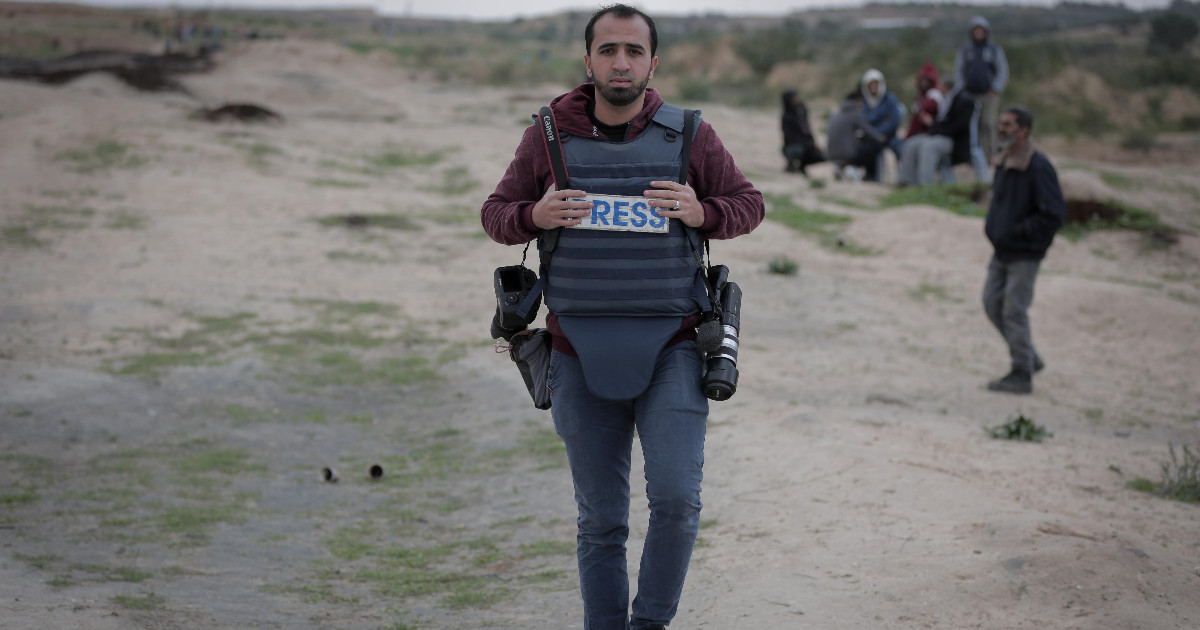
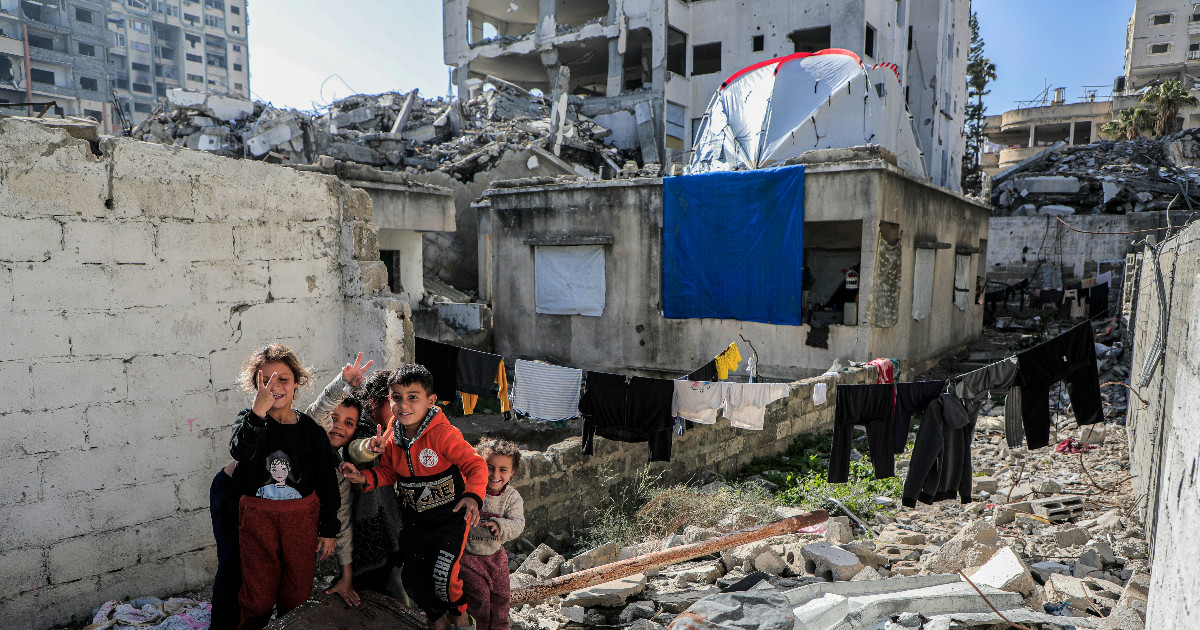
PHOTO: AI-generated; for illustrative purposes only
Key Points
- Officials report around 2,000 deaths since protests began in late December.
- Demonstrations have spread across multiple provinces amid political and economic grievances.
- Authorities have imposed mobile internet slowdowns, platform blocks and periodic nationwide outages.
- Communications restrictions make it difficult for journalists to verify and report events on the ground.
- Foreign media use satellite links, open-source verification and exiled Iranian reporters, leaving gaps in real-time coverage.
Relevant Topics
Ask AI: Understand this story your way
AI EnabledDig deeper, ask anything — get instant context, background, and clarity.
Disclaimer: This feature is powered by AI and is intended to help readers explore and understand news stories more easily. While we strive for accuracy, AI-generated responses may occasionally be incomplete or reflect limitations in the underlying model. This feature does not represent the editorial views of JournalismPakistan. For our full, verified reporting, please refer to the original article.