
Internet shutdowns choke reporting from Iran protests
JournalismPakistan.com | Published: 12 January 2026 | JP Middle East Desk
Join our WhatsApp channel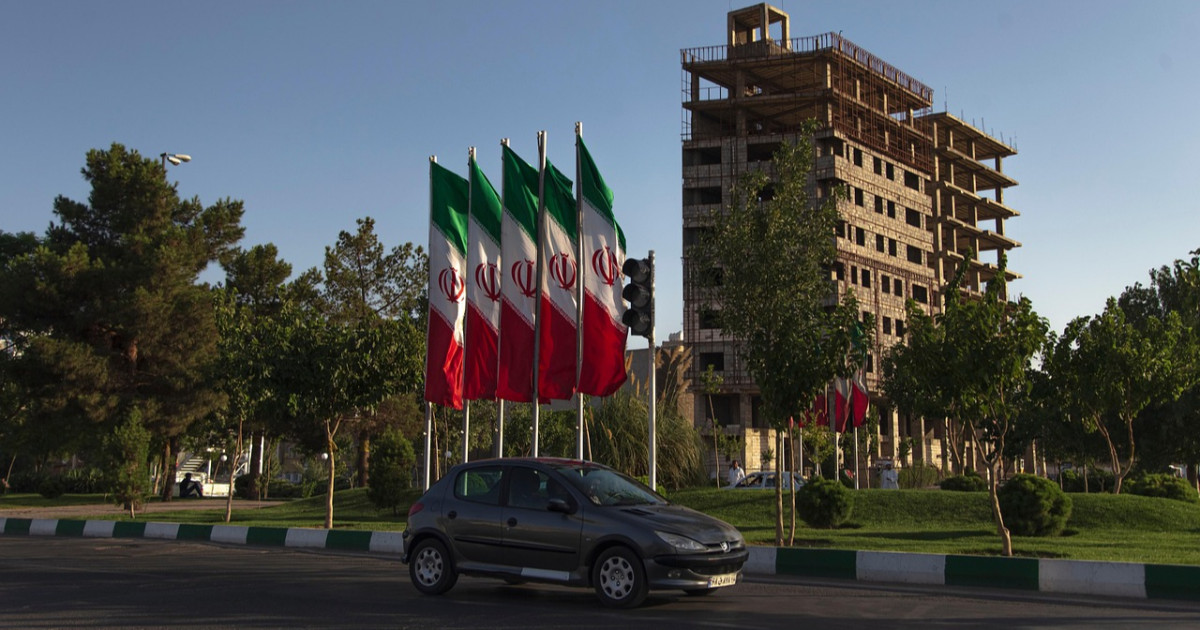
Repeated internet shutdowns, mobile data throttling and social media blocks across Iran have limited information flow from protests, hampering journalists' ability to file reports, verify eyewitness accounts and send multimedia to editors abroad.Summary
TEHRAN — As anti-government protests persist across Iran, the flow of information out of the country remains severely constrained by repeated internet shutdowns and network disruptions affecting major urban centers. The restrictions have made it difficult for journalists, researchers, and international news organizations to obtain timely, independently verified information from inside the country.
Digital rights groups and press freedom organizations have documented widespread throttling of mobile data, blocking of social media platforms, and periodic nationwide blackouts during periods of unrest. These measures have sharply reduced access to messaging apps, cloud services, and secure communication tools commonly used by reporters to file stories and confirm developments on the ground.
Impact on journalists and verification efforts
For media professionals operating inside Iran, the disruptions have complicated basic reporting tasks, including contacting editors abroad, corroborating eyewitness accounts, and confirming arrest or casualty figures. Journalists have reported that even when limited connectivity is restored, speeds are often too slow or unstable to transmit photos, videos, or long-form text reliably.
The lack of consistent access has also increased the risk of misinformation, as unverified claims circulate more easily in the absence of direct reporting. Editors outside Iran have acknowledged that they must apply additional layers of verification or delay publication when primary sources cannot be reached through secure and stable channels.
Workarounds and legal risks
To maintain some level of communication, a small number of journalists and activists have turned to intermittent alternative connectivity options, including satellite-based services, according to assessments by press freedom monitors. Such methods are widely understood to carry legal and personal risks in Iran, where unauthorized communication tools can draw the attention of security authorities.
Because of these risks, many reporters rely on brief connection windows or trusted intermediaries outside the country to move information, limiting the volume and immediacy of reporting. Media organizations have said this environment forces difficult editorial decisions about what can be responsibly published without endangering sources.
Broader regional and global implications
Iran’s use of internet restrictions during periods of unrest has drawn international scrutiny, with technology policy experts warning that prolonged shutdowns undermine press freedom and public access to information. Similar tactics have been observed in other countries facing political instability, raising concerns about a growing global trend of state-imposed digital blackouts.
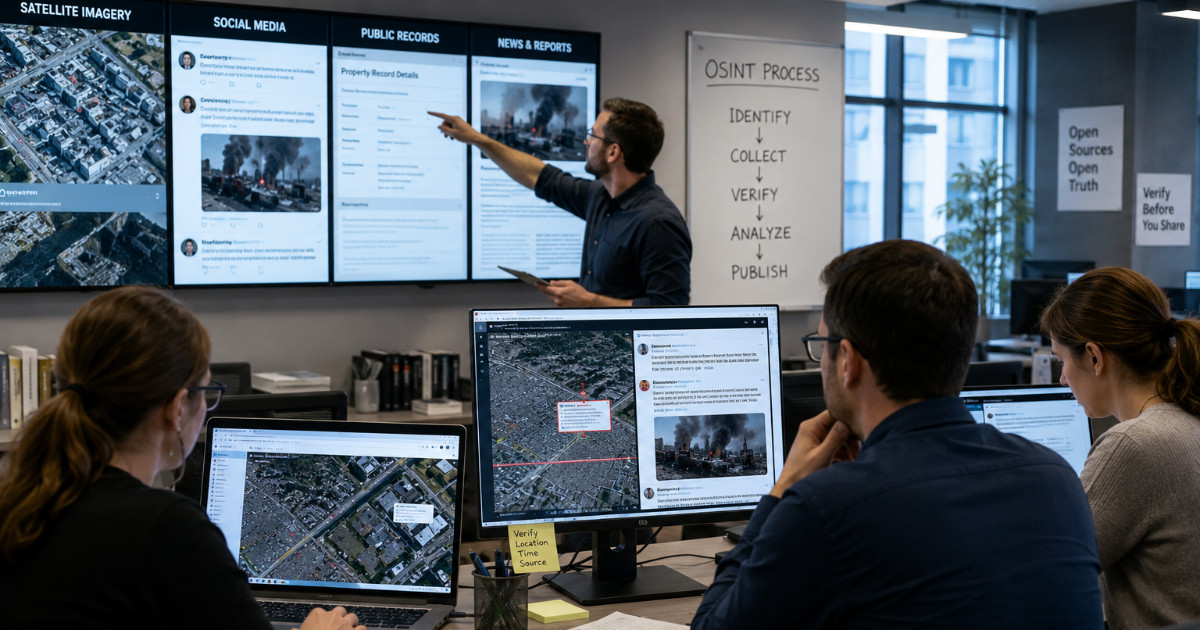
Rights advocates argue that sustained documentation and international pressure are critical to ensuring accountability, even when real-time reporting is constrained. For now, coverage of events in Iran continues to depend heavily on fragmented connectivity, diaspora networks, and open-source verification techniques.
ATTRIBUTION: Reporting based on documentation and analysis from digital rights organizations and press freedom groups, including NetBlocks, Access Now, and the Committee to Protect Journalists.
PHOTO: By mostafa meraji from Pixabay
Key Points
- Repeated internet shutdowns and mobile data throttling restrict connectivity in major Iranian cities.
- Social media platforms and messaging apps are blocked or slowed, impeding communication.
- Journalists face difficulties filing reports, transmitting multimedia, and contacting editors.
- Verification of eyewitness accounts is hampered, increasing the risk of misinformation.
- International news organizations and editors add verification layers or delay publication when sources cannot be reached.
Relevant Topics
Ask AI: Understand this story your way
AI EnabledDig deeper, ask anything — get instant context, background, and clarity.
Disclaimer: This feature is powered by AI and is intended to help readers explore and understand news stories more easily. While we strive for accuracy, AI-generated responses may occasionally be incomplete or reflect limitations in the underlying model. This feature does not represent the editorial views of JournalismPakistan. For our full, verified reporting, please refer to the original article.