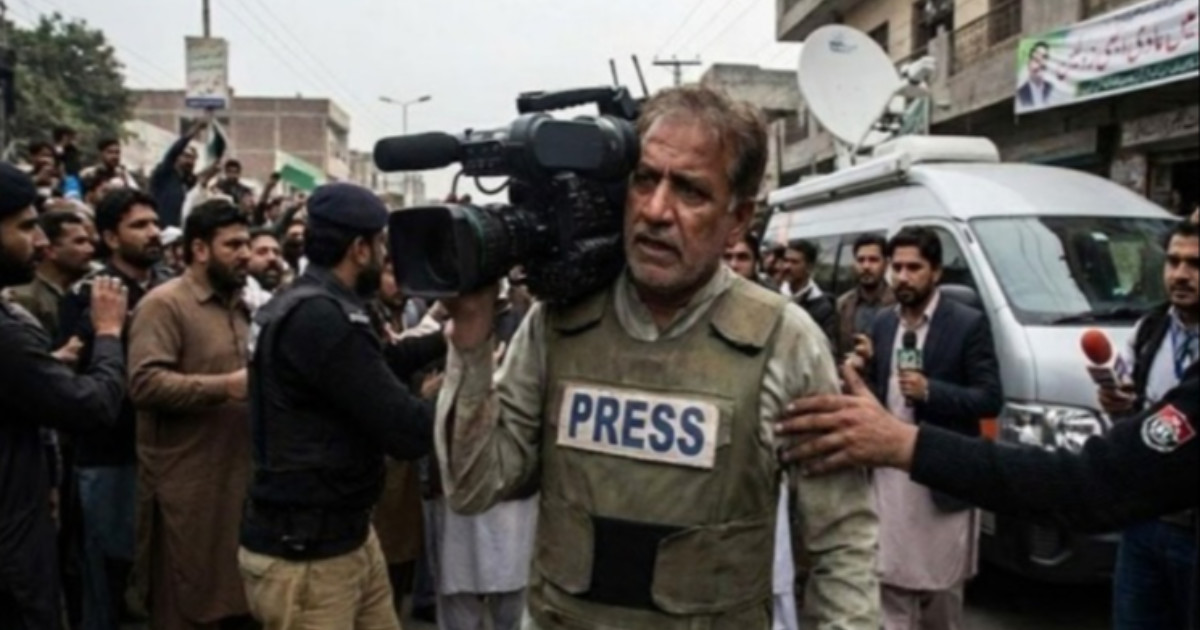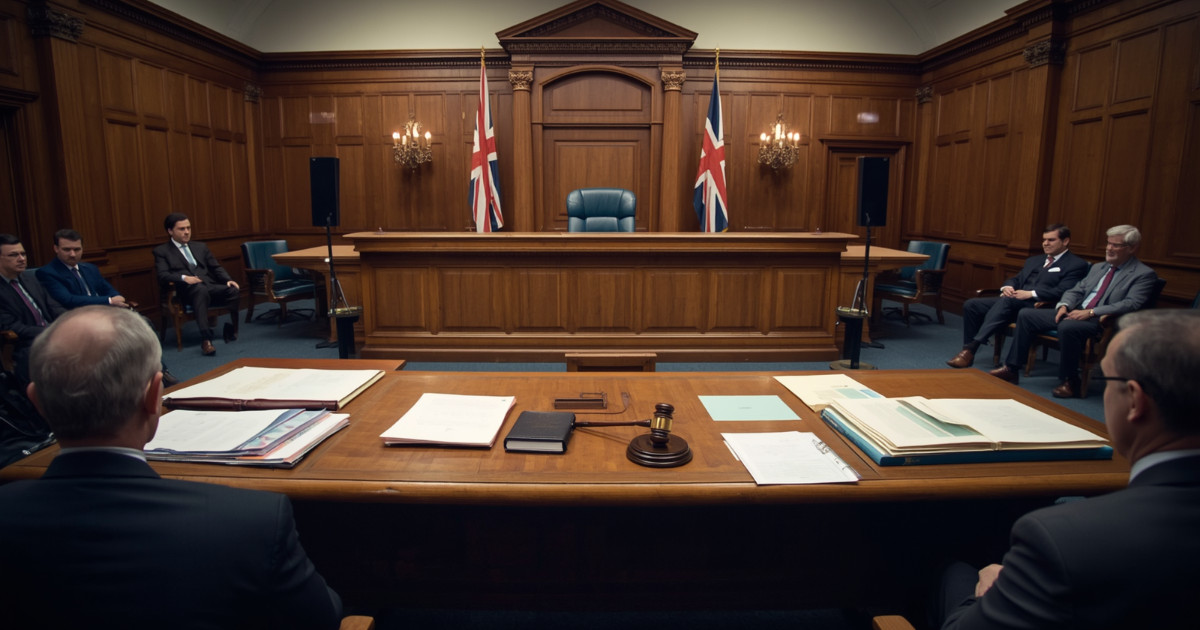

Press freedom continues to deteriorate in Hong Kong
JournalismPakistan.com | Published: 13 January 2026 | JP Asia Desk
Join our WhatsApp channel
International monitors and global news organizations report a sustained erosion of media independence in Hong Kong, attributing it to the 2020 national security law, subsequent legislation, arrests, outlet closures and restructuring of public broadcasters.Summary
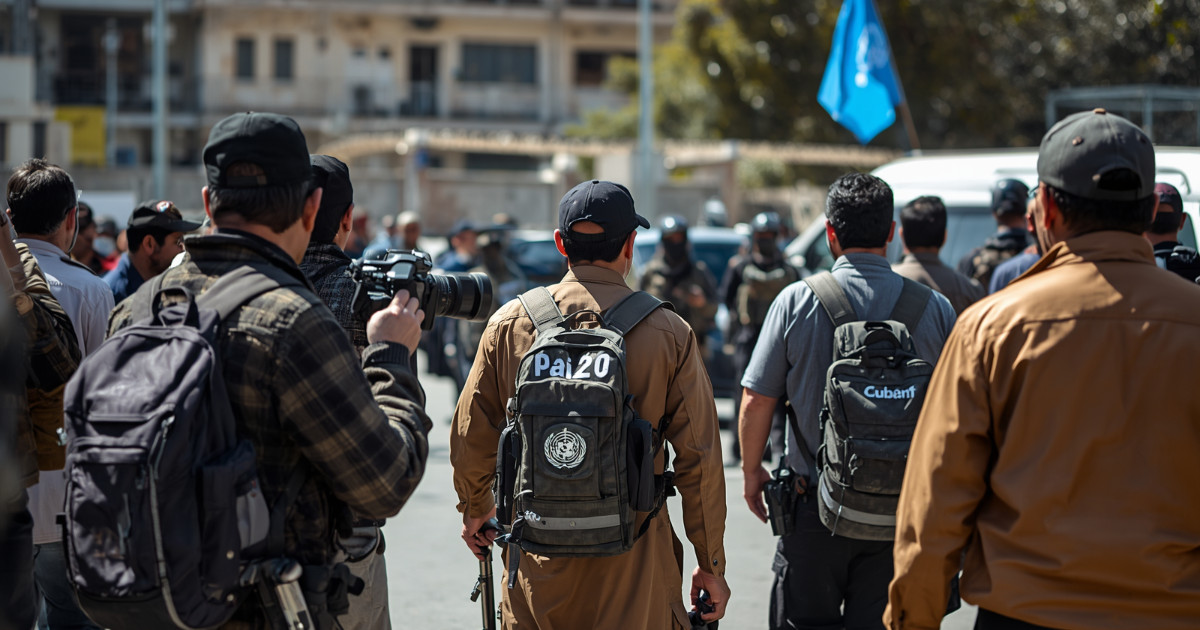
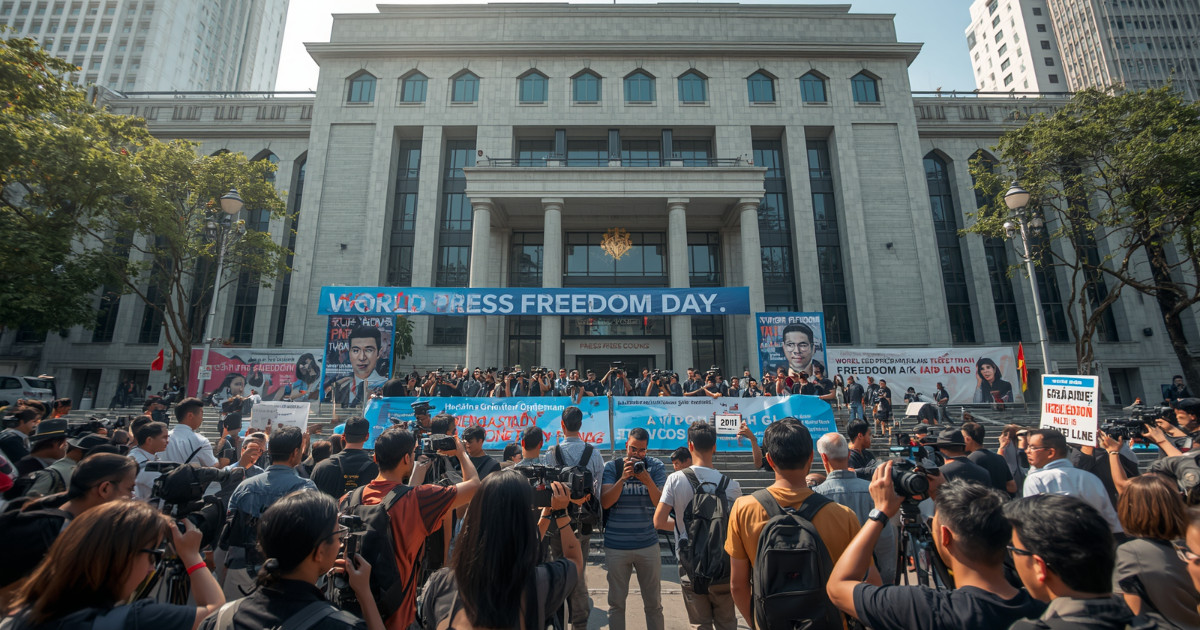
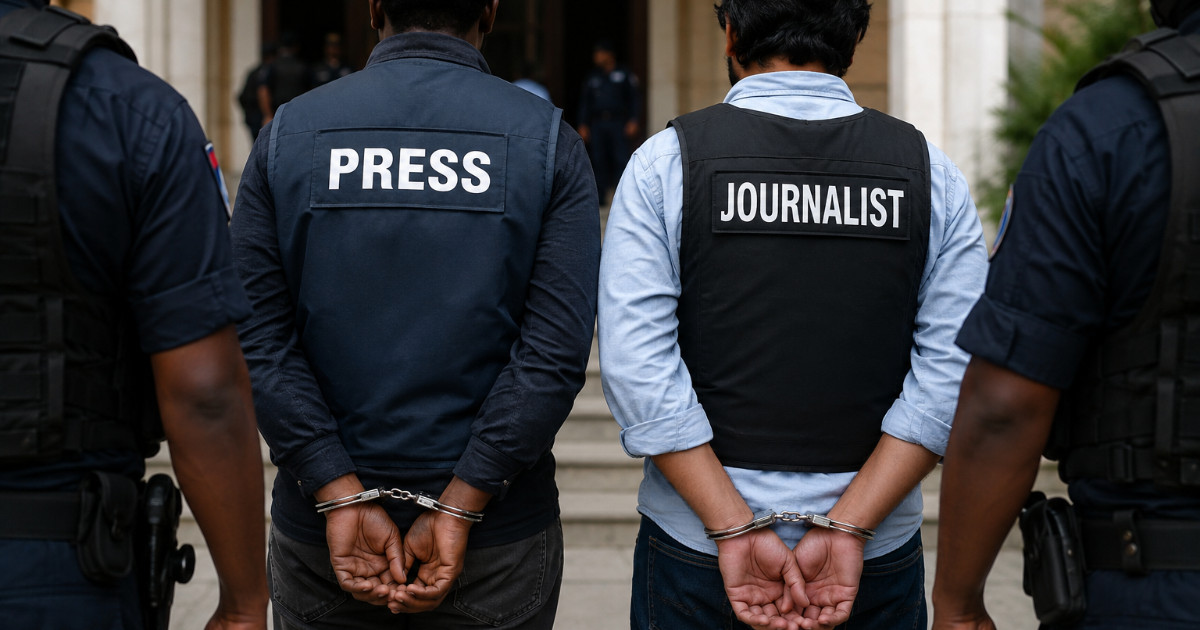
HONG KONG — International press freedom monitors and global news organizations are reporting a continued decline in media independence in Hong Kong, citing mounting legal pressure, expanding self-censorship, and a sharply reduced space for independent journalism under national security legislation.
Recent assessments by Reporters Without Borders and reporting by The Associated Press describe how journalists and media outlets are operating in an environment shaped by broad national security laws, including the 2020 national security law and subsequent legislation. These measures have altered newsroom practices, affected editorial decisions, and increased legal uncertainty for reporters working in the city.
Shrinking space for independent journalism
Reporters Without Borders has documented a steep decline in Hong Kong’s global press freedom standing in recent years, attributing the drop to arrests of journalists, the closure of independent outlets, and the restructuring of public broadcasters. The organization has said that the cumulative effect of these developments has been a loss of editorial autonomy and a weakening of safeguards that once protected press freedom in the territory.
The Associated Press has reported that many journalists now practice self-censorship to reduce legal risk, particularly when covering national security, governance, or Beijing-Hong Kong relations. According to AP’s reporting, editors and reporters increasingly avoid sensitive topics or adjust language to ensure compliance with laws that carry severe penalties for violations.
Legal risks reshape newsroom decisions
Under the current legal framework, authorities have wide discretion to investigate and prosecute acts deemed to threaten national security. Media advocates say this has created a chilling effect, even in the absence of direct intervention, as journalists weigh the potential consequences of routine reporting. RSF has noted that the uncertainty surrounding enforcement has made it difficult for newsrooms to define clear red lines.
Hong Kong officials have repeatedly stated that press freedom remains protected under the Basic Law and that national security laws target only a narrow range of offenses. However, international observers and journalism groups point to the cumulative impact of arrests, trials, and outlet closures as evidence of a transformed media environment.
Regional and global implications
Media analysts say Hong Kong’s experience is closely watched across Asia and beyond, particularly in places where legal and regulatory pressure on the press is increasing. Once regarded as a regional hub for independent journalism and international media, Hong Kong is now cited by press freedom groups as an example of how quickly media systems can change under sustained political and legal pressure.
RSF has warned that the situation in Hong Kong illustrates broader global trends, with more governments using security, defamation, and regulatory laws to restrict reporting. The organization and international news groups continue to call for stronger protections for journalists and clearer legal safeguards to prevent further erosion of media freedom.
ATTRIBUTION: Reporting and assessments from Reporters Without Borders and The Associated Press.
PHOTO: By ashin0320 from Pixabay
Key Points
- International monitors document a sustained decline in Hong Kong's press freedom.
- National security laws since 2020 and subsequent legislation have reshaped newsroom practices.
- Arrests, outlet closures and restructuring of public broadcasters have reduced editorial autonomy.
- Journalists and editors increasingly practice self-censorship to avoid legal risks.
- Mounting legal uncertainty and expanded penalties have sharply narrowed space for independent journalism.
Relevant Topics
Ask AI: Understand this story your way
AI EnabledDig deeper, ask anything — get instant context, background, and clarity.
Disclaimer: This feature is powered by AI and is intended to help readers explore and understand news stories more easily. While we strive for accuracy, AI-generated responses may occasionally be incomplete or reflect limitations in the underlying model. This feature does not represent the editorial views of JournalismPakistan. For our full, verified reporting, please refer to the original article.