
The JournalismPakistan Global Media Brief | Edition 18 | May 1, 2026 Arrests, airstrikes, and algorithms: How April reshaped journalism worldwide Law, pressure, and layoffs: Pakistan's media in April 2026 Asia-Pacific press freedom falls as legal pressure deepens Global press freedom hits historic low, RSF reports Zambia cancels RightsCon 2026 days before start Dawn CEO flags new era of media pressure in Pakistan Journalists at war with themselves: A crisis no one will win Belarusian journalist Andrzej Poczobut freed in US brokered swap Press freedom declines amid aggressive PECA enforcement: report Matiullah Jan and the cost of speaking about press freedom CBS News replaces London chief amid Gaza coverage row Maldives raid on Adhadhu intensifies press pressure Tunisia detains journalist, escalating press crackdown Amar Guriro selected for global nuclear reporting group The JournalismPakistan Global Media Brief | Edition 18 | May 1, 2026 Arrests, airstrikes, and algorithms: How April reshaped journalism worldwide Law, pressure, and layoffs: Pakistan's media in April 2026 Asia-Pacific press freedom falls as legal pressure deepens Global press freedom hits historic low, RSF reports Zambia cancels RightsCon 2026 days before start Dawn CEO flags new era of media pressure in Pakistan Journalists at war with themselves: A crisis no one will win Belarusian journalist Andrzej Poczobut freed in US brokered swap Press freedom declines amid aggressive PECA enforcement: report Matiullah Jan and the cost of speaking about press freedom CBS News replaces London chief amid Gaza coverage row Maldives raid on Adhadhu intensifies press pressure Tunisia detains journalist, escalating press crackdown Amar Guriro selected for global nuclear reporting group
Logo
Janu
Journalism that stands apart

IFJ backs legal challenge by journos over police surveillance

 JournalismPakistan.com |  Published: 21 November 2014

Join our WhatsApp channel
IFJ backs legal challenge by journos over police surveillance
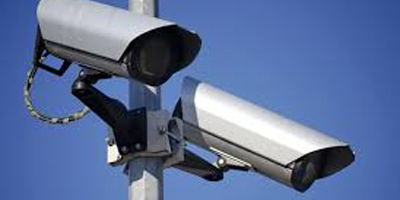
The International Federation of Journalists has joined the National Union of Journalists in supporting six journalists in their legal action against the police. The case challenges the monitoring of their journalistic activities since 2008, raising significant privacy concerns.

The International Federation of Journalists (IFJ) has joined the National Union of Journalists (NUJ), its affiliate in Great Britain, in supporting six members who have taken legal action against the Metropolitan Police and the Home Secretary. The legal challenge concerns the monitoring and recording of their lawful journalistic and union activities by Police since 2008.

According to NUJ, Jules Mattsson, Mark Thomas, Jason Parkinson, Jess Hurd, David Hoffman and Adrian Arbib have been under police surveillance, as part of the police monitoring of the so called “domestic extremism.”

NUJ says that the journalists argue that the surveillance and retention of data is unnecessary, disproportionate and not in accordance with the law. The surveillance was revealed as part of an ongoing campaign, which began in 2008, during which NUJ members have been encouraged to obtain data held about them by the authorities including the Metropolitan Police ‘National Domestic Extremism and Disorder Intelligence Unit’ (NDEDIU).

All of them have worked on media reports that have exposed corporate and state misconduct and they have each also previously pursued litigation or complaints arising from police misconduct, NUJ added.

NUJ General Secretary, Michelle Stanistreet, said that “there is no justification for treating journalists as criminals or enemies of the state, and it raises serious questions for our democracy when the NUJ is forced to launch a legal challenge to compel the police to reveal the secret evidence they have collected about media workers”.

IFJ has also condemned the police action, describing it as a breach of privacy and undue interference in journalists’ lawful activities.

“We consider this surveillance as an attack on our colleagues’ right to privacy and condemn their treatment as domestic extremists by the police,” added IFJ President, Jim Boumelha. “We urge the British authorities to stop this unacceptable state interference in journalists’ and trade unionists’ legitimate affairs.” - IFJ Press Release

Key Points

  • The IFJ backs journalists' legal challenge against police surveillance.
  • Six NUJ members have been monitored by police since 2008.
  • The surveillance is deemed unnecessary and disproportionate by the journalists.
  • NUJ General Secretary emphasizes the threat to democracy posed by such actions.
  • IFJ condemns police interference in reporters' lawful activities.

Ask AI: Understand this story your way

AI Enabled

Dig deeper, ask anything — get instant context, background, and clarity.

Not sure what to choose? Try one of these.

The AI generates results based on your selected options
Your AI-generated results will appear here after you click the button.

Disclaimer: This feature is powered by AI and is intended to help readers explore and understand news stories more easily. While we strive for accuracy, AI-generated responses may occasionally be incomplete or reflect limitations in the underlying model. This feature does not represent the editorial views of JournalismPakistan. For our full, verified reporting, please refer to the original article.
Dive Deeper

PNP launches nationwide media quiz

PNP launches nationwide media quiz

 April 26, 2026: PNP launches a nationwide online quiz for World Press Freedom Day 2026 to promote media rights, ethical journalism and media literacy; winners announced May 3.

Newsroom
Arrests, airstrikes, and algorithms: How April reshaped journalism worldwide

Arrests, airstrikes, and algorithms: How April reshaped journalism worldwide

 May 01, 2026 April 2026 saw arrests, airstrikes, legal cases and algorithmic changes that intensified threats to journalism, leading to censorship, criminalization and economic pressure worldwide.


Asia-Pacific press freedom falls as legal pressure deepens

Asia-Pacific press freedom falls as legal pressure deepens

 April 30, 2026 RSF warns Asia-Pacific press freedom is deteriorating; over half the region is classed difficult or worse and Pakistan faces sustained legal and regulatory pressure on its media.


Global press freedom hits historic low, RSF reports

Global press freedom hits historic low, RSF reports

 April 30, 2026 Reporters Without Borders says global press freedom is at its lowest in 25 years, with over half of countries now rated 'difficult' or 'very serious'.


Zambia cancels RightsCon 2026 days before start

Zambia cancels RightsCon 2026 days before start

 April 30, 2026 Zambia cancelled RightsCon 2026 days before the Lusaka event, citing values and diplomatic protocols, prompting global concern among rights groups.


Belarusian journalist Andrzej Poczobut freed in US brokered swap

Belarusian journalist Andrzej Poczobut freed in US brokered swap

 April 29, 2026 Belarusian journalist Andrzej Poczobut was freed in a U.S.-brokered prisoner swap in late April 2026, ending his long detention on political charges.


Popular Stories