
What the 60 Minutes controversy means for TV journalism RFE/RL journalists persist with Iran war coverage amid risks Zee secures FIFA World Cup rights in India through 2030 How fact-checkers verify viral videos during breaking news Pentagon restrictions on reporters draw media backlash Israel-Lebanon talks proceed as conflict hinders reporting Why governments are tightening controls on foreign journalists China condemns US restrictions on Xinhua reporter Taiwan condemns China over New York Times reporter expulsion The biggest threats facing journalism in Asia today Press freedom review: The many faces of pressure on the press Five warning signs for global journalism in May 2026 Cybercrime, courtrooms, and newsroom cuts: What defined Pakistan media in May Gaza journalists win 2026 Golden Pen of Freedom award When AI writes the news, who checks the facts? What the 60 Minutes controversy means for TV journalism RFE/RL journalists persist with Iran war coverage amid risks Zee secures FIFA World Cup rights in India through 2030 How fact-checkers verify viral videos during breaking news Pentagon restrictions on reporters draw media backlash Israel-Lebanon talks proceed as conflict hinders reporting Why governments are tightening controls on foreign journalists China condemns US restrictions on Xinhua reporter Taiwan condemns China over New York Times reporter expulsion The biggest threats facing journalism in Asia today Press freedom review: The many faces of pressure on the press Five warning signs for global journalism in May 2026 Cybercrime, courtrooms, and newsroom cuts: What defined Pakistan media in May Gaza journalists win 2026 Golden Pen of Freedom award When AI writes the news, who checks the facts?
Logo
Janu
Women in Media

The future of journalism in South Asia: What young reporters need to know

 JournalismPakistan.com |  Published: 15 September 2025 |  JP Future Focus

Join our WhatsApp channel

The future of journalism in South Asia: What young reporters need to know
The future of journalism in South Asia requires young reporters to adapt to digital-first practices while ensuring ethical reporting. Skills in multimedia, data journalism, and audience engagement are essential for success.

ISLAMABAD — South Asia is home to some of the world’s fastest-growing media markets, with countries like India, Pakistan, Bangladesh, Sri Lanka, and Nepal seeing rapid changes in how news is produced, consumed, and trusted. For young reporters entering the field, the future offers both exciting opportunities and serious challenges.

Digital-first reporting is here to stay

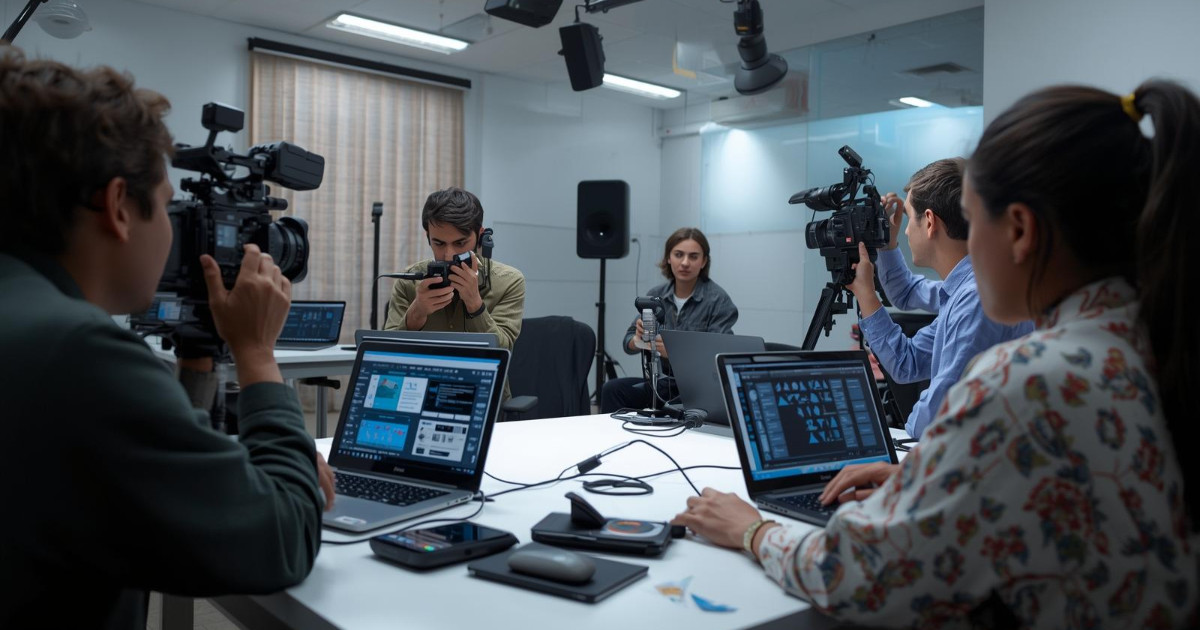
With audiences shifting from print and television to smartphones and social platforms, newsrooms now prioritize digital-first publishing. Reporters must learn to write, edit, and package stories for web and mobile, using multimedia tools like video, infographics, and podcasts.

Audience trust is the new currency

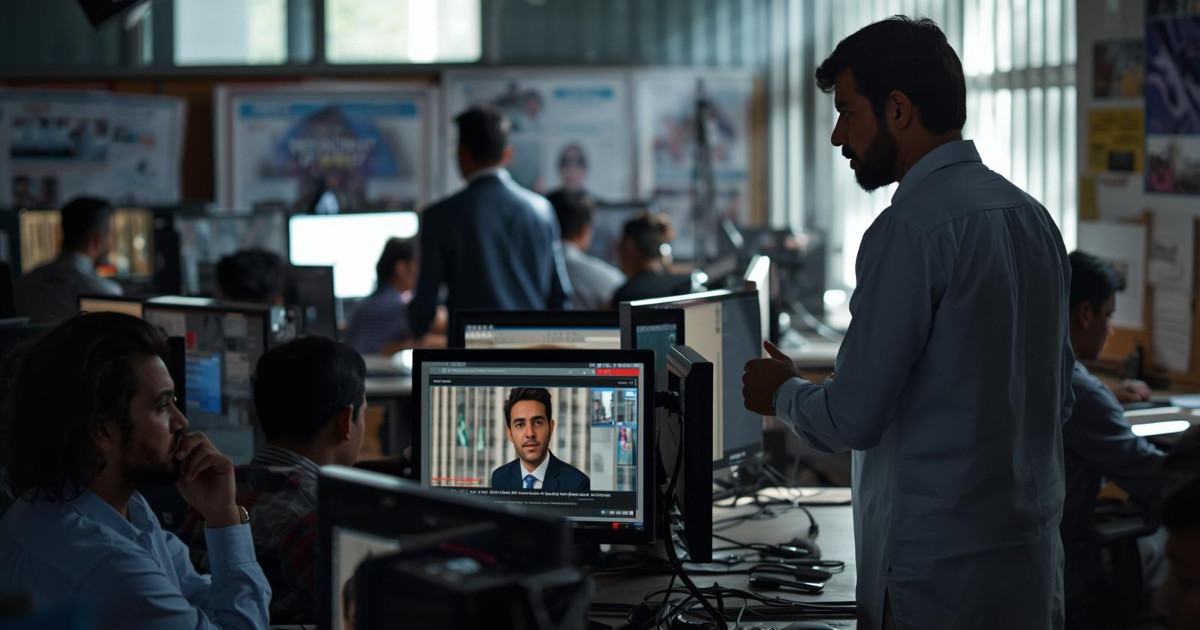
South Asian journalism faces a credibility crisis, with fake news and political polarization undermining public trust. Young journalists must focus on fact-checking, ethical reporting, and transparency to build loyal readerships.

AI and data journalism are transforming newsrooms

Artificial intelligence is already being used to generate quick updates, analyze data, and detect misinformation. Reporters who develop skills in data journalism, coding basics, and AI-assisted tools will have a clear edge.

Safety and press freedom remain challenges

In several South Asian countries, journalists face censorship, harassment, or even physical threats. New entrants must learn how to protect themselves, both digitally and physically, while balancing professional responsibilities.

Entrepreneurship is a growing path

Many young reporters are moving away from legacy outlets to launch independent newsletters, YouTube channels, or podcasts. The rise of subscription and membership models means ambitious journalists can build careers outside traditional organizations.

Skills that matter most

  • Digital storytelling and social media fluency
  • Investigative techniques and fact-checking
  • Multimedia production (video, audio, graphics)
  • Audience engagement and community building
  • Knowledge of press laws and ethics

The future of journalism in South Asia will belong to those who combine digital innovation with integrity and resilience. For young reporters, the message is clear: adapt, specialize, and never compromise on truth.

Key Points

  • Digital-first reporting is now a priority for newsrooms.
  • Building audience trust is crucial amidst a credibility crisis.
  • AI and data journalism are reshaping the news landscape.
  • Safety and press freedom concerns remain significant issues.
  • Entrepreneurship is becoming a viable career path for journalists.

Ask AI: Understand this story your way

AI Enabled

Dig deeper, ask anything — get instant context, background, and clarity.

Not sure what to choose? Try one of these.

The AI generates results based on your selected options
Your AI-generated results will appear here after you click the button.

Disclaimer: This feature is powered by AI and is intended to help readers explore and understand news stories more easily. While we strive for accuracy, AI-generated responses may occasionally be incomplete or reflect limitations in the underlying model. This feature does not represent the editorial views of JournalismPakistan. For our full, verified reporting, please refer to the original article.


Dive Deeper

Newsroom
What the 60 Minutes controversy means for TV journalism

What the 60 Minutes controversy means for TV journalism

 June 03, 2026 The 60 Minutes controversy at CBS exposes tensions over leadership, editorial independence and pressures on legacy TV journalism amid political polarization.


RFE/RL journalists persist with Iran war coverage amid risks

RFE/RL journalists persist with Iran war coverage amid risks

 June 03, 2026 RFE/RL journalists, including Persian-language reporters, continue covering the Iran-Israel-US conflict despite heightened security risks, restricted access, and significant operational challenges.


Zee secures FIFA World Cup rights in India through 2030

Zee secures FIFA World Cup rights in India through 2030

 June 03, 2026 Zee Entertainment has secured broadcasting and digital rights in India for the 2026 and 2030 FIFA World Cups, reshaping the country's sports media landscape.


How fact-checkers verify viral videos during breaking news

How fact-checkers verify viral videos during breaking news

 June 02, 2026 Fact-checkers use source tracking, metadata, visual analysis and geolocation to verify whether viral videos in breaking news are authentic and timely.


Pentagon restrictions on reporters draw media backlash

Pentagon restrictions on reporters draw media backlash

 June 02, 2026 New Pentagon rules requiring official escorts for reporters in some areas have drawn criticism from press groups and major news organizations over transparency.


Popular Stories