
10 reasons why journalism matters more in Pakistan in 2026
JournalismPakistan.com | Published: 26 December 2025 | JP Special Report
Join our WhatsApp channel
Pakistan's journalism sector confronts escalating pressures amid legal and political challenges in 2026. Despite these difficulties, independent reporting remains vital for sustaining public trust and accountability.Summary
ISLAMABAD — Pakistan’s journalism sector enters 2026 under significant pressure, from legal restrictions and political influence to economic uncertainty and digital disruption. Yet these challenges underscore the critical role of independent reporting in sustaining accountability and public trust.
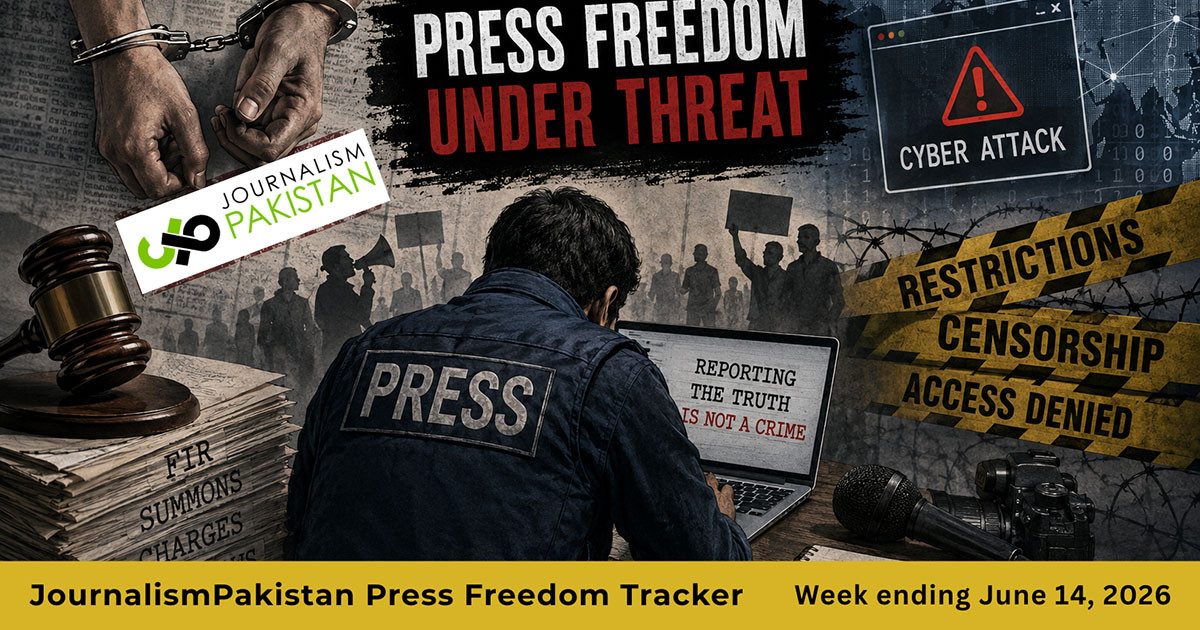
Recent data shows journalists in Pakistan faced 142 reported violations in the past year, a 60 percent increase from the previous period, highlighting the growing threats to press freedom and the urgency for credible reporting.
Why verification remains essential
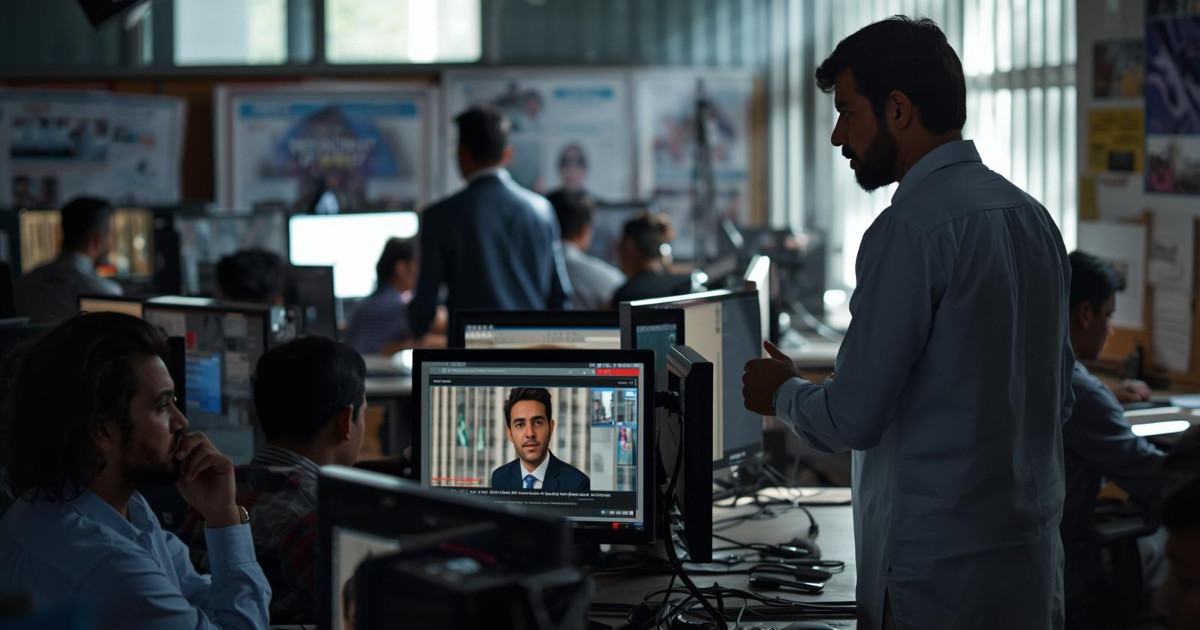
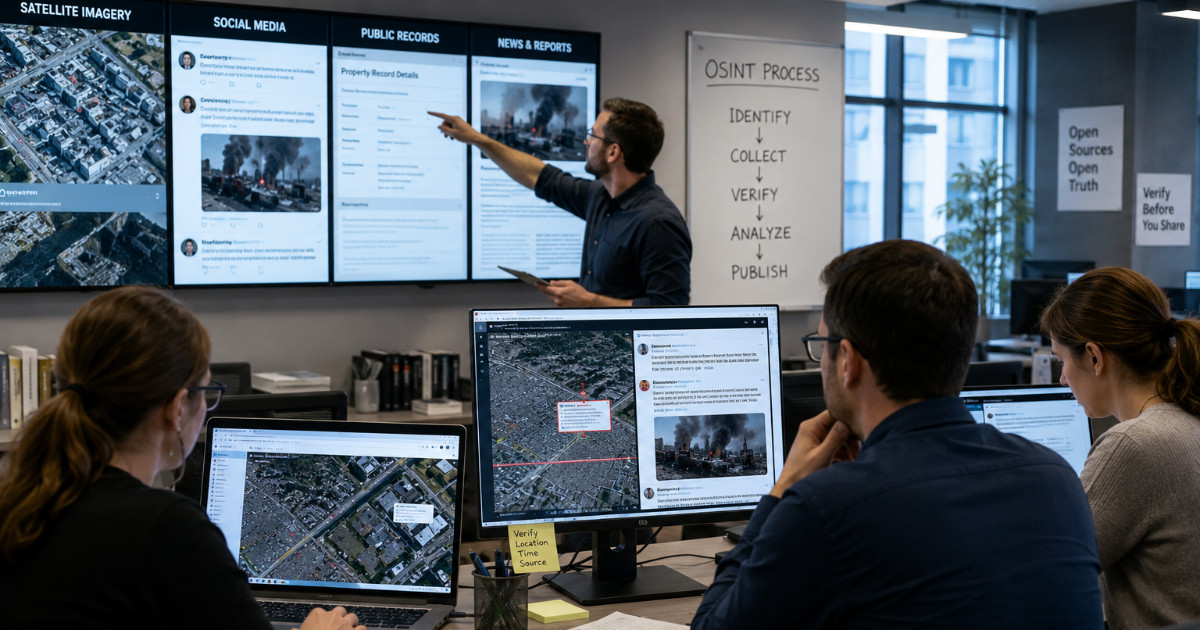
First, professional verification separates journalism from unverified online content. In Pakistan, misinformation has spread widely on social media, including high-profile cases of AI-generated fake images shared by public figures before being debunked. Journalistic fact-checking remains the primary tool to protect the public from false narratives.
Second, journalism provides context beyond raw information. For instance, investigative reports on government policies and judicial decisions help citizens understand implications and accountability, rather than relying on fragmented or biased social media posts.
Third, Independent reporting also counters legal and political pressures. Journalists like Asad Ali Toor have faced legal intimidation for critical reporting, demonstrating that credible media continues to act as a check on state and institutional power.
Why press freedom and accountability intersect
Fourth, the Pakistani media plays a vital role in sustaining public accountability. Investigative journalism has exposed corruption, financial mismanagement, and abuse of power, often at great personal and professional risk to reporters.
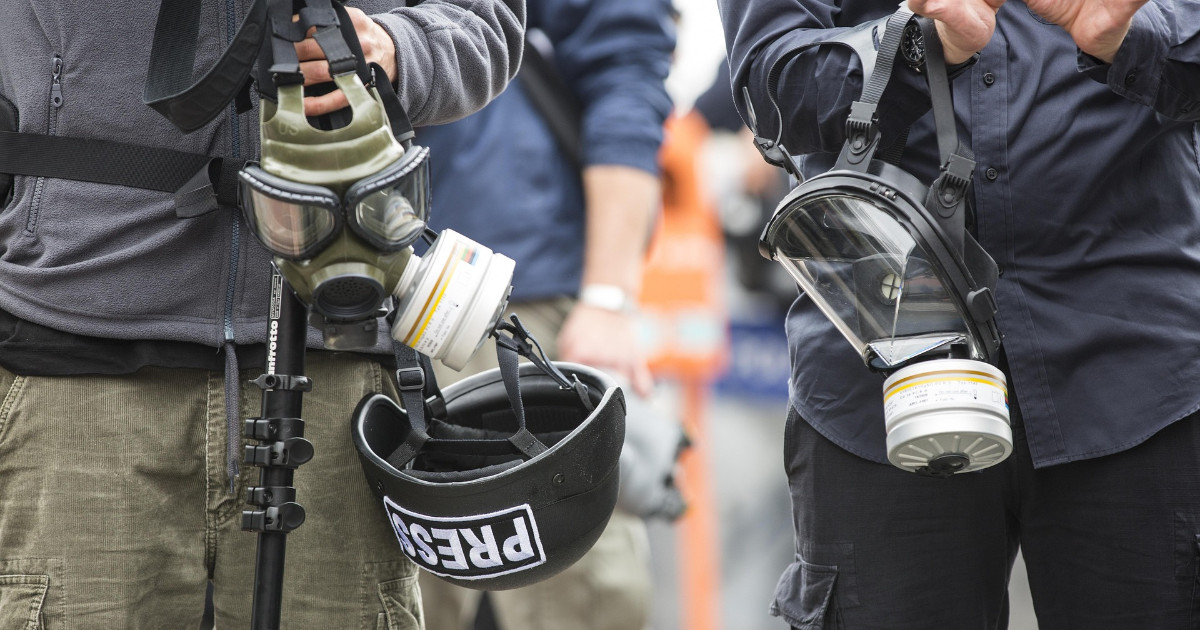
Fifth, press freedom remains under strain, with proposed social media regulations sparking protests from journalist unions. Reporting in this environment ensures citizens are informed about threats to free expression and civic participation.
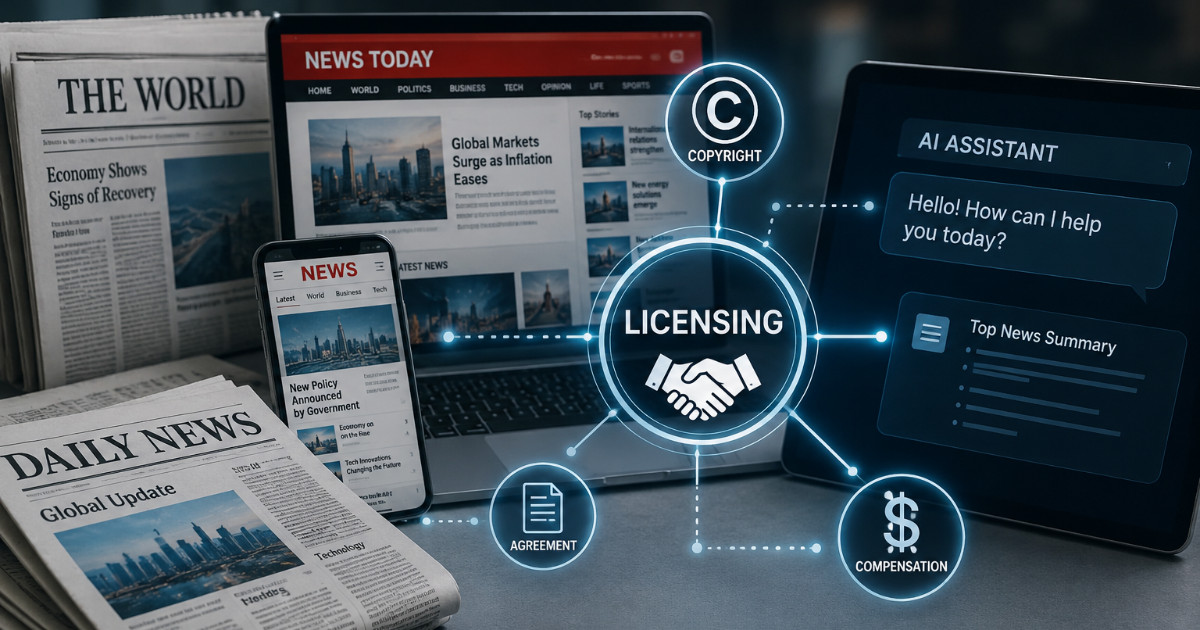
Sixth, ethical journalism continues to matter as AI and digital platforms reshape content production. Clear attribution, transparency, and human editorial oversight distinguish credible news from automated or manipulated content.
Seventh, journalism amplifies voices often excluded from mainstream narratives. Reporting from conflict-affected areas, marginalized communities, and rural Pakistan provides a window into realities overlooked by dominant media outlets.
Eighth, local reporting sustains community cohesion. Coverage of municipal governance, public services, and regional issues ensures citizens have access to vital information that national or global media may miss.
Why journalism's value is undeniable
Ninth, journalism preserves historical records. Verified reports on social, political, and legal developments create documentation essential for research, legal proceedings, and societal memory.
Tenth, trustworthy journalism fosters public confidence. Despite low rankings in global press freedom indices, outlets that maintain transparent sourcing and correction practices offer citizens reliable guidance in a challenging information environment.
In Pakistan, the combination of legal pressures, misinformation, and civic responsibilities makes journalism more important than ever. Supporting independent media is critical to ensure accountability, informed citizenry, and democratic resilience.
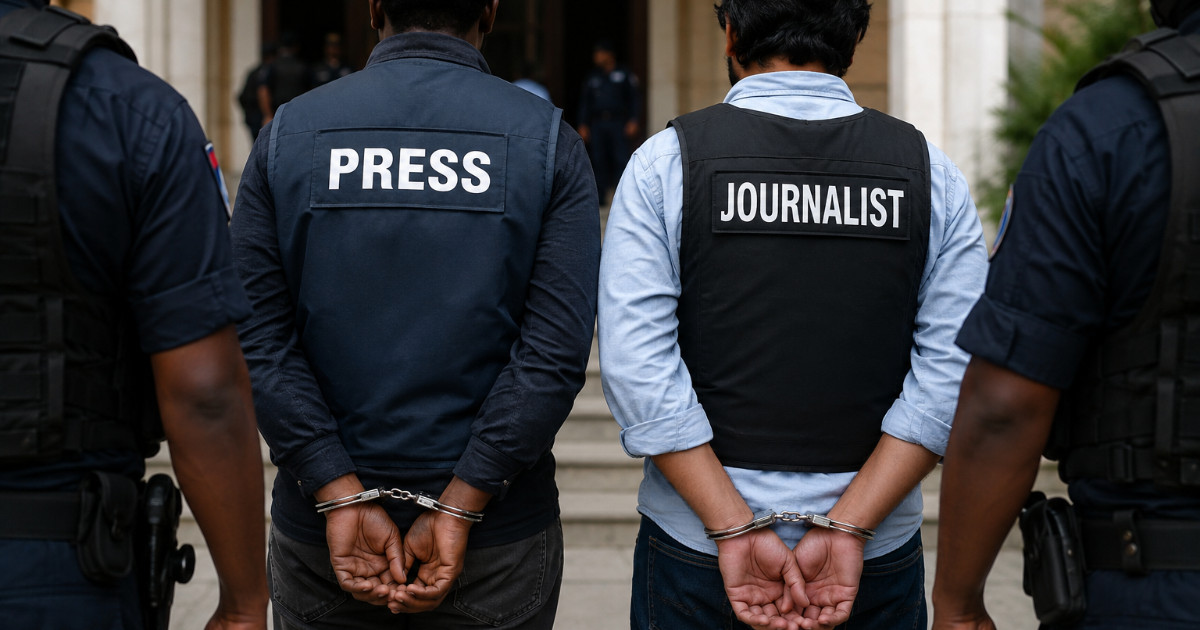
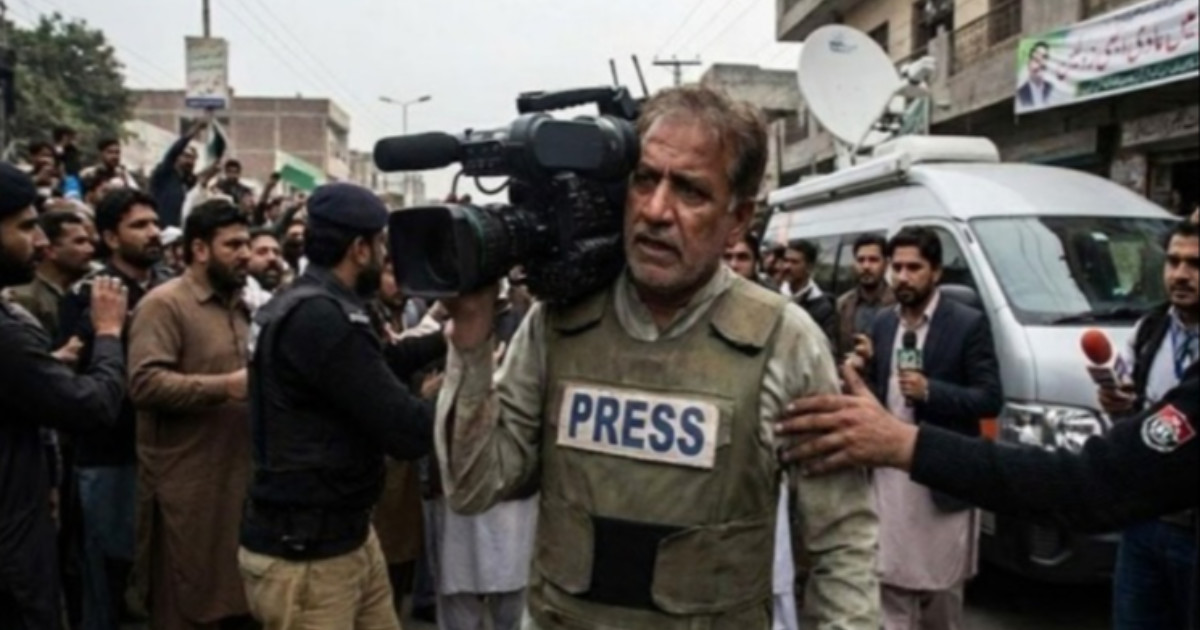
PHOTO: AI-generated; for illustrative purposes only
Key Points
- 142 documented journalist violations highlight rising threats in Pakistan.
- Misinformation and AI-generated content underscore the need for verification.
- Investigative reporting holds authorities accountable and informs public debate.
- Ethical and independent journalism safeguards civic space and democratic norms.
- Local and marginalized reporting ensures inclusive coverage across Pakistan.
Relevant Topics
Ask AI: Understand this story your way
AI EnabledDig deeper, ask anything — get instant context, background, and clarity.
Disclaimer: This feature is powered by AI and is intended to help readers explore and understand news stories more easily. While we strive for accuracy, AI-generated responses may occasionally be incomplete or reflect limitations in the underlying model. This feature does not represent the editorial views of JournalismPakistan. For our full, verified reporting, please refer to the original article.