
Why are media owners not held accountable for unpaid wages?
JournalismPakistan.com | Published: 10 November 2026 | JP Special Report
Join our WhatsApp channel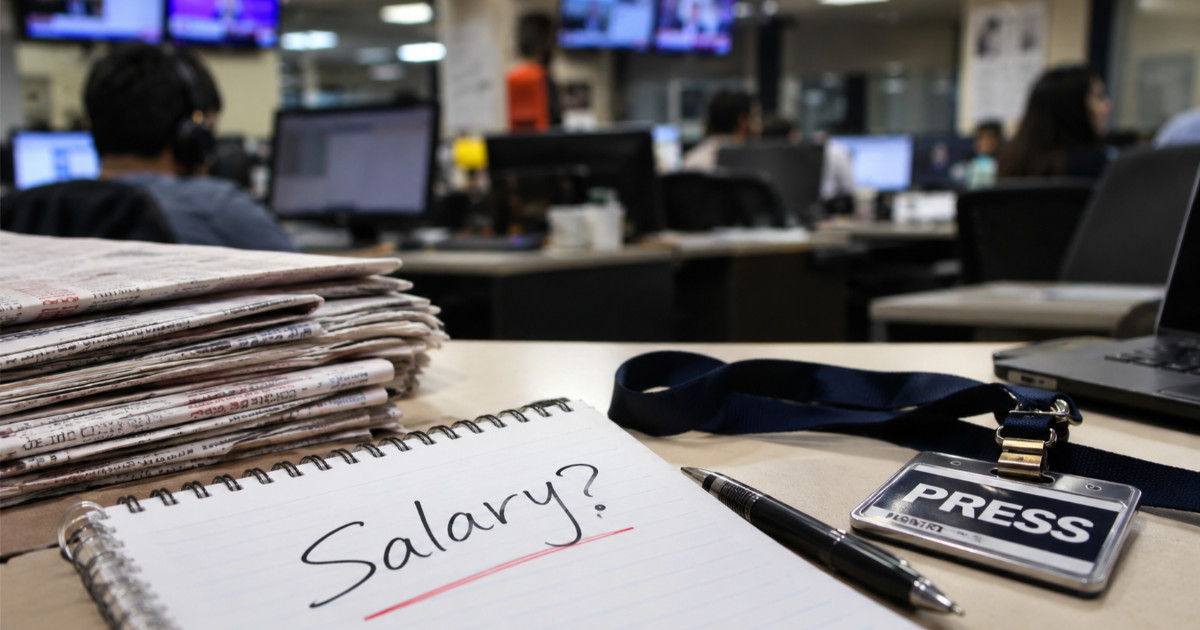
The National Assembly committee has ordered the Information Ministry to prepare a 15‑day plan to address unpaid media salaries and rising layoffs. But despite legal provisions and regulator powers, weak enforcement and delays keep many journalists unpaid.Summary
ISLAMABAD — Pakistan's media employers must pay their workers, but delayed salaries keep triggering protests, parliamentary debates, and calls for government intervention. The persistence of these disputes raises a fundamental question about accountability: why have existing laws and regulatory mechanisms not ensured consistent compliance?
The issue returned to Parliament on November 10, when the National Assembly Standing Committee on Information and Broadcasting directed the Information Ministry to prepare a comprehensive plan within 15 days to address unpaid salaries and increasing layoffs. The committee's intervention followed months of complaints from journalists and earlier instructions to address outstanding wages, highlighting the difficulty of turning parliamentary concern into enforceable results.
Why does accountability remain weak?
The problem cannot be explained simply by an absence of legislation. Pakistan has legal provisions governing salary payments, specialized mechanisms for newspaper employees and regulatory powers covering licensed broadcasters. What remains less clear is how consistently these provisions are enforced and whether violations result in effective consequences for employers.
Accountability depends on more than establishing an obligation. It requires employees to report violations, authorities to investigate complaints, decisions to be enforced, and employers to comply. Weakness or delay at any stage can leave workers without their salaries even when their legal entitlement is not seriously disputed.
What powers does PEMRA have over unpaid salaries?
The Pakistan Electronic Media Regulatory Authority (Amendment) Act, 2023, introduced specific provisions addressing salary payments in the electronic media industry.
Section 20A requires licensed broadcasters to ensure payment of employees' dues within two months. Section 26 authorizes PEMRA's Councils of Complaints to examine grievances concerning minimum wages and timely salary payments and make recommendations for appropriate decisions or orders.
Section 20B provides a potentially significant enforcement tool. When a broadcaster fails to comply with an order concerning outstanding employee dues, PEMRA or the relevant Council of Complaints must write to the responsible government department seeking suspension of television or radio advertising until the dues are paid.
These provisions establish a legal connection between a broadcaster's employment obligations and its access to government advertising.
The important question is whether they are being used effectively.
Publicly accessible information does not establish how many salary complaints have resulted in orders against broadcasters, how frequently advertising restrictions have been requested, or how much outstanding pay has been recovered through these mechanisms.
That lack of consolidated enforcement information is significant. Without it, journalists and lawmakers cannot adequately assess whether the regulator's powers are producing results or whether additional enforcement measures are required.
The absence of published figures should not, however, be treated as proof that PEMRA has taken no action. Establishing actual enforcement performance requires detailed records of complaints, decisions, compliance and salary recovery.
Why do parliamentary interventions keep returning?
The National Assembly's latest directive follows several earlier discussions of the same problem.
On July 21, 2026, the Standing Committee on Information and Broadcasting asked the ministry to take up delayed salary payments with media organizations during a meeting at PEMRA headquarters.
On September 3, the committee again expressed concern about unpaid wages. It specifically rejected the argument that media employees should suffer because of outstanding government liabilities and emphasized that timely payment was the responsibility of media organizations.
The issue resurfaced on October 27, when parliamentary journalists protested delayed salaries and dismissals. JournalismPakistan reported that Minister of State for Finance Bilal Azhar Kiani sought channel-wise information about unpaid wages, affected employees, and layoffs.
The November 10 meeting produced another instruction to collect information and develop a plan. The Information Ministry's secretary told lawmakers that government payments against outstanding media dues were being released regularly, but some organizations were not meeting their obligations to employees.
He also said information previously requested from a representative organization of media workers had not been received.
The sequence highlights a persistent administrative difficulty. Parliament has repeatedly sought information and demanded action, but the latest proceedings did not establish how much money has been recovered following earlier interventions or which employers have been subjected to enforcement measures.
Parliamentary committees can scrutinize ministries, demand explanations and recommend action. Their directions do not automatically recover wages from private employers. That requires the responsible authorities to use the legal powers available to them.
Are government advertising dues an excuse for non-payment?
Media organizations have long cited financial pressures, including delayed advertising payments, falling revenue and increasing operating costs, when explaining difficulties in meeting salary obligations.
Such pressures may be genuine. Government advertising can be an important revenue source, and delayed settlement of advertising bills can create cash-flow problems for publishers and broadcasters.
Nevertheless, the government's obligation to pay an advertising bill and an employer's obligation to pay wages are separate matters.
A media organization cannot automatically transfer the consequences of its financial difficulties to employees who have already performed their work.
This distinction was explicitly recognized by the parliamentary committee in September.
The Information Ministry's November 10 statement that payments to media organizations were being released regularly also raises a question requiring greater transparency: which organizations have received government advertising payments while continuing to report unpaid salaries?
The available information does not establish the answer.
A transparent accounting of advertising payments and outstanding employee dues would help distinguish genuine payment disputes involving government departments from situations where employers have received revenue but failed to meet salary obligations.
Why are journalists unable to secure timely payments?
Journalists facing salary arrears may have legal remedies, but using them can involve professional and financial risks.
An employee already waiting months for wages may be reluctant to enter a lengthy dispute with management, particularly when continued employment depends on the same organization.
Fear of dismissal, difficulty finding another job, and uncertainty about legal costs can discourage individual complaints. These pressures are relevant to understanding why workers sometimes rely on union protests or government intervention rather than pursuing formal proceedings.
However, the extent to which fear of retaliation prevents salary complaints across Pakistan's media industry has not been established through comprehensive published data.
The experience documented by JournalismPakistan shows that collective pressure can produce results.
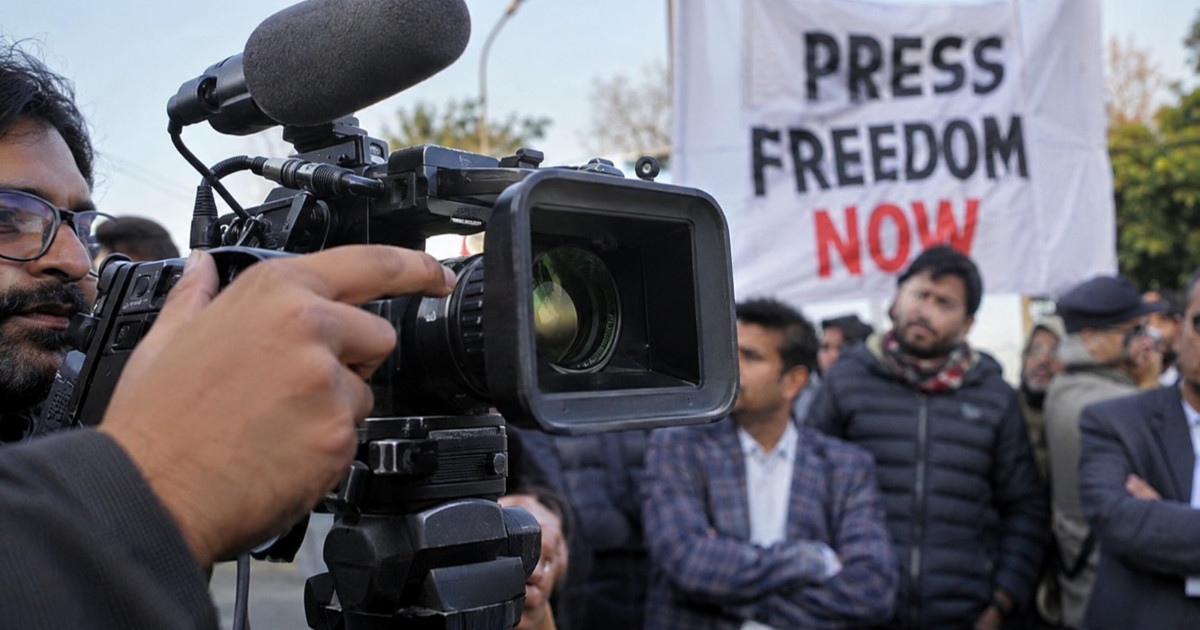
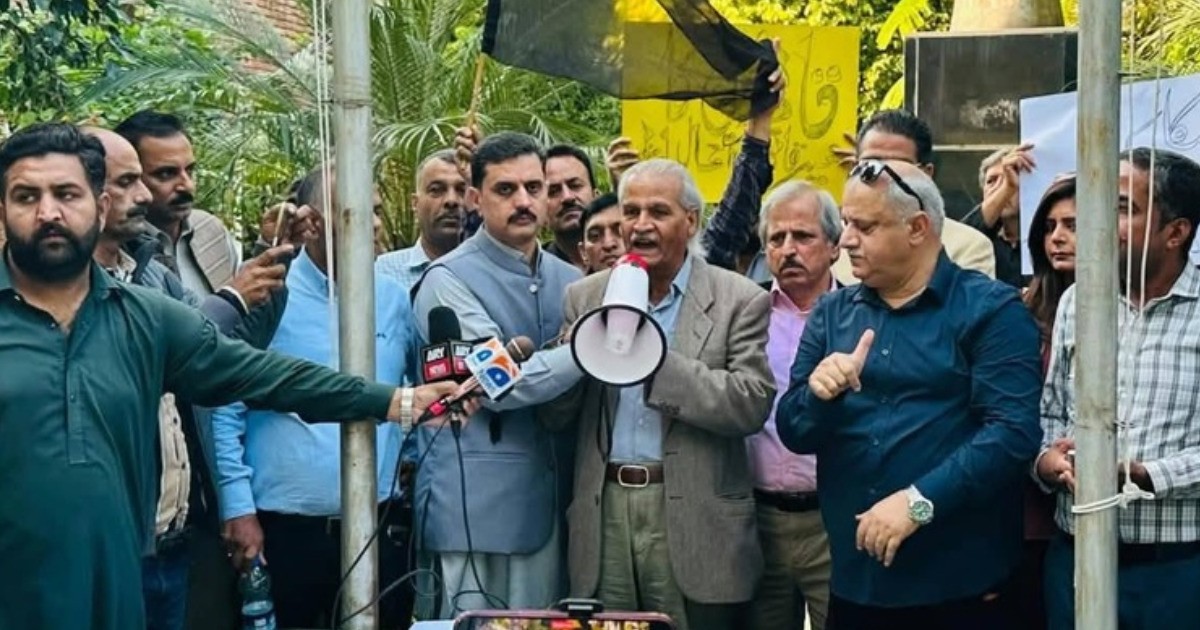
On March 19, JP reported that protests organized by the Rawalpindi-Islamabad Union of Journalists had helped secure delayed salary payments at Suno News, Public News and 365 News, according to union president Asif Bashir Chaudhry.
At the time, workers at several other broadcasters were still awaiting outstanding payments.
The episode demonstrated the potential effectiveness of organized action. It also exposed a weakness in the broader system: employees were dependent on sustained public pressure to obtain wages that should have been paid through normal employment arrangements.
Union intervention can resolve particular disputes, but it does not replace a dependable system of legal enforcement.
Do newspaper employees have stronger remedies?
Newspaper employees covered by Pakistan's Wage Board framework have access to the Implementation Tribunal for Newspaper Employees (ITNE).
Established under the Newspaper Employees (Conditions of Service) Act, 1973, the tribunal implements Wage Board awards and can pursue recovery of qualifying dues.
Official Information Ministry figures show that, as of January 15, 2026, the tribunal had 622 pending cases, including individual complaints and proceedings initiated on its own authority.
The ministry's published performance figures also record monetary relief of approximately Rs773.4 million over a three-year reporting period, although that figure should not be interpreted as confirmation that every amount awarded was actually recovered.
These records demonstrate that a specialized enforcement mechanism exists and processes claims. The pending caseload, however, also illustrates the continuing demand for adjudication and implementation.
The tribunal's jurisdiction does not extend automatically to every person working in television, digital media or freelance journalism.
Employees outside the Wage Board framework must consider the labor laws, contractual remedies and legal forums applicable to their particular employment arrangements.
This division of responsibilities creates an additional practical challenge. Media workers do not all have access to the same complaint procedures or enforcement institutions.
What has JournalismPakistan's reporting revealed?
JournalismPakistan has followed salary disputes and employment insecurity across the media industry throughout 2026.
In February and March, JP documented prolonged salary delays at private television channels, including complaints from journalists awaiting several months of wages.
Its March coverage showed that union demonstrations sometimes secured partial settlements, but outstanding payments continued at other organizations.
On October 27, JP reported the government's attempt to collect detailed information following a parliamentary journalists' walkout. That initiative had not yet produced a published industry-wide accounting of arrears or recovery outcomes by the time of the November 10 committee meeting.
JP's November 5 explainer, "What happens when journalists go unpaid for months?", examined the consequences for employees, newsroom stability and editorial independence.
The accumulated reporting points to a recurring pattern: journalists complain about delayed salaries, unions mobilize, government representatives promise intervention, and some payments are eventually secured.
What remains inadequately documented is whether repeated violations lead to sustained regulatory action, enforceable compliance requirements, or meaningful consequences that prevent further delays.
The distinction is central to the accountability question. Recovering some overdue salaries after protests is important, but it is not equivalent to establishing a system that prevents recurring non-payment.
What would effective accountability require?
The immediate requirement is reliable information about the extent of unpaid wages.
The Information Ministry's proposed plan could identify affected organizations, employees awaiting salaries, amounts owed, and the duration of outstanding payments.
For licensed broadcasters, it could also document the number of complaints received by PEMRA, decisions issued, compliance achieved and cases in which advertising-related enforcement provisions have been invoked.
Such information would allow Parliament to examine not merely whether legal powers exist, but whether those powers are working.
The plan could further establish procedures for following up complaints, monitoring compliance and reporting actual salary recoveries rather than only recording assurances from employers.
For newspaper employees, attention could focus on the timely implementation of Wage Board awards and the enforcement of tribunal decisions.
A credible approach would also distinguish employers facing demonstrable financial distress from those able to make payments but failing to meet their obligations. Financial difficulties may affect how arrears are settled, but they do not eliminate workers' legal entitlements.
These are possible elements of an accountability framework, not measures already announced by the government.
Will the latest parliamentary directive make a difference?
The November 10 directive gives the Information Ministry another opportunity to move beyond consultations and requests for information.
The committee has asked for a plan within 15 days. It has not announced a deadline for recovering every outstanding salary, nor has it identified particular employers for enforcement action.
The effectiveness of the initiative will therefore depend on what happens after the plan is submitted.
Will it identify organizations withholding salaries? Will regulators publish information about complaints and enforcement? Will workers receive payments through established legal mechanisms? And will employers face appropriate consequences when they disregard enforceable orders?
These are the questions that will determine whether the latest intervention produces lasting change.
Media employers remain responsible for paying wages owed to their employees. Regulators and labor institutions have distinct responsibilities for enforcing the law, while Parliament can examine whether those institutions are fulfilling their mandates.
Pakistan's continuing salary disputes do not establish that every employer escapes accountability. They do demonstrate that existing arrangements have not consistently prevented prolonged non-payment.
The central challenge is to make salary obligations enforceable in practice, so that journalists do not have to depend on protests, political intervention or repeated parliamentary hearings to receive the money they have earned.
ATTRIBUTION: Analysis by JournalismPakistan. Sources consulted: Associated Press of Pakistan (November 10, 2026); National Assembly Standing Committee on Information and Broadcasting (July 21 and September 3, 2026); PEMRA (Amendment) Act, 2023; Ministry of Information and Broadcasting, ITNE; JournalismPakistan reporting (March 19, October 27 and November 5, 2026).
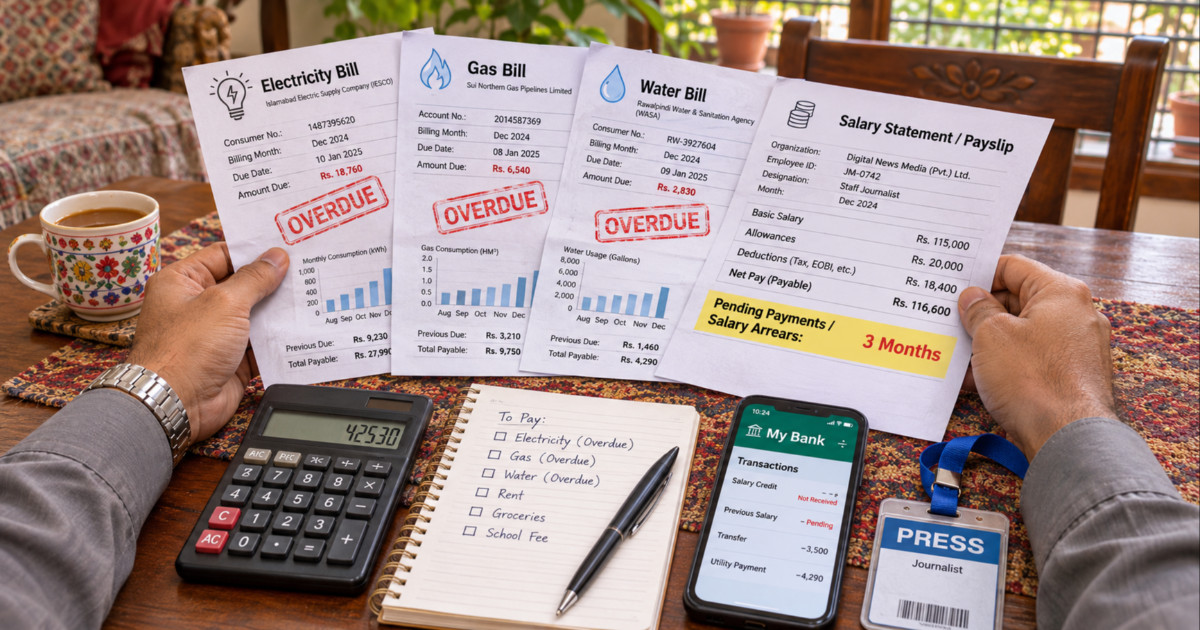
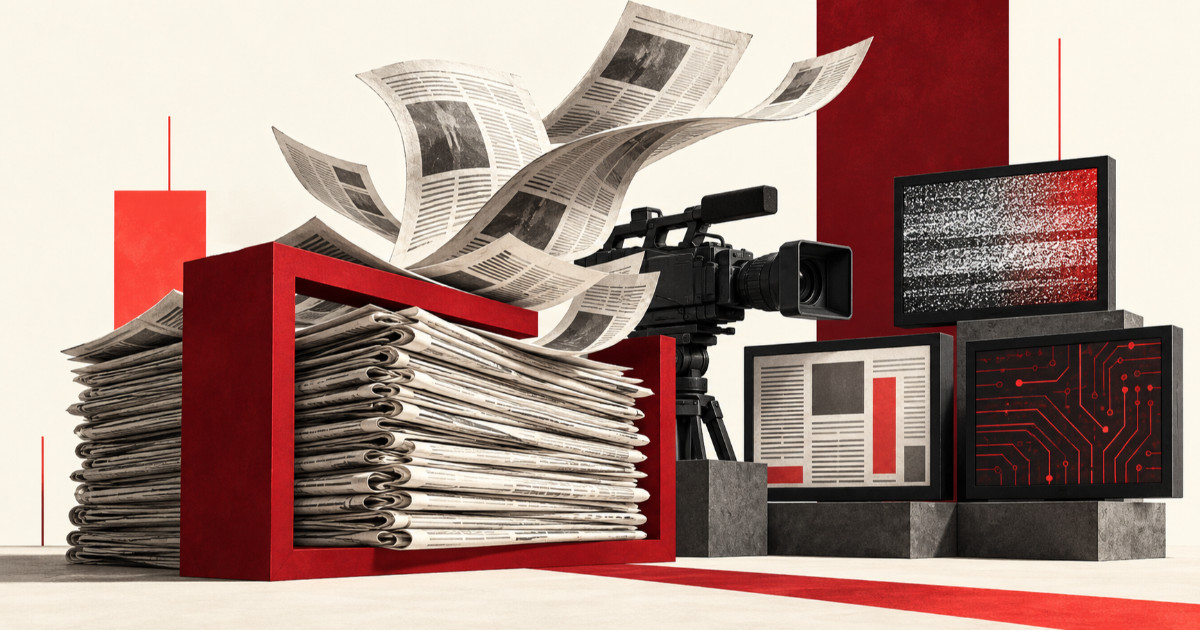
PHOTO: An illustrative AI-generated image highlighting the issue of unpaid salaries and financial insecurity in Pakistan’s media industry.
Key Points
- National Assembly committee directed the Information Ministry to prepare a plan within 15 days to address unpaid salaries and layoffs.
- Pakistan has laws, specialised mechanisms for newspaper staff and regulatory powers for broadcasters.
- Enforcement gaps, delayed investigations and weak follow‑through prevent effective accountability.
- Delayed salaries have triggered protests, parliamentary debate and growing unemployment in the sector.
- Questions remain over regulator powers, reporting channels and practical enforcement against employers.
Key Questions & Answers
Why are media owners not held accountable for unpaid wages?
Although legal obligations exist, accountability often fails due to weak enforcement, delayed investigations, limited follow‑through and practical barriers for workers to secure remedies.
What powers does PEMRA have in such cases?
PEMRA regulates licensed broadcasters and can impose penalties, fines or suspensions; its remit over print outlets is limited and enforcement effectiveness varies.
What action did Parliament take recently?
The National Assembly Standing Committee on Information and Broadcasting instructed the Information Ministry to prepare a comprehensive plan within 15 days to tackle unpaid salaries and rising layoffs.
How can affected journalists seek redress?
Journalists can file complaints with labour courts or tribunals, approach relevant regulators (for broadcasters), and seek support from unions or the Information Ministry, though outcomes depend on enforcement.
Relevant Topics
Ask AI: Understand this story your way
AI EnabledDig deeper, ask anything — get instant context, background, and clarity.
Disclaimer: This feature is powered by AI and is intended to help readers explore and understand news stories more easily. While we strive for accuracy, AI-generated responses may occasionally be incomplete or reflect limitations in the underlying model. This feature does not represent the editorial views of JournalismPakistan. For our full, verified reporting, please refer to the original article.