.png)
Najam Sethi
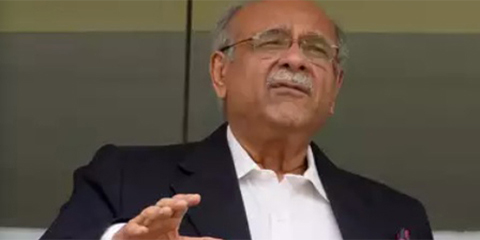
Najam Sethi is an award-winning journalist and media personality. He is the Editor-in-Chief of The Friday Times, a Lahore-based political weekly. He was previously the Editor of Daily Times and daily Aaj Kal newspapers. He is currently the Editor-in-Chief of Geo News where he hosts a popular political program: “Aapas ki Baat”. He is the only journalist in Asia to receive three international press freedom awards in a decade.
Sethi was born in May, 1948. He is married to Jugnu Mohsin who is Managing Editor of The Friday Times and Good Times. Their son Ali Sethi is a novelist and daughter Mira Sethi works at the Wall Street Journal in New York.
Sethi was a political prisoner from 1975-1977 during the regime of Zulfikar Ali Bhutto for protesting military action in Balochistan. In 1984, the regime of General Zia ul Haq put him in prison for one month for publishing “From Jinnah to Zia”, a book authored by the former chief justice of the Supreme Court of Pakistan, Justice Mohammad Munir. The book was a sort of mea culpa in which the author had admitted his grave error in legitimizing the first martial law in Pakistan in 1958, thereby paving the way for Gen Zia’s martial law in 1977.
In 1999, he was again imprisoned by the government of Prime Minister Nawaz Sharif on trumped up charges of treason. The reason was relentless exposure of corruption in the Sharif family by The Friday Times. The Supreme Court of Pakistan later rejected the charges and freed him after one month.
While in detention, he was tortured and suffered a heart attack, which necessitated heart surgery in 2000. The Sharif government harassed him later by slapping dozens of income tax cases, accused him of being a “non-Muslim” and tried to deprive him of his voting rights. But all the cases were dismissed by the courts and his rights were restored by the Chief Election Commissioner.
He has been awarded the 2009 Golden Pen of Freedom, the annual press freedom prize of the World Editors Forum/ World Association of Newspapers for courage in upholding secular values, human rights and press freedom.
He has also received Courage in Journalism Award 1999 from Amnesty International, Press Freedom Award 1999 from Committee to Protect Journalists (CPJ) New York, and Hilal-i-Imtiaz, the highest civil award of the country, from the Government of Pakistan in 2010.
Source: najamsethiaapaskibaat.wordpress.com
Zafar Iqbal Mirza
In the preface of Last Man, a compilation of his columns, Zafar Iqbal Mirza remembers his more than 42 years in journalism as "well and truly through the mill." His Lahori columns are a window

Safdar Mir (1922-1998)
Born in Lahore, Mohammad Safdar Mir was respected and feared for his encyclopedic knowledge, making his mark as a poet and playwright. He acted on stage in both Bombay and Lahore
Nasir Zaidi
On May 13, 1978, four journalists courted arrest at the offices of Musawaat, among them was Nasir Zaidi, a quiet, unassuming and physically frail individual. They were driven away in chains for
Khalid Hasan (1935-2009)
Khalid Hasan was a senior Pakistani journalist and writer. He was born in Srinagar, Kashmir. He was the brother in law of the first elected president of Azad Jammu & Kashmir K H Khurshid, private secretary
Anjum Niaz (1948-2018)
Before joining journalism, Anjum Niaz taught at the Karachi American School and Pakistan American Council. A master's in English Literature from the Punjab University, she joined the
F.E. Choudhry (1909-2013)
Affectionately known as Chacha in the journalist community, F. E. Choudhry is credited to have introduced innovative features to photojournalism, such as cricket action photography, pictorial and
Minhaj Barna (1925-2011)
The death of Minhaj Barna in Rawalpindi at the age of 87 on January 14, 2011 marked the end of an era.Even journalists who had never met him in person were familiar with his name and his
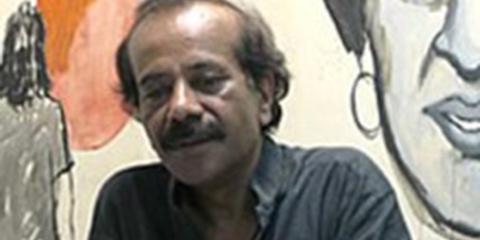
Rafique (Feica)
Born in 1957 in Multan, Feica started his schooling there, but could never take to studies. According to him, he was "only interested in drawing". He credits his father for allowing him to pursue his dream
Newsroom

Pele to Messi: How World Cup finals wrote football's greatest story
June 15, 2026 From Pele to Messi, World Cup finals shaped football's global story, tracing triumphs and heartbreaks and showing how the game became a shared language.

Press freedom review: From jail cells to cyberspace, threats to journalists multiply
June 14, 2026 Press freedom faces mounting challenges worldwide as journalists confront arrests, legal pressure, cyberattacks, online harassment, deportations, and reporting restrictions across multiple countries.
The right to know: Comparing access-to-information laws across Asia
June 14, 2026 Across Asia, RTI laws range from effective tools for journalism and accountability to paper laws weakened by bureaucracy, broad exemptions and poor enforcement.

Open-Source Intelligence (OSINT): How journalists verify information in the digital age
June 14, 2026 OSINT helps journalists verify social media, photos, videos, maps and public records to improve reporting accuracy and detect misinformation.
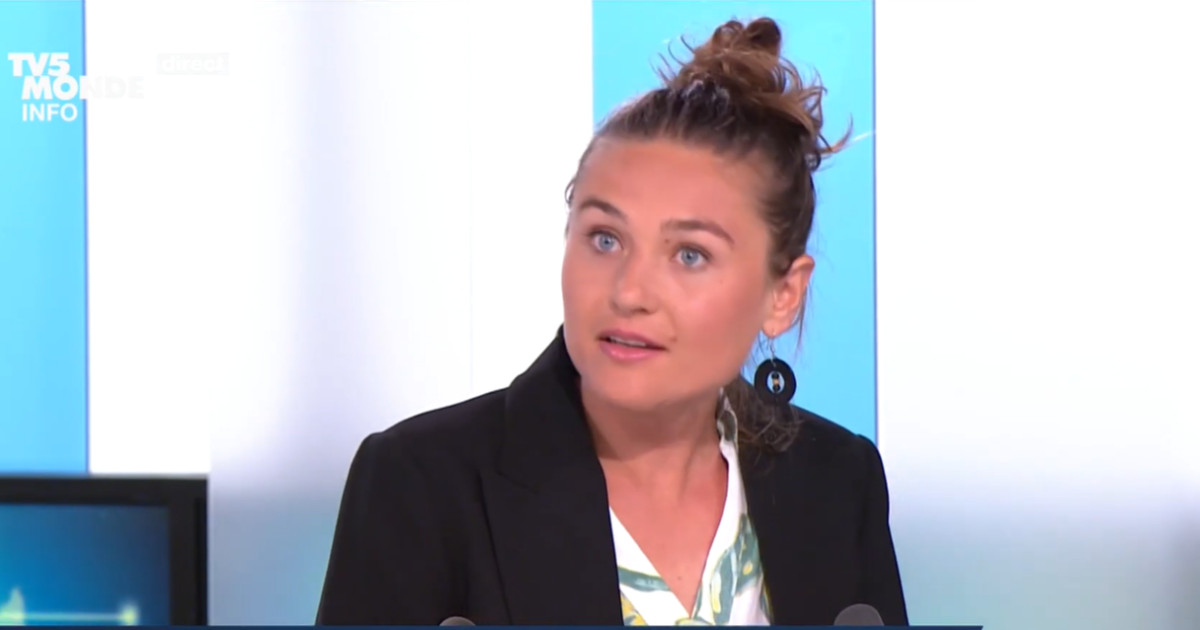
Ethiopia expels French journalist after Tigray reporting
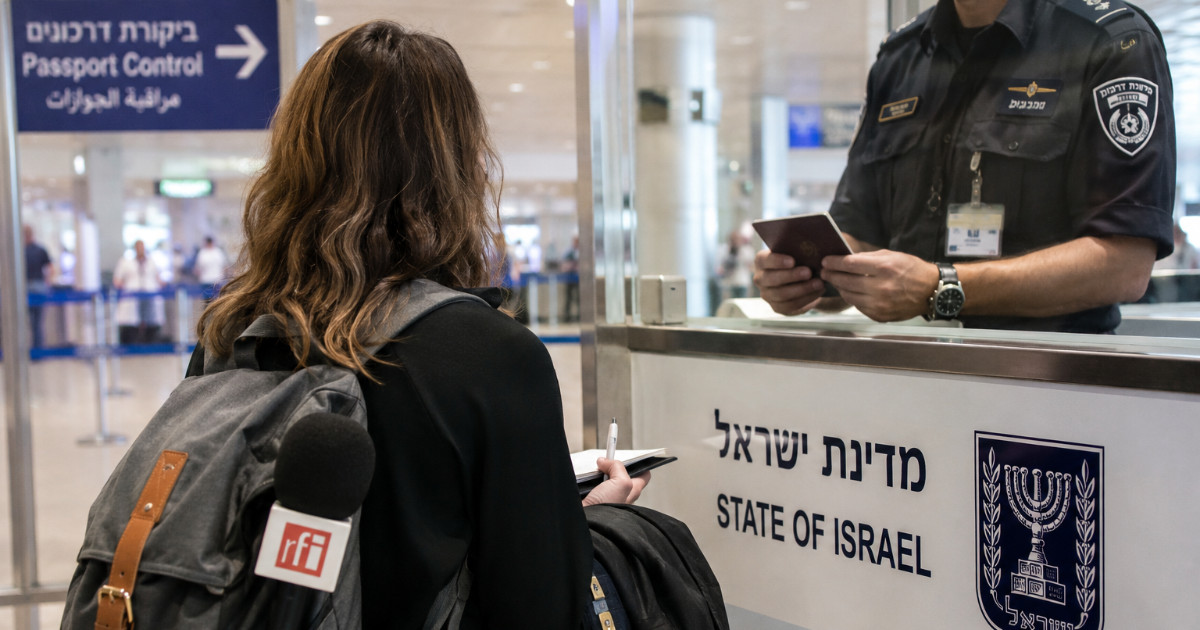
June 13, 2026 Ethiopia expelled French reporter A. Passilly after Tigray reporting, drawing criticism from press groups as retaliatory and damaging to press freedom.
Popular Stories

Why publishers want AI companies to pay
Jun 06, 2026