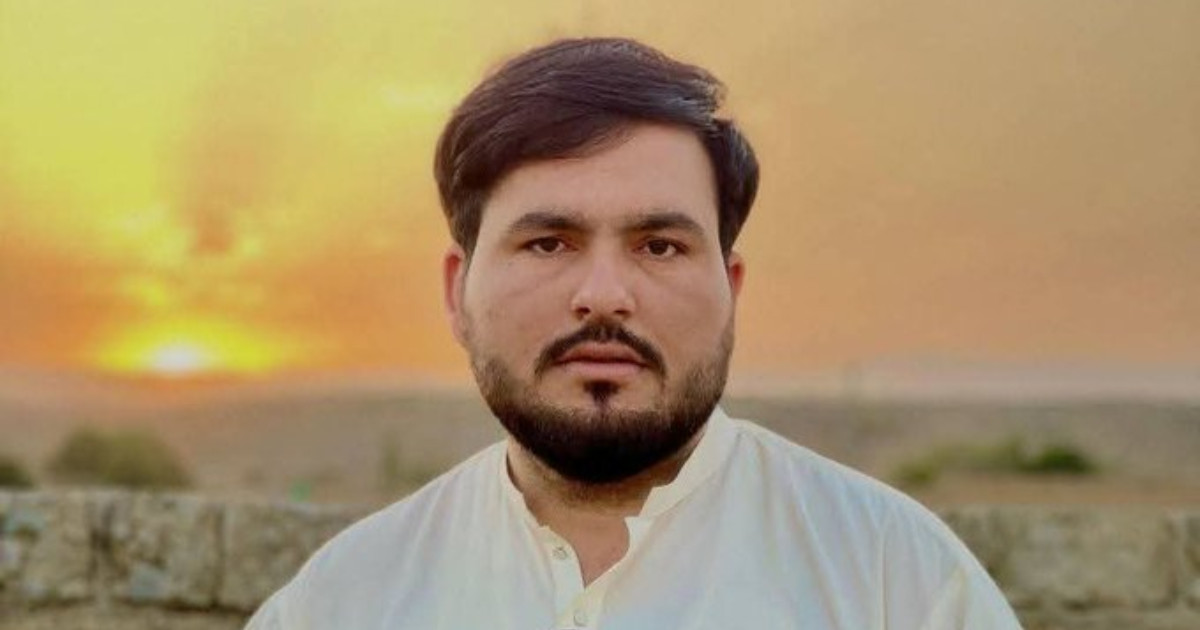

Mushahid Hussain Sayed

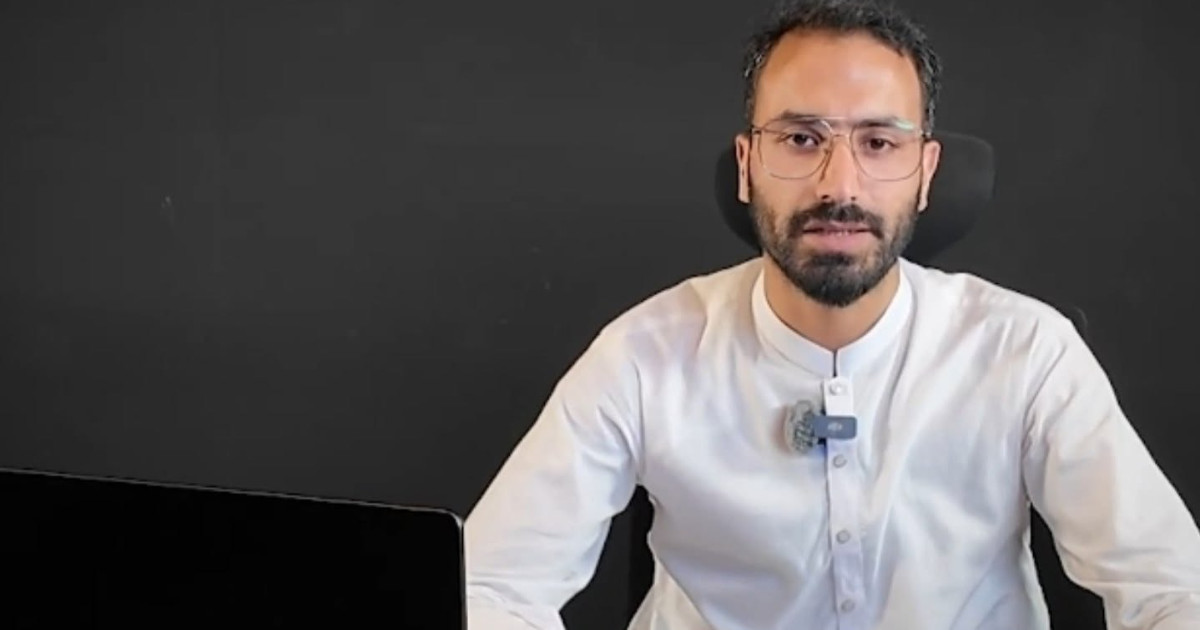
Mushahid Hussain Sayed has the distinction of becoming the youngest editor of a national English daily The Muslim (now defunct). He achieved this honor at the age of 29 in 1982.
As a specialist on international political and strategic issues, he has lectured widely and his articles have been published in various national and international publications including The New York Times, The Washington Post, International Herald Tribune, and Middle East International. He has authored three books.
Mushahid Hussain has a Master's degree from the School of Foreign Service in Georgetown University at Washington. While studying in the US, he was President of the Pakistan Students Association and was awarded a Congressional Internship to work in the United States Congress. In Pakistan, he studied at the FC College in Lahore, from where he received a BA.
After completion of studies in the United States, he returned to Pakistan and became Member, Directing Staff of the country’s prestigious training institution for civil servants, the Pakistan Administrative Staff College where he trained new entrants to the Foreign Service. He then joined Pakistan’s oldest seat of learning, the Punjab University, as Lecturer on International Relations in the Political Science Department, from where he along with three other teachers was removed on political grounds during Martial Law.
He is also Member of the Board of Governors of Islamabad Policy Research Institute (IPRI), a leading think tank. He was Pakistan representative to the Commission of Eminent Persons, set up by the Organization of Islamic Conference (OIC) for its reform in 2004-05.
He is also the Vice President of the Centrist Democrat International (CDI) Asia – Pacific Chapter. On January 27, 2006, he was awarded the Congressional Medal of Achievement by the House of Representatives of the Republic of the Philippines.
As Information Minister from 1997 to 1999, Mushahid Hussain was the country's principal spokesman and appeared frequently on international television and radio channels to present Pakistan's position on issues ranging from nuclear weapons to Islam and foreign policy.
He was also Leader of Pakistan's Delegation to the UN Human Rights Commission at Geneva in 1993. After October 12, 1999, Mushahid Hussain was held without any charges as a political prisoner for 440 days, including a period in solitary imprisonment.
The world's leading human rights organization, Amnesty International, declared him a 'Prisoner of Conscience' making him the first such Pakistani to be so honored for the year 2000.
Mushahid is also the secretary general of the Pakistan Muslim League.
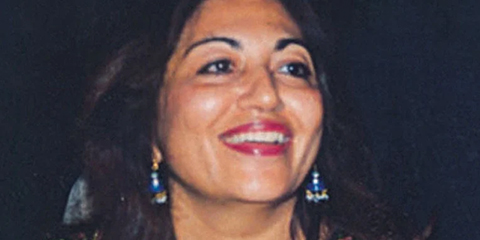
Razia Bhatti (1944-1996)
Razia Bhatti has been described as a crusader, a torch-bearer, and a symbol of courage. In 1996, the Pakistan Press Foundation called her untimely death at the age of 52 an 'end of a golden chapter of journalism in Pakistan.'

Altaf Husain (1900-1968)
One of the pioneers of journalism in Pakistan, Altaf first came to notice with his forceful advocacy of Indian Muslims' case in colonial India through articles in the press (as a government servant he
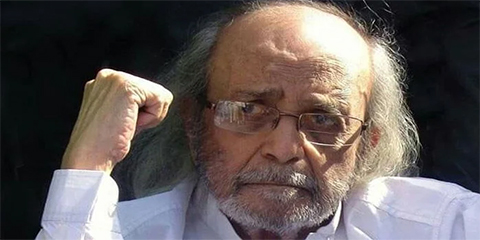
Saleem Asmi
Beginning his journalistic career in 1959, Saleem Asmi joined The Times of Karachi as a sub-editor. Like most journalists from his era, he became part of The Pakistan Times, becoming the newspaper's city editor.
Majeed Lahori (1913-1957)
Majeed Lahori, born Abdul Majid Chohan in 1913 in Gujrat, was truly a people's columnist, according to Khalid Hasan, adding what he wrote remains as delightful today as it was then.
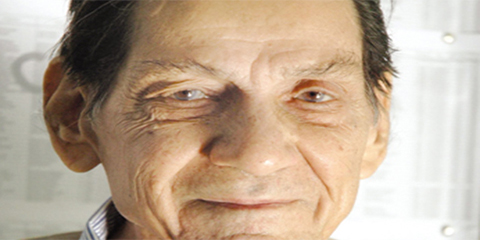
Minhaj Barna (1925-2011)
The death of Minhaj Barna in Rawalpindi at the age of 87 on January 14, 2011 marked the end of an era.Even journalists who had never met him in person were familiar with his name and his
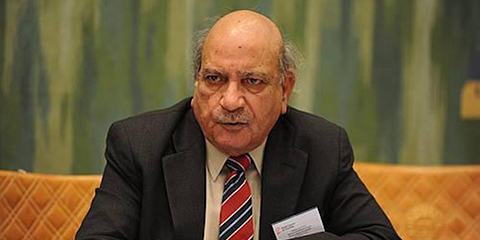
I A Rehman
A senior journalist and human rights activist, I A Rehman is known for his outspoken views. He served as editor-in-chief of The Pakistan Times from 1989-90. Since 1990 he has been serving as a director
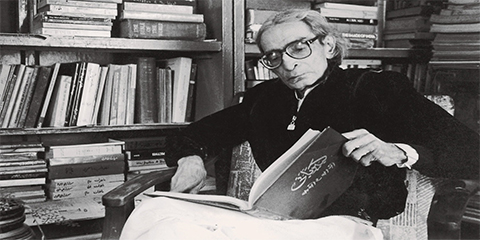
Zamir Niazi (1932-2004)
Zamir Niazi was a renowned Pakistani journalist, famous for his commitment to the freedom of the press. He worked for Dawn, Daily News and Business Recorder and also edited the monthly Recorder and the weekly Current.
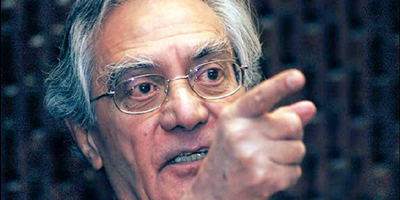
Aslam Azhar (1932-2015)
Born on 2 September 1932, Aslam Azhar is remembered as the founding father of Pakistan Television. After earning a law degree from Cambridge University, he chose not to pursue a legal career but instead immersed himself in the world of performing arts.
Newsroom

Pele to Messi: How World Cup finals wrote football's greatest story
June 15, 2026 From Pele to Messi, World Cup finals shaped football's global story, tracing triumphs and heartbreaks and showing how the game became a shared language.

Press freedom review: From jail cells to cyberspace, threats to journalists multiply
June 14, 2026 Press freedom faces mounting challenges worldwide as journalists confront arrests, legal pressure, cyberattacks, online harassment, deportations, and reporting restrictions across multiple countries.
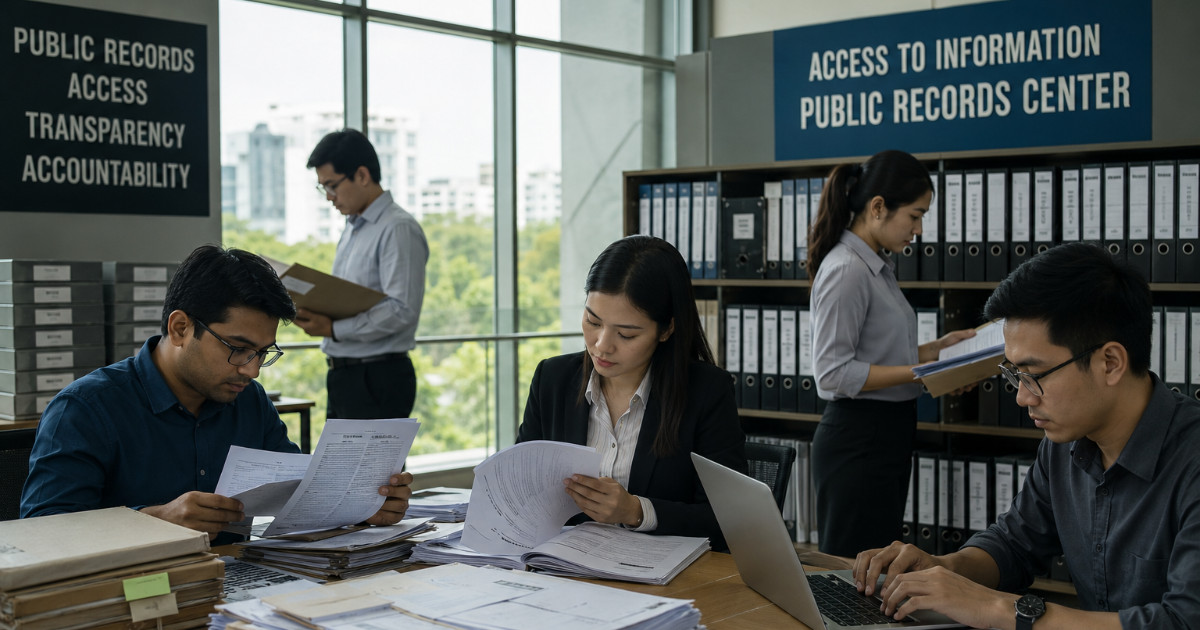
The right to know: Comparing access-to-information laws across Asia
June 14, 2026 Across Asia, RTI laws range from effective tools for journalism and accountability to paper laws weakened by bureaucracy, broad exemptions and poor enforcement.

Open-Source Intelligence (OSINT): How journalists verify information in the digital age
June 14, 2026 OSINT helps journalists verify social media, photos, videos, maps and public records to improve reporting accuracy and detect misinformation.

Ethiopia expels French journalist after Tigray reporting
June 13, 2026 Ethiopia expelled French reporter A. Passilly after Tigray reporting, drawing criticism from press groups as retaliatory and damaging to press freedom.
Popular Stories

Why publishers want AI companies to pay
Jun 06, 2026