
Ghulam Rasul Mehr (1895-1971)
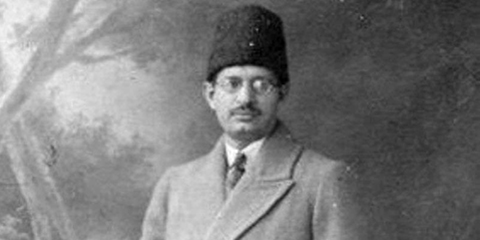
Ghulam Rasul Mehr hailed from Jallunder in East Punjab. He received his education in Lahore from the Mission High School and Islamia College, after which he joined the education department in Hyderabad Deccan, where he served from 1917-20.
Mehr began to work for the Urdu daily Zamindar alongside his close friend Abdul Majeed Salik. Subsequently, he and Salik began their own publication from Lahore in the shape of Inqilab, an Urdu daily. The newspaper lasted 20 years and in its final phase was openly supportive of the Unionist government in Punjab.
A prolific writer, Mehr besides writing a bestseller interpreting Ghalib’s poetry, Nawa-i-Saroosh also wrote on other topics of historical significance. He also translated more than 50 books from Persian, Arabic, and English into Urdu.
Source: The Oxford Companion to Pakistani History
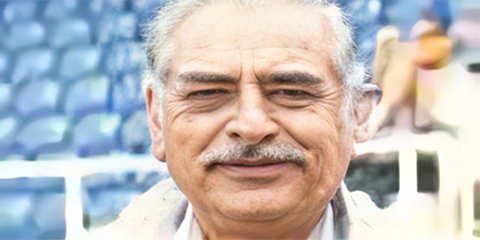
Farooq Mazhar
Farooq Mazhar was Pakistan's most prominent sports journalist, television commentator and former Editor of The News. He died on April 28, 2001 in Bahrain enroute to America after a short illness.
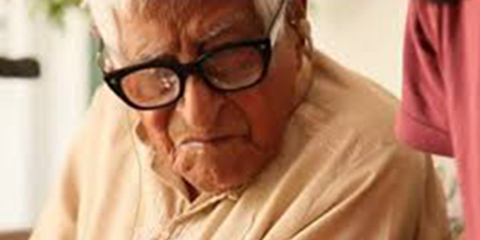
F.E. Choudhry (1909-2013)
Affectionately known as Chacha in the journalist community, F. E. Choudhry is credited to have introduced innovative features to photojournalism, such as cricket action photography, pictorial and
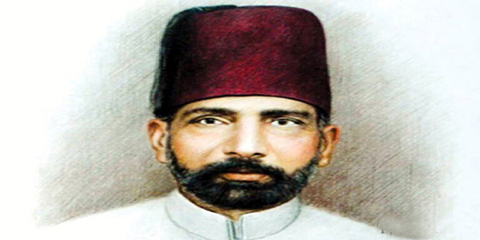
Maulana Zafar Ali Khan (1873-1956)
Writer, journalist and politician, Maulana Zafar Ali Khan belonged to a learned family of Karamabad district, Gujranwala, Punjab. He received his early education in Wazirabad and Patiala.
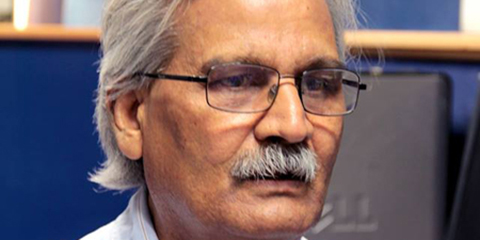
Nasir Zaidi
On May 13, 1978, four journalists courted arrest at the offices of Musawaat, among them was Nasir Zaidi, a quiet, unassuming and physically frail individual. They were driven away in chains for
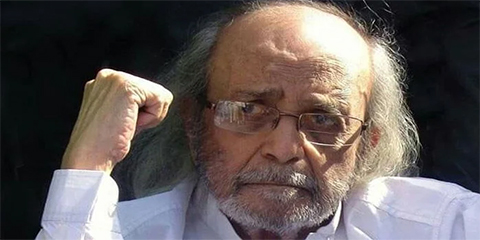
Saleem Asmi
Beginning his journalistic career in 1959, Saleem Asmi joined The Times of Karachi as a sub-editor. Like most journalists from his era, he became part of The Pakistan Times, becoming the newspaper's city editor.
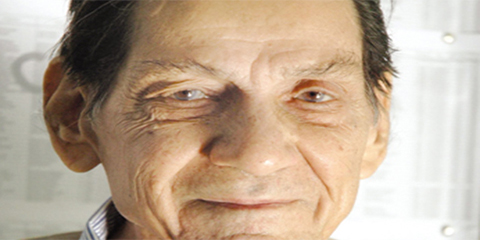
Minhaj Barna (1925-2011)
The death of Minhaj Barna in Rawalpindi at the age of 87 on January 14, 2011 marked the end of an era.Even journalists who had never met him in person were familiar with his name and his
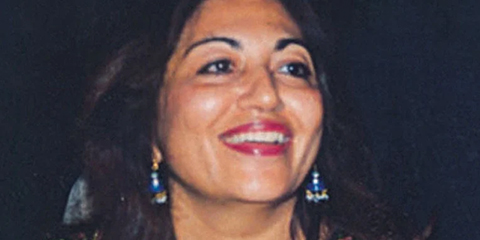
Razia Bhatti (1944-1996)
Razia Bhatti has been described as a crusader, a torch-bearer, and a symbol of courage. In 1996, the Pakistan Press Foundation called her untimely death at the age of 52 an 'end of a golden chapter of journalism in Pakistan.'

Safdar Mir (1922-1998)
Born in Lahore, Mohammad Safdar Mir was respected and feared for his encyclopedic knowledge, making his mark as a poet and playwright. He acted on stage in both Bombay and Lahore
Newsroom

Pele to Messi: How World Cup finals wrote football's greatest story
June 15, 2026 From Pele to Messi, World Cup finals shaped football's global story, tracing triumphs and heartbreaks and showing how the game became a shared language.
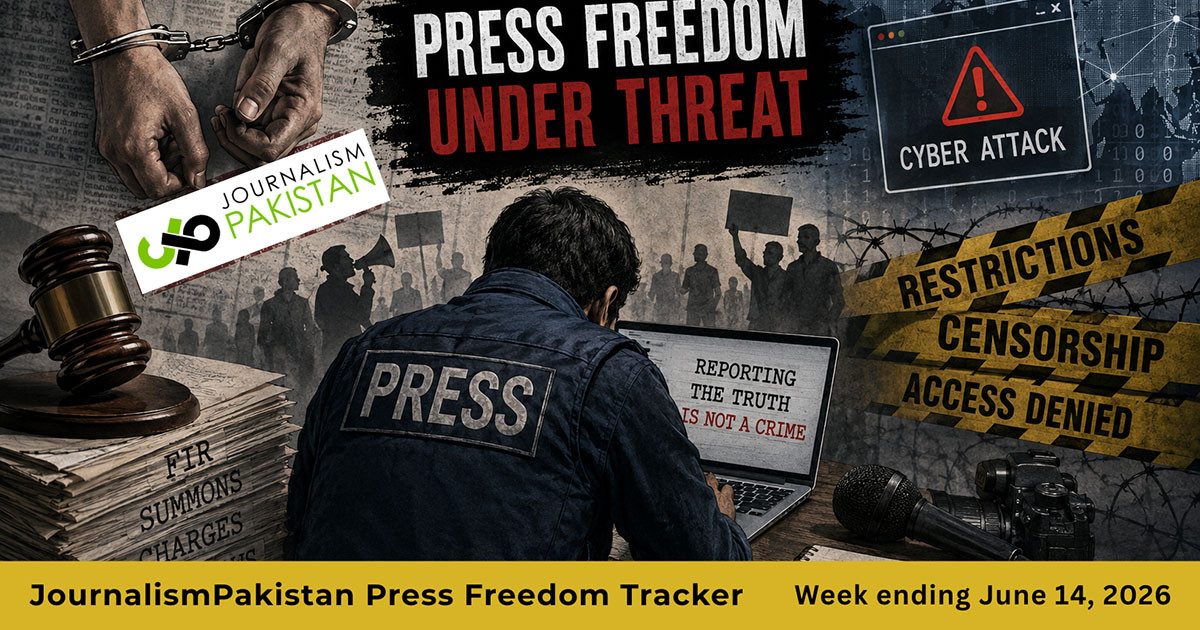
Press freedom review: From jail cells to cyberspace, threats to journalists multiply
June 14, 2026 Press freedom faces mounting challenges worldwide as journalists confront arrests, legal pressure, cyberattacks, online harassment, deportations, and reporting restrictions across multiple countries.
The right to know: Comparing access-to-information laws across Asia
June 14, 2026 Across Asia, RTI laws range from effective tools for journalism and accountability to paper laws weakened by bureaucracy, broad exemptions and poor enforcement.

Open-Source Intelligence (OSINT): How journalists verify information in the digital age
June 14, 2026 OSINT helps journalists verify social media, photos, videos, maps and public records to improve reporting accuracy and detect misinformation.
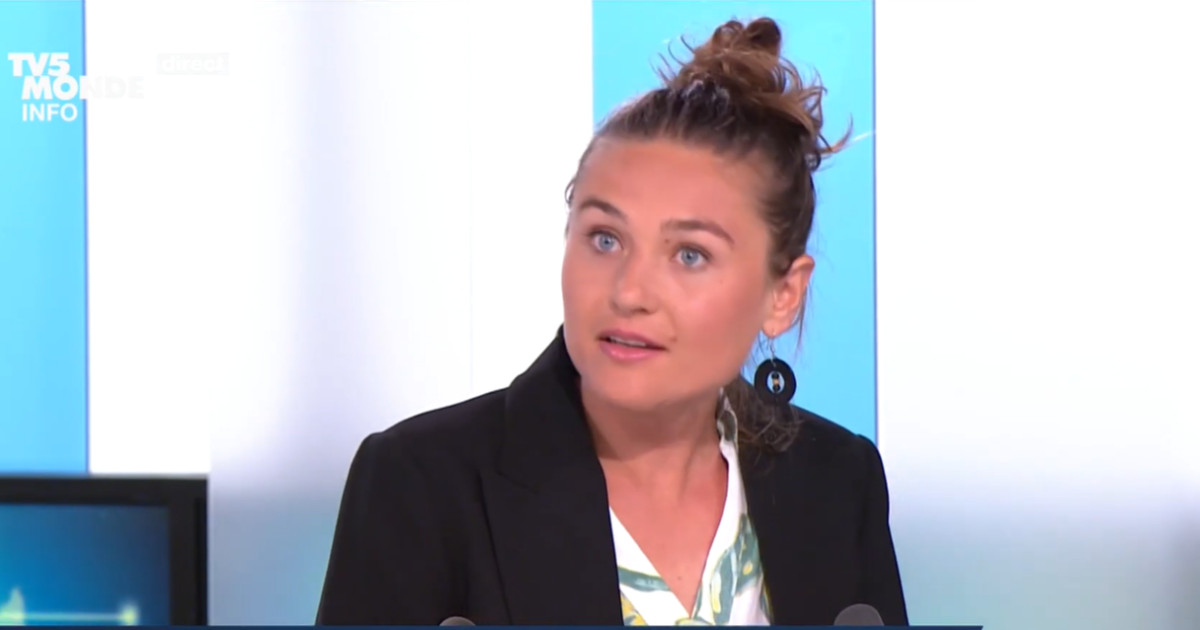
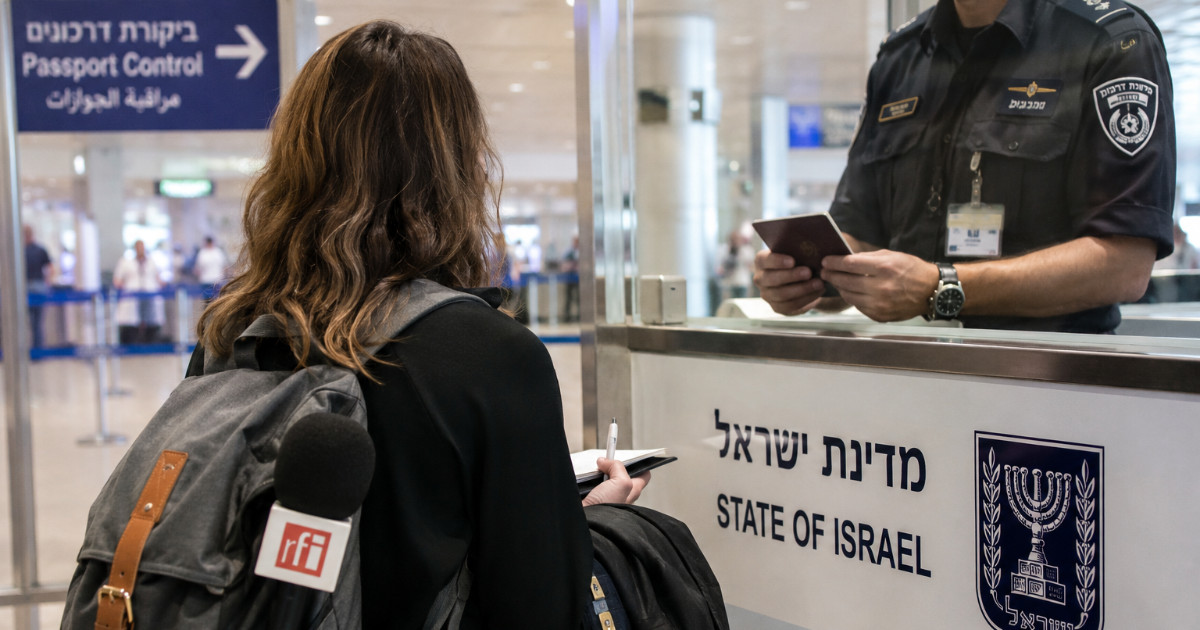
Ethiopia expels French journalist after Tigray reporting
June 13, 2026 Ethiopia expelled French reporter A. Passilly after Tigray reporting, drawing criticism from press groups as retaliatory and damaging to press freedom.
Popular Stories

Why publishers want AI companies to pay
Jun 06, 2026