
Maulana Zafar Ali Khan (1873-1956)
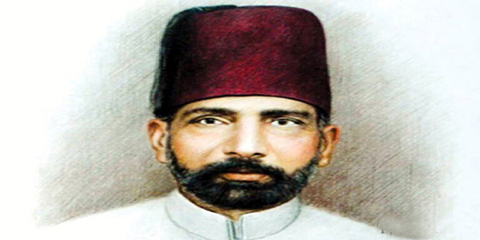
Writer, journalist and politician, Maulana Zafar Ali Khan belonged to a learned family of Karamabad district, Gujranwala, Punjab. He received his early education in Wazirabad and Patiala.
After completing his intermediate at Aligarh, he joined the postal department of the state of Jammu and Kashmir but resigned over a row with his seniors.
He rejoined the Aligarh College, graduated, and served as private secretary to the vice-chancellor of the college, Nawab Mohsinul Mulk, who sent him to Darul Tarjuman at Hyderabad Deccan. Although he did sizable translation work there, he left for Bombay after developing differences with the Home Secretary of Deccan Nawab Sarbuland.
Maulana Zafar Ali came back to Deccan after going through a series of unsuccessful business ventures in Bombay. He launched the magazine, The Deccan Review, which soon earned him fame.
At that time his father was editor of weekly Zamindar that was being published from Lahore. The weekly played a prominent role in Pagri Sambhal Jutta Movement aimed at asserting the rights of farmers in colonized areas.
Following his father’s death, Maulana Zafar Ali Khan moved to Lahore and took over Zamindar which became mouthpiece for Muslim anti-colonial politics. He joined the All-India Congress Committee and emerged as a fiery and powerful commentator.
While his agitational attitude earned him popularity, it also resulted in multiple incarcerations. During his time in jail, he composed some powerful devotional poetry. During this period he was a bitter critic of the All-India Muslim League. But when the Sangathan/Shuddhi movements began to gain popularity, he started harboring doubts about Congress’ Hindu leadership. And in 1945-46 he was elected to the Central Legislative Assembly as a Muslim League nominee. He was a key agitator in the Shahidgunj Mosque dispute and several other anti-British movements.
Maulana Zafar Ali penned 30 books, including seven collections of poetry, most notably: Baharistan, Nigaristan and Chamanistan. Some of his other well-known works are: Marka-e-Mazhab-o-Science, Ghalba-e-Rum, Sayr-e-Zulmet, and an opera Jang-e-Roos-o-Japan.
Source: The Oxford Companion to Pakistani History
Photo courtesy: http://farzana.wordpress.com/
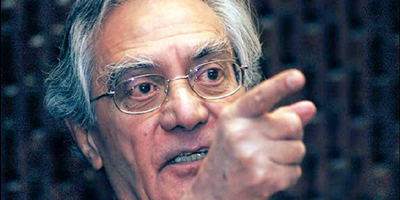
Aslam Azhar (1932-2015)
Born on 2 September 1932, Aslam Azhar is remembered as the founding father of Pakistan Television. After earning a law degree from Cambridge University, he chose not to pursue a legal career but instead immersed himself in the world of performing arts.
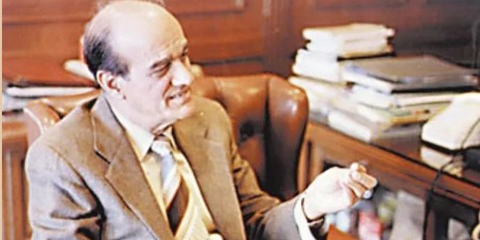
Mir Khalil-ur-Rahman (1927-1992)
Mir Khalil-ur-Rahman was the Founder and Editor of the Jang Group of Newspapers.. A self-made newspaper magnate he ranks among the most successful newspaper entrepreneurs in Asia.
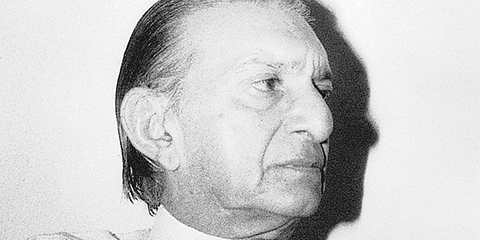
Omar Kureishi (1928-2005)
Omar Kureishi was a distinguished Pakistani writer. He worked in advertising, aviation and journalism, writing for many newspapers, including Dawn, The Pakistan Times, Morning News and The Guardian, London.
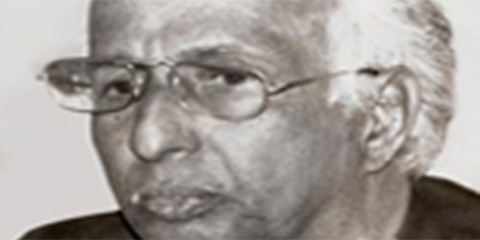
Nisar Osmani
Born in Allahabad in 1931, Mr. Nisar Osmani had his early education in India. Migrating from India soon after the creation of Pakistan, Nisar Osmani stepped into practical life as a school teacher in Bahawalpur.

Safdar Mir (1922-1998)
Born in Lahore, Mohammad Safdar Mir was respected and feared for his encyclopedic knowledge, making his mark as a poet and playwright. He acted on stage in both Bombay and Lahore
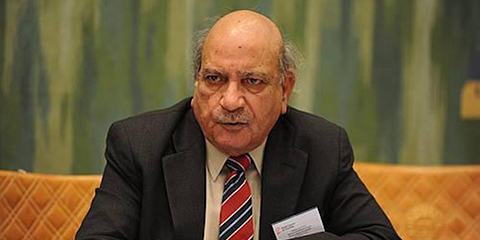
I A Rehman
A senior journalist and human rights activist, I A Rehman is known for his outspoken views. He served as editor-in-chief of The Pakistan Times from 1989-90. Since 1990 he has been serving as a director
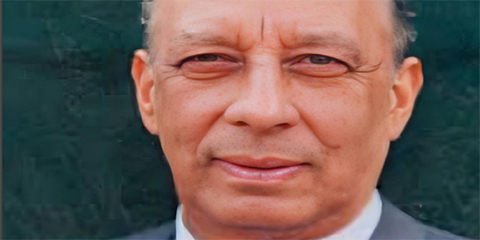
Zakir Hussain Syed (1939-2013)
Zakir Hussain Syed, affectionately called Zak, was an internationally renowned sports administrator, broadcaster and journalist. Born in the town of Sialkot on November 1, 1939, Zakir had his initial schooling at Rawalpindi's Denny's High School.
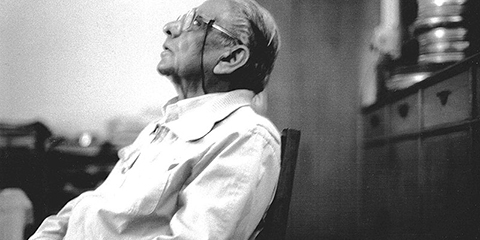
Anwar Ali (1922-2004)
Anwar Ali, creator of famous character Nanna, was the first newspaper cartoonist associated with The Pakistan Times. Born on April 18, 1922 in Ludhiana, his association with this newspaper
Newsroom

Pele to Messi: How World Cup finals wrote football's greatest story
June 15, 2026 From Pele to Messi, World Cup finals shaped football's global story, tracing triumphs and heartbreaks and showing how the game became a shared language.
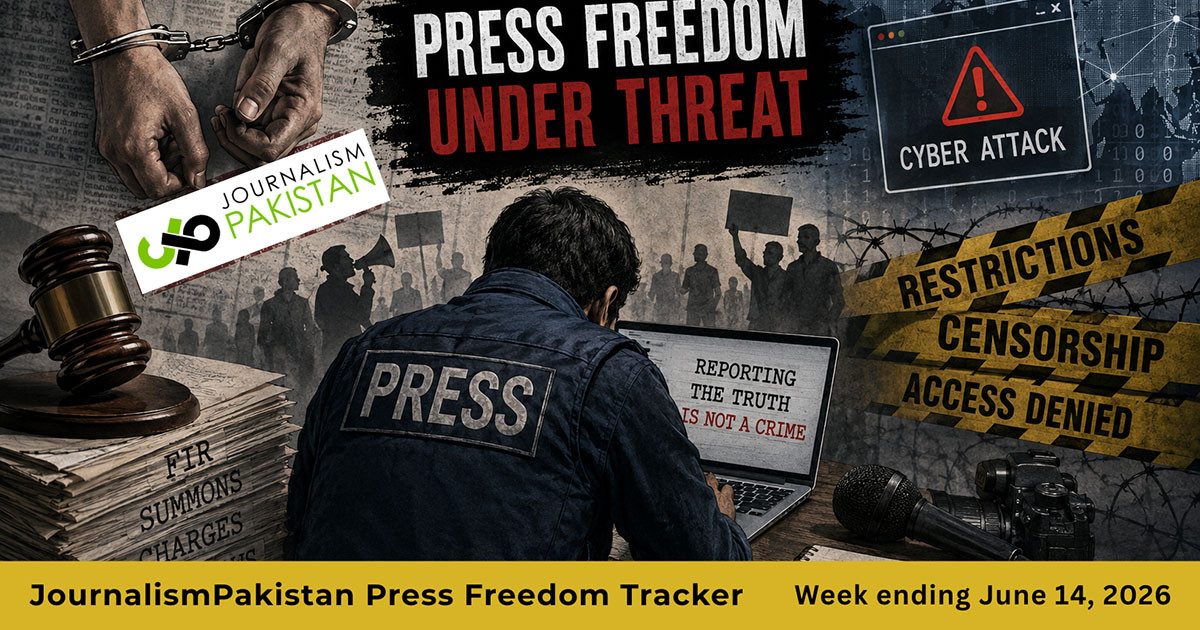
Press freedom review: From jail cells to cyberspace, threats to journalists multiply
June 14, 2026 Press freedom faces mounting challenges worldwide as journalists confront arrests, legal pressure, cyberattacks, online harassment, deportations, and reporting restrictions across multiple countries.
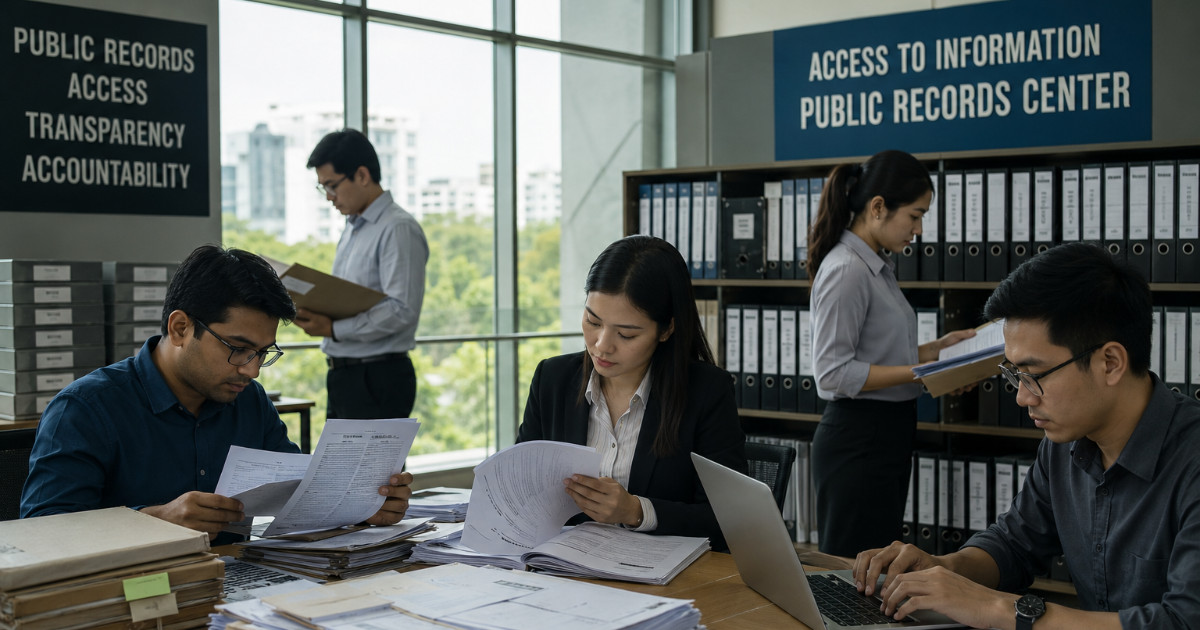
The right to know: Comparing access-to-information laws across Asia
June 14, 2026 Across Asia, RTI laws range from effective tools for journalism and accountability to paper laws weakened by bureaucracy, broad exemptions and poor enforcement.

Open-Source Intelligence (OSINT): How journalists verify information in the digital age
June 14, 2026 OSINT helps journalists verify social media, photos, videos, maps and public records to improve reporting accuracy and detect misinformation.

Ethiopia expels French journalist after Tigray reporting
June 13, 2026 Ethiopia expelled French reporter A. Passilly after Tigray reporting, drawing criticism from press groups as retaliatory and damaging to press freedom.
Popular Stories

Why publishers want AI companies to pay
Jun 06, 2026