
Don Lemon arrested by ICE amid press freedom debate
JournalismPakistan.com | Published: 30 January 2026 | Shafaat Yar Khan
Join our WhatsApp channel
Former CNN anchor Don Lemon was detained by ICE in Los Angeles while covering the Grammy Awards after livestreaming an anti-ICE protest in St. Paul; federal officials allege interference with worship. A magistrate initially declined to find probable cause, and the matter has prompted broader debate on press freedom.Summary
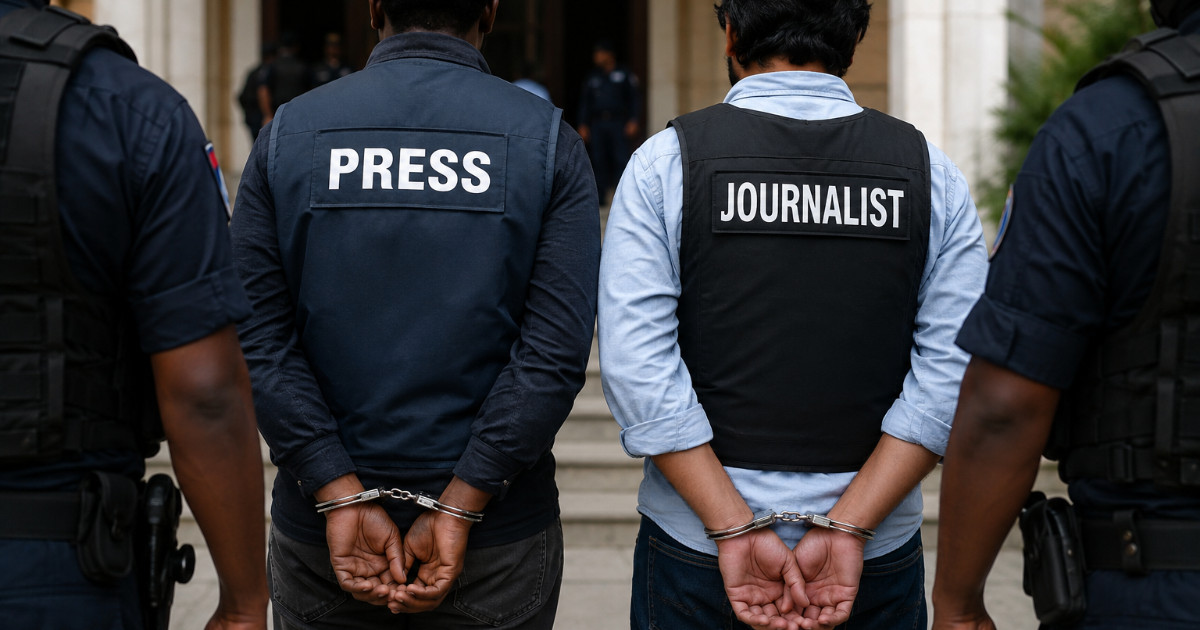
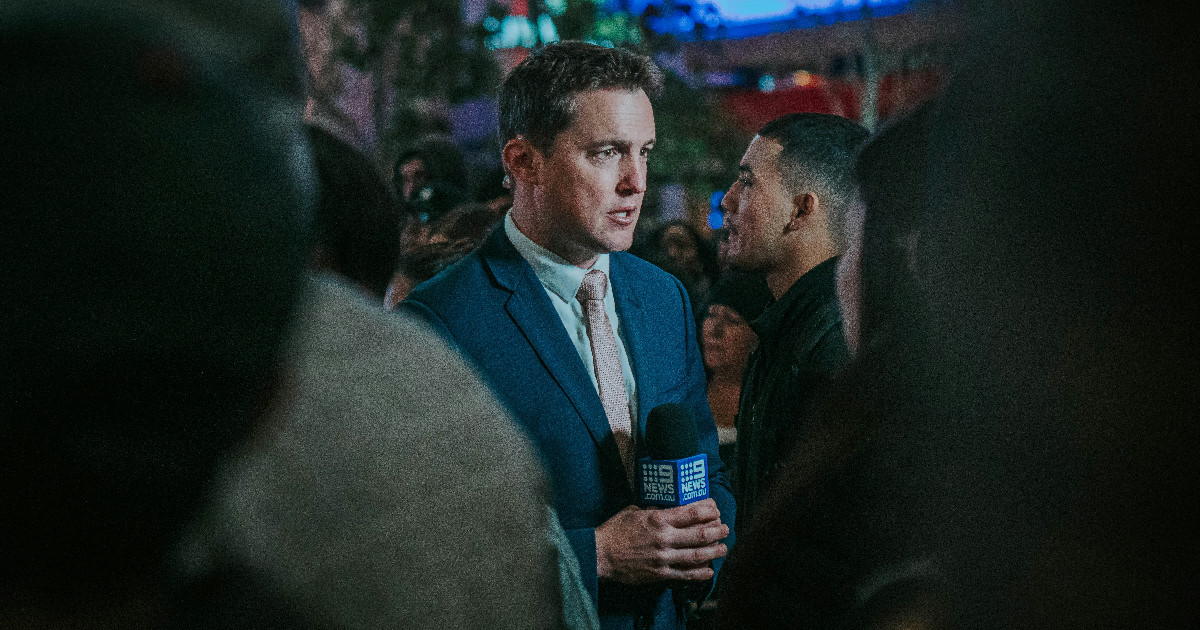
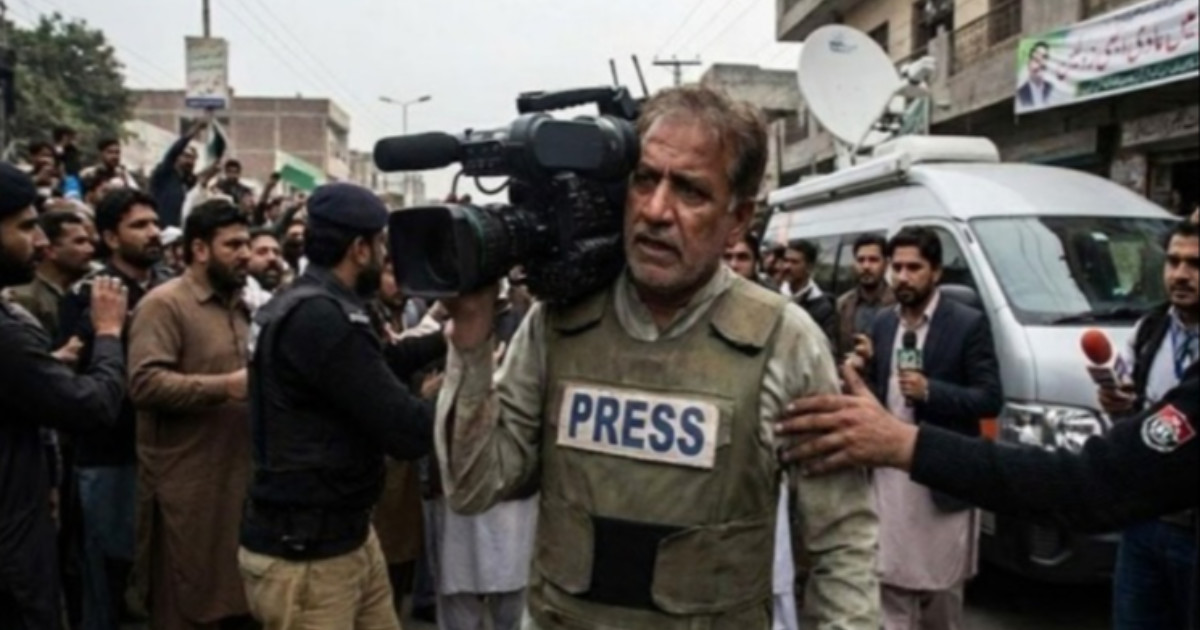
SYDNEY — Former CNN anchor and senior US journalist Don Lemon was taken into custody on Thursday by agents linked to Immigration and Customs Enforcement (ICE) in Los Angeles while he was covering the Grammy Awards, after reporting on an anti-ICE protest in Minnesota earlier in the month. His arrest has ignited a fierce debate about press freedom, the role of journalists in turbulent political times, and whether the United States risks sliding toward the kind of autocratic treatment of dissent and media seen in third-world dictatorships.
Protest coverage triggers arrest
The incident that triggered Lemon’s detainment occurred on January 18, 2026, during a demonstration at Cities Church in St. Paul, Minnesota. Protesters opposed to federal immigration enforcement, led by Immigration and Customs Enforcement, interrupted a Sunday church service, chanting slogans against ICE and demanding justice in the wake of recent deaths linked to immigration operations. Lemon livestreamed the event on his YouTube platform, asserting he was present purely as a journalist documenting unfolding events.
Despite his claim and his long career in journalism, the Department of Justice (DOJ), under the Trump administration, pursued Lemon’s arrest. Officials accused him and others of violating federal law by interfering with religious worship, arguing that the demonstration’s disruption and Lemon’s presence amid it constituted unlawful conduct. A federal magistrate initially refused to sign off on charging Lemon, finding insufficient evidence to justify probable cause; yet the DOJ persisted, and federal agents ultimately arrested him in California later in the month.
Legal pushback and First Amendment concerns
Lemon’s attorney, Abbe Lowell, fiercely criticized the arrest, calling it an “unprecedented attack on the First Amendment.” He argued that Lemon’s work, live reporting, interviews, and situational coverage fell squarely within the protections guaranteed to journalists under the United States Constitution. Lowell highlighted that, rather than focusing federal resources on investigating the deaths of protesters during immigration enforcement operations, the DOJ had chosen to target the journalist who brought attention to the story.
In statements on social media and to news outlets, Lemon maintained that he was engaged in constitutionally protected activity, observing and reporting events of significant public interest. Press freedom advocates echoed this view, warning that the government’s attempt to treat reporting on civil unrest as criminal conduct sets a dangerous precedent.
A growing pattern of targeting journalists
Lemon’s arrest did not occur in isolation. Over the past several years, journalists in the United States, particularly those critical of or perceived to challenge the Trump administration, have faced increasing hostility from officials. Former CNN correspondent Jim Acosta was famously challenged by President Trump’s press office during his tenure at the White House, with his press credentials suspended temporarily after tense exchanges with the president, sparking litigation and debate about presidential engagement with critical media.
Another international example that resonates with Lemon’s case is the detention of British journalist Sami Hamdi by US immigration authorities in 2025. Hamdi was detained at San Francisco International Airport after his visa was revoked, allegedly because of his critical commentary on the Gaza conflict. The Department of Homeland Security framed Hamdi’s detention around vague security concerns, a move that civil rights groups condemned as an attack on free speech.
While these instances differ in context and specifics, they contribute to a broader narrative: journalists are increasingly finding themselves targeted not merely by public criticism, but by legal and administrative actions that blur the line between reporting and culpability. Critics argue this trend weakens the essential role of the press as watchdogs in a democratic society.
International echoes and authoritarian concerns
In nations with authoritarian governance, journalists often face arbitrary arrest, intimidation, and detention for challenging the state or uncovering inconvenient truths. The 2009 imprisonment of American journalists by North Korea, where foreign reporters were convicted and sentenced to harsh forced labor simply for purportedly violating local media restrictions, remains one of the starkest examples of media suppression in recent history. While the US remains far from that extreme, press freedom advocates fear that aggressive legal action against journalists like Lemon normalizes confrontations between the state and the press, eroding norms that have long insulated journalists from criminal or punitive repercussions for their reporting.
The United States has historically positioned itself as a beacon of free speech. The First Amendment’s explicit guarantee of press freedom has been a foundational pillar of American democracy, ensuring that journalists can investigate, critique, and shine light on government conduct without fear of punitive retaliation. But when federal authorities pursue arrests of journalists for their coverage, even under the pretext of enforcing obscure statutes, it raises concerns about whether that gift of free expression is being eroded. Lemon’s case serves as a potent symbol in that debate.
A test for constitutional protections
Lemon’s legal battle is only beginning. His attorneys have vowed to contest the charges vigorously, arguing that the government’s narrative mischaracterizes his role and threatens the fundamental right of journalists to report on matters of public concern. Civil liberties organizations, media groups, and lawmakers from across the political spectrum are watching closely, recognizing that the outcome may set an influential legal precedent.
Regardless of the legal technicalities surrounding the Minneapolis protest or the specifics of the federal statutes invoked, the broader implications of Lemon’s arrest resonate deeply. When journalists can be detained for being present at events that involve contentious political issues, and when executive branch officials publicly disparage or push punitive measures against critical voices, the very essence of free speech as upheld by the US Constitution comes under threat.
Don Lemon’s arrest is a litmus test for American democracy: a moment that forces public scrutiny of how far the government can go in policing dissent, and what will remain of the First Amendment’s promise in an era of heightened political tension.
WHY THIS MATTERS: This case highlights the vulnerabilities journalists face when covering politically sensitive events. Pakistani media professionals can learn from the legal and operational challenges Lemon encountered, emphasizing the need for clear protocols, constitutional awareness, and advocacy strategies to protect press freedom in contentious environments. It underscores the importance of safeguarding journalists against administrative or legal pressures that could threaten independent reporting.
ABOUT THE WRITER: Shafaat Yar Khan is a special correspondent for JournalismPakistan in Sydney
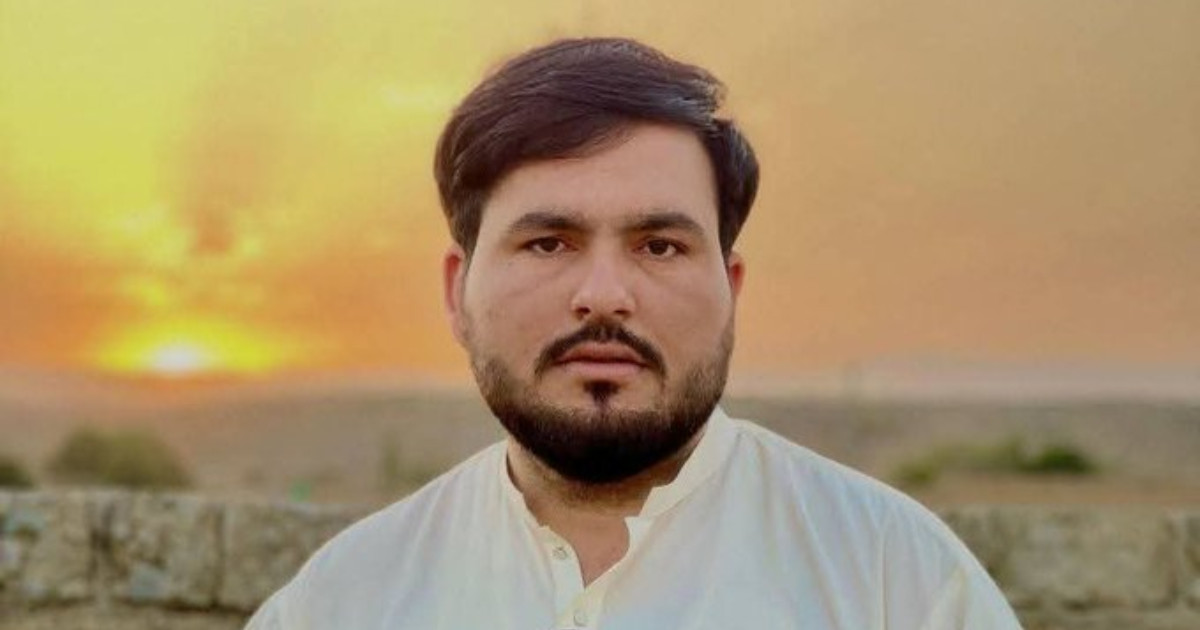
PHOTO: Courtesy of Movie and a Meal via Facebook
Key Points
- Don Lemon was detained by ICE in Los Angeles while covering the Grammy Awards after livestreaming an anti-ICE protest in St. Paul.
- The Department of Justice, under the Trump administration, alleges he interfered with religious worship during the demonstration.
- A federal magistrate initially declined to find probable cause to support charges against Lemon.
- The arrest has prompted a contentious debate about press freedom and the role of journalists covering protests.
- The case raises broader concerns about government power and the treatment of the media during politically charged events.
Relevant Topics
Ask AI: Understand this story your way
AI EnabledDig deeper, ask anything — get instant context, background, and clarity.
Disclaimer: This feature is powered by AI and is intended to help readers explore and understand news stories more easily. While we strive for accuracy, AI-generated responses may occasionally be incomplete or reflect limitations in the underlying model. This feature does not represent the editorial views of JournalismPakistan. For our full, verified reporting, please refer to the original article.