.png)
CPJ urges Pakistan to free journalist Sohrab Barkat
JournalismPakistan.com | Published: 5 February 2026 | JP Staff Report
Join our WhatsApp channel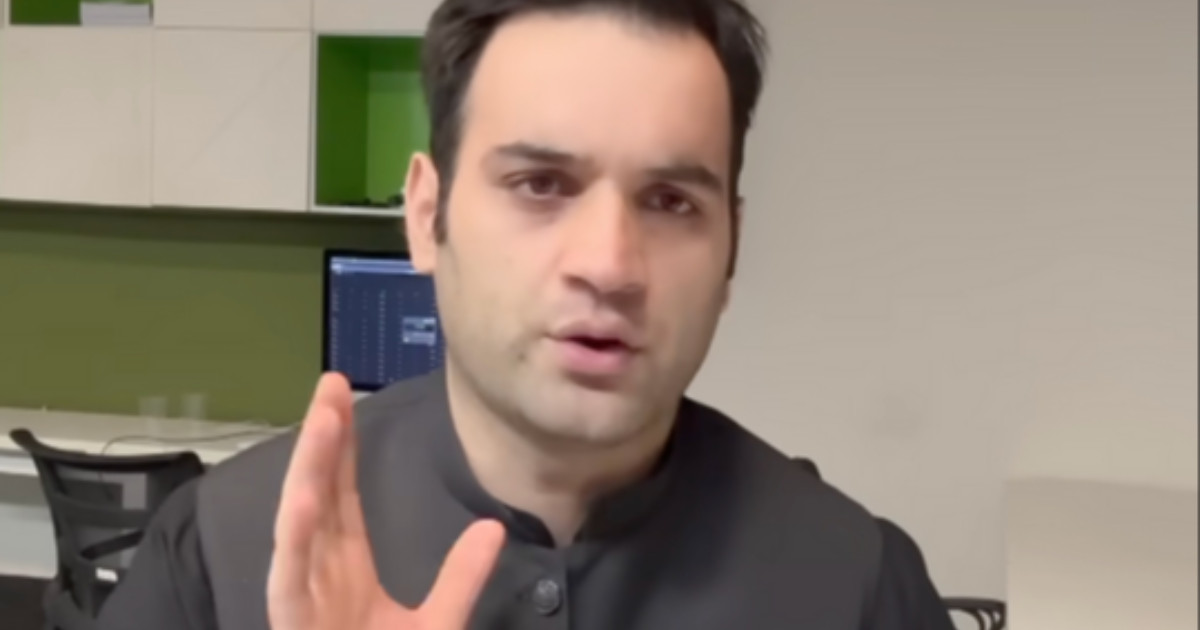
The Committee to Protect Journalists urges Pakistan to immediately release journalist Sohrab Barkat and let his employer Siasat report freely. He faces three PECA cybercrime cases and remains detained after bail was denied.Summary
ISLAMABAD — Pakistani authorities should immediately and unconditionally release journalist Sohrab Barkat and allow his employer, Siasat, to continue reporting freely, the Committee to Protect Journalists said on Thursday. The press freedom group said Barkat’s continued detention and legal cases linked to his reporting represent a misuse of cybercrime laws.
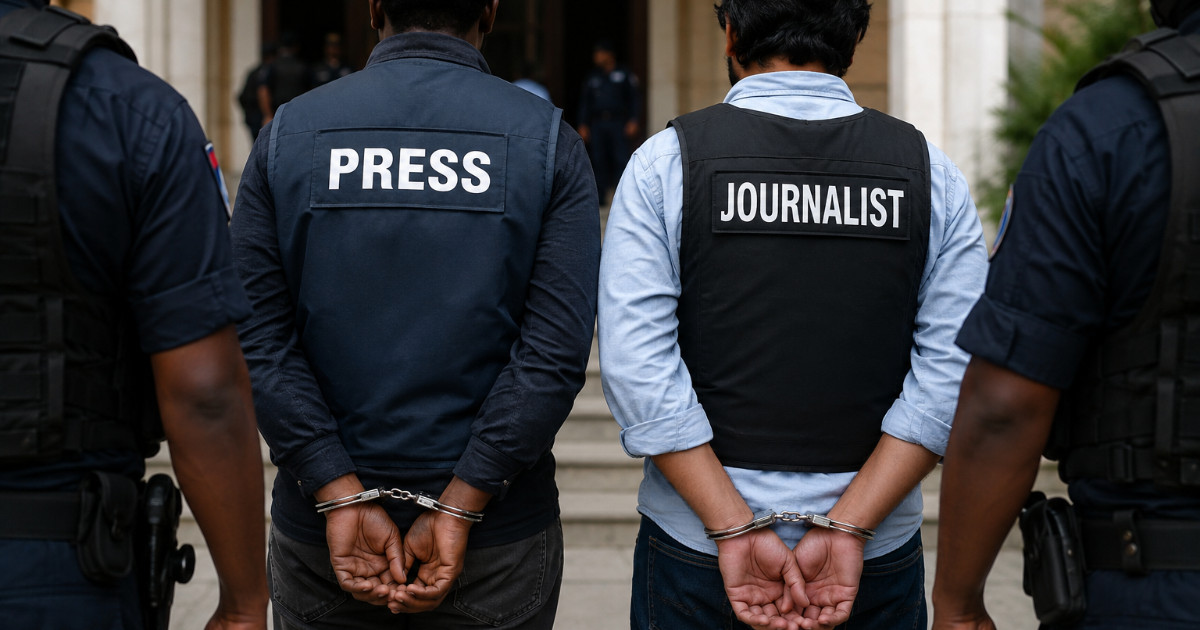
Barkat was detained on November 26 while traveling to attend a United Nations conference and is facing three complaints under Pakistan’s Prevention of Electronic Crimes Act 2016 related to his journalism. CPJ said the cases stem from allegations of spreading misinformation and making derogatory remarks about state institutions.
Prolonged detention and bail denial
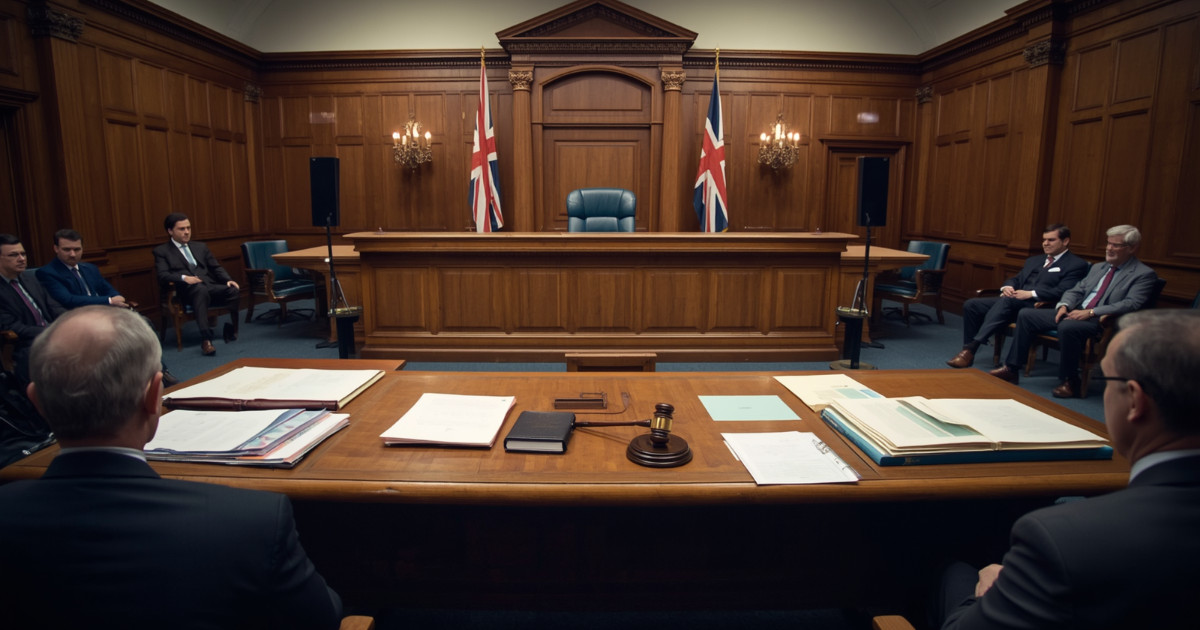
A court denied Barkat bail in a third case, extending his detention without release to more than two months. The decision was confirmed through a copy of the ruling reviewed by CPJ and an X post by Barkat’s lawyer, Saad Rasool.
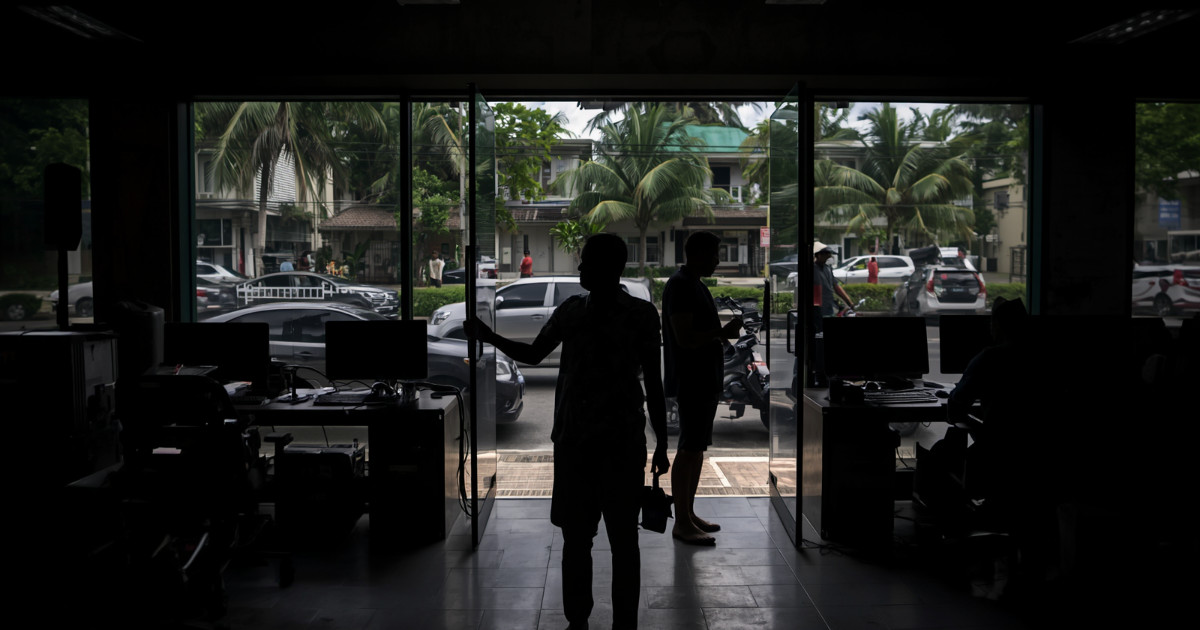
Just days earlier, on January 18, Siasat announced it would close its Islamabad office, directly linking the move to Barkat’s detention and the pressure facing the newsroom.
Impact on newsroom operations
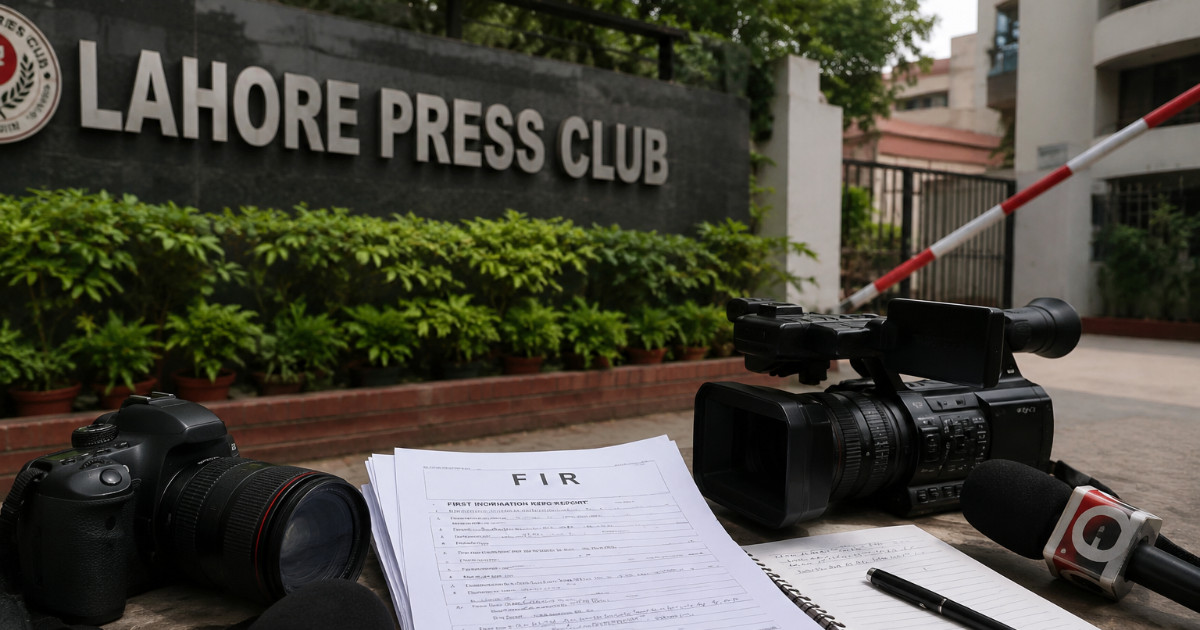
According to CPJ, the National Cyber Crime Investigation Agency first registered a complaint against Barkat on August 5, 2025, followed by two additional complaints on August 26 and December 5. While Barkat secured bail in the first two cases, the Lahore High Court rejected his third bail request after considering him an absconder.
Rasool told CPJ that his client had not been informed of the earlier complaints before his arrest. CPJ said this raised serious due process concerns, particularly given the cumulative effect of multiple cases filed over similar allegations.
Shrinking space for independent reporting
A journalist at Siasat, speaking to CPJ on condition of anonymity due to fear of reprisals, said Barkat’s detention made it increasingly difficult to maintain a physical newsroom. Some staff continue to work remotely, but sources have become more reluctant to engage with the outlet, and journalists have received warnings that they could face consequences similar to Barkat if they continue reporting.
Pakistan’s Information Minister Attaullah Tarar and NCCIA Director Syed Khurram Ali did not respond to CPJ’s requests for comment sent via text message and email.
WHY THIS MATTERS: The case highlights how cybercrime laws can be used to exert sustained pressure on journalists and media organizations through repeated complaints and prolonged detention. For Pakistani newsrooms, it underscores the operational risks of legal harassment, including forced office closures and source intimidation. Understanding these dynamics is critical for developing legal preparedness and collective newsroom strategies.
ATTRIBUTION: Committee to Protect Journalists statements; publicly available court ruling reviewed by CPJ; information provided by Barkat’s lawyer via X.
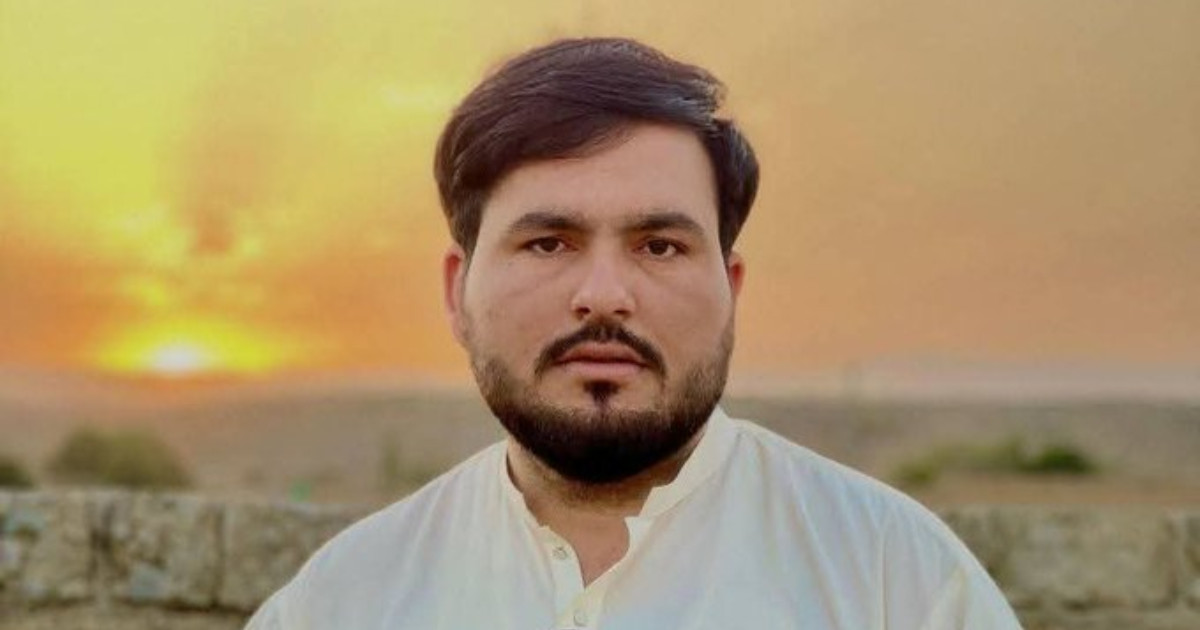
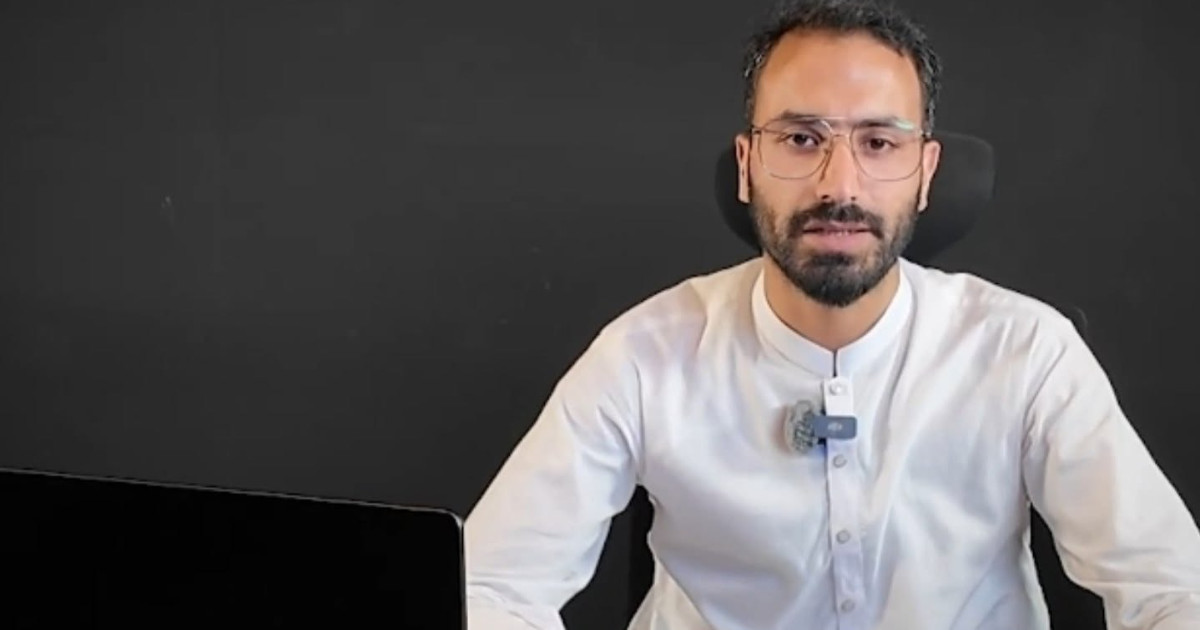
PHOTO: A screenshot from Sohrab Barkat's Official/YouTube, circulated by CPJ.
Key Points
- CPJ called for Barkat's immediate and unconditional release and protection for Siasat's reporting.
- Barkat was detained on November 26 while traveling to a UN conference.
- He faces three complaints under the Prevention of Electronic Crimes Act linked to his journalism.
- A court denied bail in a third case, extending his detention beyond two months.
- Siasat closed its Islamabad office, citing pressure related to Barkat's detention.
Relevant Topics
Ask AI: Understand this story your way
AI EnabledDig deeper, ask anything — get instant context, background, and clarity.
Disclaimer: This feature is powered by AI and is intended to help readers explore and understand news stories more easily. While we strive for accuracy, AI-generated responses may occasionally be incomplete or reflect limitations in the underlying model. This feature does not represent the editorial views of JournalismPakistan. For our full, verified reporting, please refer to the original article.