.png)
What journalism students should be reading right now
JournalismPakistan.com | Published: 23 January 2026 | JP Staff Report
Join our WhatsApp channel
Journalism students should read widely on ethics, verification, landmark reporting, media literacy, and press freedom to understand modern newsrooms. The list pairs global frameworks with Pakistan-focused examples for practical training.Summary
ISLAMABAD — Journalism students entering newsrooms today face a profession shaped by rapid technological change, economic pressure, and renewed debates about trust, ethics, and press freedom. Building a strong reading foundation is one of the most reliable ways for students to understand how journalism works, why it matters, and where it may be heading. The following curated list focuses on widely cited, verifiable works, institutions, and examples from both global practice and the Pakistani media landscape.
The selections combine core ethical frameworks, landmark reporting, and ongoing research into how news is produced and consumed. Together, they offer both historical grounding and practical insight, making them suitable for students at different stages of their training.
Ethics and professional standards
Any serious reading list should begin with journalism ethics. The Society of Professional Journalists Code of Ethics is among the most widely taught and referenced frameworks in the United States. It lays out four core principles: seek truth and report it, minimize harm, act independently, and be accountable and transparent. Journalism programs and news organizations routinely cite the code as a baseline for ethical decision-making.
Complementing the code, The Elements of Journalism by Bill Kovach and Tom Rosenstiel remains a foundational text. Based on extensive interviews and research, the book outlines key principles such as verification, independence from power, and loyalty to citizens. Its arguments are frequently referenced in academic literature and newsroom discussions, making it essential reading for students learning why journalism differs from other forms of communication.
For context on press freedom in Pakistan, students should explore academic studies on journalism challenges in the country. A recent qualitative inquiry into press freedom issues found that journalists face pressures from ownership structures, political parties, and self-censorship, underscoring the complex dynamics affecting media in Pakistan.
Students should also read selected rulings and summaries from publicly available court decisions affecting press freedom in different jurisdictions, including landmark United States Supreme Court cases such as New York Times Co. v. Sullivan. These rulings provide verifiable legal context for discussions about defamation, public interest reporting, and protections for journalists.
Understanding how newsrooms work
To understand day-to-day reporting, students benefit from reading detailed accounts of newsroom practice. The Associated Press Stylebook, updated annually, is a practical reference that shapes how news is written across thousands of outlets worldwide. While primarily a style guide, it also reflects evolving standards on language, accuracy, and attribution.
Inside the Global Newsroom by Peter Gross and international reporting handbooks published by organizations such as Reuters offer documented insight into how large news organizations structure reporting, editing, and verification. Reuters, in particular, makes its Trust Principles and Handbook of Journalism publicly available, outlining standards for independence, sourcing, and corrections.
Students should also study journalism development and training initiatives within Pakistan. The Global Neighbourhood for Media Innovation, a Karachi-based nonprofit, provides training in safety, security, and new media tools while promoting media innovation and inclusive reporting.
Looking at notable Pakistani journalists can provide context on professional paths and the realities of reporting in challenging environments. Investigative journalist Naziha Syed Ali, an assistant editor at Dawn, has published in-depth reports on real estate corruption and land mafia in Karachi that illustrate rigorous investigative techniques in a domestic context. She has been profiled by the BBC World Service for her work. This type of reporting offers students examples of how thorough, document-driven journalism can illuminate complex local issues.
Another example is Ahmad Noorani, a Pakistani-born investigative journalist and co-founder of Fact Focus, a data-driven journalism platform. Noorani’s reporting on topics such as alleged government corruption and military-linked financial matters highlights the risks and challenges of in-depth reporting in Pakistan and abroad, including threats faced by journalists doing sensitive work
Global trends and digital change
Beyond individual newsrooms, students need to understand broader industry trends. The Reuters Institute Digital News Report, published annually by the University of Oxford, is one of the most cited studies on news consumption, trust, and digital platforms. Based on publicly documented surveys across multiple countries, the report provides data-driven context for discussions about audience behavior and business models.
Research from the Pew Research Center plays a central role in journalism education. Pew’s reports on media trust, local news, and social media usage are widely cited and methodologically transparent. Students reading these studies can clearly distinguish reported data from analysis, an essential skill for evaluating research claims.
For digital-first reporting, Nieman Lab offers ongoing coverage of innovations in journalism, including newsletters, podcasts, and platform changes. While Nieman Lab articles often include analysis, they are grounded in documented developments within news organizations and are frequently referenced by media professionals.
Press freedom and accountability reporting
Understanding the risks journalists face globally and within Pakistan is another critical component of journalism education. Pakistan has repeatedly drawn international attention for threats to press freedom, including recent debates over laws regulating social media content that were criticized by journalism bodies for undermining free expression.
In late January 2025, journalists across Islamabad, Karachi, and Lahore rallied against proposed amendments to the Pakistan Electronic Crimes Act that would establish broad powers to penalize the dissemination of so-called false information. Critics, including the Pakistan Federal Union of Journalists, described the measures as a direct threat to press freedom.
Reports from press freedom watchdogs, including the World Press Freedom Index, place Pakistan well below many other countries, reflecting a challenging landscape for media professionals. Independent studies and resources curated by outlets such as JournalismPakistan.com also offer downloadable research on violations of expression, legal challenges, and the safety of journalists in Pakistan.
Students should also read investigative series from established outlets such as The New York Times, The Guardian, and The Washington Post that include detailed source attribution and corrections policies. These examples demonstrate how large newsrooms handle accountability, transparency, and follow-up reporting when errors occur.
Why this reading still matters
While tools and platforms continue to evolve, the underlying principles of journalism remain consistent. Reading primary documents, research reports, and exemplary reporting helps students separate verified facts from commentary and understand how standards are applied in practice.
For journalism students focused on long-term careers, these works offer more than background knowledge. They provide a shared professional language and set of references that continue to shape debates about credibility, independence, and the public interest across the global media industry and within Pakistan.
ATTRIBUTION: Reporting and context based on publicly available journalism ethics codes, academic research, Reuters Institute Digital News Report, Pew Research Center, Pakistan media training initiatives, and coverage of press freedom developments in Pakistan.
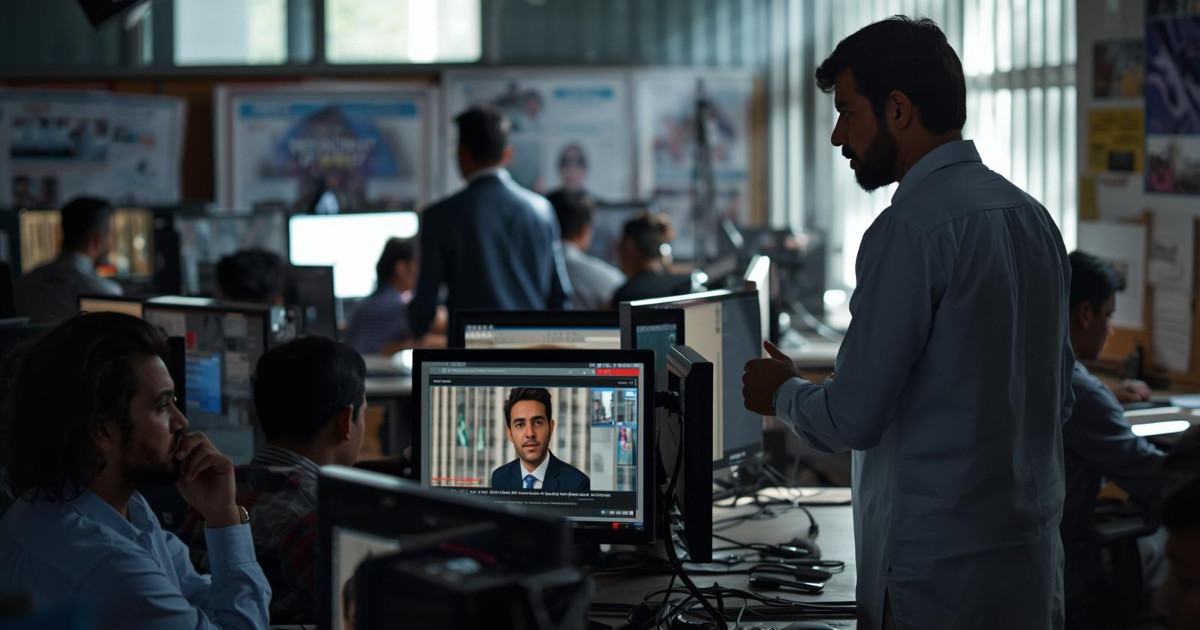
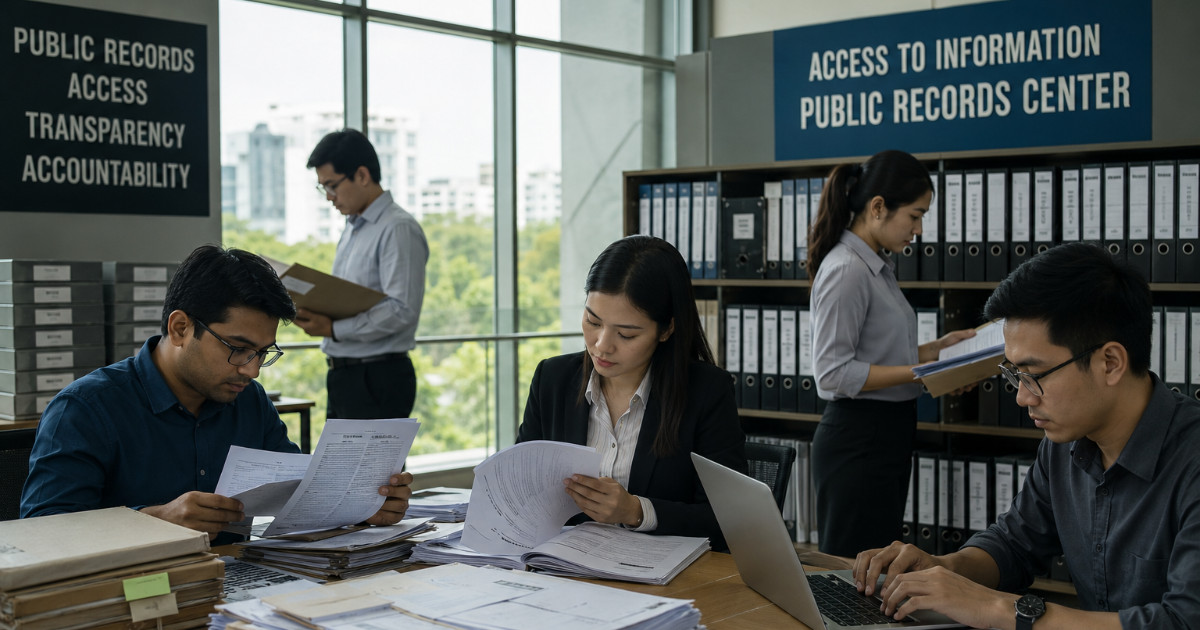
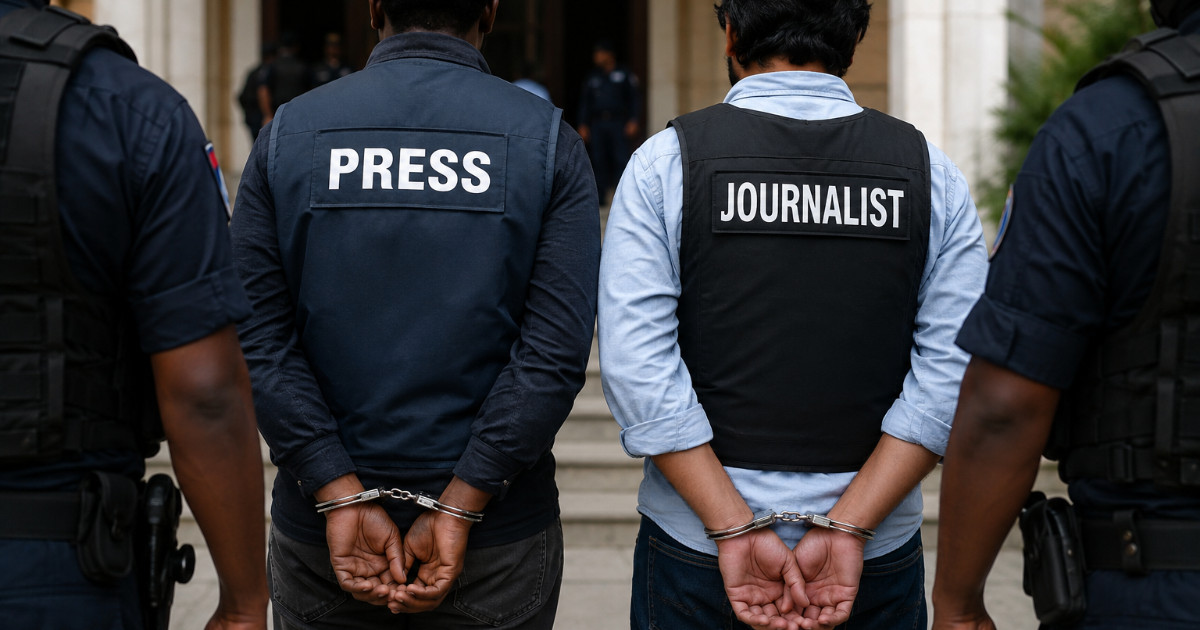
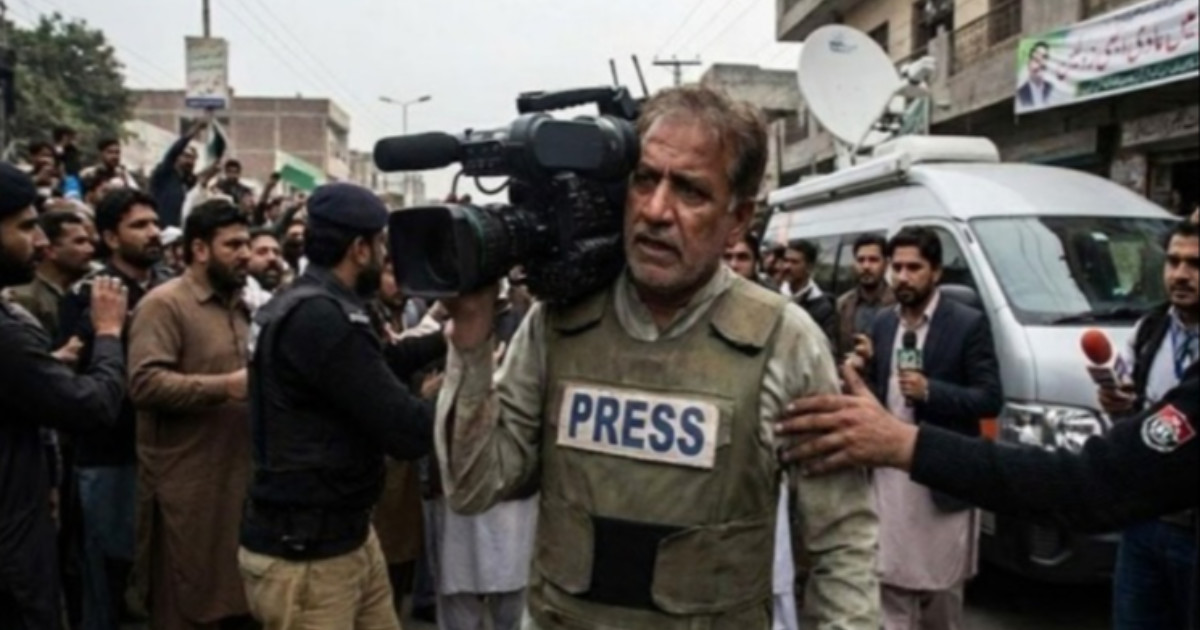
PHOTO: AI-generated; for illustrative purposes only
Key Points
- Begin with core ethics: SPJ Code of Ethics and The Elements of Journalism.
- Prioritize verification, independence, accountability, and minimizing harm.
- Study landmark global reporting alongside Pakistan-specific case studies.
- Learn digital media literacy, audience behavior, and newsroom business pressures.
- Use institutional reports and recommended readings to guide practical training.
Ask AI: Understand this story your way
AI EnabledDig deeper, ask anything — get instant context, background, and clarity.
Disclaimer: This feature is powered by AI and is intended to help readers explore and understand news stories more easily. While we strive for accuracy, AI-generated responses may occasionally be incomplete or reflect limitations in the underlying model. This feature does not represent the editorial views of JournalismPakistan. For our full, verified reporting, please refer to the original article.