.png)
The pains of being a journalist
JournalismPakistan.com | Published: 22 April 2012 | Imran Naeem Ahmad
Join our WhatsApp channel
The article describes widespread layoffs, salary delays and withheld dues affecting journalists across Pakistan. It cites closures and downsizing at newspapers and TV channels and notes that legal action has sometimes forced partial payments.Summary
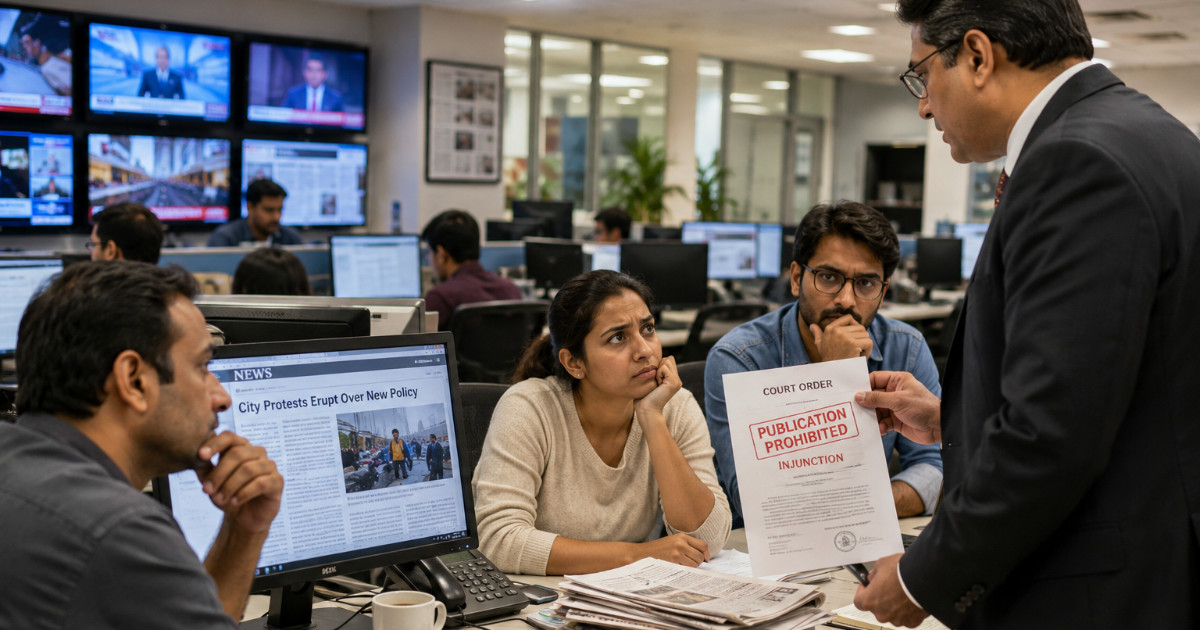
ISLAMABAD: A journalist friend in Lahore faced a salary cut but was lucky not to be sacked by his newspaper; another one in Karachi was booted out by a television channel; and several other colleagues in Islamabad were rendered jobless following closure of the paper they worked for. Being a journalist in Pakistan is full of pain and hardships yet the employers continue to play foul with no checks whatsoever.
Many organizations do not disburse salaries on time; others lay off staff in a snap while still others opt to sit tight on what they owe to those they axe. Take for example, the management of Daily Times that retrenched dozens of employees more than three years ago. To this day most of them have not been paid their dues.
However, when a group of about 30 ex-staffers sought legal help, the managers had no choice but to pay half of what they owed to them with the promise the remainder would be paid off next month. Now, remember, this was only after the court warned the management their offices could be sealed if payments were not made.
Encouraged by this labor court ruling, the affected journalists who served the paper in Karachi and Lahore are now thinking of going the same course. It is clear unless you do not get them by the scruff of the neck, you wouldn’t get what is yours. Well, job cuts happen everywhere, some might say. But nowhere is your money withheld as it is done here.
Ask the employees of English daily The Muslim that abruptly closed shop in December 1999 and they would tell you what they had to go through. None got paid despite prolonged legal processes and a court ruling in their favor. More recently, the publisher of Dateline Islamabad realized he had run out of money and shut down his local newspaper only after 14 months.
His decision that came with no prior notice left 50 odd staff jobless. On the other hand, GeoTV cut down dozens of jobs reportedly closing down two of its departments at the Karachi Headquarters. At the start of the month, its sister sports channel Geo Super laid off about 16 staff while another five were shown the door at Geo’s Islamabad office, also in April.
All major channels including DawnNews, ARY and Dunya have downsized as have several newspapers, among them Pakistan Today, The Nation and Nawa-i-Waqt. With even the big media houses seemingly struggling, every Tom, Dick and Harry now wants to have his own media business. Is that good news? I am afraid not.
Today those wicked employers would offer journalists attractive packages and then kick the poor fellows out six months later. This has been the pattern ever since new television channels and newspapers started coming up. In this light, it angers me when someone says media in Pakistan have made tremendous progress.
For people out there the yardstick of such progress is the number of television channels and newspapers that have come up in recent years. Little do they know what’s happening with journalists serving these organizations. (Imran Naeem Ahmad is the Co-Founder and Managing Editor of JournalismPakistan.com)
Key Points
- Journalists in Lahore, Karachi and Islamabad are reported to have faced salary cuts, layoffs and job losses after closures.
- Employers are accused of delaying salaries and withholding dues from retrenched staff.
- Former Daily Times employees pursued labor court action that led to partial payments after warnings of office sealing.
- The article recalls past cases such as The Muslim’s closure where employees reportedly did not receive dues despite favorable rulings.
- Major media groups and newspapers are cited as downsizing, including Geo, DawnNews, ARY, Dunya and several dailies.
Relevant Topics
Ask AI: Understand this story your way
AI EnabledDig deeper, ask anything — get instant context, background, and clarity.
Disclaimer: This feature is powered by AI and is intended to help readers explore and understand news stories more easily. While we strive for accuracy, AI-generated responses may occasionally be incomplete or reflect limitations in the underlying model. This feature does not represent the editorial views of JournalismPakistan. For our full, verified reporting, please refer to the original article.