
The JournalismPakistan Global Media Brief | Edition 18 | May 1, 2026 Arrests, airstrikes, and algorithms: How April reshaped journalism worldwide Law, pressure, and layoffs: Pakistan's media in April 2026 Asia-Pacific press freedom falls as legal pressure deepens Global press freedom hits historic low, RSF reports Zambia cancels RightsCon 2026 days before start Dawn CEO flags new era of media pressure in Pakistan Journalists at war with themselves: A crisis no one will win Belarusian journalist Andrzej Poczobut freed in US brokered swap Press freedom declines amid aggressive PECA enforcement: report Matiullah Jan and the cost of speaking about press freedom CBS News replaces London chief amid Gaza coverage row Maldives raid on Adhadhu intensifies press pressure Tunisia detains journalist, escalating press crackdown Amar Guriro selected for global nuclear reporting group The JournalismPakistan Global Media Brief | Edition 18 | May 1, 2026 Arrests, airstrikes, and algorithms: How April reshaped journalism worldwide Law, pressure, and layoffs: Pakistan's media in April 2026 Asia-Pacific press freedom falls as legal pressure deepens Global press freedom hits historic low, RSF reports Zambia cancels RightsCon 2026 days before start Dawn CEO flags new era of media pressure in Pakistan Journalists at war with themselves: A crisis no one will win Belarusian journalist Andrzej Poczobut freed in US brokered swap Press freedom declines amid aggressive PECA enforcement: report Matiullah Jan and the cost of speaking about press freedom CBS News replaces London chief amid Gaza coverage row Maldives raid on Adhadhu intensifies press pressure Tunisia detains journalist, escalating press crackdown Amar Guriro selected for global nuclear reporting group
Logo
Janu
World

Breaking the monotony: Revamping subediting practices in journalism

 JournalismPakistan.com |  Published: 5 December 2013 |  Arsalan Altaf

Join our WhatsApp channel
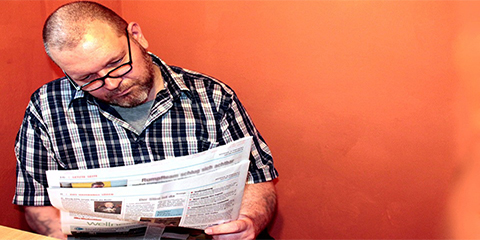
Breaking the monotony: Revamping subediting practices in journalism
This article discusses the monotony in subediting practices within journalism and stresses the need for a creative approach. It highlights outdated writing practices and references George Orwell's rules for effective writing.

ISLAMABAD: Ever wonder why subediting becomes monotonous over a period of time? Well, that's because the subs get to edit and rewrite much the same stuff each day. Their creativity hardly comes into play. However, some of the world's top newspapers have shown newspaper reading and writing can be an interesting and educating experience. These papers, among other things, really care about their language. Talking locally, our editors and subs need to rethink their usage of sentences like, “Police arrested one Mohammad Aslam ... Disappearance of one Yasin Shah …,” and so forth. Using ‘one’ with the name of an unknown common man in news stories is an old-school practice some of our senior editors insist on. This does not read well. Seeing this construction in Dawn yesterday, I asked the Guardian style editors about it and here's what they said: "'One' with someone's name, eg "I had a tweet from one Arsalan Altaf, is at best patronising and at worst downright insulting." Asked whether we should avoid it, they said: "Unless you actually want to insult someone ('the chancellor, one George Osborne...')." So the editors better keep their sentences short and sweet, and not insult the people they write news about. Here are the six elementary rules of good writing from George Orwell’s 1946 essay on "Politics and the English Language": (i) Never use a metaphor, simile, or other figure of speech which you are used to seeing in print. (ii) Never use a long word where a short one will do. (iii) If it is possible to cut a word out, always cut it out. (iv) Never use the passive where you can use the active. (v) Never use a foreign phrase, a scientific word, or a jargon word if you can think of an everyday English equivalent. (vi) Break any of these rules sooner than say anything outright barbarous.

(The writer is a journalist based in Islamabad. He currently works for Radio Pakistan)

Key Points

  • Subediting can become monotonous over time.
  • Outdated practices, like using 'one' with names, should be revised.
  • Language clarity and creativity should be prioritized.
  • George Orwell's writing principles are essential for good editing.
  • Top newspapers demonstrate effective subediting techniques.

Ask AI: Understand this story your way

AI Enabled

Dig deeper, ask anything — get instant context, background, and clarity.

Not sure what to choose? Try one of these.

The AI generates results based on your selected options
Your AI-generated results will appear here after you click the button.

Disclaimer: This feature is powered by AI and is intended to help readers explore and understand news stories more easily. While we strive for accuracy, AI-generated responses may occasionally be incomplete or reflect limitations in the underlying model. This feature does not represent the editorial views of JournalismPakistan. For our full, verified reporting, please refer to the original article.
Dive Deeper

Newsroom
The JournalismPakistan Global Media Brief | Edition 18 | May 1, 2026

The JournalismPakistan Global Media Brief | Edition 18 | May 1, 2026

 May 01, 2026 This edition highlights shifting media power, declining press freedom, newsroom gatekeeping debates, and legal and digital pressures on journalism globally.


Arrests, airstrikes, and algorithms: How April reshaped journalism worldwide

Arrests, airstrikes, and algorithms: How April reshaped journalism worldwide

 May 01, 2026 April 2026 saw arrests, airstrikes, legal cases and algorithmic changes that intensified threats to journalism, leading to censorship, criminalization and economic pressure worldwide.


Law, pressure, and layoffs: Pakistan's media in April 2026

Law, pressure, and layoffs: Pakistan's media in April 2026

 April 30, 2026 In April 2026 Pakistan's media came under mounting legal and financial pressure, from wider PECA enforcement and anti-terror probes to newsroom layoffs and heightened regulatory oversight.


Asia-Pacific press freedom falls as legal pressure deepens

Asia-Pacific press freedom falls as legal pressure deepens

 April 30, 2026 RSF warns Asia-Pacific press freedom is deteriorating; over half the region is classed difficult or worse and Pakistan faces sustained legal and regulatory pressure on its media.


Global press freedom hits historic low, RSF reports

Global press freedom hits historic low, RSF reports

 April 30, 2026 Reporters Without Borders says global press freedom is at its lowest in 25 years, with over half of countries now rated 'difficult' or 'very serious'.


Popular Stories