

Nepal arrest exposes press freedom and privacy fault line
JournalismPakistan.com | Published: 13 August 2026 | JP Asia Desk
Join our WhatsApp channel
Veteran editor Kishor Shrestha was arrested after a complaint under Nepal's Individual Privacy Act, prompting police raids and seizure of Jana Aastha equipment. Media bodies say such disputes should be handled by press mechanisms, not criminal courts.Summary
KATHMANDU — The arrest of veteran Nepali journalist Kishor Shrestha has developed into a wider confrontation over how complaints against news organizations should be handled, with journalists challenging the use of criminal proceedings.
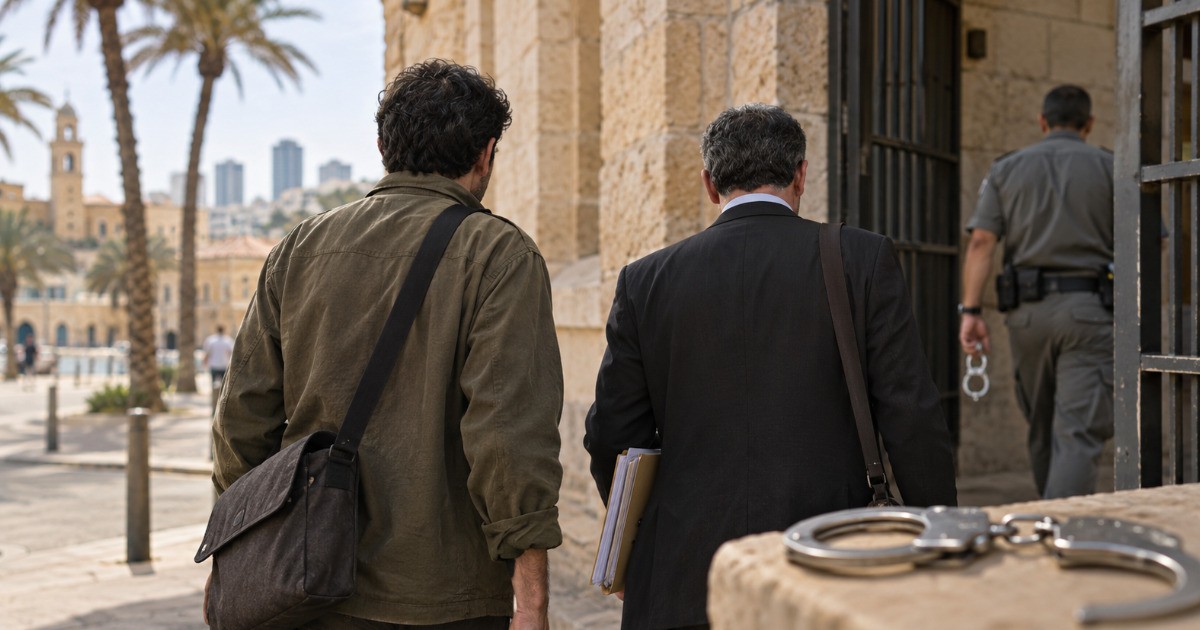
Shrestha, editor and publisher of Jana Aastha Weekly, was arrested on August 12 after a complaint alleging violation of Nepal's Individual Privacy Act, 2018. On August 13, the Kathmandu District Court authorized police to keep him in custody for three days for further investigation. Police also searched his home and raided the Jana Aastha office in Lalitpur, seizing computers, laptops, mobile phones, and other electronic equipment as part of the investigation.
The immediate case concerns a Jana Aastha report published on August 10 about Rastriya Swatantra Party lawmaker Amarkant Chaudhary and a woman, Deepika Singh. The report included a photograph and video material involving the two. Singh subsequently approached police, alleging that her Facebook account had been hacked and that Jana Aastha violated her privacy by republishing the material. Police say the investigation is based on her complaint.
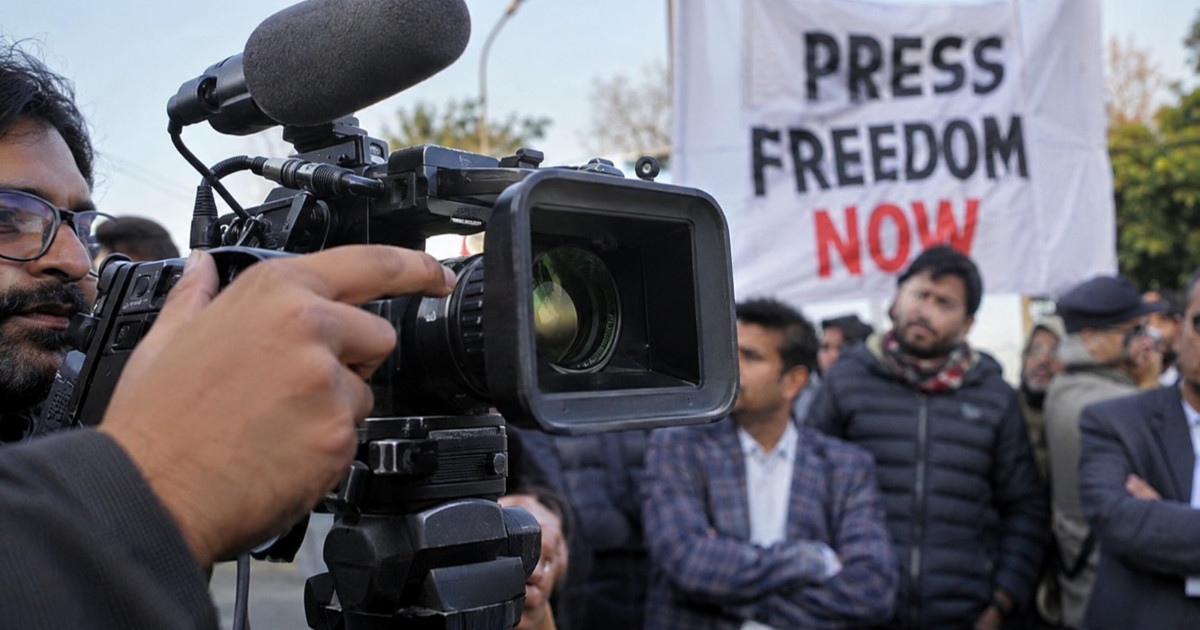
The dispute has quickly moved beyond the contents of that report. The Federation of Nepali Journalists has demanded Shrestha's unconditional release and argued that complaints concerning published news should be addressed through established press-related mechanisms. Press Council Nepal has also expressed serious concern about the arrest and the seizure of equipment, while calling on people who object to news reports to bring their complaints to the council.
The question of who should police journalism
The central issue is not simply whether the material published by Jana Aastha violated an individual's privacy. That question remains part of the police investigation and has not been judicially determined. The broader issue is whether criminal law enforcement, rather than the country's press-regulatory system, should be the first response when a news publication is accused of crossing privacy boundaries.
The FNJ says disputes over news reports fall within the jurisdiction of Press Council Nepal and has criticized the police action as interference with press freedom. Press Council Nepal's own response is more nuanced: it has expressed concern about the arrest and equipment seizure while also stressing that journalists and media organizations must maintain professional conduct and use press freedom responsibly.
That distinction matters. Nepal's constitutional framework recognizes privacy as a fundamental right, while the Individual Privacy Act, 2018 provides a statutory framework for protecting personal information and privacy. The law remains part of Nepal's current privacy and data-protection framework.
At the same time, the existence of a privacy right does not by itself answer how a complaint involving a news report should be handled. The current case raises a difficult question for media regulators and courts: when does publication become a legitimate exercise of journalism, when does it become an unjustified intrusion into private life, and which remedy should apply when the two rights collide?
A divided reaction puts journalism under scrutiny
The arrest has produced an unusually divided public reaction. Media organizations and press freedom advocates have criticized it, but some women's rights advocates and other members of the public have welcomed the police action, arguing that journalists cannot be treated as being above the law. The Kathmandu Post reported that some critics view Jana Aastha's publication practices as part of a longer pattern of exposing or targeting people's private lives.
That criticism has given the case a dimension that cannot be reduced to a conventional press-freedom-versus-government narrative. The current controversy involves a genuine competing rights question: protecting journalism from state interference is important, but so is protecting people from the publication of private material without adequate public-interest justification.
The history of Jana Aastha has also become part of the debate. In 2002, the weekly published a nude photograph of actress Shreeisha Karki. Karki died by suicide four days later. The episode triggered a major debate in Nepal over privacy, journalistic ethics, and the limits of publishing personal material. Nepal News reported that Shrestha was not legally found guilty in connection with that incident.
The historical episode should not be treated as proof that Shrestha committed the same kind of violation in the present case. The circumstances are different, and the current complaint must be assessed on its own evidence. But the 2002 controversy explains why some critics are interpreting the latest arrest through a much longer debate about Jana Aastha's editorial practices.
Why it matters
For journalists across South Asia, the case illustrates a difficult boundary between two legitimate principles. A free press needs protection from arbitrary arrests, searches and seizures, particularly when state authorities intervene because of published material. Individuals, however, also have legitimate rights to privacy, dignity and protection from the publication of personal material that has little demonstrable public-interest value.
The seizure of newsroom equipment makes the issue particularly consequential. Police say the devices were taken as evidence and that digital forensic methods may be used to recover deleted material if necessary. The FNJ, meanwhile, says the searches and seizures raise concerns about interference with the source of the news report.
That creates a second question beyond the privacy complaint itself: how far should police investigations be permitted to reach into a newsroom when the underlying allegation arises from published journalism? Source protection is a fundamental concern for investigative journalism, but it cannot automatically place all newsroom material beyond lawful investigation. The appropriate balance ultimately depends on the legal process and the facts established in this case.
The case is therefore likely to be watched beyond Nepal. South Asian newsrooms routinely operate where privacy, defamation, cybercrime, national security and other laws can overlap with journalism. How Nepal's institutions handle this dispute could help clarify whether complaints over news content are primarily matters for press regulators, courts, criminal investigators, or some combination of those mechanisms.
For now, Shrestha remains in police custody for the authorized three-day investigation. The police have said the investigation concerns the alleged privacy violation and that any further action will depend on what the investigation establishes. The Press Council has urged complainants to use its procedures, while journalist organizations continue to demand Shrestha's release.
The immediate legal question is whether the publication violated Nepal's privacy law. The larger journalism question is harder: how can a democratic media system protect both the public's right to know and an individual's right not to have private life turned into public content? Nepal's handling of the case will provide an important answer.
ATTRIBUTION: Based on publicly available information from INSEC Online (August 13, 2026), Nepal News (August 12-13, 2026), The Kathmandu Post (August 13, 2026), The Rising Nepal (August 13, 2026), and current legal reference material on Nepal's privacy framework.
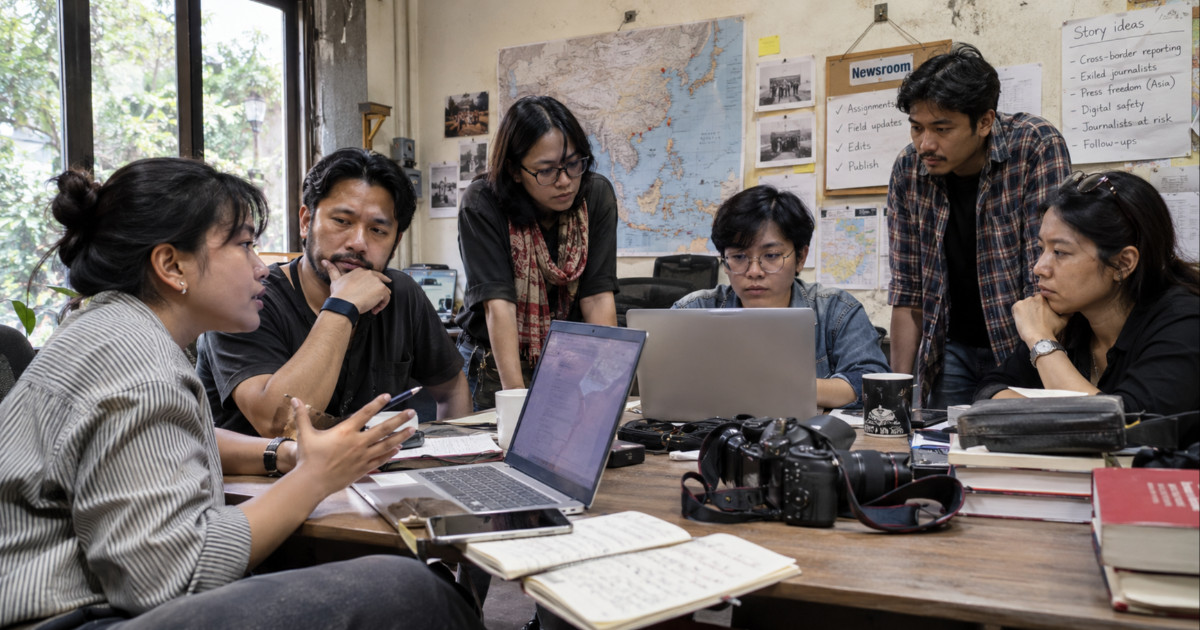
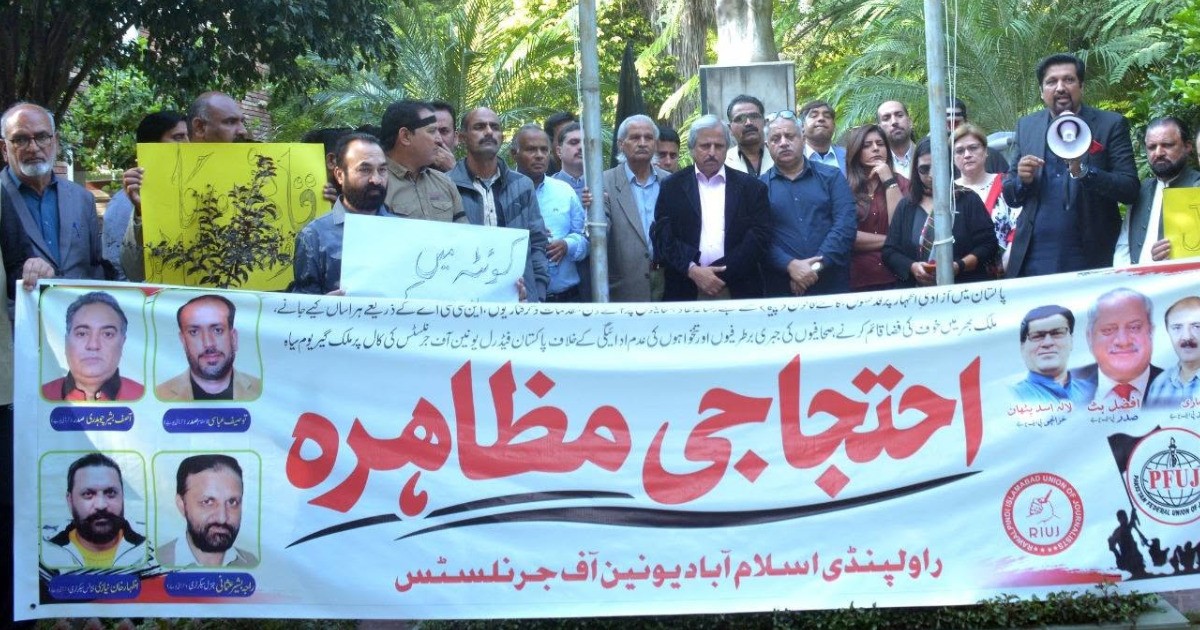
PHOTO: AI-generated; for illustrative purposes only.
Key Points
- Kishor Shrestha, editor-publisher of Jana Aastha Weekly, was arrested after a privacy complaint.
- Police raided his home and Jana Aastha office, seizing computers, phones and other equipment.
- The case stems from a report with photo and video involving a lawmaker and a woman who alleges her account was hacked.
- The Federation of Nepali Journalists and Press Council protested the arrest and urged non-criminal press remedies.
- The episode has sparked wider debate on using the Individual Privacy Act and criminal law against media organisations.
Key Questions & Answers
Why was Kishor Shrestha arrested?
He was arrested after a complaint alleging violation of Nepal's Individual Privacy Act over a Jana Aastha report that republished photo and video material.
What did the police seize during their searches?
Police seized computers, laptops, mobile phones and other electronic equipment from Jana Aastha's office and Shrestha's home as part of the investigation.
Who is protesting the arrest and why?
The Federation of Nepali Journalists and Press Council Nepal protested, arguing that published news complaints should be resolved through press mechanisms, not criminal proceedings.
What broader concerns has the case raised?
The case has prompted debate over privacy rights, press freedom and whether criminal law should be used to address disputes involving news reporting.
Relevant Topics
Ask AI: Understand this story your way
AI EnabledDig deeper, ask anything — get instant context, background, and clarity.
Disclaimer: This feature is powered by AI and is intended to help readers explore and understand news stories more easily. While we strive for accuracy, AI-generated responses may occasionally be incomplete or reflect limitations in the underlying model. This feature does not represent the editorial views of JournalismPakistan. For our full, verified reporting, please refer to the original article.