
.png)
Why do Pakistan's biggest media problems never go away?
JournalismPakistan.com | Published: 12 November 2026 | JP Special Report
Join our WhatsApp channel
An examination of 17 years of JournalismPakistan reporting reveals how unpaid salaries, repeated layoffs and threats to journalists have persisted despite reforms and official interventions. The analysis traces these recurring problems to institutional weaknesses, changing media economics, and inconsistent enforcement, while examining why lasting solutions remain elusive.Summary
For 17 years, JournalismPakistan has documented unpaid salaries, newsroom layoffs, attacks on journalists, and demands for stronger professional protections. Yet many of the same complaints continue in 2026. An examination of JP's reporting archive reveals how institutional weaknesses, changing media economics and inconsistent enforcement have allowed familiar problems to survive successive attempts at reform.
ISLAMABAD — In 2012, JournalismPakistan reported on a television industry transformed by competition, rising salaries and aggressive recruitment. Some journalists were moving between channels for extraordinary pay increases, while others continued to face uncertain employment conditions.
Fourteen years later, the picture looks different. The expansion of television has led to newsroom restructuring, job losses, and financial pressure. Digital publishing and artificial intelligence are changing how journalism is produced and distributed. Yet some of the industry's most persistent problems remain familiar: journalists struggling to receive their salaries, employees losing jobs without adequate safeguards, and media workers demanding protection from threats and intimidation.
The experience raises a question that extends beyond Pakistan: Why do journalism's longstanding problems repeatedly return, even after public protests, court interventions, legislation and promises of reform?
The salary crisis that keeps returning
JournalismPakistan's reporting provides a revealing account of how employment problems have persisted through different periods of the media industry's development.
On September 29, 2012, JP reported substantial salary increases for employees at Dawn, noting that the newspaper's decision stood in contrast to conditions at other media organizations, where delayed payments were already a concern.
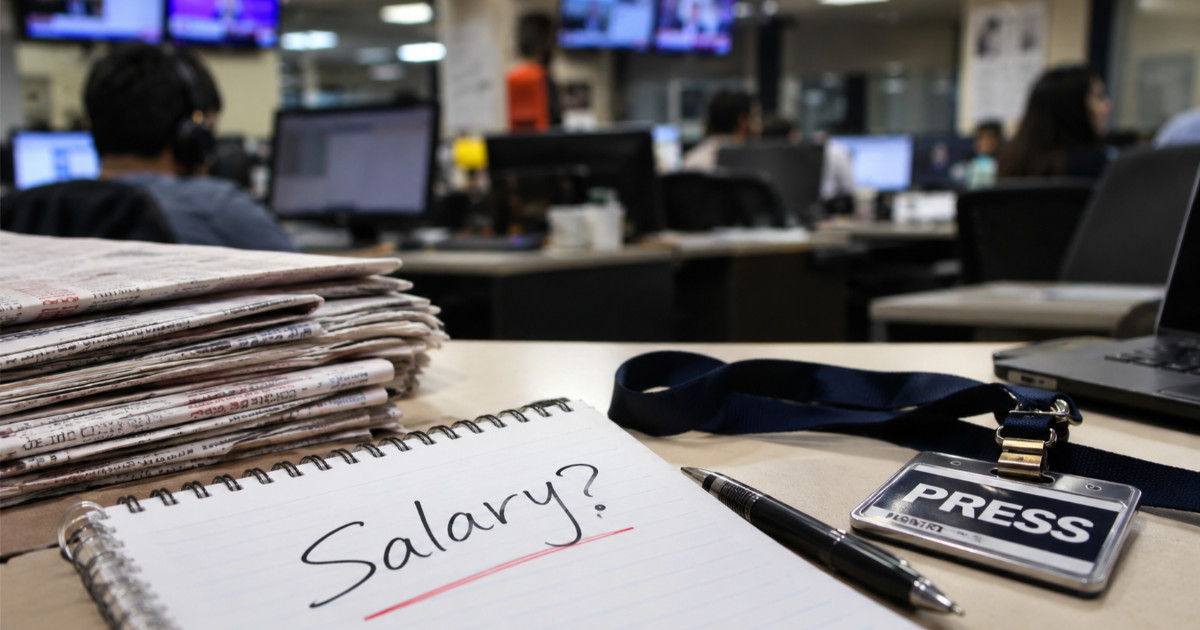
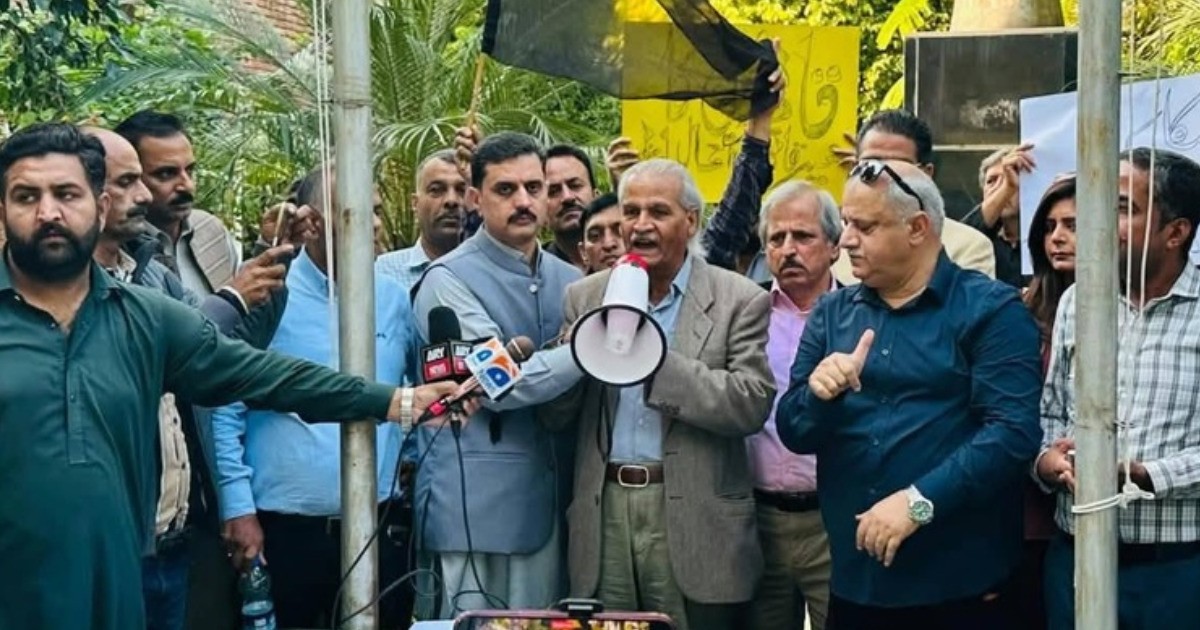
By 2017 and 2018, disputes over unpaid salaries had become increasingly visible. Journalists' organizations were repeatedly demanding payment of outstanding wages, while the Supreme Court intervened in complaints involving television channels and newspapers.
On April 4, 2018, JP reported that the Supreme Court had ordered media organizations to clear pending staff salaries by April 30. Further court directives followed later that year.
The problem nevertheless continued.
In February 2019, JP reported demands for stronger action against television channels that failed to pay employees. In May, the Rawalpindi-Islamabad Union of Journalists again urged media organizations to release delayed salaries before Eid.
The resemblance to developments in 2026 is difficult to ignore.
On March 19, JP reported that protests by the same union had helped secure salary payments at several television channels, although other organizations still had outstanding dues. In July, a strike over unpaid salaries disrupted a major news bulletin at Aaj News.
On October 27, JP reported that the federal government had sought channel-wise information about unpaid salaries, outstanding dues and job losses after parliamentary journalists protested.
These developments show that organized pressure can produce results. They also expose its limitations: payments may be secured at individual organizations without establishing a system that consistently prevents new salary disputes.
Job losses follow a familiar pattern
The employment crisis extends beyond delayed wages.
JP's archive documents repeated rounds of newsroom restructuring and dismissals, often accompanied by disagreements over compensation and employment rights.
On February 1, 2019, JP reported that an Islamabad magistrate had summoned the owner of Express Media Group following a complaint concerning layoffs at Daily Express. The complaint alleged that employees had been dismissed without receiving their outstanding entitlements.
In September that year, the publication reported protests against job cuts at Dunya Group. More than 70 employees had reportedly lost their jobs in Lahore, while further dismissals followed at the group's Multan operation.
The industry's financial difficulties were real, but their effects were uneven. Senior presenters and prominent personalities sometimes commanded substantial salaries while reporters, desk workers, camera operators and technical staff faced relatively insecure conditions.
The same underlying tensions remain relevant in 2026.
JP's August review documented approximately 60 reported job losses at Dawn News, alongside concerns about pay disparities and difficult working conditions for video journalists.
These experiences demonstrate that newsroom restructuring is not simply a question of adapting to changing technology. It also concerns how financial risks are distributed within media organizations and whether employment obligations are respected when business conditions deteriorate.
Journalists remain vulnerable to violence
Physical safety represents another longstanding problem.
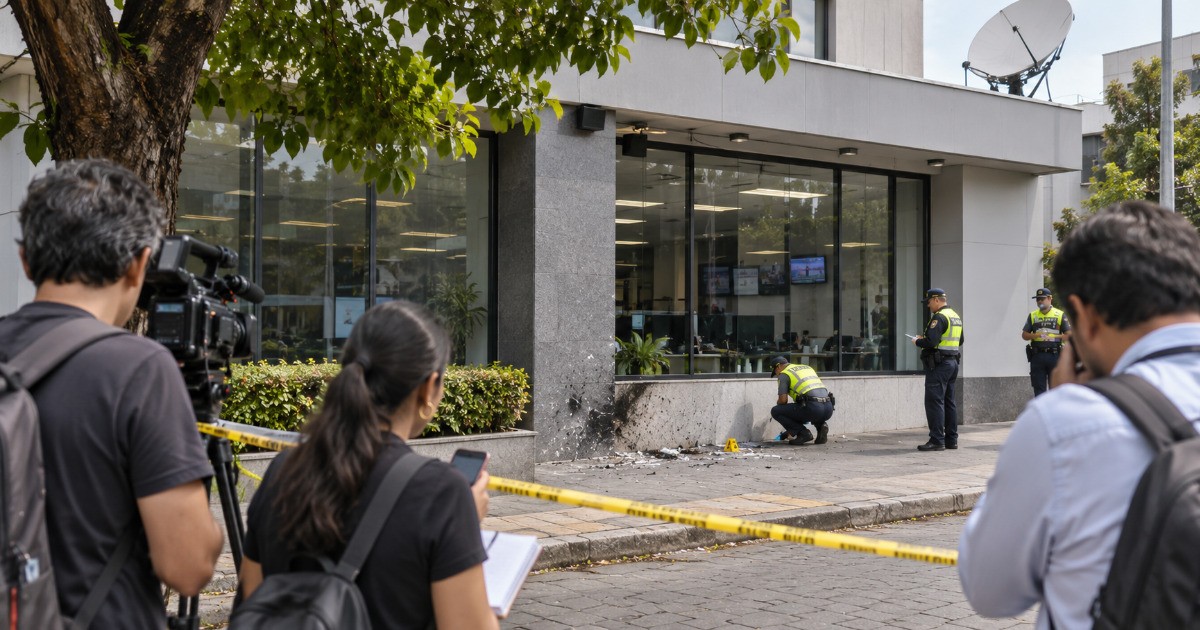
On March 28, 2014, JournalismPakistan reported that television presenter Raza Rumi had survived a gun attack in Lahore in which his driver was killed. Less than a month later, on April 19, JP reported that prominent journalist Hamid Mir had been injured in a shooting in Karachi.
The same year saw attacks on media offices and broadcast vehicles, demonstrating that threats were not confined to individual reporters.
The dangers have changed in some respects, but they have not disappeared.
In its 2026 examination of the safety crisis facing Pakistani camerapersons, JP revisited major attacks, including the August 2016 bombing at Quetta's Civil Hospital, which killed television camera operators covering the aftermath of an earlier targeted attack.
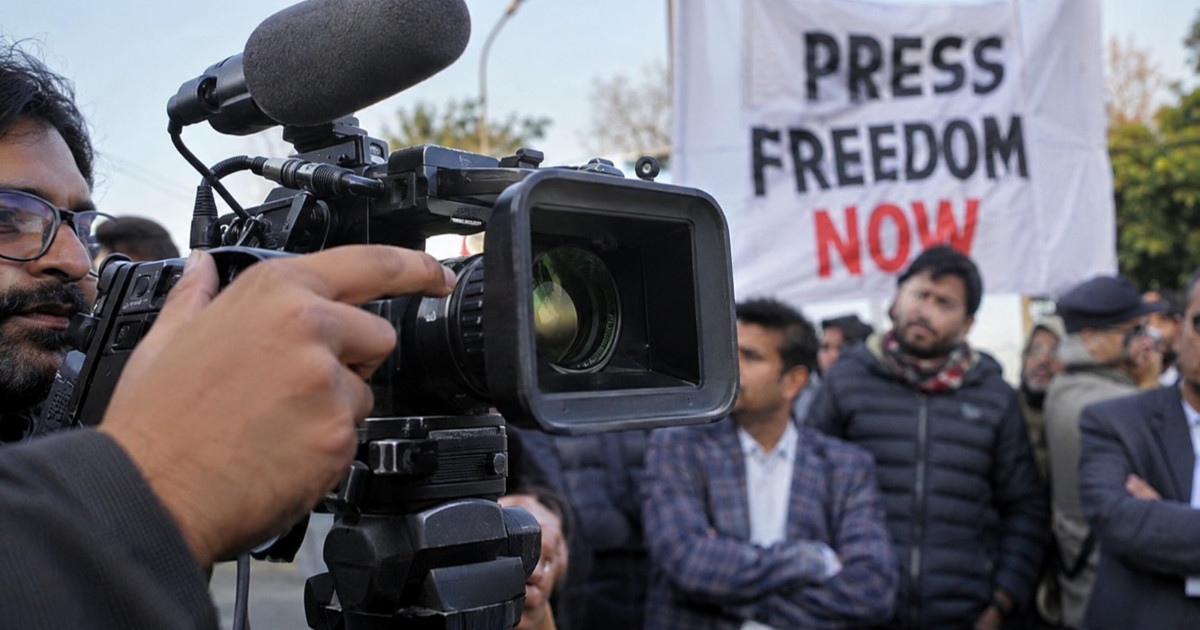
The report also documented continuing concerns about the safety of journalists working at protests, demonstrations and other high-risk assignments.
Physical attacks are only part of the problem. Journalists increasingly face online harassment, threatening communications, legal complaints and other forms of pressure that can interfere with their professional work.
The persistence of these threats suggests that safety cannot be measured solely by the number of attacks reported in a particular year. The effectiveness of investigations, access to protection and accountability for perpetrators are equally important.
Protection laws have changed the picture
It would be misleading to suggest that nothing has improved.
Pakistan adopted important legislation in 2021, including the federal Protection of Journalists and Media Professionals Act and Sindh's legislation establishing a framework for protecting journalists and other media practitioners.
These measures represented a significant recognition of the state's responsibility to safeguard journalism and address threats against media workers.
However, the existence of legislation does not automatically ensure effective protection.
In October 2026, Freedom Network published an assessment of the federal and Sindh journalist safety commissions, identifying shortcomings in institutional capacity, complaint mechanisms, and access to protection.
The organization argued that existing safeguards needed stronger implementation, adequate resources, and more accessible procedures.
This distinction between legal commitments and practical enforcement is central to understanding why professional insecurity persists.
A journalist facing threats requires more than a statement of rights. Effective protection depends on accessible institutions, prompt investigation, legal assistance, and meaningful consequences for those responsible.
Old pressures acquire new forms
While some problems remain unchanged, others have evolved alongside technology and regulation.
Pakistan's Prevention of Electronic Crimes Act, particularly following its 2025 amendments, has become a significant source of concern for journalists and press freedom organizations.
On November 6, 2026, JP reported that three journalists in Quetta faced cybercrime cases following disputed reporting. The journalists alleged harassment and raids, while the Balochistan government defended the proceedings as action against allegedly false information.
The allegations remain contested, and registration of criminal cases does not establish wrongdoing.
Nevertheless, the controversy illustrates how longstanding tensions over press freedom can emerge through new regulatory mechanisms.
Where journalists once confronted restrictions primarily through conventional policing, censorship or pressure on media organizations, digital investigations now create additional questions about due process, the limits of state intervention and the distinction between unlawful content and legitimate reporting.
Technology has transformed the instruments involved, but the underlying challenge remains: ensuring that journalists can perform their work without disproportionate interference while remaining subject to laws applied fairly and transparently.
Why reforms struggle to deliver lasting change
JP's archive reveals several recurring characteristics of these problems.
Employment disputes frequently produce demonstrations, negotiations and official intervention only after employees have gone unpaid. Safety concerns prompt public condemnation and demands for investigation, but sustained attention to outcomes is less visible. New legislation creates institutions and procedures, yet implementation depends on resources, administrative capacity and political commitment.
Another weakness is the fragmentation of responsibility.
Media employers control salaries and employment practices. Government departments oversee aspects of media regulation and public policy. Courts adjudicate disputes. Police and investigative agencies handle criminal matters. Professional unions represent journalists, while safety commissions have separate statutory responsibilities.
Each institution addresses part of the problem, but accountability can become difficult when responsibility is dispersed, and follow-up is inconsistent.
The pressures are not exclusively Pakistani. Around the world, journalists face commercial instability, threats to independent reporting, digital harassment and uncertainty over the economic future of news organizations.
However, the remedies differ across countries. Stronger labour enforcement, independent regulatory oversight, sustainable funding arrangements and accessible journalist-protection mechanisms can make important differences.
What 17 years of reporting reveal
JournalismPakistan's archive does not establish that every aspect of journalism has deteriorated. New safety legislation, judicial interventions, successful union action and greater public recognition of professional risks demonstrate that progress is possible.
Nor does every recurring dispute involve the same institutions, causes or circumstances.
What the archive does reveal is the persistence of unresolved structural weaknesses beneath successive changes in technology, ownership, regulation and newsroom organization.
In 2012, the discussion included the consequences of rapid television expansion. In 2018 and 2019, unpaid wages, dismissals and court intervention dominated many reports. By 2026, these concerns remained prominent alongside disputes over cybercrime enforcement, digital surveillance and new forms of professional insecurity.
The industry's problems have therefore not simply survived unchanged. They have adapted to new economic and technological conditions.
The most important lesson from JP's reporting is that identifying a problem is not the same as resolving it. Court orders, legislation, professional protests and official assurances can all contribute to reform, but lasting improvements require consistent enforcement and measurable outcomes.
After 17 years of covering the media, the question is no longer whether journalism's recurring problems are sufficiently understood.
It is whether the institutions responsible for addressing them can finally move from repeated promises and temporary remedies towards lasting accountability.
ATTRIBUTION: A JournalismPakistan analysis, drawing on its reporting archive from 2012 to November 2026, including coverage of media employment, unpaid salaries, newsroom layoffs, journalist safety, press freedom legislation and cybercrime enforcement. Additional research: Pakistan's Protection of Journalists and Media Professionals Act, 2021, and Freedom Network's journalist safety assessments published in October 2026.
Key Points
- Seventeen years of JournalismPakistan reporting document recurring unpaid salaries and employment instability.
- Television expansion followed by restructuring has led to newsroom layoffs and changing job patterns.
- Digital platforms and AI are reshaping production and revenue, increasing pressure on traditional roles.
- Institutional weaknesses and inconsistent enforcement have undermined legal and policy reforms.
- Public protests and court cases have had limited lasting effect without economic and governance fixes.
Key Questions & Answers
Why do unpaid salaries and layoffs keep happening in Pakistan's media?
Longstanding financial strains, shifting revenue models, weak employer accountability and uneven enforcement of labour protections have allowed salary defaults and layoffs to recur.
How have digital media and AI affected the problem?
Digital publishing and AI have changed workflows and revenue streams, reducing some costs but also creating uncertainty and fewer stable newsroom jobs.
Have court cases and protests improved conditions for journalists?
Court rulings and public pressure have delivered some relief, but without systemic economic reforms and stronger institutions the effects are often temporary.
What reforms would help reduce these recurring problems?
Stronger labour protections, consistent enforcement, sustainable business models for media outlets and institutional reforms to improve transparency and accountability are needed.
Relevant Topics
Ask AI: Understand this story your way
AI EnabledDig deeper, ask anything — get instant context, background, and clarity.
Disclaimer: This feature is powered by AI and is intended to help readers explore and understand news stories more easily. While we strive for accuracy, AI-generated responses may occasionally be incomplete or reflect limitations in the underlying model. This feature does not represent the editorial views of JournalismPakistan. For our full, verified reporting, please refer to the original article.