
Asia press freedom: A week of pressure and progress
JournalismPakistan.com | Published: 19 April 2026 | JP Asia Desk
Join our WhatsApp channel
Across Asia, journalists faced growing legal pressure, expanded surveillance, arrests, and attacks on media outlets, raising concerns about restrictive laws and selective enforcement. A Pakistani journalist's IFJ appointment as regional gender lead marked progress for women in media.Summary
ISLAMABAD — Across Asia, the past week reflected a widening gap between increasing pressure on journalists and ongoing efforts within the profession to push for reform and representation. From legal action against reporters and the expansion of surveillance systems to attacks on media outlets, the region’s press freedom landscape showed signs of strain, even as a major leadership milestone offered a note of progress.
A milestone for representation in global media
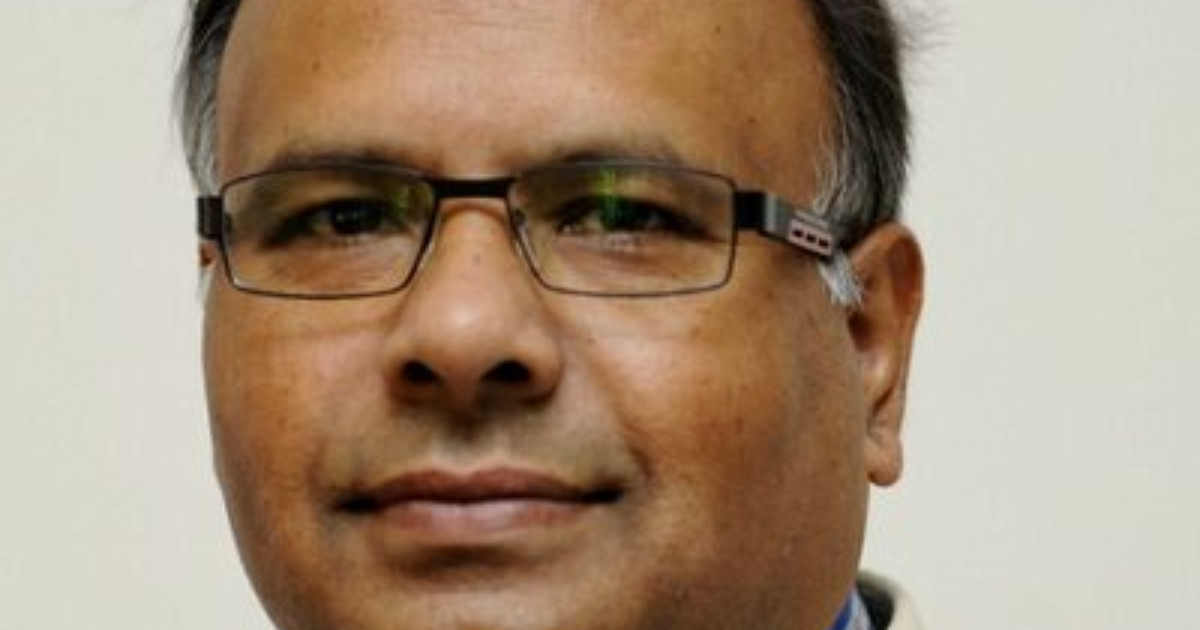
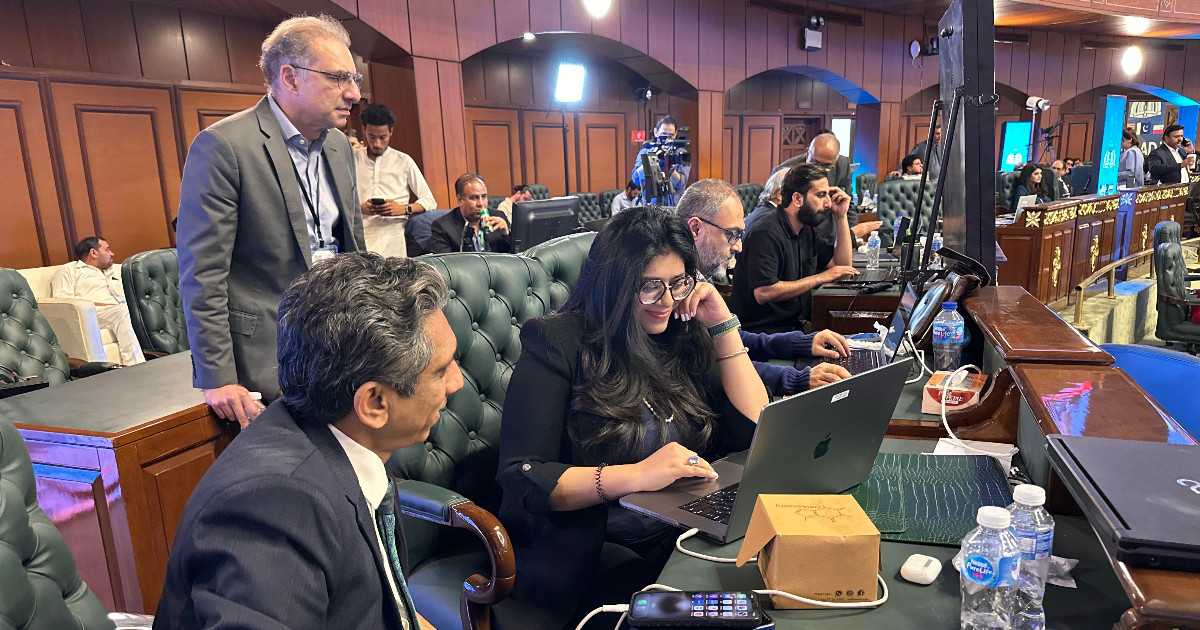
Pakistan marked a significant moment in international media leadership with the election of Javeria Siddique as Regional Gender Coordinator for Asia-Pacific at the International Federation of Journalists. A columnist, author, and photographer, Siddique has reported extensively on parliament, defense, aviation, and human rights.
Her appointment places her at the center of regional efforts to address gender inequality and improve safety for journalists. The IFJ, representing more than 600,000 media professionals worldwide, has in recent years increased its focus on combating workplace harassment and strengthening protections for women in media.
Legal and institutional pressure intensifies
In Kazakhstan, six international press freedom and human rights organizations urged President Kassym-Jomart Tokayev to halt criminal proceedings against journalists and reform restrictive media laws. The groups warned that arrests, pretrial detention, and administrative measures are being used to curb investigative reporting.
They also highlighted concerns that vaguely worded regulations enable selective enforcement, creating a climate in which independent outlets face persistent legal uncertainty and operational disruption.
Surveillance and digital control expand
In Vietnam, authorities are expanding state-backed surveillance and policing systems, partly modeled on approaches seen in China. The measures include enhanced monitoring of online activity and the integration of large-scale data platforms.
While officials present these systems as tools for public security and governance efficiency, media observers say they signal a tightening grip over the information space, with potential long-term consequences for digital freedoms and independent journalism.
Safety concerns persist at the local level
In India’s Assam region, an attack on the offices of Asomiya Pratidin has renewed concerns about the safety of journalists operating in politically sensitive environments. The incident drew condemnation from the Committee to Protect Journalists, which called for a transparent investigation.
The episode underscores the risks faced by regional media organizations, where local political and social tensions can translate into direct threats and intimidation.
Regional warning signals deepen concern
The South Asia Journalists Federation (SAJF) warned of a sharp deterioration in press freedom across South Asia, citing more than 250 violations over the past year. These include killings, arrests, assaults, and censorship affecting journalists in multiple countries.
The data points to a sustained pattern of pressure that extends beyond isolated incidents, reflecting deeper structural challenges facing the media across the region.
WHY THIS MATTERS: This week’s developments highlight a clear regional trajectory: pressure on journalism in Asia is becoming more systemic, more technologically sophisticated, and more widespread. Legal tools, surveillance systems, and localized violence are converging to restrict the space for independent reporting. At the same time, leadership gains such as Siddique’s election show that efforts to strengthen representation and advocate for journalists’ rights continue from within the profession. Understanding both trends is essential to assessing the future of press freedom in Asia.
ATTRIBUTION: Reporting by JournalismPakistan based on statements from the International Federation of Journalists, multiple international press freedom and human rights organizations, the Committee to Protect Journalists, and the South Asia Journalists Federation, along with publicly available reports and media coverage from the respective countries.
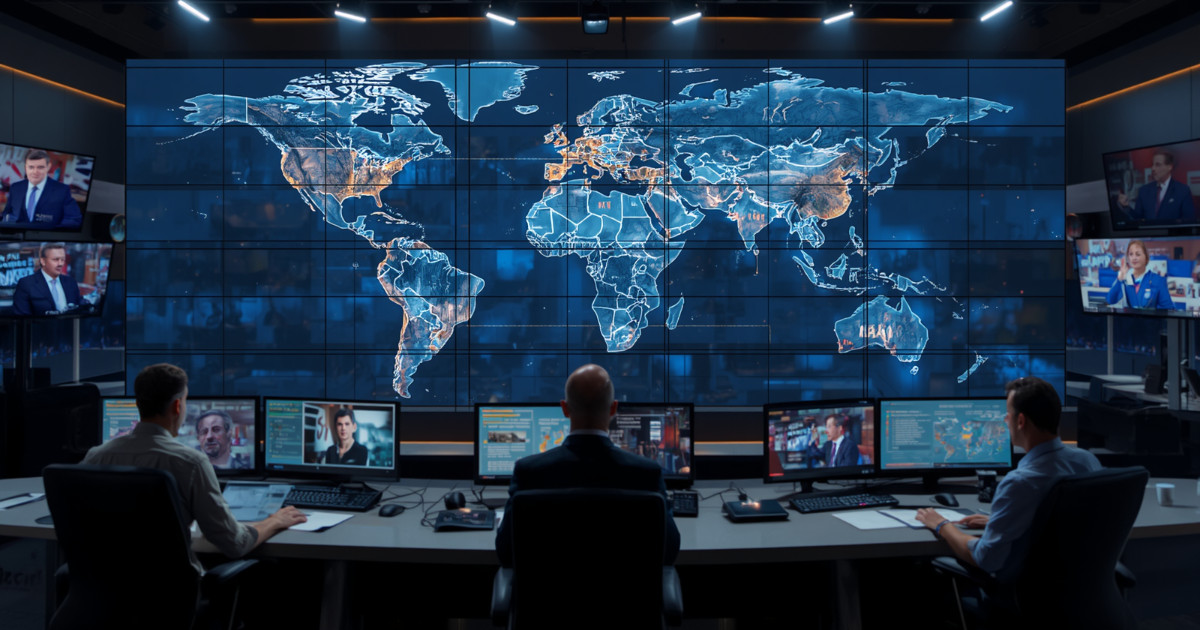
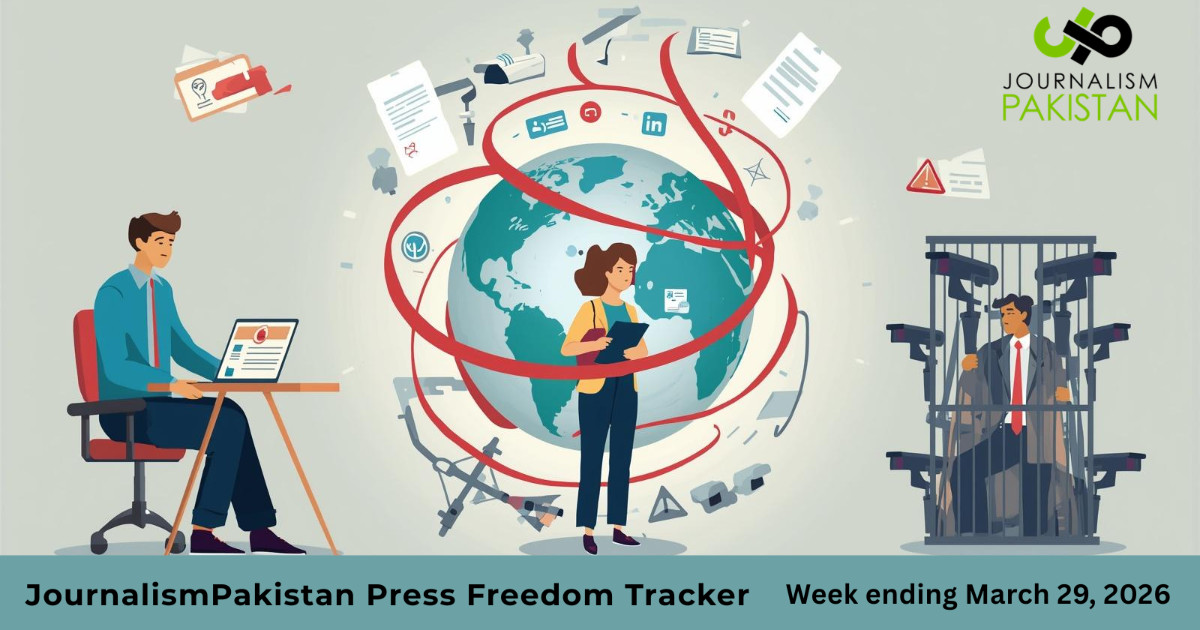
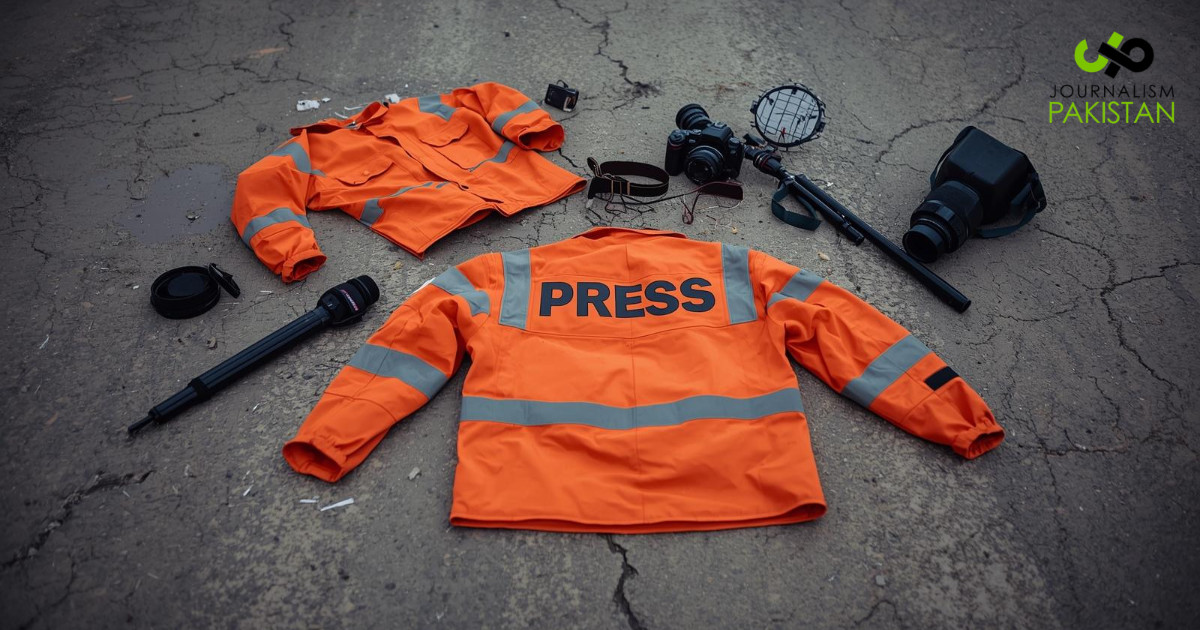
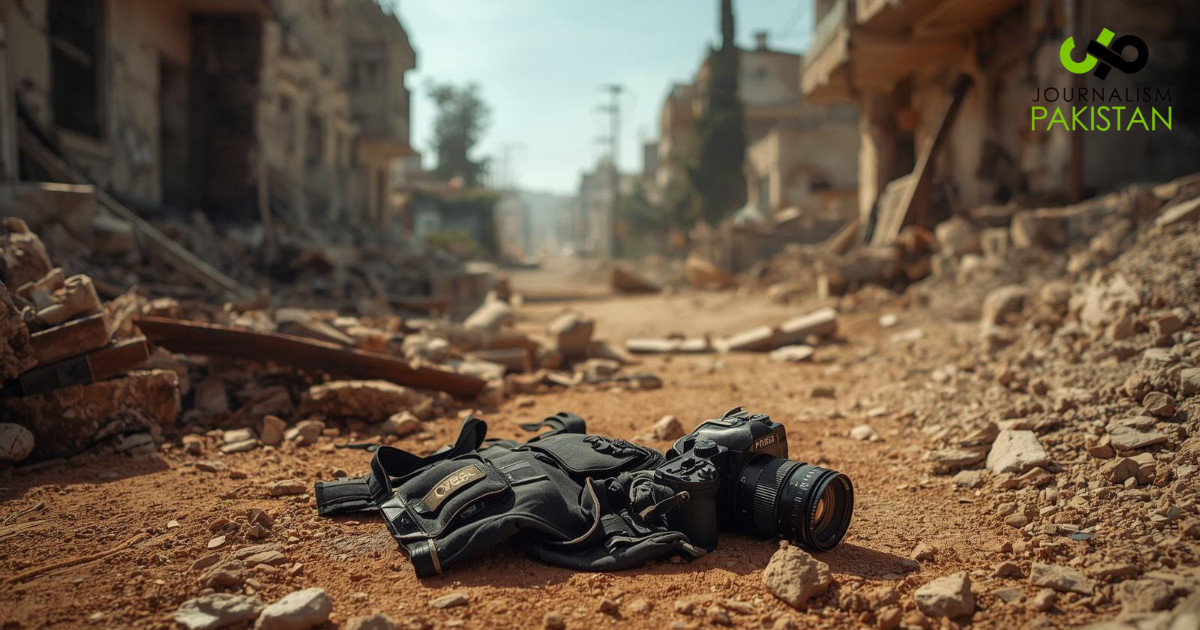
PHOTO: AI-generated; for illustrative purposes
Key Points
- Javeria Siddique was elected IFJ Regional Gender Coordinator for Asia-Pacific, a notable step for representation.
- Journalists across the region faced increased legal and institutional pressure, including arrests and criminal cases.
- Authorities expanded surveillance measures, raising concerns about press freedoms and selective enforcement.
- Media outlets were subject to attacks and administrative measures that curb investigative reporting.
- International organizations have urged reforms and protections for journalists, particularly in Kazakhstan.
Key Questions & Answers
What pressures did journalists face this week?
Reporters encountered mounting legal cases, arrests, expanded surveillance and attacks on media outlets, which critics say impede investigative reporting.
Who is Javeria Siddique?
She is a columnist, author and photographer elected as the IFJ Regional Gender Coordinator for Asia-Pacific to address gender inequality and safety in media.
What are the concerns in Kazakhstan?
Groups warn that criminal proceedings, pretrial detention and vague media regulations are being used to restrict journalists and investigative reporting.
What are international groups calling for?
They are urging authorities to halt prosecutions of journalists, reform restrictive media laws and improve protections for media workers.
Relevant Topics
Ask AI: Understand this story your way
AI EnabledDig deeper, ask anything — get instant context, background, and clarity.
Disclaimer: This feature is powered by AI and is intended to help readers explore and understand news stories more easily. While we strive for accuracy, AI-generated responses may occasionally be incomplete or reflect limitations in the underlying model. This feature does not represent the editorial views of JournalismPakistan. For our full, verified reporting, please refer to the original article.