
Maldives raid on Adhadhu intensifies press pressure
JournalismPakistan.com | Published: 28 April 2026 | JP Asia Desk
Join our WhatsApp channel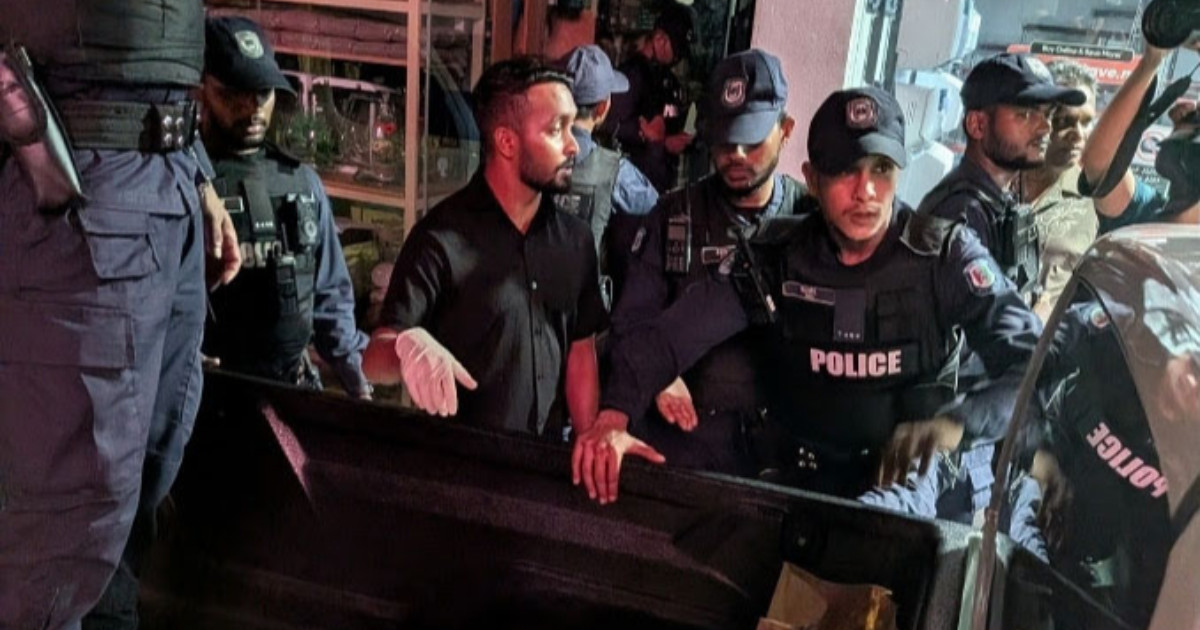
Maldivian police raided Adhadhu, seized devices and imposed travel bans on the outlet's CEO and managing editor after a documentary alleged misconduct by the president; the warrant cited Section 612(a) on Qazf, drawing condemnation from press freedom groups.Summary
NEW DELHI—Maldivian authorities are facing growing international criticism after police raided the offices of independent outlet Adhadhu, seized equipment, and imposed travel bans on senior staff, prompting concerns about escalating pressure on investigative journalism in the country.
The raid took place on April 27 in the capital, Malé, following the publication of “Aisha,” a documentary released on March 28 in which a former President’s Office employee alleged sexual misconduct and abuse of power against President Mohamed Muizzu. According to the outlet, officers entered its newsroom under a court-issued warrant and confiscated electronic devices.
Raid linked to documentary allegations
The warrant cited Section 612(a) of the Maldives Penal Code, which criminalizes “Qazf,” or false accusations of adultery under Islamic law. Authorities used this provision to justify the search, raising alarm among press freedom advocates about the use of religiously grounded laws in cases involving journalistic work.
The Committee to Protect Journalists (CPJ) condemned the move, calling for the immediate return of seized equipment and the lifting of travel bans imposed on Adhadhu CEO Hussain Fiyaz Moosa and Managing Editor Hassan Mohamed. CPJ warned that such actions risk setting a precedent where criminal law is used to suppress scrutiny of those in power.
Government defends action, journalists push back
Officials in the Maldives government have defended the raid. Minister of Homeland Security Ali Ihusaan said authorities were acting within the law, arguing that spreading “fabricated serious accusations” does not constitute journalism and that accountability applies to all.
However, media representatives say the timing of the raid is significant. The operation occurred hours after an Adhadhu journalist questioned President Muizzu about the allegations during a televised press conference, according to the Maldives Journalists Association.
Press freedom groups argue that the combination of newsroom raids, device seizures, and travel restrictions represents a coordinated attempt to deter investigative reporting. The Maldives Police Service and the President’s Office have not publicly responded to detailed queries from international watchdogs.
WHY THIS MATTERS: The case highlights how legal frameworks, particularly religious or criminal statutes, can be used to target journalists, a trend that Pakistani media professionals should closely monitor. It underscores the importance of legal safeguards for investigative reporting and the risks posed when questioning powerful figures trigger punitive state action. Newsrooms in Pakistan can draw lessons on digital security, legal preparedness, and collective response mechanisms.
ATTRIBUTION: Reporting by JournalismPakistan, based on publicly available statements from the Committee to Protect Journalists (April 28, 2026) and comments from Maldives officials and journalists reported on the same date.
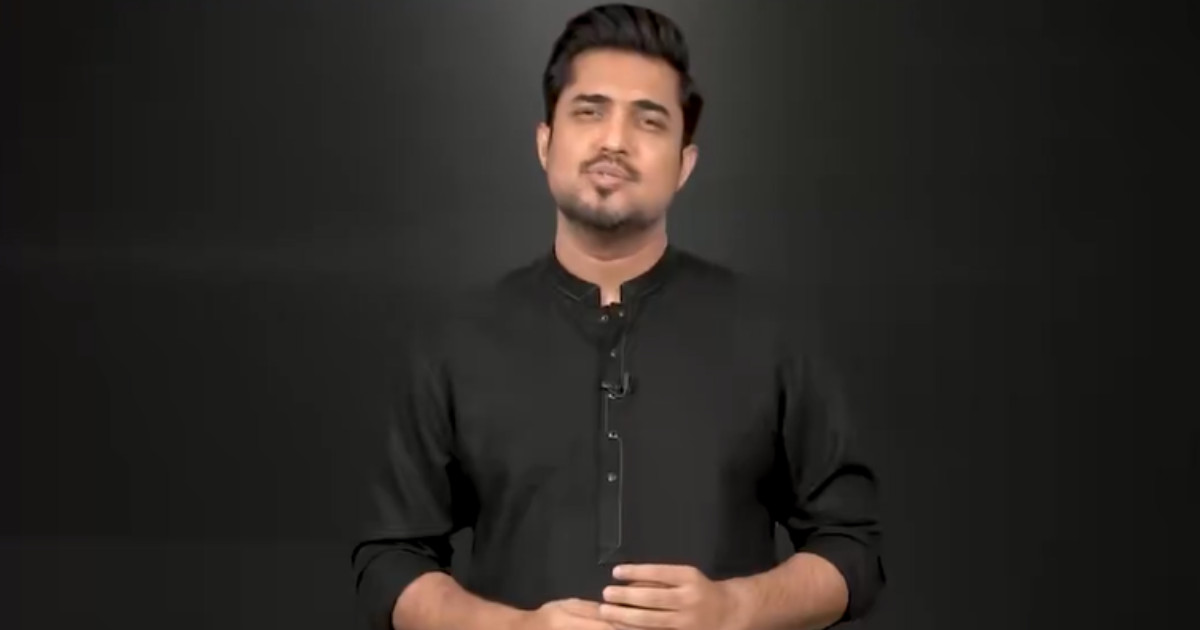
PHOTO: Courtesy of Maldives Journalists Association/Circulated by CPJ
Key Points
- Police raided Adhadhu's newsroom and confiscated electronic devices.
- Travel bans were imposed on CEO Hussain Fiyaz Moosa and Managing Editor Hassan Mohamed.
- Authorities invoked Section 612(a) of the Maldives Penal Code, citing Qazf (false accusation of adultery).
- The Committee to Protect Journalists demanded return of equipment and lifting of travel bans.
- The government says the action was lawful, while press freedom groups warn it may curb investigative reporting.
Key Questions & Answers
Why did police raid Adhadhu?
Authorities say they acted under a court warrant citing Section 612(a) on Qazf after a documentary made allegations about the president.
What actions did authorities take?
Police confiscated electronic devices at Adhadhu's offices and imposed travel bans on senior staff, including the CEO and managing editor.
How have press freedom groups responded?
Groups like the Committee to Protect Journalists have condemned the raid, called for return of seized equipment and warned against criminalising journalism.
What is the government's position?
The government has defended the raid as lawful, saying it followed legal procedures, while critics say it risks suppressing scrutiny of those in power.
Relevant Topics
Ask AI: Understand this story your way
AI EnabledDig deeper, ask anything — get instant context, background, and clarity.
Disclaimer: This feature is powered by AI and is intended to help readers explore and understand news stories more easily. While we strive for accuracy, AI-generated responses may occasionally be incomplete or reflect limitations in the underlying model. This feature does not represent the editorial views of JournalismPakistan. For our full, verified reporting, please refer to the original article.