
Rights groups urge Kazakhstan to drop journalist cases
JournalismPakistan.com | Published: 15 April 2026 | JP Asia Desk
Join our WhatsApp channel
Six international press freedom and human rights groups urge President Tokayev to halt criminal cases against journalists and reform media laws, they say, enable arrests, house detentions, and digital restrictions that chill independent reporting.Summary
ASTANA — Six international press freedom and human rights organizations have urged President Kassym-Jomart Tokayev to halt criminal proceedings against journalists and overhaul restrictive media laws, warning that mounting legal pressure is undermining independent reporting in Kazakhstan.
In a joint appeal, the groups cited a growing pattern of arrests, house detentions, and digital restrictions targeting reporters and media outlets. They said such measures are increasingly being used to silence investigative journalism and deter critical coverage of government institutions.
Legal pressure raises concerns over media freedom
The organizations expressed concern over the use of criminal charges and pretrial detention, arguing that these tactics not only punish individual journalists but also create a broader climate of fear across the media landscape. Independent outlets, they noted, are particularly vulnerable to administrative and legal scrutiny that can disrupt operations and limit access to audiences.
Kazakhstan has, in recent years, introduced media regulations that critics say expand state oversight of online platforms and newsrooms. While authorities have framed these measures as necessary to combat misinformation and ensure national security, rights groups argue that vague provisions leave room for selective enforcement.
Regional implications for Central Asian journalism
The case is being closely watched across Central Asia, where similar legal frameworks are in place or under consideration. Media advocates warn that the normalization of criminal cases against journalists risks setting a precedent that could further erode press freedom in neighboring countries.
Analysts say the combination of legal action, digital censorship, and regulatory pressure is contributing to a rise in self-censorship, as journalists weigh the risks of pursuing sensitive stories. This trend, they add, could significantly limit public access to independent and investigative reporting in the region.
WHY THIS MATTERS: The developments in Kazakhstan reflect a broader regional pattern where legal tools are used to control media narratives, an approach that Pakistani journalists should monitor closely. It highlights how regulatory frameworks and criminal laws can shape newsroom behavior, emphasizing the need for legal safeguards and strong press freedom protections in Pakistan.
ATTRIBUTION: Reporting by JournalismPakistan, based on publicly available statements from international press freedom organizations (April 2026).
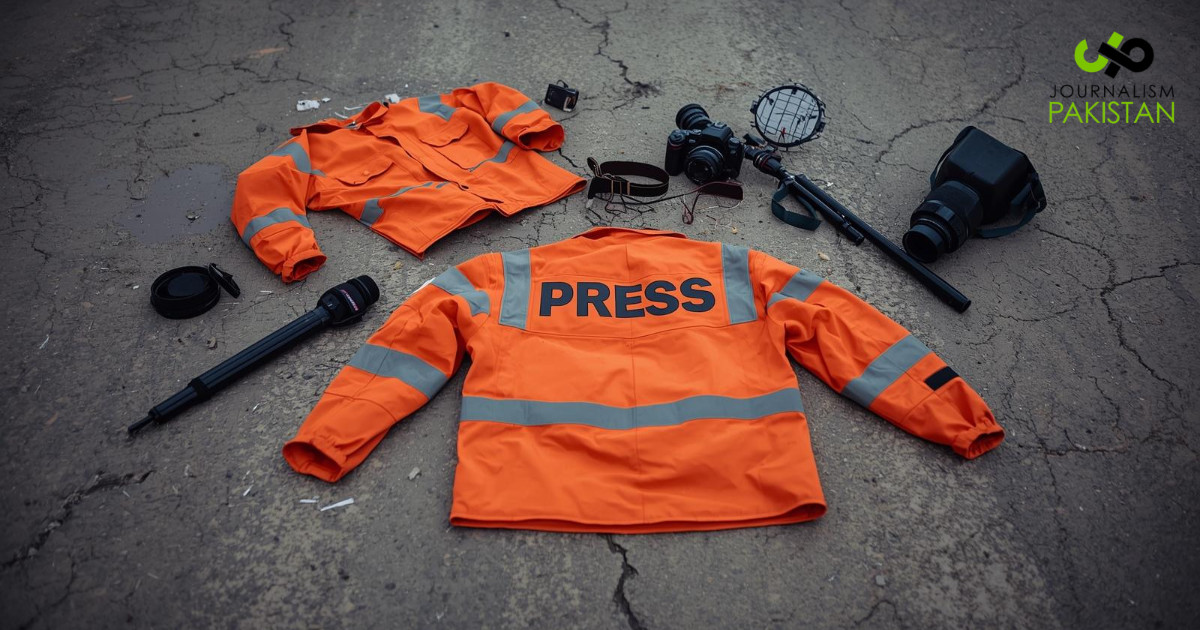
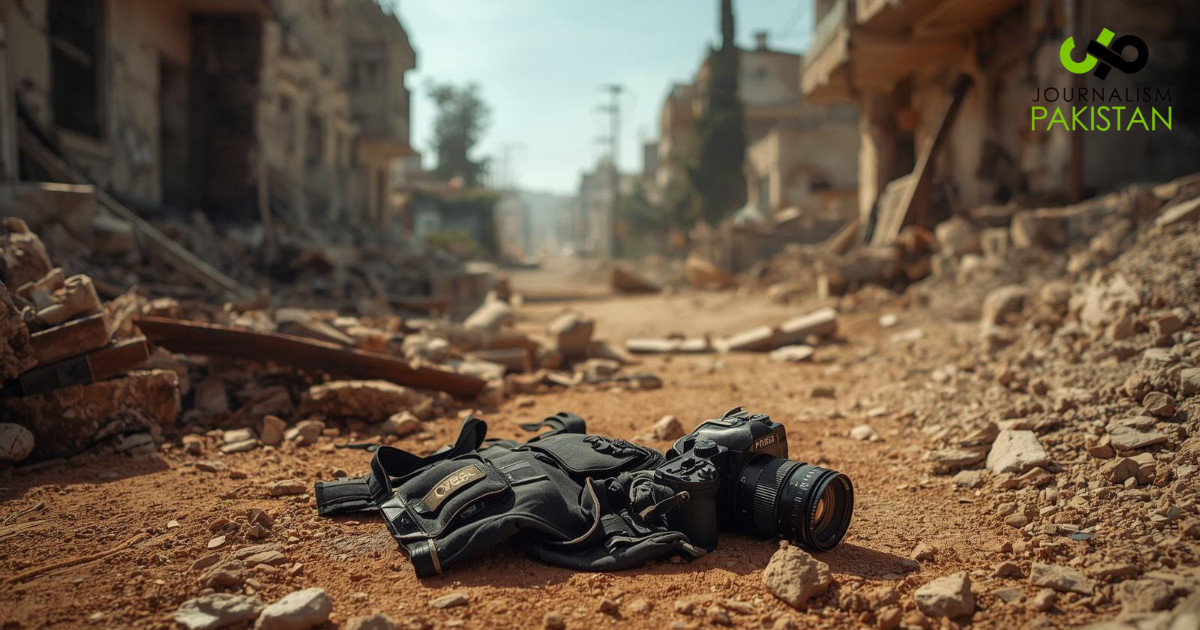
PHOTO: AI-generated; for illustrative purposes only.
Key Points
- Six international press freedom and human rights organizations issued a joint appeal to President Tokayev.
- They urged authorities to halt criminal proceedings and pretrial detentions targeting journalists.
- Groups warn that vague media laws enable arrests, house detentions, and digital restrictions.
- Independent outlets face administrative and legal scrutiny that can disrupt reporting and audience access.
- The case raises regional concerns about the normalization of legal pressure on journalists across Central Asia.
Key Questions & Answers
What did the rights groups request?
They asked President Tokayev to halt criminal proceedings against journalists and overhaul restrictive media laws.
Why are the current media laws criticized?
Critics say vague provisions expand state oversight and leave room for selective enforcement against independent reporting.
Who is most affected by these measures?
Independent reporters and outlets are most vulnerable to arrests, house detentions, and digital restrictions that limit their work and reach.
What are the wider implications for the region?
Advocates warn that normalizing criminal cases against journalists in Kazakhstan could influence similar laws and practices across Central Asia.
Relevant Topics
Ask AI: Understand this story your way
AI EnabledDig deeper, ask anything — get instant context, background, and clarity.
Disclaimer: This feature is powered by AI and is intended to help readers explore and understand news stories more easily. While we strive for accuracy, AI-generated responses may occasionally be incomplete or reflect limitations in the underlying model. This feature does not represent the editorial views of JournalismPakistan. For our full, verified reporting, please refer to the original article.