
Media indifference disturbing
JournalismPakistan.com | Published: 15 April 2012 | Steve Manuel
Join our WhatsApp channel
The article criticizes Pakistani media for giving limited coverage to the Siachen avalanche that buried 138 army soldiers. It reports growing public anger and continued rescue efforts despite slim chances of survivors.Summary
ISLAMABAD: Failure to recognize real news is bad enough but to continue to look the other way is unforgivable. The media’s treatment towards the news of 138 Pakistan Army soldiers being buried under an avalanche on that icy high altitude outpost, the Siachen, has come in for quite a backlash from the public. The initial shock has now turned to anger.
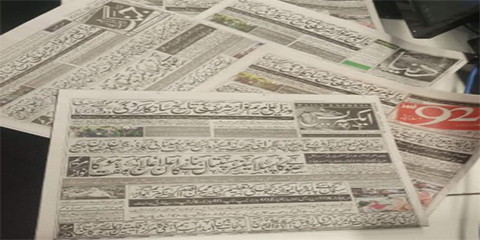
A day after the tragic incident, in which a huge wall of snow crashed into the remote Siachen Glacier base, reports on the tragedy were callously buried in the bottom half of most front pages in the national dailies. Reports were sketchy and no effort was made to elaborate on what had happened.
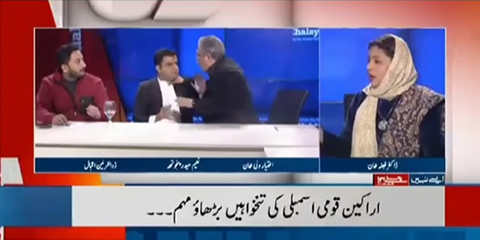
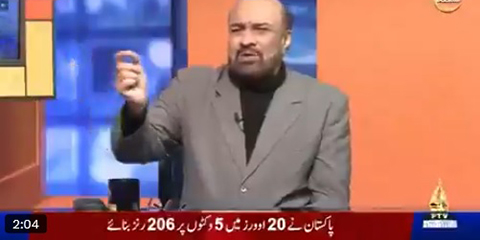
The electronic media too let it slip by with a passing mention in initial news bulletins, concentrating more on political intrigues, talk shows and such. A week later questions are still being asked as to why the media never fully recognized the importance of the story. There is a smoldering anger and resentment towards the media for failing to do their job properly.
“All our media can do is to dwell endlessly on politics and politicians. Nothing else matters,” a popular blog noted. Another was more forthcoming, “The media is incompetent and not prepared to report real news when it happens.
It is only a specialist in sensationalism and pandering to the egos of politicians.” The public has been thirsting for new information on the tragedy which has, somehow, united an otherwise alienated population in finding a reason to sympathize with the army and bolstered calls to withdraw troops from Siachen.
As of Saturday, more than 450 rescuers were said to be working in sub-zero temperatures at the site, though experts have said there is virtually no chance of finding any survivors. “The media has failed us,” observed a banker, “This tragedy shows us the limitations and capability of the Pakistani media. We knew they were incompetent and biased before, but now we know they also lack patriotism.
Makes you think, huh?” “Our media is handicapped by huge egos and vested interests,” commented, Israr Ali, a college student, “Not only is the media run by ‘cha-chas’ and ‘ma-ma’s’ but is totally unprofessional.” Abdul Amir, a school teacher had another twist on the inability of the media to deal with the matter.
“The journalists of today are untrained. They have wavering ideologies and dubious agendas. They do not have respect for the army; the same army that has stood by this country since the very beginning. Look at how many soldiers we have lost in the last four or five years. They have taken such news for granted.
Whether one soldier dies or a hundred, it makes no difference to the media; they are blinded by their dislike of the army.”
Key Points
- The Siachen avalanche reportedly buried 138 Pakistan Army soldiers at a remote high-altitude base.
- National dailies and electronic media were criticized for downplaying the tragedy in initial coverage.
- Public backlash intensified, with accusations of sensationalism and political focus over national tragedies.
- More than 450 rescuers were reported working in sub-zero conditions at the site.
- The incident renewed calls for withdrawing troops from Siachen.
Relevant Topics
Ask AI: Understand this story your way
AI EnabledDig deeper, ask anything — get instant context, background, and clarity.
Disclaimer: This feature is powered by AI and is intended to help readers explore and understand news stories more easily. While we strive for accuracy, AI-generated responses may occasionally be incomplete or reflect limitations in the underlying model. This feature does not represent the editorial views of JournalismPakistan. For our full, verified reporting, please refer to the original article.