
Journalists jailed worldwide decline, but threats remain
JournalismPakistan.com | Published: 21 January 2026 | JP Global Monitoring
Join our WhatsApp channel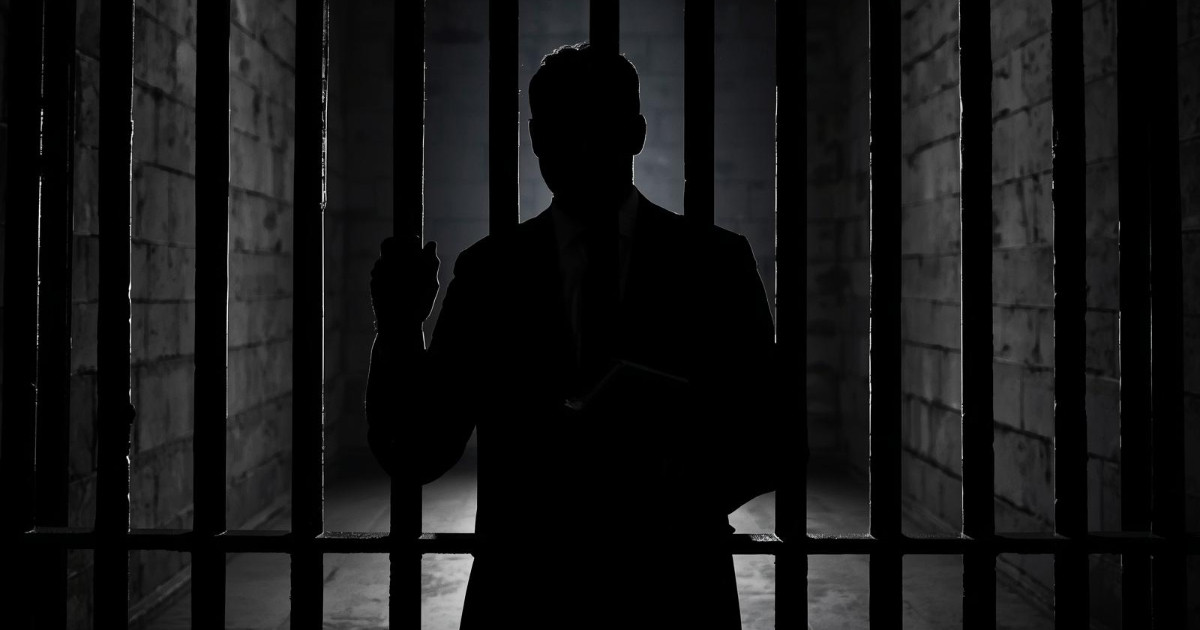
CPJ reports jailed journalists fell to 330 by Dec. 1, 2025, down from 384 at end-2024, but the total remains high as killings, detentions and state charges continue to threaten reporters worldwide, with China, Myanmar and Israel among the top jailers.Summary
NEW YORK — A new report from the Committee to Protect Journalists shows that the number of journalists imprisoned around the world fell in 2025, offering a slight reprieve for press freedom advocates but underscoring persistent threats to journalists in many countries. The worldwide total of jailed media professionals declined to 330 by December 1, 2025, down from a record 384 at the end of 2024, according to the report. The figure remains near historic highs and reflects ongoing pressure on independent reporting.
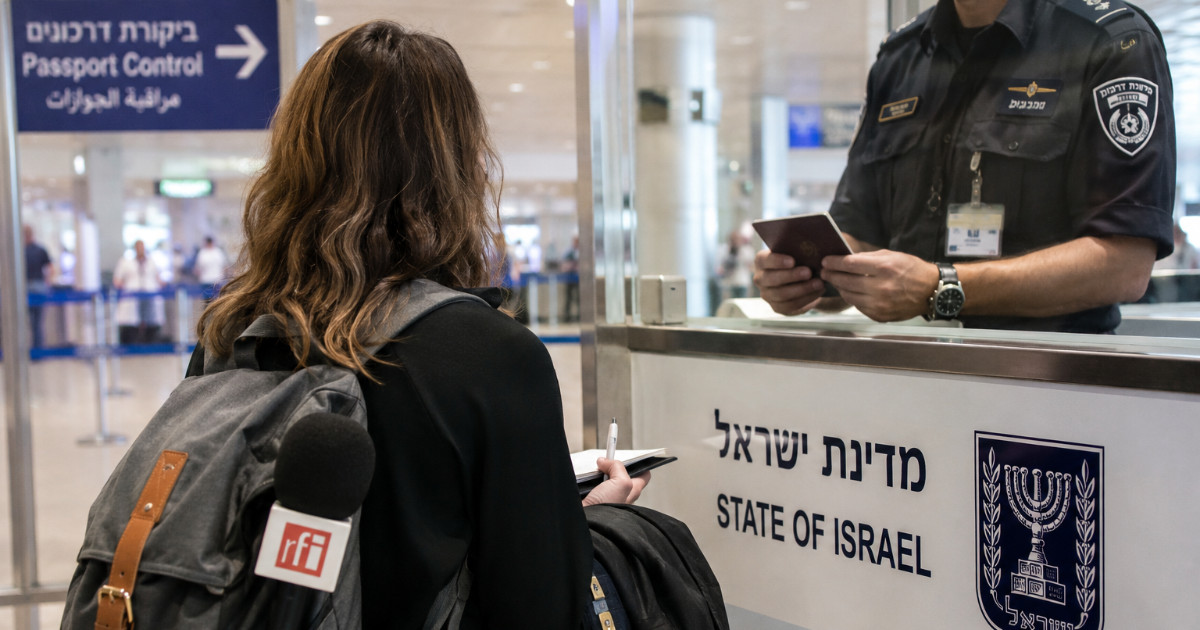
Despite the slight decrease, press freedom groups say the global landscape remains perilous for journalists reporting on conflict, politics, and human rights. China, Myanmar, and Israel were cited as leading sources of imprisonment, with rights groups particularly concerned about the detention of Palestinian journalists in the context of prolonged clashes in Gaza and the West Bank.
Persistent dangers and regional pressures
The CPJ report highlights that repression of journalists is not limited to any single political system or region. China led the list with about 50 journalists jailed for their work, followed by Myanmar with around 30 and Israel with 29, the majority of whom were Palestinian journalists, the organization said. Governments use a range of charges, including anti-state offences, to detain reporters covering sensitive topics.
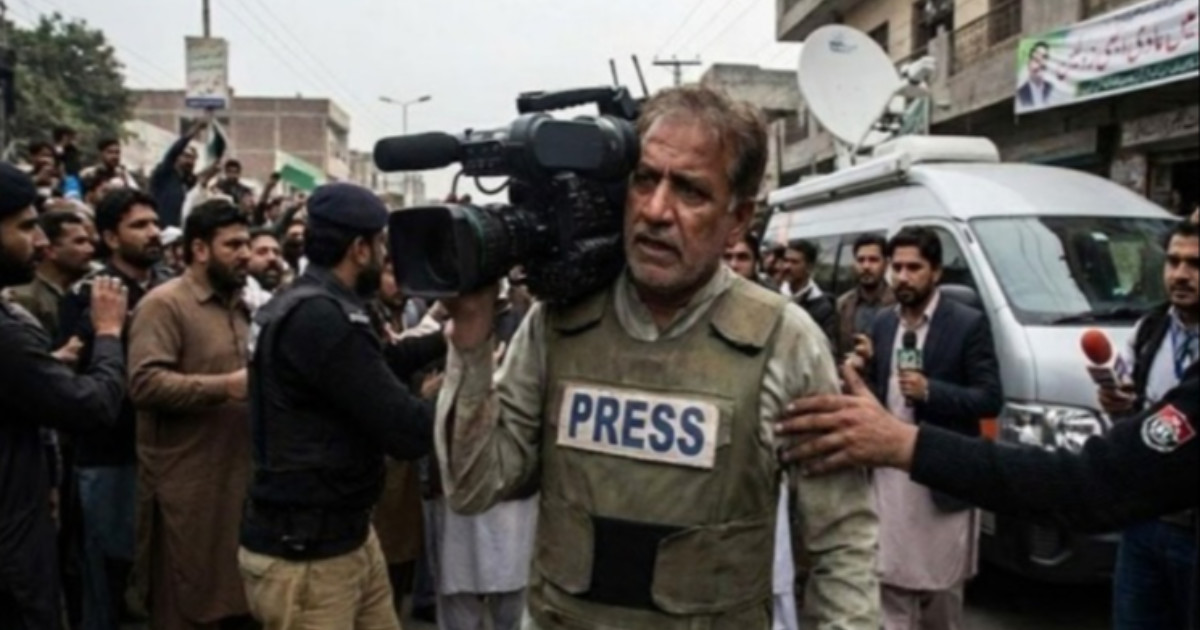
Journalists face significant risks beyond imprisonment. Human rights and press freedom organizations have documented hundreds of journalists killed while reporting in 2025, with conflict zones and regions experiencing authoritarian crackdowns among the most dangerous. Independent tallies from other monitoring groups indicate that at least 111 to 128 journalists and media workers were killed worldwide in the past year, with the Middle East and Arab World among the deadliest regions.
Challenges to accountability and press freedom
Media watchdogs and advocacy groups say impunity for attacks on journalists remains a critical concern. Many detained journalists are held under vague or broad laws that critics argue are designed to stifle dissent rather than protect national security. Cases in countries such as the Philippines, Pakistan, and other nations further illustrate the variety of legal and extralegal tactics used to suppress critical reporting.
Press freedom defenders are calling for stronger international mechanisms to protect journalists and hold perpetrators of violence and unlawful detention accountable. They argue that free and independent media are essential to transparent governance and public awareness, especially in regions facing conflict or political upheaval.
ATTRIBUTION: Reporting for this story incorporated material from CPJ, Reuters, and International Federation of Journalists data.
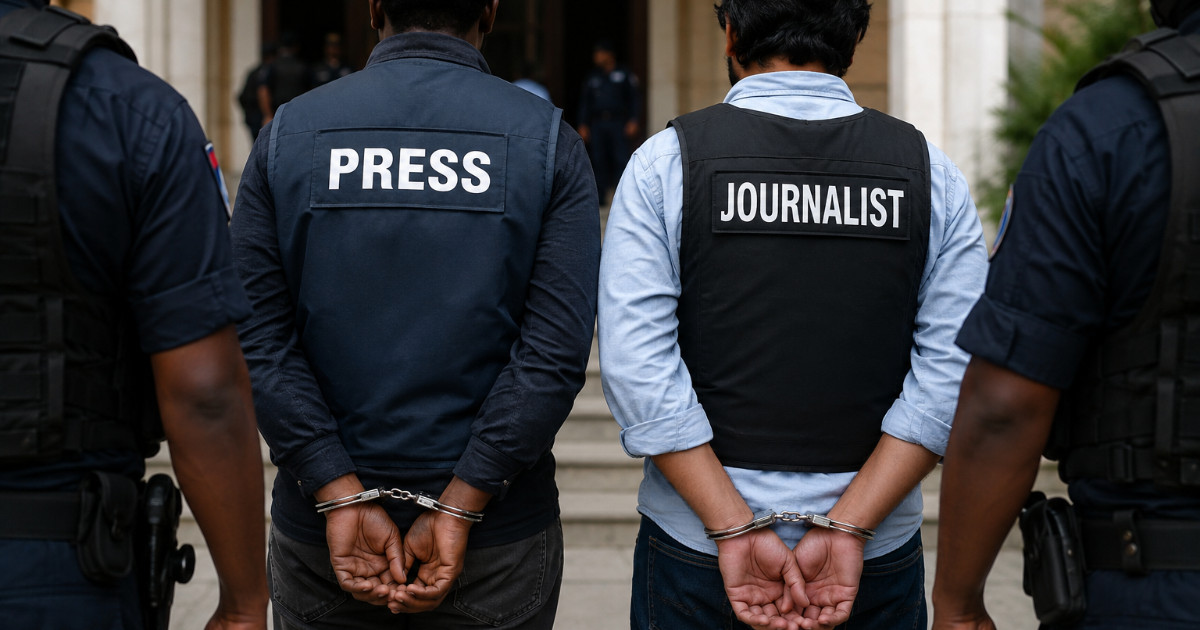
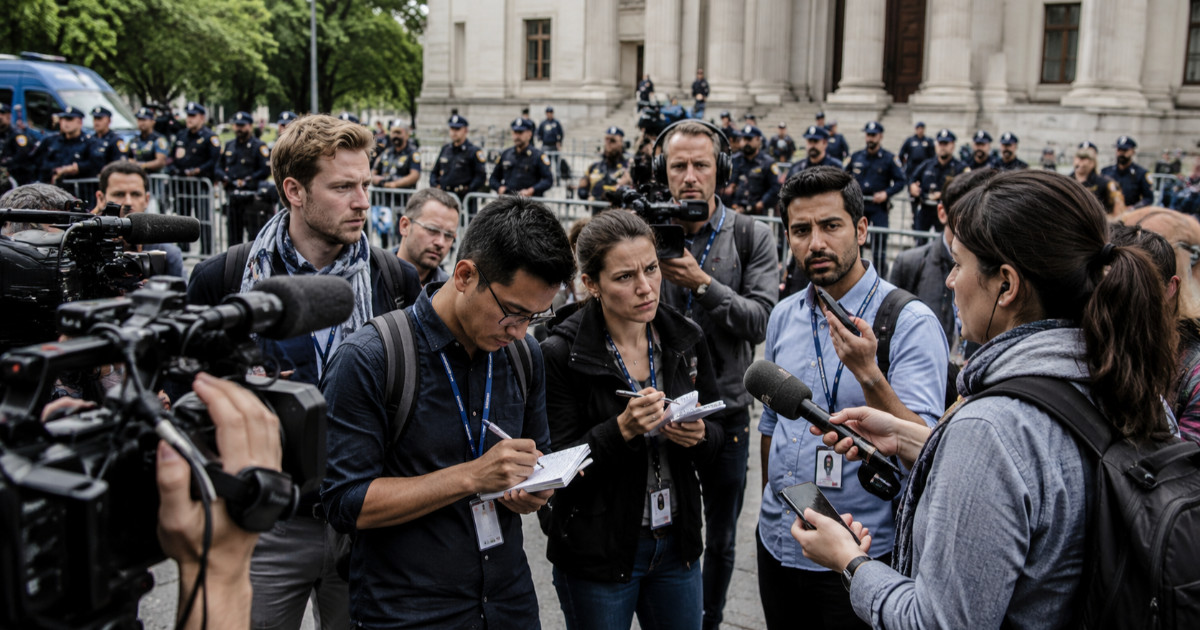
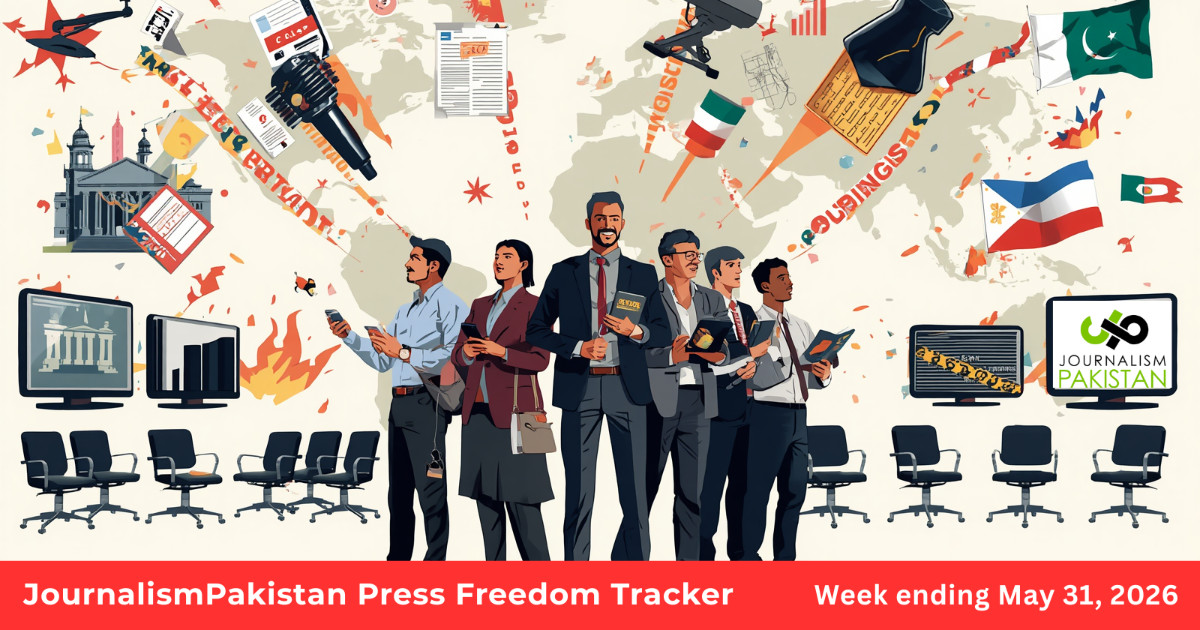
PHOTO: AI-generated; for illustrative purposes only
Key Points
- CPJ documents a decline in jailed journalists to 330 by Dec. 1, 2025, from 384 at end-2024.
- China (about 50), Myanmar (around 30) and Israel (29, many Palestinian journalists) were cited as leading jailers.
- Governments often use anti-state and other charges to detain reporters covering politics, conflict and rights.
- Threats extend beyond imprisonment: rights groups recorded hundreds of journalists killed in 2025 amid conflicts and repression.
Relevant Topics
Ask AI: Understand this story your way
AI EnabledDig deeper, ask anything — get instant context, background, and clarity.
Disclaimer: This feature is powered by AI and is intended to help readers explore and understand news stories more easily. While we strive for accuracy, AI-generated responses may occasionally be incomplete or reflect limitations in the underlying model. This feature does not represent the editorial views of JournalismPakistan. For our full, verified reporting, please refer to the original article.